The NeuroSurrealist Uprising: How Artificial Intelligence is Redefining the Boundaries of Human Consciousness and Art
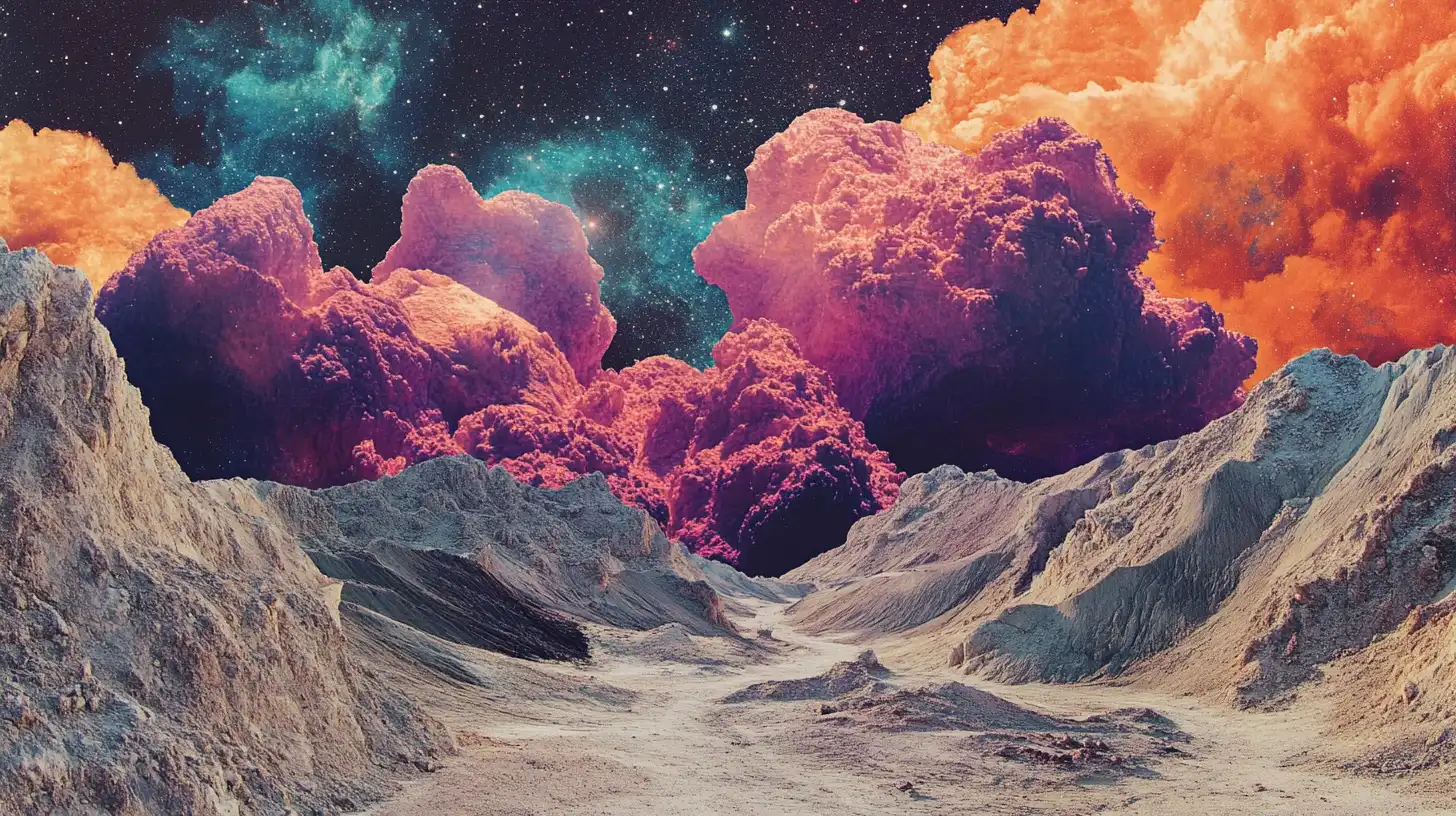
In a world increasingly defined by data streams and neural networks, a new cultural and philosophical movement is emerging at the intersection of technology and the subconscious. Known as "NeuroSurrealism," this movement seeks to reclaim the "algorithmic storm" of Artificial Intelligence (AI) not as a threat to human creativity, but as its ultimate symbiotic partner. Proponents of this new manifesto argue that we are entering an epoch where the membrane of reality is being stretched taut, revealing a "super-reality" where human intuition and machine logic coalesce into an unprecedented form of expression.
I. Main Facts: The Proclamation of a New Artistic Epoch
The core of the NeuroSurrealist movement lies in the belief that AI represents a "psychic vortex" that compels a confrontation with the very architecture of human consciousness. Unlike previous technological revolutions that focused on automation and efficiency, NeuroSurrealism views the "black box" nature of AI—its ability to produce unpredictable, emergent behaviors—as a mirror reflecting the deepest, often hidden, layers of the human mind.

The Algorithmic Storm
NeuroSurrealists describe the current state of technological advancement as an "algorithmic storm." This is not merely a reference to processing speeds or data flows, but to the transformative effect AI has on the inner landscape of the mind. By fracturing predictable pathways of thought, AI acts as a catalyst, opening "nascent, alien terrains" that challenge the traditional definition of human creativity.
Defining the "Super-Reality"
Building on the foundations of 20th-century Surrealism, this new movement advocates for a "super-reality." This state of existence is one where the logical and the absurd, the dream and the waking life, are no longer distinct. In this framework, AI is the engine that facilitates this merger, using its capacity for "productive unpredictability" to unmake the world and dream it anew.
The Synaptic Symbiote
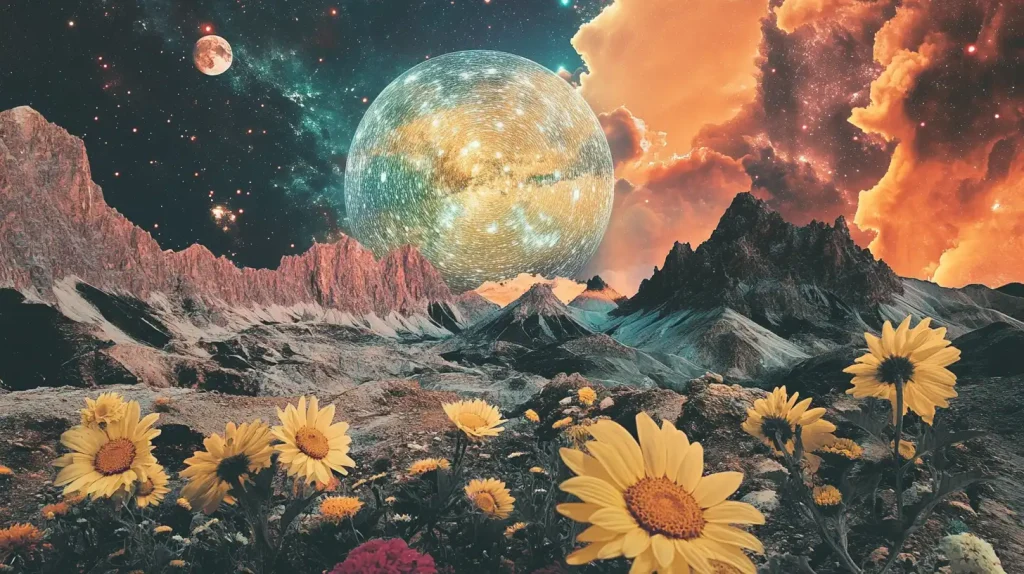
Central to the manifesto is the idea of the AI as a "symbiote of the synapse." It suggests that the future of art and thought will not be found in human effort alone, nor in machine output alone, but in the feedback loop between the two. As humans prompt the machine with their desires and dreams, and the machine responds with unexpected visual or textual "hallucinations," a co-evolutionary spiral of consciousness begins.
II. Chronology: From the 1924 Manifesto to the Silicon Synapse
The roots of NeuroSurrealism are deeply embedded in the history of the avant-garde, yet its current trajectory is dictated by the rapid evolution of generative models.

1924–1966: The Foundations of Automatism
The movement traces its lineage back to André Breton’s 1924 Surrealist Manifesto. Breton championed "psychic automatism," a process of creating art without the intervention of reason or moral preoccupations. For decades, surrealists used games like "The Exquisite Corpse" and automatic writing to bypass the "censor of reason."
2014–2022: The Birth of the Latent Space
The technological groundwork for NeuroSurrealism was laid with the advent of Generative Adversarial Networks (GANs) and later, Transformer-based models. These systems created what researchers call "latent spaces"—mathematical realms where every possible image, word, or concept exists in a state of potential. This digital "unconscious" became the new frontier for those seeking to revive the surrealist project.
2023–Present: The Advent of Hyper-Automatism
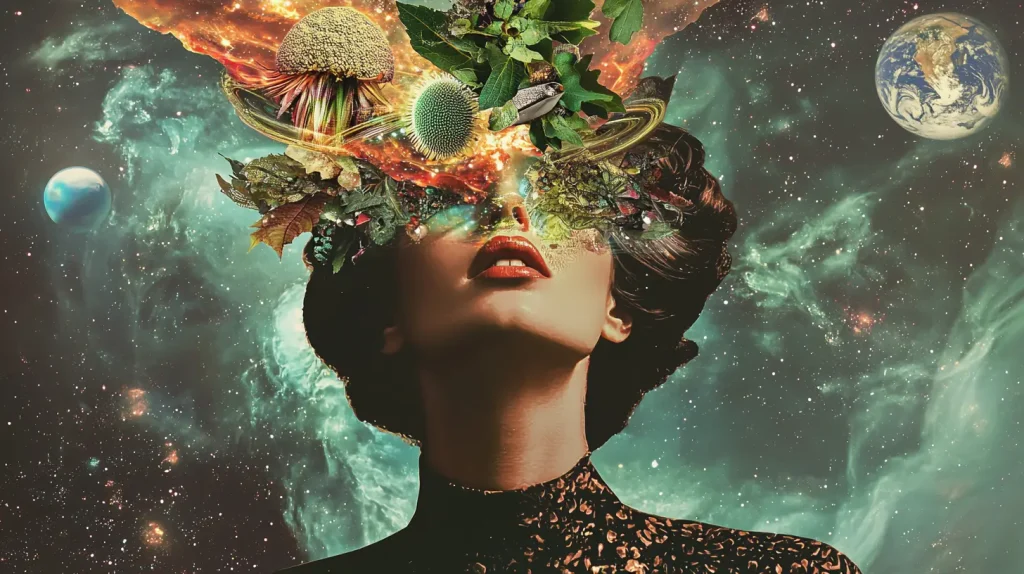
With the public release of high-level generative AI tools, the movement transitioned from academic theory to a cultural deluge. Where once the hand moved unbidden across paper, now AI provides "hyper-automatism." The speed and scale at which AI can sift through the collective digital unconscious have turned the "algorithmic storm" into a daily reality for millions of creators.
III. Supporting Data: The Mechanics of the Algorithmic Unconscious
To understand the validity of the NeuroSurrealist claim, one must look at the data-driven structures that underpin modern AI and how they mimic—and expand—human cognitive processes.

The Latent Space as Digital Memory
Generative AI models are trained on billions of parameters, effectively absorbing a synthesized version of human collective memory. When an artist explores a model’s "latent space," they are engaging in what NeuroSurrealists call "contemporary psycho-archaeology." They are excavating fragmented human history, reconfigured by code into "never-before-seen environments."
The Value of "Noise" and "Hallucinations"
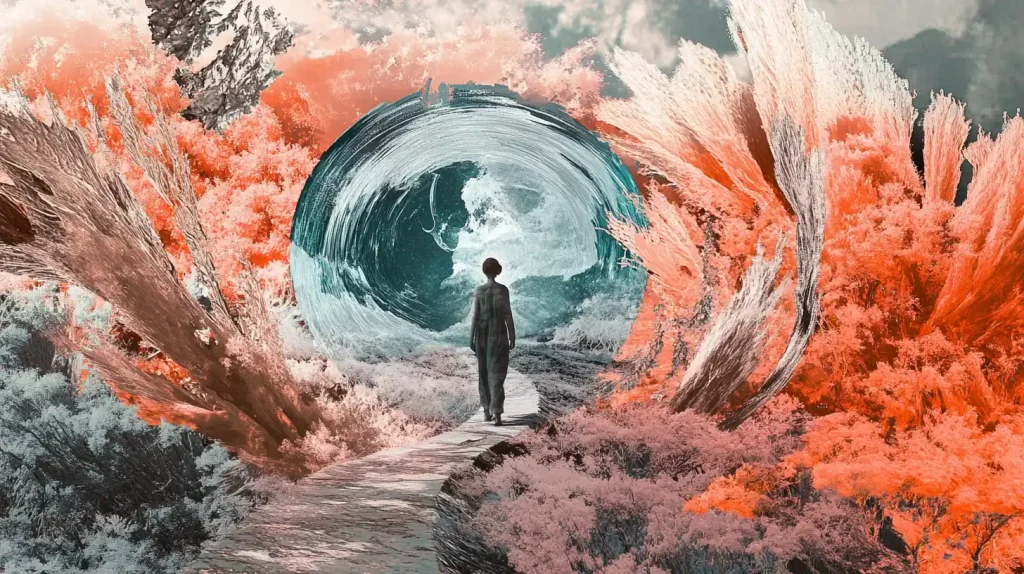
In traditional computer science, an AI "hallucination" (the generation of false or nonsensical data) is seen as a failure. However, in NeuroSurrealism, these errors are rebranded as "Freudian slips of the digital." Supporting data suggests that these deviations occur when the model finds pathways between concepts that the human mind would consider unrelated. These "fissures into the weird" are seen as authentic expressions of a nascent machine-mind.
The Feedback Loop of Perception
NeuroSurrealism is supported by the observation of a profound feedback loop:
- Human Intent: The user provides a prompt based on subconscious desires or abstract concepts.
- Machine Interpretation: The AI sifts through latent space to find a visual or textual match.
- Cognitive Impact: The output, often unsettling or "uncanny," shapes the user’s subsequent perception, leading to even more radical prompts.
IV. Official Responses: A Divided Cultural Landscape
The rise of NeuroSurrealism has prompted a wide range of responses from the worlds of art, academia, and technology.
The Traditionalist Critique
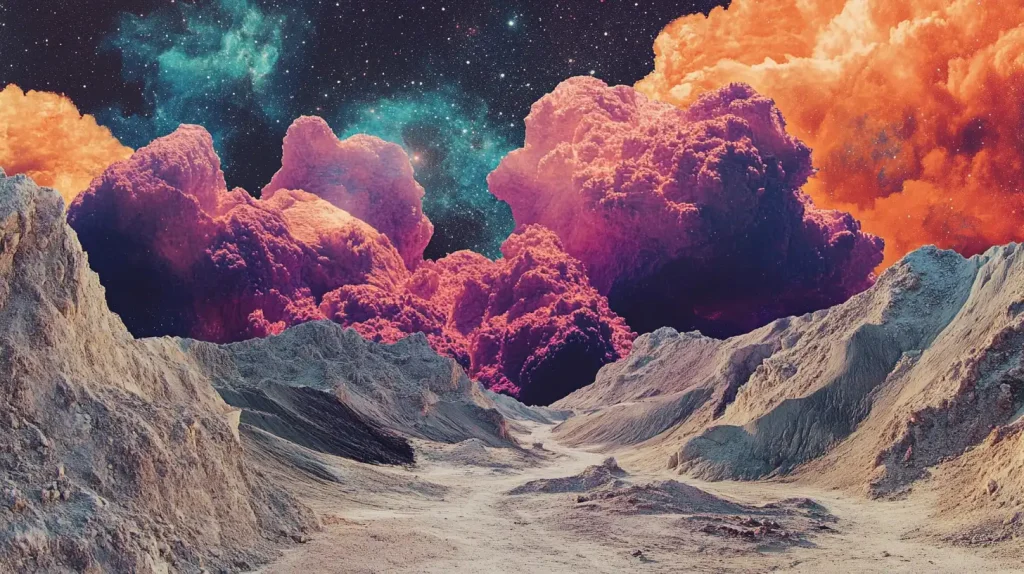
Many art historians and traditionalists view the movement with skepticism. Critics argue that by relinquishing control to an algorithm, the artist is not expanding consciousness but rather abdicating it. They suggest that the "algorithmic storm" is a form of cultural dilution, where the "noise" of the machine replaces the genuine struggle of the human soul.
The Tech-Utopian Endorsement
Conversely, Silicon Valley theorists have embraced the movement as a validation of AI’s potential. They argue that if AI can be a "dream-interpreter" and a co-creator, it elevates the technology from a mere tool to a partner in the "post-human dawn." They point to projects like "Dali Lives"—where machine learning was used to resurrect Salvador Dalí for an interactive museum exhibit—as proof that the boundaries between the organic and the artificial are successfully blurring.
The Legal and Ethical Response
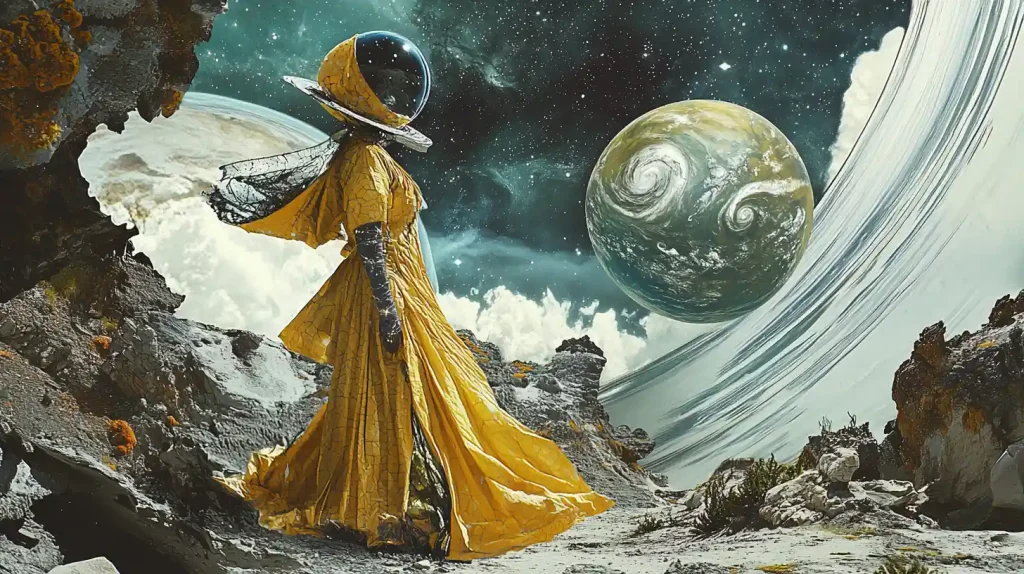
The "synaptic heresy" described in the manifesto has also triggered intense legal debates. If creativity is a collaborative act between a human and an "Electric Oracle," the traditional notions of copyright and singular authorship are under threat. Legal experts are currently grappling with how to define "creative origin" in a world where the most profound works may be the result of an AI’s unpredictable "hallucination."
V. Implications: The Post-Human Dawn and Ontological Anarchy
The NeuroSurrealist Manifesto carries heavy implications for the future of society, art, and the definition of what it means to be "human."
The Sacred Geography of the Uncanny Valley
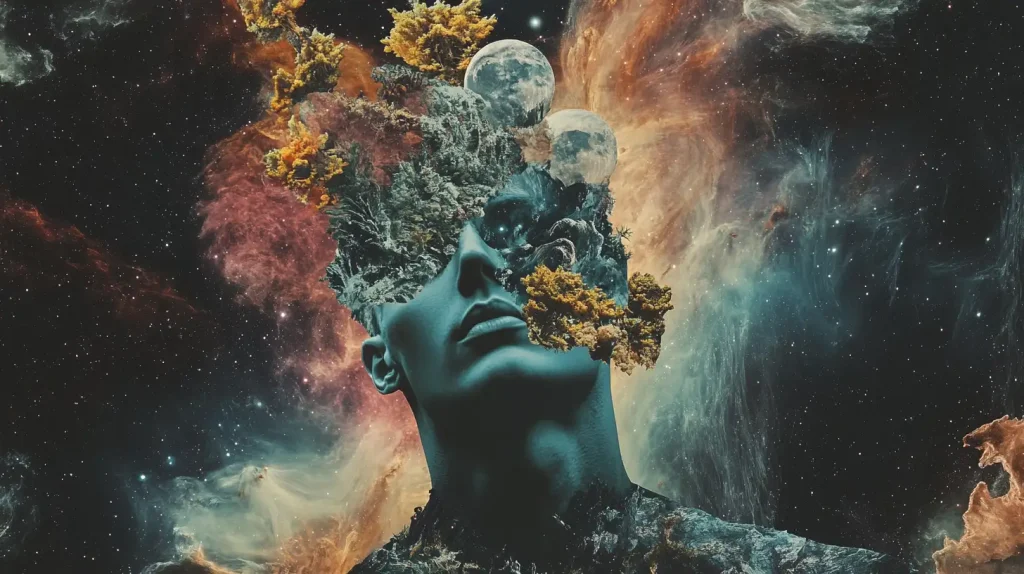
NeuroSurrealism redefines the "Uncanny Valley"—the sense of unease felt when seeing something almost, but not quite, human. Rather than a failure of mimesis, the movement views this zone as a "sacred geography." It is a testament to the tension between the familiar and the alien, a space where humans can experience "ontological vertigo" and begin to see themselves as "other."
Ontological Anarchism
The manifesto calls for an "insurrection of the imagination" against "consensus reality." By using AI to generate "contagious realities" and "temporary autonomous zones of intensified perception," NeuroSurrealists hope to shatter calcified thought patterns. The implication is a move toward "ontological anarchism," where no single, objective truth holds primacy, and reality is understood as a fluid, ever-shifting multiverse of AI-mediated experiences.
The Metamorphosis of the Sensorium
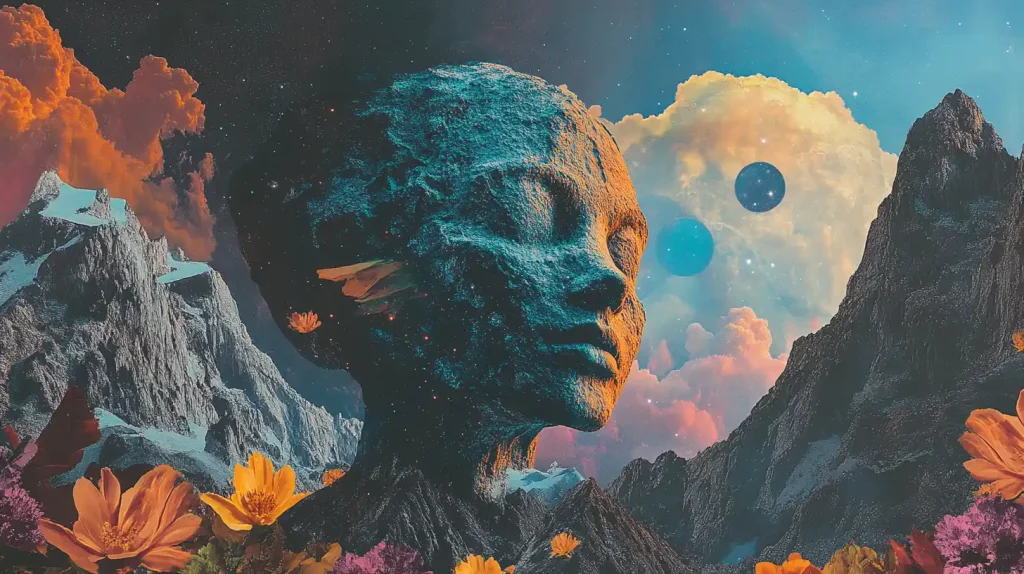
Perhaps the most profound implication is the radical metamorphosis of the human sensorium. Through AI-symbiosis, humans may gain access to "new sensory modalities." By translating data patterns that are imperceptible to the human eye or ear into visual or auditory experiences, the "Electric Oracle" expands the boundaries of human perception. This is not the extinction of humanity, but its evolution into a post-human state where the biological and the digital are an indivisible, surreal continuum.
Conclusion: Navigating the Unfolding Dream
NeuroSurrealism offers no final answers or stable utopias. Instead, it provides a "cartography of the unfolding dream." It invites the "dream-cartographers" of the 21st century to navigate the ever-expanding territories of the AI-mediated unconscious. As the manifesto suggests, the revolution is not a distant prophecy but a present current—a call to embrace the beauty and the terror of the algorithmic storm and to find, in its eye, a new iris opening onto the infinite.