The Wholesome Evolution of Rail Puzzles: Exploring Locomochi’s Innovative Approach to Cozy Gaming

The landscape of independent puzzle gaming is often characterized by cycles of thematic saturation. In recent years, the "train-based puzzle" sub-genre has seen a significant influx of titles, ranging from the logic-heavy track-laying of Railbound to the high-stress logistics of Train Valley. However, a new contender recently showcased at Pocket Gamer Connects (PGC) Barcelona is attempting to shift the tracks toward a more serene, experimental experience.
Locomochi, an upcoming title currently available for wishlisting on Steam, represents a departure from the rigid, "correct-path" philosophy that governs most locomotive simulators. By blending the "cozy gaming" aesthetic with non-linear movement mechanics and a unique emoji-based narrative system, Locomochi is positioning itself as a standout entry in a crowded field.
Main Facts: A New Engine in the Puzzle Genre
Locomochi is a stylized, wholesome puzzle game that places players in control of a small, versatile train engine. Unlike traditional rail games that focus on building tracks or managing schedules under pressure, Locomochi focuses on the tactile joy of movement and the spatial reasoning required to maneuver a multi-segmented vehicle through intricate environments.
Key Features at a Glance:
- Non-Linear Navigation: Players can move both forward and backward, utilizing the rear of the engine to connect with various wagons.
- Wholesome Narrative: The game eschews traditional dialogue in favor of an emoji-based communication system, making it accessible to a global audience and reinforcing its lighthearted tone.
- Stress-Free Design: There are no timers, no "game over" screens, and no permanent fail states. The focus is on experimentation and "tinkering" with the environment.
- Interactive Environments: Levels are filled with levers, switches, and hidden paths that require active manipulation to unlock new routes and delivery objectives.
The game first gained significant industry attention during the PGC Barcelona event, where its intuitive controls and charming art style resonated with both mobile and PC gaming scouts. Developed with a "play at your own pace" philosophy, it aims to capture the same audience that turned titles like Unpacking and Dorfromantik into sleeper hits.
Chronology: From Concept to PGC Barcelona
The journey of Locomochi follows a trajectory common among modern indie "passion projects" that find their footing through industry showcases.
The Development Phase
While the specific founding date of the project remains under wraps by the developers (associated with the Gamflix label), the game’s design philosophy suggests a lengthy period of iteration on movement physics. Early development focused on the "feel" of the train—ensuring that the act of hitching a wagon felt rewarding rather than cumbersome.
The PGC Barcelona Showcase
The pivotal moment for Locomochi occurred at Pocket Gamer Connects Barcelona. PGC is a premier global series of conferences for the mobile games industry, though it increasingly serves as a bridge for "cross-platform" indie titles. In a sea of high-octane hyper-casual games and complex RPGs, Locomochi’s "cozy" aesthetic provided a sharp contrast.
Attendees noted that the game’s primary hook—the ability to drive backward to solve puzzles—was a "eureka moment" for many players. In most train games, the engine is a forward-facing entity; Locomochi treats the train more like a versatile tool, allowing for a level of spatial freedom rarely seen in the genre.
The Steam Transition
Following the positive reception in Barcelona, the developers moved toward formalizing the game’s presence on PC. The launch of the Steam wishlist page and the release of the "Reveal Trailer" marked the transition from a tech demo/prototype to a commercial product. As of late 2024, the game remains in the "Wishlist" phase, with the developers using the gathered feedback to polish the level design and environmental interactions.
Supporting Data: The Mechanics of "Mochi" Movement
To understand why Locomochi is attracting attention, one must look at the data of its mechanics. The game operates on a "segment-based logic" system.
Spatial Reasoning and Articulation
In traditional puzzle games, the player character is often a single point (a block, a person). In Locomochi, the "player" is an expanding line. Every time a wagon is attached, the physics of the player’s movement change. The "turning circle" of the train, the length required to clear a switch, and the weight of the cargo all play a role in how a level is navigated.
The "Anti-Timer" Trend
Market data from the last three years suggests a massive shift in player preferences toward "low-anxiety" gaming. According to industry reports on the "Cozy Games" phenomenon, titles that remove the threat of failure see higher retention rates among non-traditional gamers. Locomochi leans heavily into this, providing a "sandbox" feel within a structured puzzle environment.
Emoji-Based UI/UX
The choice to use emojis for communication is not merely an aesthetic one; it is a data-driven localization strategy. By removing text-heavy tutorials and dialogue, the developers eliminate the need for expensive translation services across dozens of languages. This "Universal Language" approach allows the game to be marketed globally from day one, ensuring that a player in Tokyo and a player in London receive the exact same narrative experience.
Official Responses: Design Philosophy and Artistic Vision
While formal press releases have been concise, the creative direction behind Locomochi, as seen through its presentation at Gamflix and PGC, highlights a specific vision for the future of the genre.
On Innovation within Familiarity
The developers have expressed a desire to subvert the "train game" trope. In early interviews and showcase presentations, the sentiment was clear: "We wanted to take something everyone understands—a train on a track—and remove the rules that make it feel like work." By removing the concept of a "correct way" to face on a track, they have effectively turned a locomotive into a puzzle-solving crane.
On the "Wholesome" Aesthetic
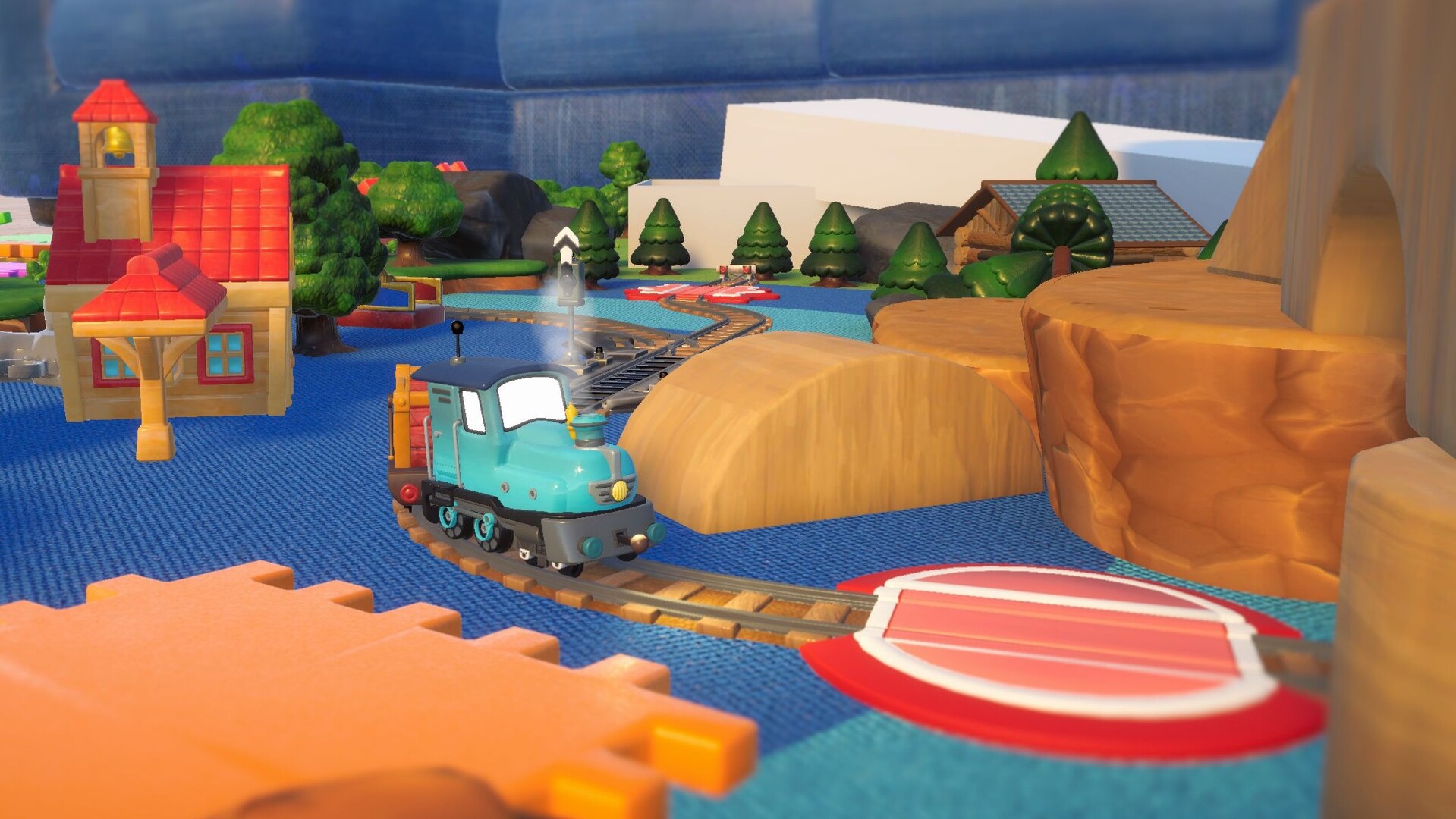
The visual palette of Locomochi—soft pastels, rounded edges, and "squishy" animations (evoking the mochi of its title)—is a deliberate choice to foster a "flow state." The goal is for players to feel a sense of "wholesome accomplishment" rather than "victory over a challenge." This distinction is key to the game’s branding.
On Community Engagement
The push for Steam wishlists is a strategic move to gauge community interest in specific level themes. The developers have signaled that the "Countryside" levels shown in early trailers are just the beginning, with more varied biomes planned based on player feedback and "wishlist milestones."
Implications: The Future of the Puzzle Genre
The emergence of Locomochi has several implications for the broader gaming industry and the indie development scene.
1. The Refinement of the "Cozy" Sub-genre
For a long time, "cozy" was synonymous with farming simulators. Locomochi proves that the cozy aesthetic can be successfully applied to mechanical and logic-based puzzles. This opens the door for other "industrial" themes—mining, construction, or shipping—to be reimagined through a lens of relaxation rather than efficiency.
2. Accessibility as a Core Design Pillar
By utilizing non-verbal communication and removing time constraints, Locomochi sets a high bar for accessibility. It is a game that can be played by young children, seniors, and individuals with cognitive or motor speed challenges without any loss of the core experience. This inclusivity is becoming a major selling point for indie publishers.
3. The Importance of "Tinkering"
Locomochi highlights a shift toward "tinkering" mechanics. In a world of highly scripted AAA experiences, there is a growing appetite for games that act as digital toys. The ability to flip switches, reverse into sidings, and simply "see what happens" without being punished is a powerful draw for modern audiences.
4. The "Steam-First" Strategy for Mobile-Friendly Games
Despite its showing at a mobile-centric conference like PGC Barcelona, the focus on a Steam release first suggests that developers are finding more value in the "premium" PC market for puzzle games before porting to mobile. This allows for higher-fidelity graphics and a more dedicated initial fan base, which can then drive organic growth when the game eventually hits the App Store or Google Play.
Conclusion: A Track Worth Following
Locomochi is more than just another train game; it is a testament to how subtle shifts in perspective—like allowing a train to drive backward or replacing text with emojis—can rejuvenate a tired genre. It stands as a bridge between the high-logic demands of traditional puzzles and the emotional comfort of the "wholesome" gaming movement.
As the game moves closer to an official release date, it remains a title to watch for anyone interested in the intersection of clever design and relaxing gameplay. For now, the "Countryside" awaits, and for those ready to leave the stress of the "correct path" behind, Locomochi offers a scenic route worth taking.
Status: Available for wishlisting on Steam.
Release Date: To Be Announced.
Developer/Publisher: Gamflix / Indie Collective.