Resonance: A Plague Tale Legacy Review – A Bold Evolution Forging a New Path

Asobo Studio’s latest installment in the acclaimed "A Plague Tale" series, "Resonance: A Plague Tale Legacy," bravely ventures into uncharted territory, weaving a narrative that is both a compelling prequel and a significant evolution for the franchise. While initial concerns about the introduction of more robust combat mechanics might have seemed a departure from the series’ established strengths, "Resonance" masterfully integrates these new elements, proving that innovation can lead to the franchise’s most potent and surprising entry yet. This is not just another chapter; it’s a bold redefinition, cementing its place as one of the year’s most exceptional gaming experiences.
The Verdict: A Masterpiece of Evolution
Beautiful, creative, and consistently surprising, "Resonance: A Plague Tale Legacy" charts a new course for the acclaimed series, evolving its core tenets in breathtaking fashion. This installment stands as a testament to Asobo Studio’s daring vision and masterful execution, delivering an experience that is not only one of the year’s best games but also a strong contender for the franchise’s pinnacle.
Introduction: A Pre-Launch Apprehension
The announcement of "Resonance: A Plague Tale Legacy" was met with a unique blend of excitement and trepidation. The prospect of Sophia, a formidable pirate introduced in "A Plague Tale: Requiem," leading her own prequel adventure, complete with dedicated melee combat, raised eyebrows. For many, "A Plague Tale" had carved a distinct niche, a poignant fusion of stealth, intricate puzzles, the pervasive threat of plague-ridden rats, and deeply human characters navigating medieval despair. The shift towards a more action-oriented combat system felt, to some, like a potential dilution of this carefully crafted identity. The question loomed: did the series, so adept at quiet dread and emotional resonance, truly need to embrace the visceral clang of steel in the vein of established action titles?
However, as players will discover, the combat, while present and competent, is far from the central pillar of "Resonance." It serves as an enhancement rather than a replacement, a new texture added to the rich tapestry that defines "A Plague Tale." This understanding is crucial to appreciating the true brilliance of "Resonance," a game that prioritizes its narrative, atmosphere, and environmental storytelling above all else.
The Core Pillars: Combat, Exploration, and Environmental Storytelling
Combat: A Refined Accent, Not the Main Melody
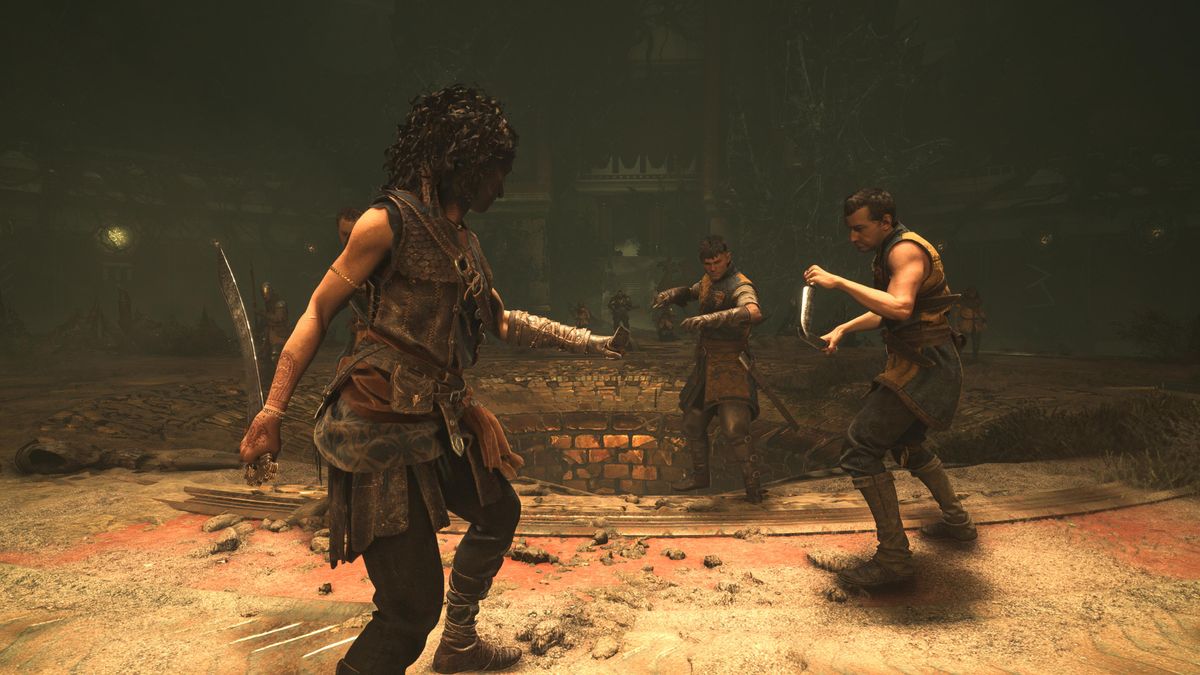
The combat system in "Resonance" is undeniably functional. Sophia, a nimble and capable fighter, engages in melee encounters with a fluid grace. The mechanics incorporate parrying, dodging, and environmental interactions, offering satisfying moments such as kicking adversaries off precarious ledges or into ancient chasms. The core loop revolves around staggering opponents – by targeting shield-bearers or utilizing environmental distractions – to create openings for decisive finishing blows. This approach, while familiar, is executed competently. An upgrade tree allows for character progression, unlocking abilities like faster dodges and dual kicks, while newly discovered weapons offer tactical buffs and debuffs, adding a layer of strategic depth.
Yet, when juxtaposed with titles that place melee combat at their very heart, such as the stylish action of "Devil May Cry 5" or the weighty combat of "God of War," "Resonance’s" fighting system feels comparatively rudimentary. This is particularly evident during the "vision resonances" – sequences where Sophia relives the trials of Theseus in ancient Minoan settings. These gladiatorial encounters, while visually striking, primarily rely on a repetitive parry-and-counter rhythm, failing to significantly advance the combat mechanics. By the game’s conclusion, Sophia’s swordsmanship often surpasses that of the legendary hero she is emulating.
Crucially, the game never allows combat to eclipse its established identity. The narrative thread remains taut, drawing players deeper into the mysteries of the island. The familiar blend of stealth, puzzle-solving, and exploration, hallmarks of the "A Plague Tale" series, are not merely present; they are elevated. The sense of place, the creeping dread, and the uncanny transformation of beautiful landscapes into scenes of grim decay are all more potent than ever before.

Exploration: A Familiar Yet Evolving Landscape
The island of Minos serves as a sprawling, ancient playground for Sophia’s adventure. The gameplay encourages exploration, featuring a wealth of hidden tombs, secret passages, and intricate ancient mechanisms. While these elements might evoke comparisons to "Tomb Raider," "Resonance" never forgets its lineage. Asobo Studio’s unparalleled eye for environmental design ensures that even following the most obvious path is a rewarding experience. The allure of what lies around the next corner, the next cryptic clue about the island’s calamitous past, is a constant driving force. The crumbling ruins whisper tales of ancient cataclysms, compelling players to uncover every secret.
Environmental Storytelling: The Macula’s New Form
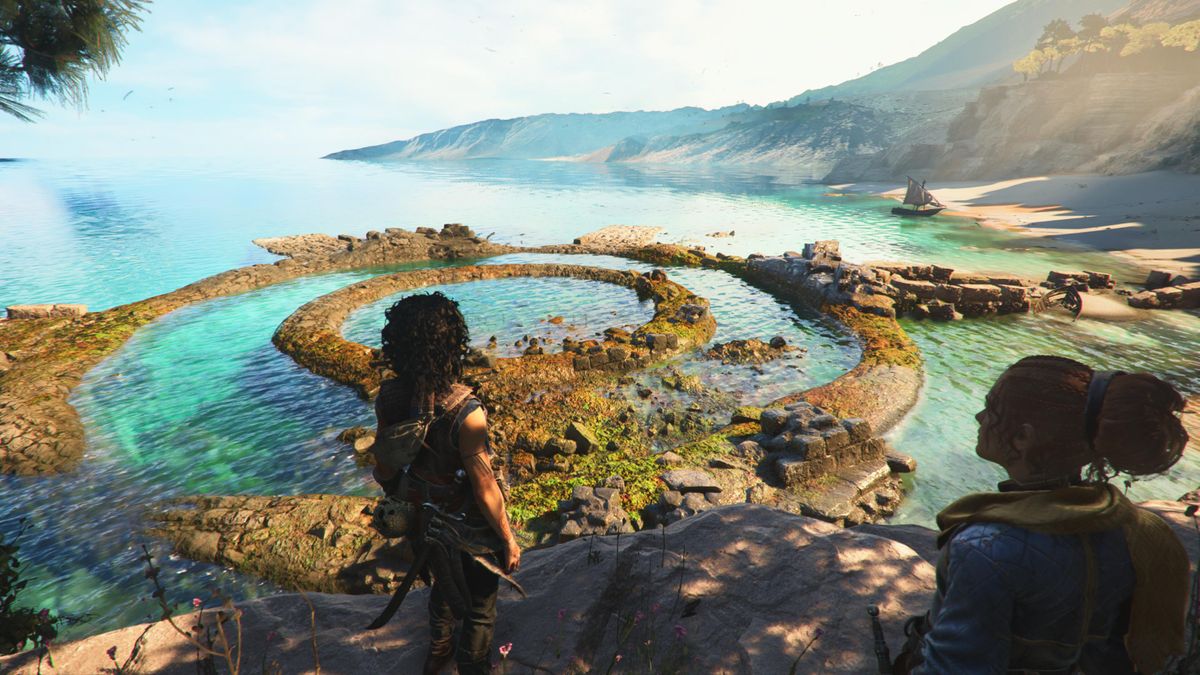
The visual artistry of "Resonance" is a significant contributor to its success. The game masterfully transitions from vibrant, sun-drenched vistas to claustrophobic, decay-ridden tombs. The ancient Minoan structures, bathed in brilliant blue skies and overlooking clear waters, gradually give way to subterranean catacombs where the Macula, the series’ supernatural blood infestation, manifests in new and terrifying ways.
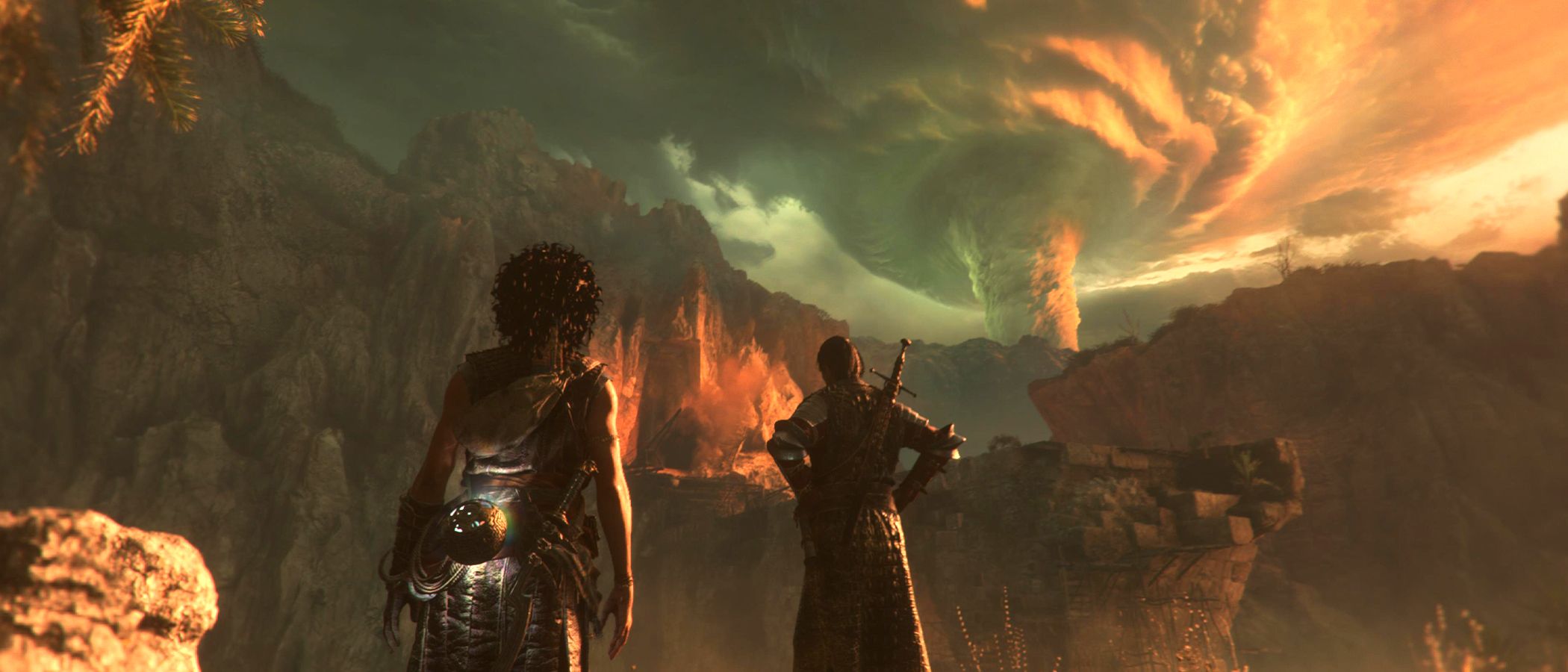
A particularly striking late-game sequence showcases a sunrise illuminating orange rocks and temple ruins, creating an almost impossibly beautiful panorama. This stark contrast amplifies the horror of the uglier entities lurking beneath the surface. The Macula’s presence is no longer solely defined by the swarming rats; "Resonance" introduces a new, unsettling manifestation: worm-like creatures that thrive on luminous dust. These entities track Sophia by the glowing particles she leaves in her wake, forcing players to meticulously consider their movements. This mechanic injects a novel layer of tension, transforming the environment itself into both a potential hazard and a stealth opportunity.
The artistic design of these new creatures is a chilling evolution of the rat horde. They fear light, and their consumption of the luminous dust is depicted with a visceral, almost rhythmic visual effect. The screen becomes alive with glowing particles being siphoned from the air as the creature draws closer, its breathing deepening and becoming more urgent. This creates moments of profound stillness and anticipation, where players are compelled to wait, watching the ebb and flow of the ethereal dust, for the danger to subside.
Chronology and Narrative Progression: From Carefree Adventure to Grim Revelation
The Genesis of Sophia’s Journey
"Resonance: A Plague Tale Legacy" serves as a prequel to both "A Plague Tale: Innocence" and "A Plague Tale: Requiem," charting Sophia’s quest to unravel the mysteries of her past on the enigmatic island of Minos. From the outset, Sophia presents a stark contrast to Amicia, the series’ established protagonist. A confident pirate with a swagger to her step, Sophia imbues the early stages of the game with a lively, almost carefree spirit, especially during her travels with her companion, Leni. There’s a palpable sense of youthful adventure, a feeling of stumbling into something exciting, which the game allows players to savor for a time.
The Descent into Darkness
However, this initial sense of levity is deliberately short-lived. As Sophia delves deeper into the island’s secrets, the narrative takes a darker turn, introducing visions and supernatural elements. The game’s progression is not a simple switch from light to dark; rather, Sophia’s own attitude shifts dramatically as she uncovers the island’s grim realities. Her initial excitement and curiosity morph into fear, remorse, and a dawning realization that her blade cannot solve every problem. This emotional arc is expertly conveyed through strong voice acting and nuanced character performance.
The Macula’s Grasp: Environmental and Mechanical Evolution
The environmental transformation mirrors Sophia’s emotional journey. The spectacular open spaces, bathed in sunlight and adorned with ancient statues, gradually give way to oppressive tombs and catacombs. Here, the Macula’s insidious influence is palpable, with walls seemingly crawling with its remnants. The glowing dust mechanic is a prime example of this evolution. Players must navigate carefully, mindful of their footprints and the trails they leave behind. Lighting cauldrons to create safe zones becomes essential, and moving slowly and crouched minimizes dust dispersal. However, true security remains elusive. The constant awareness of the dust, the hushed sounds of pursuit, and the precarious balance between running for safety and crawling through the shadows create a novel and deeply effective sense of risk and reward. This mechanic, while distinct from the rat swarms, evokes the same primal tension that has always defined the "A Plague Tale" experience.

The horror escalates further with the introduction of desiccated, mannequin-like figures. Initially appearing as mere environmental dressing, these figures animate and relentlessly pursue Sophia. Much like the rats in previous installments, making too much noise can lead to an overwhelming swarm, underscoring the series’ commitment to delivering terrifying encounters.
Supporting Data and Gameplay Mechanics
Puzzles: The Illuminating Evolution
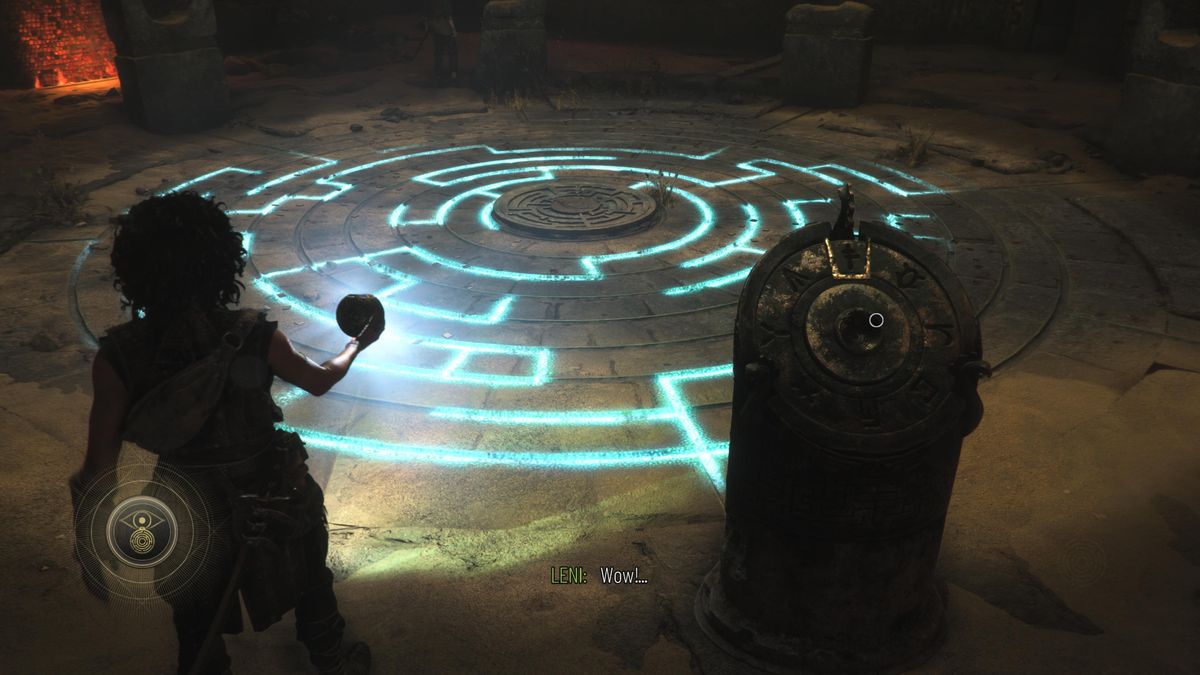
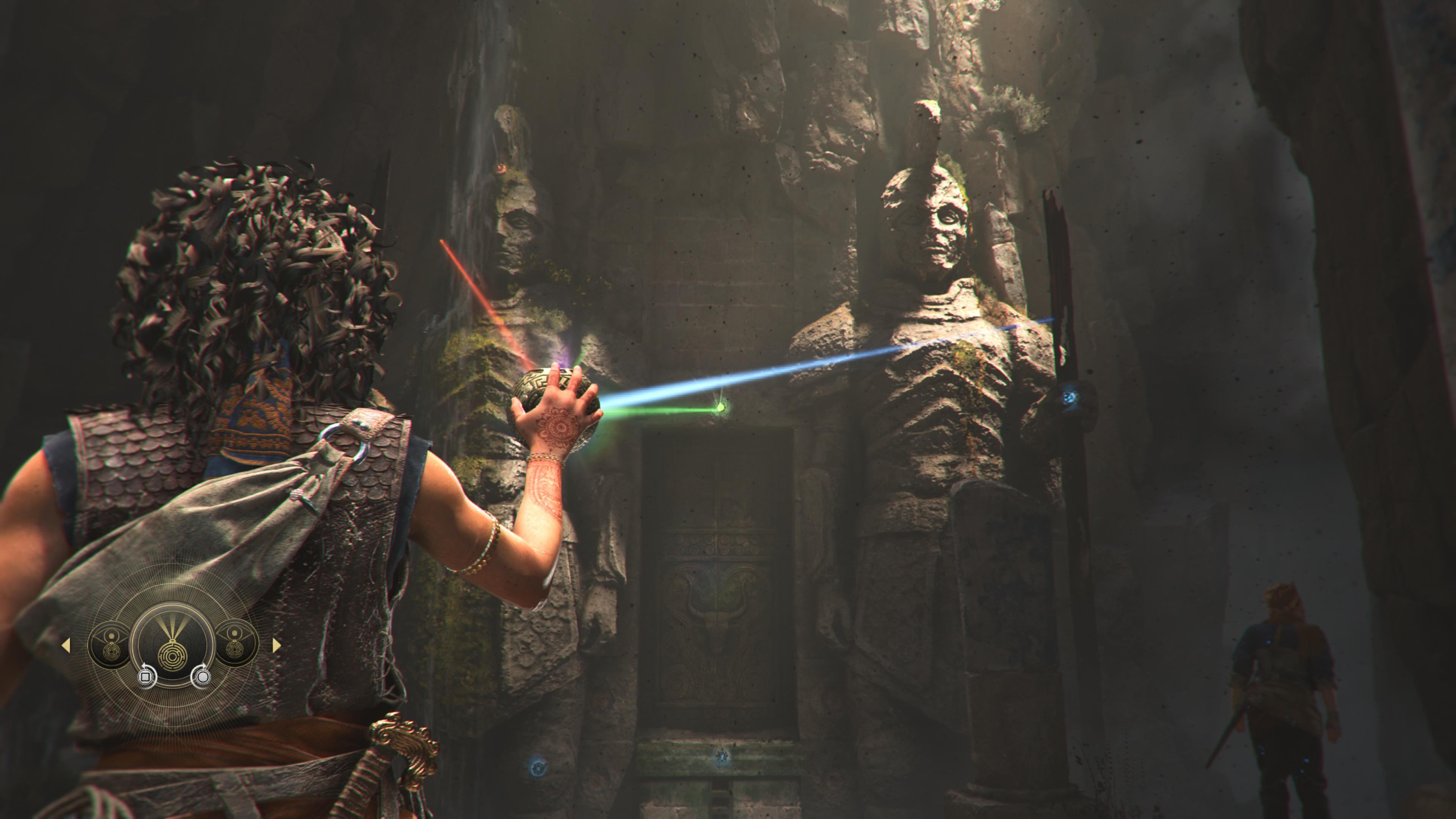
The puzzle design in "Resonance" centers around light manipulation, a natural extension of the series’ established mechanics. Sophia wields an ancient golden sphere that can be upgraded throughout her journey. This sphere can refract light into prisms for color-matching puzzles, reveal hidden messages and clues, and eventually emit a focused beam with practical applications. While the puzzles are not exceptionally difficult – the reviewer notes only two that truly required significant contemplation – their thematic consistency is a significant strength. The act of manipulating light feels intrinsically linked to the core "A Plague Tale" experience, reminiscent of the strategic use of torches and darkness in earlier titles. This thematic resonance solidifies "Resonance" as a natural evolution of the series’ core gameplay loop.
Narrative Threads: Unraveling Ancient Mysteries
The narrative of "Resonance" intricately weaves together Sophia’s personal journey with the ancient history of the Minoan civilization. The story delves into the roles of the Carrier, the Protector, and the Macula, revealing how these ancient forces become intertwined with Sophia’s choices and destiny. The pleasure of "Resonance" lies in witnessing these pieces connect organically, explaining Sophia’s profound connection to this particular narrative. The game excels at drawing parallels, particularly in Sophia’s initial belief in her own capability, only to confront challenges that transcend brute force or cleverness. This emotional progression is more compelling than a mere enhancement of her combat prowess. As in "Requiem," no character is entirely safe, and the ever-present threat of gruesome death imbues every plot twist with a potent emotional weight, a hallmark of the "A Plague Tale" series. By its final act, "Resonance" fully embraces the series’ most potent strengths, delivering a narrative that is simultaneously miserable, beautiful, frightening, and surprisingly heartfelt.
Official Responses and Developer Intent
While specific official statements regarding the design philosophy of "Resonance" beyond marketing materials are not detailed in the provided text, the game’s direction strongly suggests a conscious effort by Asobo Studio to expand the franchise’s horizons without sacrificing its core identity. The integration of combat appears to be a calculated risk, intended to offer players a more dynamic experience while simultaneously exploring the character of Sophia through a different lens. The continued emphasis on environmental storytelling, puzzle-solving, and character-driven narrative indicates a commitment to the foundational elements that have resonated with players. The evolution of the Macula’s threat, moving beyond the rat hordes to new, visually distinct manifestations, points to a desire for creative innovation within the established lore.
Implications for the Future of "A Plague Tale"
"Resonance: A Plague Tale Legacy" leaves the future of the "A Plague Tale" series brimming with potential. The game’s success in blending new mechanics with established strengths suggests that Asobo Studio is not afraid to experiment. The introduction of a broader world and more complex narrative threads opens up numerous possibilities for future installments. The expanded lore, the deeper exploration of the Macula’s origins and manifestations, and the potential for new protagonists or continuations of existing character arcs all point towards a franchise that is not only enduring but also evolving in exciting and unexpected ways.
The lingering questions and narrative threads left dangling at the end of "Resonance" promise a richer, stranger world for Asobo Studio to explore. The series has proven its ability to remain true to itself while charting new territories, and "Resonance" stands as the most compelling testament to this enduring strength. For all initial reservations, this latest entry is not just the strongest in the series to date; it is a bold statement of artistic intent and a beacon of what innovative storytelling in video games can achieve.
Details:
- Publisher: Focus Entertainment
- Developer: Asobo Studio
- Release Date: August 27
- Format: PlayStation 5 (reviewed), Xbox Series X/S, PC
- Platform: Proprietary