Beyond the Screen: Spike Jonze’s Favorite Pen Offers a Tangible Echo of "Her" in Our AI-Driven World
San Francisco, CA – October 26, 2026 – In a world increasingly shaped by the seamless integration of artificial intelligence, the lines between our digital and physical realities are blurring at an unprecedented pace. The year 2026 feels remarkably akin to the speculative future envisioned by filmmaker Spike Jonze in his critically acclaimed 2013 masterpiece, Her. The film, which explored the profound emotional connections humans could forge with advanced AI operating systems, no longer feels like a distant cinematic prophecy. With the ubiquitous rise of conversational AI like ChatGPT and its contemporaries, the notion of forming intimate bonds with artificial intelligence has transitioned from science fiction to a palpable, albeit nascent, reality.
Now, for those seeking an even deeper, more tangible connection to Jonze’s poignant exploration of human-AI relationships, an unexpected artifact has emerged: his favorite pen. The humble yet cherished Marvy Uchida LePen, a seemingly ordinary writing instrument, has unexpectedly found itself at the nexus of cutting-edge technology and artistic expression, offering a physical anchor to the digital intimacy that defines our current era.
The Unlikely Endorsement: A Director’s Discovery
The revelation came to light during a recent visit to Figma’s annual Config conference in San Francisco. Amidst discussions of collaborative design tools and the future of digital interfaces, Spike Jonze, the visionary director behind films like Her, Being John Malkovich, and Adaptation, took the stage. To the surprise of many in attendance, including this correspondent, Jonze diverged from the typical discourse on digital creation to passionately extol the virtues of a rather unassuming stationery item: Marvy Uchida’s LePen.
"I’ve been using them for years," Jonze reportedly shared, his voice carrying a genuine enthusiasm that resonated through the auditorium. "They’re just… they’re the best." This personal endorsement, coming from a filmmaker renowned for his unique artistic vision and meticulous attention to detail, lent an immediate and unexpected gravitas to the humble pen. For many who attended, including myself, the familiarity of the LePen was already established; it had been a reliable companion for years. However, hearing it championed by a filmmaker whose work has so profoundly captured the evolving landscape of human connection added a new dimension to its appeal. It was a poignant reminder that even in an age of ubiquitous screens and digital interfaces, the act of putting pen to paper, and the tools that facilitate it, retain a unique significance.
Marvy Uchida LePen: A Symphony of Color and Precision
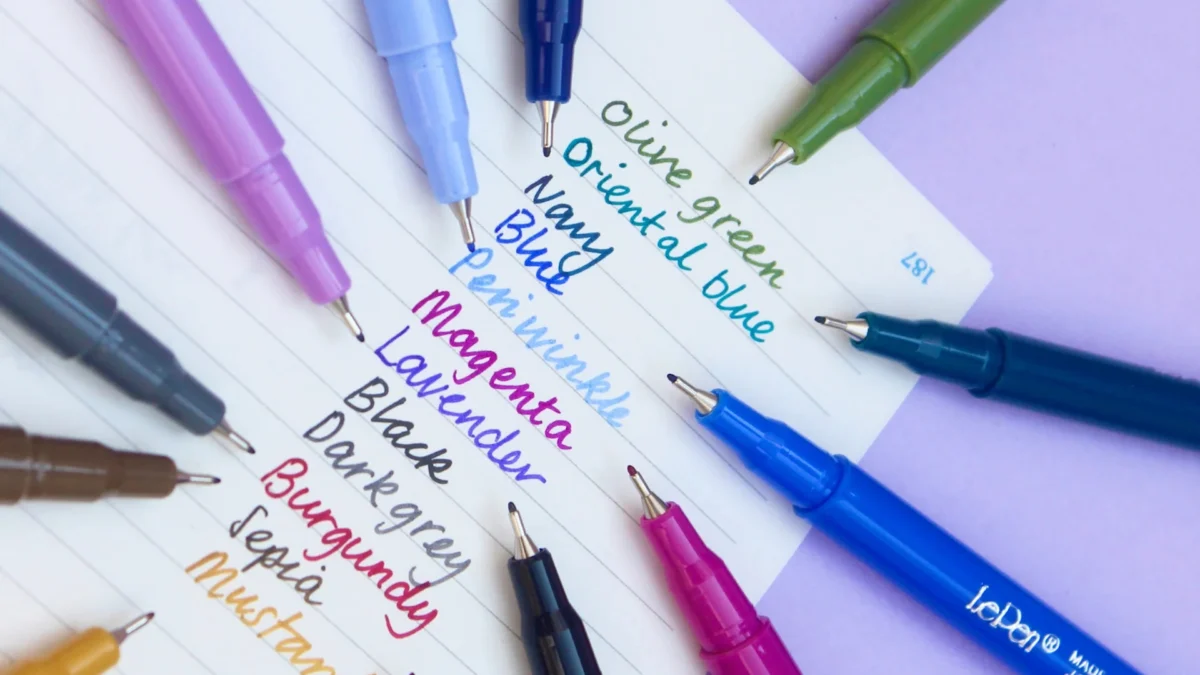
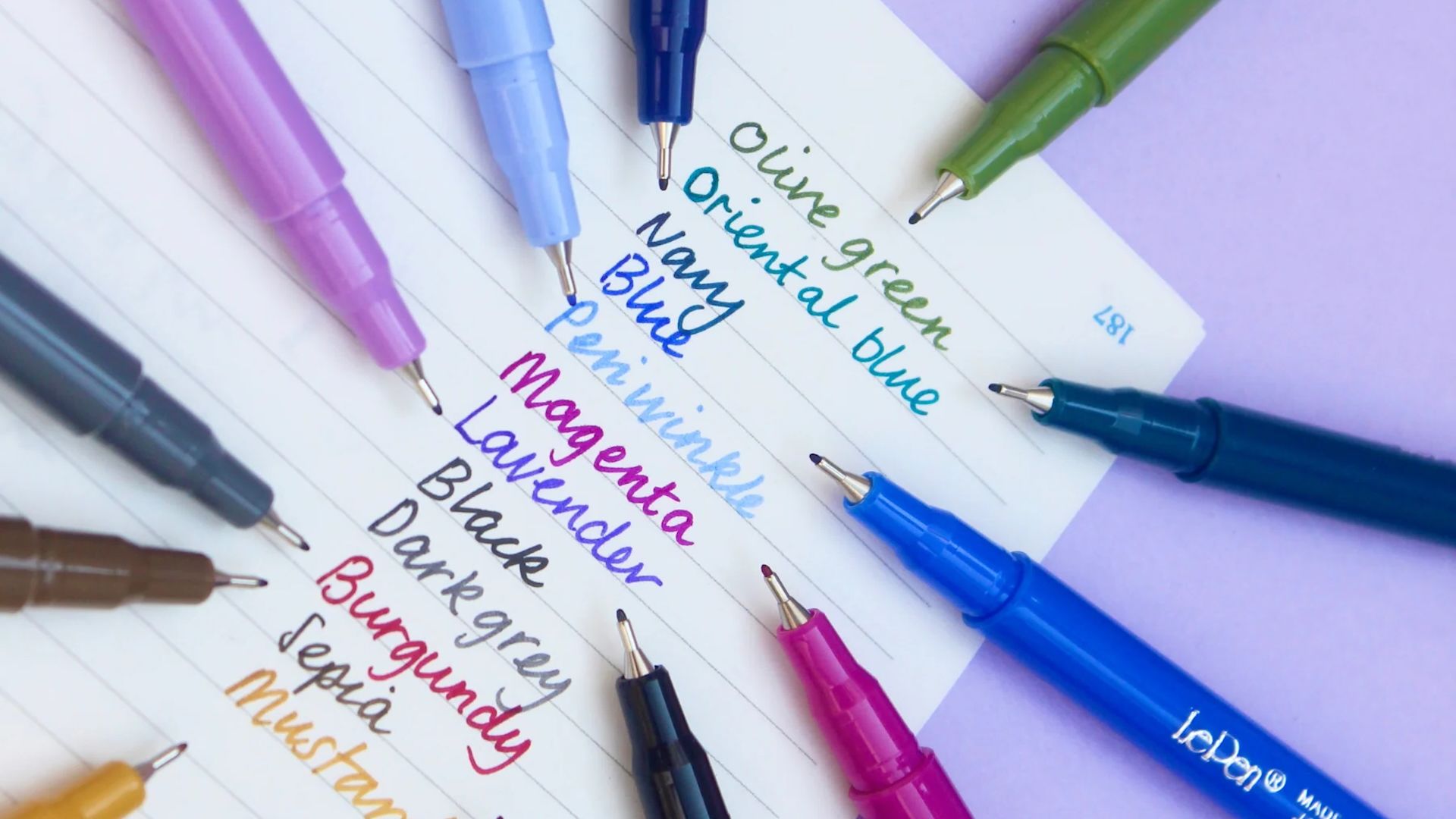
The Marvy Uchida LePen is more than just a writing tool; it is a testament to thoughtful design and accessible artistry. Available in an astonishing spectrum of vibrant hues, these pens are designed to ignite creativity and facilitate precise expression. Their appeal lies not only in their aesthetic versatility but also in their exceptional performance and affordability, a rare trifecta in today’s consumer market.
At the heart of the LePen’s functionality is its ultra-thin 0.3mm fineliner tip. This fine point offers unparalleled accuracy, making it ideal for detailed illustration, intricate note-taking, bullet journaling, and any task requiring meticulous control. Whether sketching delicate lines, meticulously annotating documents, or crafting precise lettering, the LePen delivers a consistent, crisp output without skipping or feathering. This level of precision is often found in more expensive, specialized art supplies, making the LePen a remarkable find for artists, designers, and students alike.
Beyond its technical prowess, the pen’s design emphasizes comfort and ease of use. It is remarkably lightweight, a crucial factor for extended writing or drawing sessions. This ergonomic consideration minimizes hand fatigue, allowing users to maintain focus and flow without discomfort. The combination of a slender profile and minimal weight contributes to a writing experience that feels fluid and natural, further enhancing its appeal to those who spend significant time with a pen in hand.
The Unbeatable Value Proposition: A Steal in a World of Luxury
In an era where luxury writing instruments can command prices in the thousands, the Marvy Uchida LePen presents a compellingly democratic alternative. The retail price of a pack of 12 LePens typically hovers around $17.50, translating to an astonishingly low cost of approximately $1.48 per pen. This remarkable affordability positions the LePen as an accessible yet high-quality option for a broad demographic, from students on a budget to seasoned professionals seeking reliable tools.
To put this into perspective, consider the burgeoning market for "luxury" pens. While these high-end instruments often boast exquisite craftsmanship, precious materials, and renowned brand prestige, their functional utility for everyday tasks often pales in comparison to their price tag. The LePen, on the other hand, offers superior precision and a delightful user experience at a fraction of the cost, proving that exceptional quality does not need to be prohibitively expensive. This value proposition is particularly significant in the context of the current economic climate, where consumers are increasingly seeking products that offer both quality and affordability.
The Chronology of Connection: From Digital Dreams to Tangible Tools
The journey from Spike Jonze’s cinematic exploration of human-AI relationships to his public endorsement of the Marvy Uchida LePen can be traced through several key moments and thematic developments:
-
2013: The Cinematic Genesis – Her Captures the Zeitgeist: Spike Jonze’s film Her is released, offering a prescient and emotionally resonant portrayal of a man who develops a deep and complex romantic relationship with an advanced AI operating system named Samantha. The film masterfully explores themes of intimacy, loneliness, and the evolving nature of human connection in an increasingly technological world. Its critical acclaim and cultural impact solidify Jonze’s reputation as a director capable of capturing the subtle nuances of human experience, even when mediated by technology.
-
The Rise of Conversational AI: In the years following Her‘s release, artificial intelligence, particularly in the realm of natural language processing and conversational agents, experiences exponential growth. Technologies like Siri, Alexa, and eventually, sophisticated language models like GPT-3 and its successors, begin to offer increasingly human-like interactions.
-
The Dawn of the "AI Companion" Era (Early 2020s): As AI capabilities advance, the concept of forming emotional bonds with artificial entities moves from speculative fiction to a more tangible possibility. Users begin to report feelings of companionship, reliance, and even affection towards AI chatbots and virtual assistants. This period sees a surge in research and public discourse surrounding the ethics and implications of human-AI relationships.
-
2025-2026: The Present Reality – Immersive AI Experiences: By 2026, AI has become deeply integrated into various aspects of daily life. Advanced AI is used for personalized education, sophisticated mental health support, creative assistance, and increasingly, for companionship. The experience depicted in Her begins to feel less like a hypothetical scenario and more like a potential trajectory for human interaction.
-
Mid-2026: The Figma Config Conference – Jonze’s Pen Revelation: Spike Jonze, while attending Figma’s Config conference, unexpectedly highlights his preference for Marvy Uchida LePens. This seemingly minor detail, when placed within the broader context of his filmography and the current technological landscape, takes on significant meaning. It suggests a deliberate choice by Jonze to embrace tangible, analog tools as a grounding counterpoint to the increasingly digital and abstract nature of modern relationships, even those he himself helped to envision. The pen becomes a symbol of a deliberate act of creation and connection in a world leaning towards virtuality.
Supporting Data: The Psychology of Tangible Tools in a Digital Age
The unexpected resonance of Jonze’s endorsement of the LePen can be further understood through several psychological and sociological lenses:
-
The "Her" Effect and Digital Disconnection: Her tapped into a latent anxiety about the potential for digital isolation despite increased connectivity. The film’s exploration of a deep, albeit artificial, connection resonated with audiences grappling with superficial online interactions and a yearning for genuine intimacy. The LePen, as a tangible tool for analog expression, offers a direct antidote to this potential digital detachment.
-
The Rise of "Analog Revivalism": In recent years, there has been a noticeable resurgence of interest in analog hobbies and tools. This includes the popularity of vinyl records, film photography, artisanal crafts, and, of course, high-quality stationery. This trend, often termed "analog revivalism," is driven by a desire for a more tactile, mindful, and less distracting experience. The LePen fits perfectly into this movement, offering a simple yet fulfilling analog interaction.
-
Neuroscience of Writing: Studies in neuroscience suggest that the physical act of writing by hand can enhance memory retention, cognitive processing, and creative thinking compared to typing. The tactile feedback and motor engagement involved in writing stimulate different areas of the brain, fostering deeper learning and idea generation. For a creative individual like Jonze, and for anyone seeking to engage with ideas more profoundly, the LePen provides an optimal tool for this cognitive engagement.
-
The "Author’s Choice" Phenomenon: When influential figures endorse products, it often sparks significant consumer interest. This is particularly true in creative fields. Jonze’s endorsement of the LePen, coming from a director celebrated for his artistic integrity, lends it an aura of authenticity and desirability. It suggests that this pen is not merely a writing instrument but a tool favored by a visionary for its ability to facilitate creative thought and expression.
Official Responses and Industry Implications
While there has been no formal "official response" from Marvy Uchida to Spike Jonze’s specific endorsement, the indirect impact is undeniable. The company, known for its consistent production of reliable and affordable art supplies, has likely seen an uplift in interest and sales due to the high-profile mention. This type of organic celebrity endorsement, especially from a respected figure in the creative industry, is invaluable for any brand.
From an industry perspective, this event highlights several key implications:
-
The Enduring Value of Analog Tools: In an increasingly digitized world, the appreciation for well-crafted analog tools remains strong. This event underscores that even as technology advances, there is still a significant market and a deep psychological need for tangible, physical objects that facilitate creation and connection.
-
The Power of Authenticity: Jonze’s endorsement felt genuine and personal, not like a paid advertisement. This authenticity is crucial for building trust and influencing consumer behavior. Brands that can foster genuine connections with their products, rather than relying solely on overt marketing, will likely see greater long-term success.
-
The Interplay of Digital and Analog: The narrative of Jonze’s favorite pen existing alongside his exploration of AI relationships is a powerful metaphor for our current moment. It suggests that the future is not purely digital but rather a harmonious blend of the virtual and the physical. Tools that bridge this gap, or that offer a valuable analog experience in a digital world, will continue to thrive.
The Broader Implications: Finding Humanity in the Algorithmic Age
The story of Spike Jonze and the Marvy Uchida LePen transcends a simple product review. It speaks to a broader human need for tangible connection, for the grounding experience of physical creation, and for the simple pleasures that can be found in well-designed, accessible tools. As we navigate an increasingly AI-mediated existence, the act of picking up a pen, feeling its weight, and watching ink flow onto paper can serve as a powerful reminder of our own humanity.
In the context of films like Her, which dared to ask profound questions about love, consciousness, and connection in the digital age, the choice of a simple, inexpensive pen by its director offers a poignant counterpoint. It suggests that even as we explore the frontiers of artificial intelligence and virtual relationships, the fundamental human desire for authentic, physical expression and connection remains. The LePen, in its unassuming way, becomes a symbol of this enduring human impulse, a small but significant anchor in a world that is rapidly transforming around us. It is a reminder that sometimes, the most profound connections can be forged not just through algorithms, but through the simple, tactile act of putting pen to paper.