The Final Piece of the Puzzle: Steam Frame Shipments and Backend Leaks Point to Imminent Launch
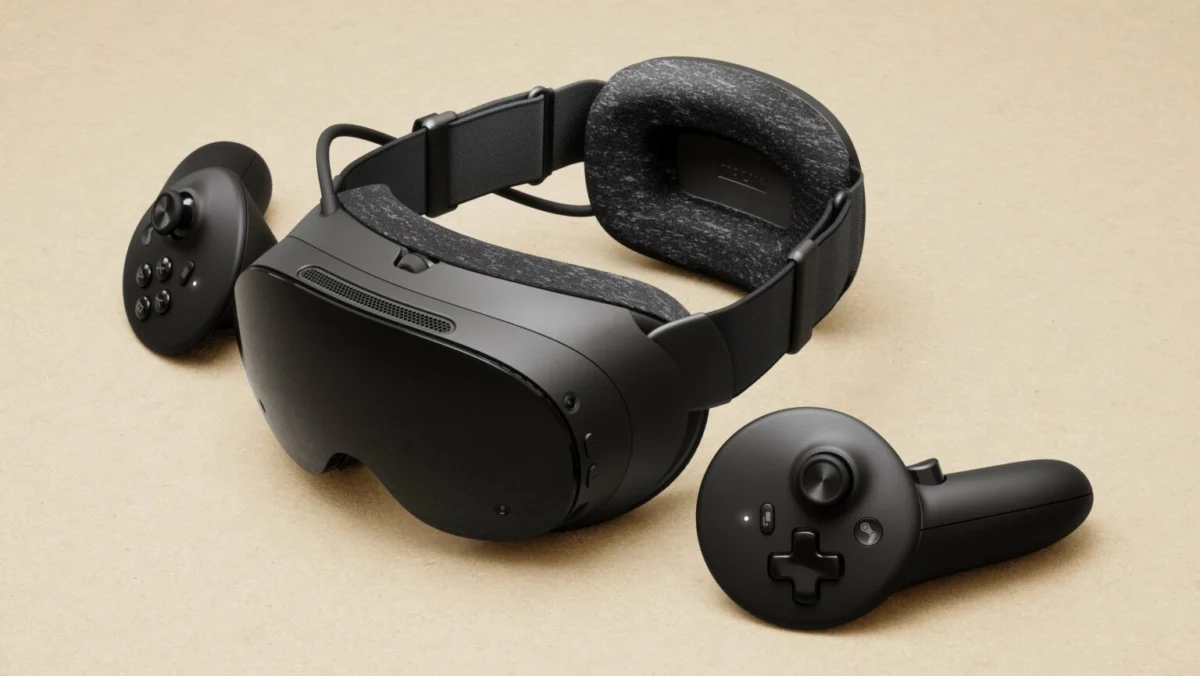
The landscape of PC gaming hardware is undergoing its most significant transformation since the original release of the Steam Deck. As Valve Corporation continues to pivot from a software-dominant powerhouse to a vertically integrated hardware manufacturer, the industry’s eyes are fixed on the final, most ambitious component of its 2026 hardware lineup: the Steam Frame. Following the successful, if premium, rollout of the new Steam Controller and the $1,049 Steam Machine, the Steam Frame VR headset remains the only unreleased product in Valve’s current roadmap.
Recent developments, ranging from international shipping manifests to deep-tissue updates within the Steam backend, suggest that the period of speculation is drawing to a close. Valve appears to be entering the final stages of inventory positioning, signaling that a formal price reveal and release date announcement are likely scheduled for the weeks immediately following the conclusion of the Steam Summer Sale.
Main Facts: What We Know About Steam Frame
The Steam Frame is not merely a successor to the Valve Index; it represents a fundamental shift in Valve’s philosophy toward virtual reality. Based on official descriptions and leaked documentation, the device is a high-end standalone VR headset powered by a dedicated version of SteamOS. While it functions as an independent unit capable of running games natively, its primary selling point is its "hybrid" nature—the ability to stream high-fidelity VR and non-VR content from a local PC via a proprietary low-latency wireless adapter.
Key technical specifications confirmed or strongly indicated include:

- Standalone Architecture: Built-in processing power capable of running SteamOS titles without a tether.
- Eye Tracking: Integrated sensors for foveated rendering and social expression.
- Wireless Connectivity: A dedicated 6GHz (Wi-Fi 6E/7) wireless adapter designed to minimize the latency issues that often plague third-party streaming solutions.
- The "Verified" Ecosystem: An expansion of the Steam Deck’s compatibility program to ensure games are optimized for the headset’s unique controls and display.
The most recent and compelling evidence for an imminent launch comes from US import data. A new wave of Steam Frame units has arrived at Valve’s domestic warehouses. This latest arrival brings the total number of tracked shipments to 14. Historically, Valve utilizes this "inventory buffering" phase to ensure they can meet initial demand before opening the digital floodgates for reservations or direct orders.
Chronology: The Road to the 2026 Hardware Cycle
The journey to the Steam Frame began shortly after the launch of the Steam Deck, as rumors of a "Deckard" project began to circulate within the VR community. However, the timeline accelerated significantly in late 2025 and early 2026.
- Early 2026: Valve officially announces a tripartite hardware strategy involving a refreshed Steam Controller, a high-performance Steam Machine (the successor to the ill-fated 2015 initiative), and the Steam Frame VR headset.
- Spring 2026: The Steam Controller 2.0 launches to critical acclaim, focusing on haptic feedback and modularity. Shortly after, the Steam Machine is fully revealed, shocking some fans with a $1,049 starting price—a move that signaled Valve’s intent to compete in the premium enthusiast space rather than the budget market.
- June 2026: Shipment data begins to show "Steam Frame" units moving through US customs. Valve’s public stance remains "Summer 2026," but the lack of a price tag begins to generate consumer anxiety.
- Late June/Early July 2026: The Steam backend is flooded with Steam Frame-specific assets. Icons, driver updates, and "Welcome Tour" files are localized into dozens of languages, indicating that the product is ready for a global audience.
Supporting Data: Backend Leaks and Compatibility Testing
While shipping manifests provide evidence of physical readiness, the "digital fingerprints" left in the Steam client provide insight into the user experience. Data miners monitoring "SteamTracking" have recently uncovered a treasure trove of assets related to the Steam Frame’s onboarding process.
The Welcome Tour
Much like the "Aperture Desk Job" served as a tech demo for the Steam Deck, the Steam Frame’s "Welcome Tour" has appeared in recent backend updates. This interactive tutorial is designed to walk users through the headset’s unique features, specifically the calibration of eye-tracking sensors and the setup of the wireless PC link. The fact that this tour has been translated into multiple languages suggests that Valve is planning a synchronized international rollout rather than a staggered regional release.

The Expansion of "Great on Frame"
Valve’s "Verified" program, which was instrumental in the Steam Deck’s success, has officially been expanded to include Steam Frame. This isn’t just a copy-paste of the Deck’s ratings; it focuses on VR-specific metrics:
- Standalone Performance: Can the game maintain a consistent 90Hz/120Hz on the headset’s internal hardware?
- UI Legibility: Is the text readable on the Steam Frame’s high-resolution panels?
- Controller Parity: Does the game support the new Steam Controller or the Steam Frame’s proprietary wand-less tracking?
Intriguingly, Portal 2 recently received a "Playable" rating specifically for the Steam Frame. This has sparked intense debate: is Valve preparing a native VR port of its classic puzzler, or is the "Playable" rating referring to a specialized "Cinema Mode" where players can experience non-VR games on a massive virtual screen with zero-latency input?
Official Responses and the Pricing Controversy
Valve has maintained a characteristic "strategic silence" regarding the specific cost of the Steam Frame. However, the company’s recent pricing strategy for the Steam Machine has cast a long shadow over the VR community. At $1,049, the Steam Machine proved that Valve is no longer interested in subsidizing hardware to the extent they did with the entry-level Steam Deck.
Industry analysts suggest that rising costs of high-density memory, micro-OLED displays, and the specialized silicon required for low-latency wireless streaming have driven the Bill of Materials (BOM) higher than Valve initially projected in 2024. While the company previously hinted at a price point comparable to the original Valve Index ($999 for the full kit), the 2026 economic climate suggests a "scary" price tag may be looming.

When questioned about the potential for a $1,000+ headset, Valve representatives have pointed to the "premium, uncompromised nature" of the device. The official stance is that the Steam Frame is intended for the "enthusiast who demands the fidelity of a wired PCVR experience with the freedom of a standalone unit." This positioning suggests that Valve is not looking to compete directly with the mass-market pricing of Meta’s Quest line, but rather with high-end enterprise and enthusiast headsets.
Implications: A New Era for the VR Market
The launch of the Steam Frame carries implications that extend far beyond Valve’s balance sheet. It represents a pivotal moment for the OpenXR standard and the future of SteamOS.
1. The End of the "Walled Garden" Dominance?
For years, Meta has dominated the standalone VR market by subsidizing hardware and locking users into their ecosystem. The Steam Frame offers a "Third Way": a standalone device that remains an open platform. If successful, it could prove that there is a viable market for premium standalone VR that doesn’t rely on data harvesting or closed software stores.
2. SteamOS as a Universal VR OS
The Steam Frame is effectively a "Steam Deck for your face." By proving that SteamOS can handle the rigorous low-latency requirements of VR, Valve is positioning its operating system as the primary alternative to Windows and Android in the spatial computing era. We may soon see third-party manufacturers licensing SteamOS to build their own "Steam Frame-compatible" headsets.

3. The Future of PCVR
Many feared that PCVR was dying as developers flocked to the lower-powered Quest platform. By creating a device that bridges the gap—offering a "no-compromises" wireless PC link—Valve is providing a lifeline to high-end VR development. The Steam Frame could incentivize developers to create games with scalable assets: high-fidelity for PC streaming and optimized versions for standalone play.
Conclusion: The July Watch
With the Steam Summer Sale currently occupying the spotlight, Valve is unlikely to distract from its software promotions. However, the patterns are unmistakable. The inventory is in the warehouses, the software is localized and ready, and the compatibility ratings are being populated.
As the sale concludes in mid-July, the window for the "Summer 2026" launch narrows. All signs point to a late-July reveal, with orders potentially opening shortly thereafter. Whether the Steam Frame becomes a niche enthusiast tool or a market-shifting phenomenon will likely depend on that one final, missing detail: the price. If Valve can manage to keep the cost within reach of the average enthusiast, they may well secure their position as the definitive architects of the next generation of immersive gaming.