History vs. Hype: The Marketing Controversy Surrounding Paul Greengrass’s ‘The Uprising’
The parallels between the late 14th century and the modern era are, at times, disturbingly precise. A global pandemic has recently ravaged the population, leaving a legacy of trauma and a deep-seated distrust of institutional authority. A seemingly endless and unpopular foreign war drains the national treasury while domestic infrastructure crumbles. Shifts in the climate have destabilized agricultural yields, making the margins for survival razor-thin for the working class. Meanwhile, wage stagnation and aggressive taxation prevent the majority of the population from securing a future.
While this description could easily apply to the 2020s, it serves as the historical backdrop for the Kingdom of England in 1381. This was the year of the "Great Uprising," more commonly known as the Peasants’ Revolt—a pivotal moment in Western history that serves as the subject of director Paul Greengrass’s latest film, The Uprising. However, as the film nears its September 10 theatrical release, a significant controversy has emerged regarding its marketing strategy, specifically an attempt to link the historical tragedy to the legend of Robin Hood.
Main Facts: The Film and the Marketing Faux Pas
The Uprising, directed by Academy Award nominee Paul Greengrass (United 93, The Bourne Ultimatum) and starring Andrew Garfield, is a gritty, realistic dramatization of the 1381 rebellion. Produced and distributed by Focus Features, the film aims to bring the visceral, handheld realism Greengrass is known for to the medieval period. Andrew Garfield portrays a fictionalized or composite leader within the movement, capturing the desperation and eventual radicalization of the English peasantry.
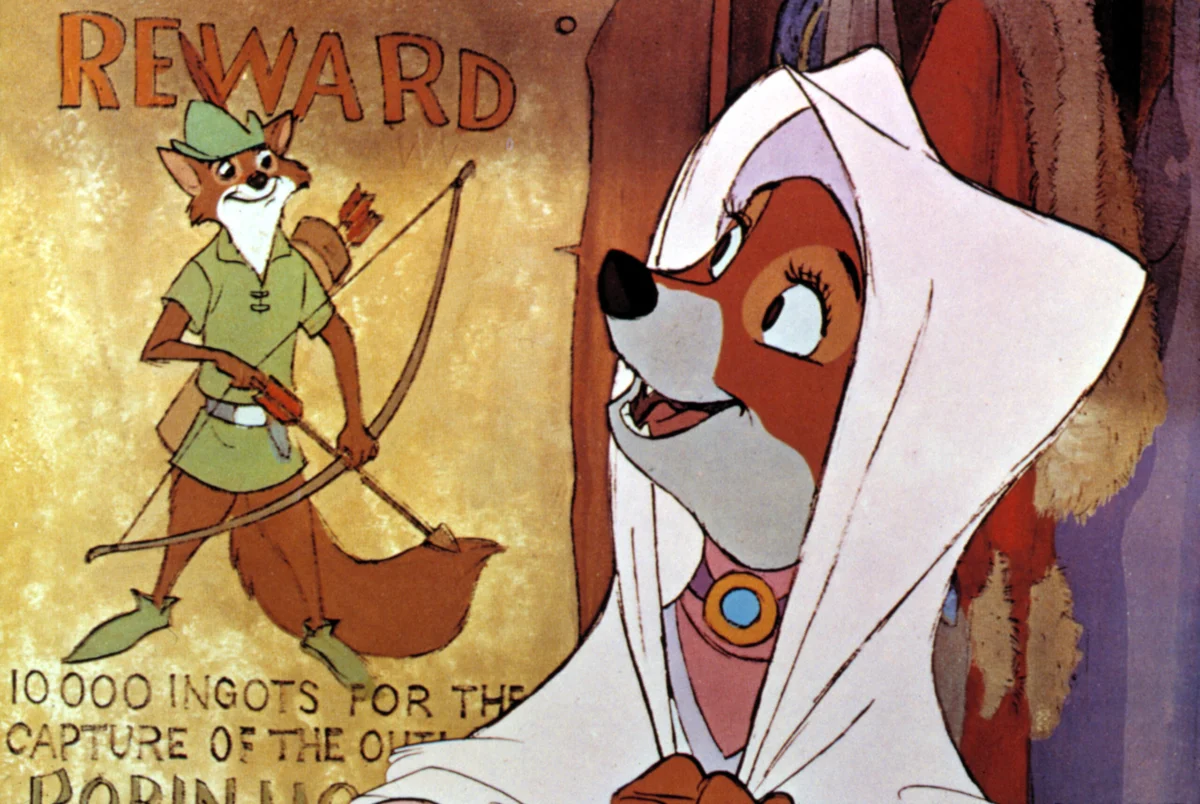
The controversy began on August 27, when the film’s U.S. marketing team released a series of social media promotional materials. These materials featured the subhead “The Rise of Robin Hood” and taglines such as “Witness the Birth of a Legend.” The implication was clear: the film was being positioned as an origin story for the archetypal outlaw of Sherwood Forest.
The backlash from historians, educators, and medieval enthusiasts was almost instantaneous. Critics argued that conflating the Peasants’ Revolt—a documented historical event with specific political goals and tragic consequences—with the folkloric myth of Robin Hood was not only historically inaccurate but also did a disservice to the real individuals who fought and died in 1381. By August 28, the "Robin Hood" branding had been largely scrubbed from official social media channels, though the debate over the "IP-ification" of history continues to simmer.

Chronology of the 1381 Rebellion vs. the Robin Hood Mythos
To understand why the marketing strategy failed, one must look at the timeline of both the historical revolt and the literary evolution of Robin Hood.
The Historical Timeline (1381)
The Peasants’ Revolt was triggered by the third poll tax in four years, a regressive tax intended to fund the failing Hundred Years’ War in France.
- May 1381: Resistance begins in Essex when villagers refuse to pay the tax and drive off the king’s commissioners.
- June 1381: The revolt spreads to Kent. Rebels, led by Wat Tyler, capture Canterbury and eventually march on London.
- June 13-15, 1381: The rebels enter London, burning the Savoy Palace and executing the Archbishop of Canterbury. King Richard II, only 14 years old, meets the rebels at Mile End and Smithfield.
- Late June 1381: Wat Tyler is killed during negotiations at Smithfield. The King tricks the rebels into dispersing, after which the government launches a bloody campaign of retribution, executing the movement’s leaders.
The Literary Timeline of Robin Hood
The legend of Robin Hood does not have a single point of origin, but its development is distinct from the 1381 uprising.
- 1220s–1260s: Judicial records show the name "Robinhood" or "Robbehod" being used as a generic "term of art" for fugitives and outlaws, similar to how "John Doe" is used today.
- c. 1377: The first literary mention of Robin Hood occurs in William Langland’s Piers Plowman, where a character mentions knowing "rhymes of Robin Hood." This confirms the stories were popular just four years before the revolt, meaning Robin Hood was already a fictional figure to the people of 1381.
- 15th Century: The earliest surviving ballads, such as A Gest of Robyn Hode, are transcribed. These stories are set in the reigns of "King Edward," not Richard II.
- 16th Century: Later writers retroactively moved Robin Hood to the reign of Richard the Lionheart (late 12th century) to add a layer of royalist legitimacy to the myth.
The marketing team’s attempt to place the "Rise of Robin Hood" in 1381 is a chronological impossibility; the legend was already established as folklore by the time the revolt occurred.
Supporting Data: Socio-Economic Drivers of the Uprising
The reason The Uprising is such a highly anticipated film is the sheer weight of the history it covers. The 1381 revolt was not a disorganized riot; it was a sophisticated response to systemic oppression.

The Labor Crisis: Following the Black Death (1348–1350), nearly half of England’s population had perished. This created a massive labor shortage, which, under normal market conditions, should have driven up wages. Instead, the ruling elite passed the Statute of Labourers (1351), which capped wages at pre-plague levels and made it illegal for peasants to move in search of better pay.
The Poll Taxes: Between 1377 and 1381, the government imposed three poll taxes. Unlike previous taxes based on a percentage of property, these were flat taxes on every adult, regardless of wealth. For a wealthy merchant, it was a nuisance; for a laborer, it represented several weeks’ worth of wages.
The Ideological Shift: The revolt was fueled by the radical preaching of John Ball, a "hedge priest" who challenged the very concept of the class system. His famous couplet—"When Adam delved and Eve span, / Who was then the gentleman?"—suggested that social hierarchy was a human invention, not a divine mandate. This was an early, potent form of egalitarianism that terrified the nobility.
Official Responses and Production Context
While Focus Features has not issued a formal apology for the marketing pivot, the rapid removal of the "Robin Hood" taglines suggests an internal realization of the error. Interestingly, industry insiders have noted that during the film’s early development and "shopping" phase, it was titled The Hood.
This suggests that the project may have originally been conceived as a "gritty reboot" of the Robin Hood legend, only for Paul Greengrass to steer it toward a more historically grounded narrative. When the marketing department took over, they likely reverted to the more "marketable" concept of a famous IP (Intellectual Property) to ensure the film appealed to American audiences who might be unfamiliar with the specificities of English medieval history.

Historians, such as Dr. Eleanor Janega, have been vocal in their critique. Writing on social media, Janega emphasized that the Peasants’ Revolt is a tragedy, not a heroic adventure. The rebels were betrayed by their King, their leaders were hung, drawn, and quartered, and the immediate result was a tightening of the chains of serfdom. Linking it to the "Merry Men" of Sherwood Forest sanitizes a brutal chapter of class struggle.
Implications: The Dangers of "Myth-Washing" History
The controversy over The Uprising highlights a growing tension in modern filmmaking: the conflict between historical authenticity and the commercial necessity of "brand recognition."
1. The Erasure of Real Agency
By attributing the actions of thousands of organized, politically motivated peasants to a single mythical figure like Robin Hood, the narrative shifts from a collective movement to a "Great Man" story. The real leaders—Wat Tyler, John Ball, and Jack Straw—risked and lost everything for specific legal reforms, such as the abolition of serfdom. Reducing their struggle to a fictional origin story diminishes their historical agency.
2. The Misunderstanding of Folk Heroes
Robin Hood has always functioned as a "safety valve" for social frustration. He represents a fantasy where the rich are punished and the poor are fed, but the status quo remains largely intact. The 1381 Uprising, conversely, was an attempt to fundamentally restructure society. By confusing the two, marketing teams risk misinforming the public about the nature of political change.
3. The Power of Historical Tragedy
Paul Greengrass’s film, based on early reviews and trailers, appears to be a somber reflection on the cost of rebellion. In an era of political polarization and economic anxiety, a film that honestly depicts the failure and betrayal of a popular movement is far more resonant than another swashbuckling archer story. The marketing blunder nearly obscured the film’s greatest strength: its relevance.

Conclusion
The Uprising arrives in theaters on September 10 at a moment when the world is once again grappling with many of the same issues that plagued 14th-century England. While the marketing department’s attempt to "Robin Hood-ify" the Peasants’ Revolt was a significant misstep, the resulting conversation has inadvertently shone a spotlight on the actual history of 1381.
Ultimately, the story of Wat Tyler and John Ball needs no mythical embellishment. The reality of a 14-year-old King Richard II looking at his subjects and telling them, "Rustics you were, and rustics you are still; you will remain in bondage," is a more chilling and powerful cinematic moment than any legend could provide. If the film stays true to the history, it will stand as a testament to the enduring struggle for human dignity—even without the green tights.