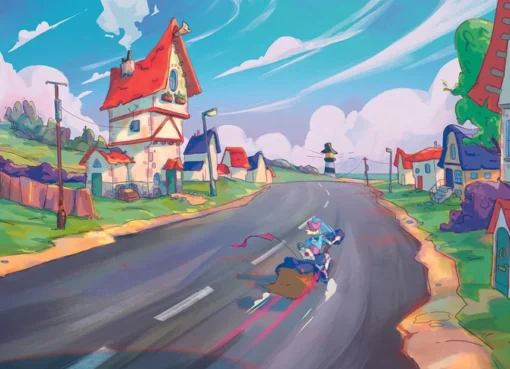
Digital Brushstrokes: Artist’s Procedural Shader Transforms Blender into a Painter’s Canvas
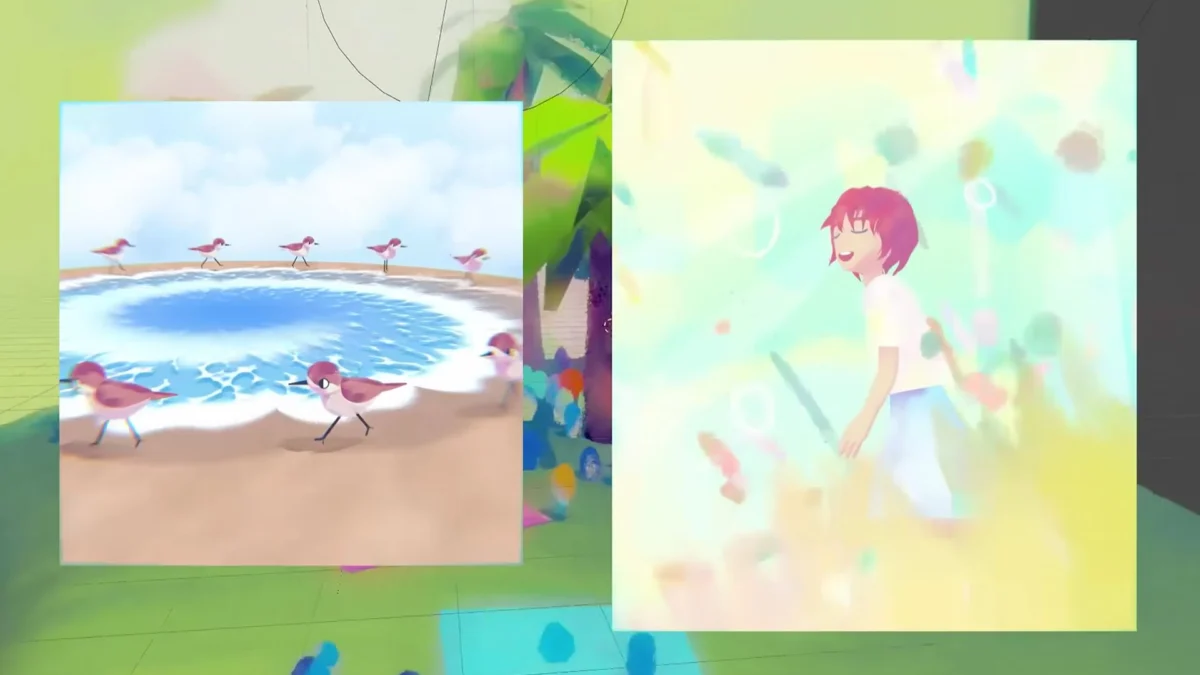
In a groundbreaking demonstration of digital artistry, a talented 3D artist has unveiled a revolutionary technique that imbues 3D models with the unmistakable charm of hand-painted artwork. What appears to be the result of meticulous brushwork is, in fact, an entirely procedural creation within the free and open-source 3D modeling software, Blender. This innovative approach, centered on the strategic use of noise textures and the powerful EEVEE rendering engine, is now being shared with the wider artistic community, promising to unlock new avenues of creative expression.
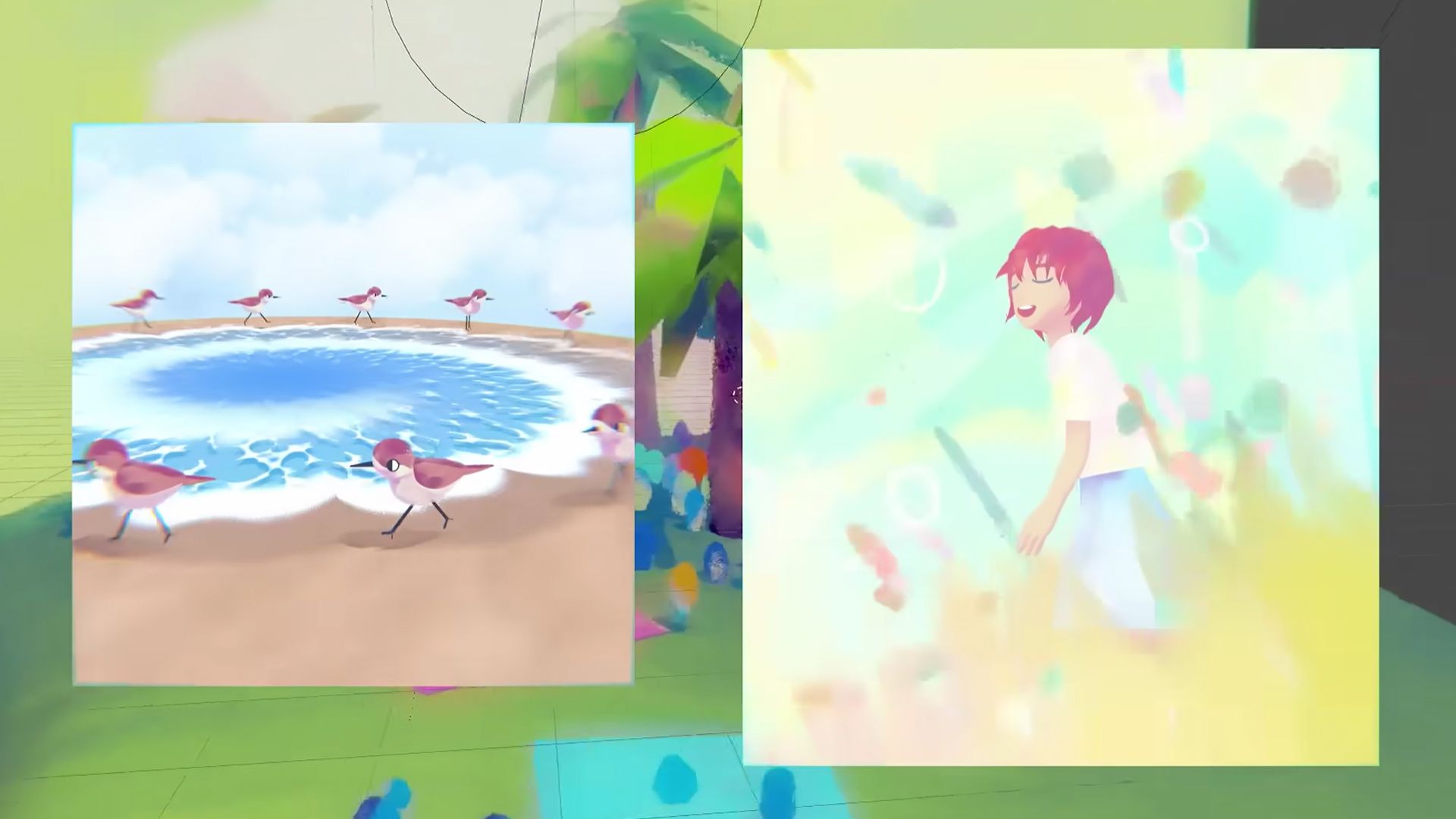
The artist, known as Alyssa, has developed a unique shader that meticulously mimics the texture, depth, and nuanced color variations characteristic of traditional painting. This isn’t a mere filter; it’s a sophisticated system that leverages Blender’s procedural capabilities to generate a truly organic aesthetic. The result is a visual language that bridges the gap between the precision of 3D modeling and the soul of traditional art, offering a fresh perspective on digital illustration and character design.
The Genesis of a Painterly Aesthetic
Alyssa’s journey into this unique style began with a clear vision: to capture the evocative feel of hand-painted art within the digital realm. Unlike many 3D artists who rely on manual texturing or post-processing filters to achieve a painterly look, Alyssa opted for a more integrated and dynamic approach. Her process starts with a simple 2D sketch, a foundational concept that is then meticulously translated into a three-dimensional form within Blender.
The true magic, however, unfolds in the material application. Instead of painting textures pixel by pixel, Alyssa harnesses the power of Blender’s node-based shading system. Here, she constructs intricate networks of procedural nodes, primarily focusing on noise textures. These textures, which generate random patterns and variations, are manipulated and combined in complex ways to simulate the organic imperfections and subtle shifts in color and tone found in actual paint. This procedural generation ensures that the painterly effect is not just skin-deep but is intrinsically woven into the very fabric of the 3D model.
The choice of Blender’s EEVEE render engine is also crucial. EEVEE is a real-time rendering engine, meaning it can produce visually stunning results with remarkable speed. This allows for rapid iteration and experimentation, a critical factor when developing complex shaders. Alyssa’s shader is specifically designed to work seamlessly with EEVEE, taking advantage of its capabilities to deliver that sought-after dreamy, painted quality without the lengthy rendering times often associated with physically based rendering.
A Generous Sharing of Innovation
Recognizing the potential of her creation to inspire and empower other artists, Alyssa has made her innovative shader available to the public. She has chosen ko-fi.com, a popular platform for creators to share their work and receive support, as the distribution channel. This allows artists to contribute financially at a level they are comfortable with, from a modest tip to a more substantial contribution, to access the shader. This "pay what you like" model fosters a sense of community and accessibility, ensuring that the tool is not limited by prohibitive costs.
Accompanying the shader is a demo scene. This meticulously crafted environment showcases the shader in action, allowing artists to directly observe its application and understand its nuances. By providing this visual reference, Alyssa offers invaluable insights into how the shader interacts with different forms, lighting conditions, and model complexities. It serves as a practical learning tool, enabling artists to quickly grasp the shader’s potential and integrate it into their own workflows.
Alyssa’s generosity extends beyond just sharing the technical asset. She actively encourages artists who use her shader to tag her in their projects. This simple yet powerful request creates a feedback loop, allowing her to witness the diverse applications of her work and to connect with the artists she has inspired. It also provides her with valuable insights into how the shader performs in real-world scenarios, potentially informing future iterations and improvements.
Technical Deep Dive: The Art of Procedural Noise
The core of Alyssa’s painterly shader lies in the sophisticated manipulation of procedural noise. In Blender, noise textures are not static images but algorithms that generate intricate, random patterns. These patterns can be endlessly varied by adjusting parameters like scale, detail, distortion, and color ramps. Alyssa’s genius lies in her ability to combine these noise generators in layered, complex networks.
Here’s a simplified breakdown of the underlying principles:
- Base Color Variation: Instead of a flat color, the shader uses noise to introduce subtle, yet crucial, variations in hue and saturation across the surface. This mimics how paint naturally blends and shifts in tone due to brushstrokes and the interplay of pigments.
- Surface Imperfections and Texture: Different types of noise, such as Musgrave or Voronoi, are employed to simulate the physical texture of paint. This can range from the subtle bumps and ridges of impasto to the smooth, blended feel of watercolor. The scale and intensity of these noise patterns are carefully controlled to avoid an overly repetitive or artificial look.
- Edge Blending and Softness: Traditional painting often features softer edges and subtle transitions, especially in areas where colors meet. Alyssa’s shader likely incorporates techniques to achieve this, perhaps by using noise to control the sharpness of edges or by layering different color gradients.
- Light Interaction: The shader is designed to react realistically to light, further enhancing the painterly illusion. The way light catches the simulated paint texture and creates subtle highlights and shadows is crucial for achieving depth and dimension. EEVEE’s real-time capabilities allow for dynamic interaction between the shader and the scene’s lighting.
The true power of a procedural approach is its non-destructive nature and its inherent flexibility. Unlike a painted texture that is fixed, a procedural shader can be easily modified. An artist can adjust a single parameter and see the entire look of the model change, allowing for rapid experimentation and refinement. This makes it an incredibly efficient tool for achieving a specific aesthetic.
Beyond the Shader: A Growing Ecosystem of Blender Resources
Alyssa’s contribution is a testament to the vibrant and collaborative nature of the Blender community. The software itself, being free and open-source, has fostered an environment where artists are not only creating incredible work but also generously sharing their knowledge and tools.
For those seeking to explore this painterly aesthetic further, or to deepen their understanding of Blender’s capabilities, several resources are invaluable:
- Blender Tutorials: The availability of extensive Blender tutorials is a cornerstone of the software’s accessibility. From beginner guides to advanced techniques, a wealth of information can be found online, often for free. These tutorials cover everything from basic modeling and animation to complex shader creation and rendering.
- Latest Blender Updates: Staying abreast of new features and improvements in Blender is essential for any artist looking to leverage the software’s full potential. Updates often introduce new tools, rendering enhancements, or workflow improvements that can significantly impact artistic possibilities. For instance, understanding the latest advancements in EEVEE or the node editor can unlock new ways to implement shaders like Alyssa’s.
- Best 3D Modelling Software Comparisons: While Blender is a leading contender, understanding its position within the broader landscape of 3D modeling software can provide valuable context. Comparisons often highlight Blender’s strengths, such as its cost-effectiveness and its powerful, integrated workflow, which make it an ideal platform for innovative techniques like Alyssa’s.
Implications for the Future of Digital Art
Alyssa’s innovation has significant implications for the future of digital art. By democratizing access to a sophisticated painterly aesthetic, she empowers a wider range of artists to explore styles that were previously more challenging or time-consuming to achieve.
- Bridging the Gap Between 2D and 3D: This technique offers a compelling solution for artists who excel in 2D illustration but wish to translate their vision into three dimensions without sacrificing their unique artistic voice. It allows for a more seamless transition, preserving the expressive qualities of hand-drawn or painted art.
- New Possibilities in Character Design and Illustration: The ability to generate visually rich, hand-painted character models opens up exciting avenues for game development, animated films, and illustration projects. This aesthetic can evoke a sense of nostalgia, warmth, and handcrafted quality that is highly sought after in various media.
- Democratization of High-Quality Aesthetics: By making her shader freely available, Alyssa contributes to the ongoing trend of making high-end artistic tools and techniques more accessible. This fosters a more inclusive and diverse creative landscape, where financial barriers are reduced, and artistic innovation can flourish.
- Inspiring Further Procedural Artistry: Alyssa’s success is likely to inspire other artists to explore the potential of procedural generation in achieving unique visual styles. As artists continue to push the boundaries of what’s possible with tools like Blender, we can expect to see even more innovative and groundbreaking techniques emerge.
In conclusion, Alyssa’s development and generous sharing of her procedural painterly shader represent a significant advancement in digital art. It is a testament to the power of creativity, technical skill, and community collaboration within the world of 3D art. As artists integrate this tool into their workflows, we can anticipate a wave of visually stunning and artistically rich creations that blur the lines between the digital and the traditional, proving that even the most organic-looking art can be born from the elegant logic of code and algorithms.