Bridging the Gap in Virtual Athletics: FitXR Introduces Advanced Knee Strike Mechanics and Enhanced Personalization
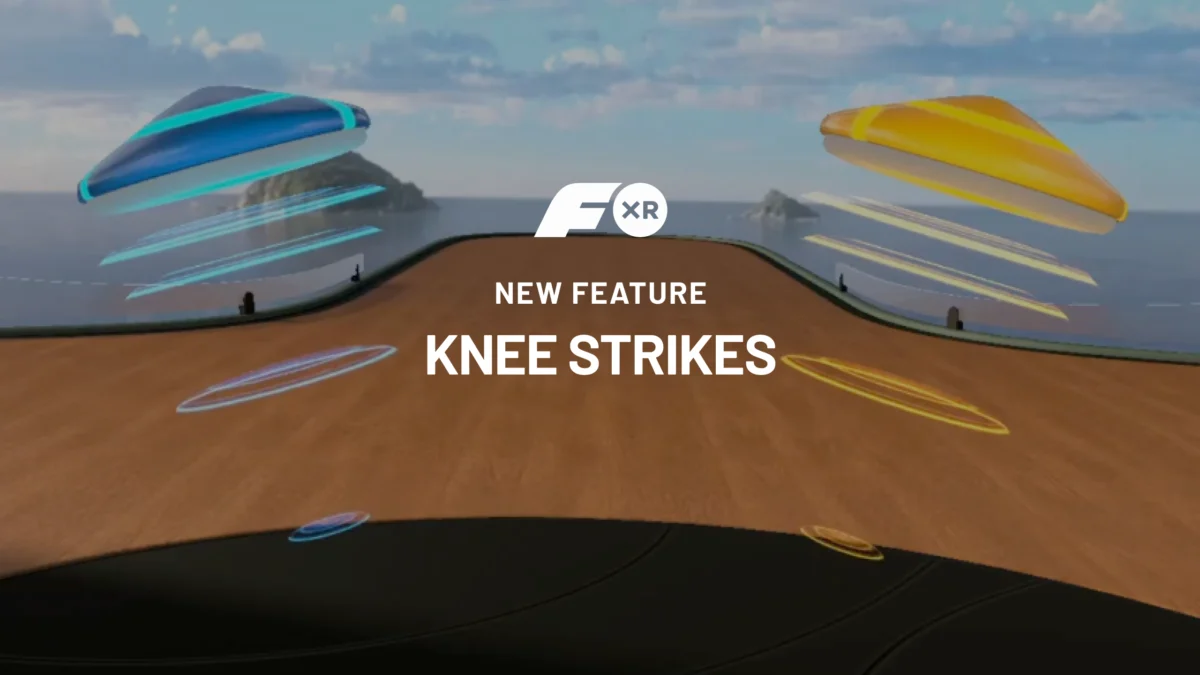
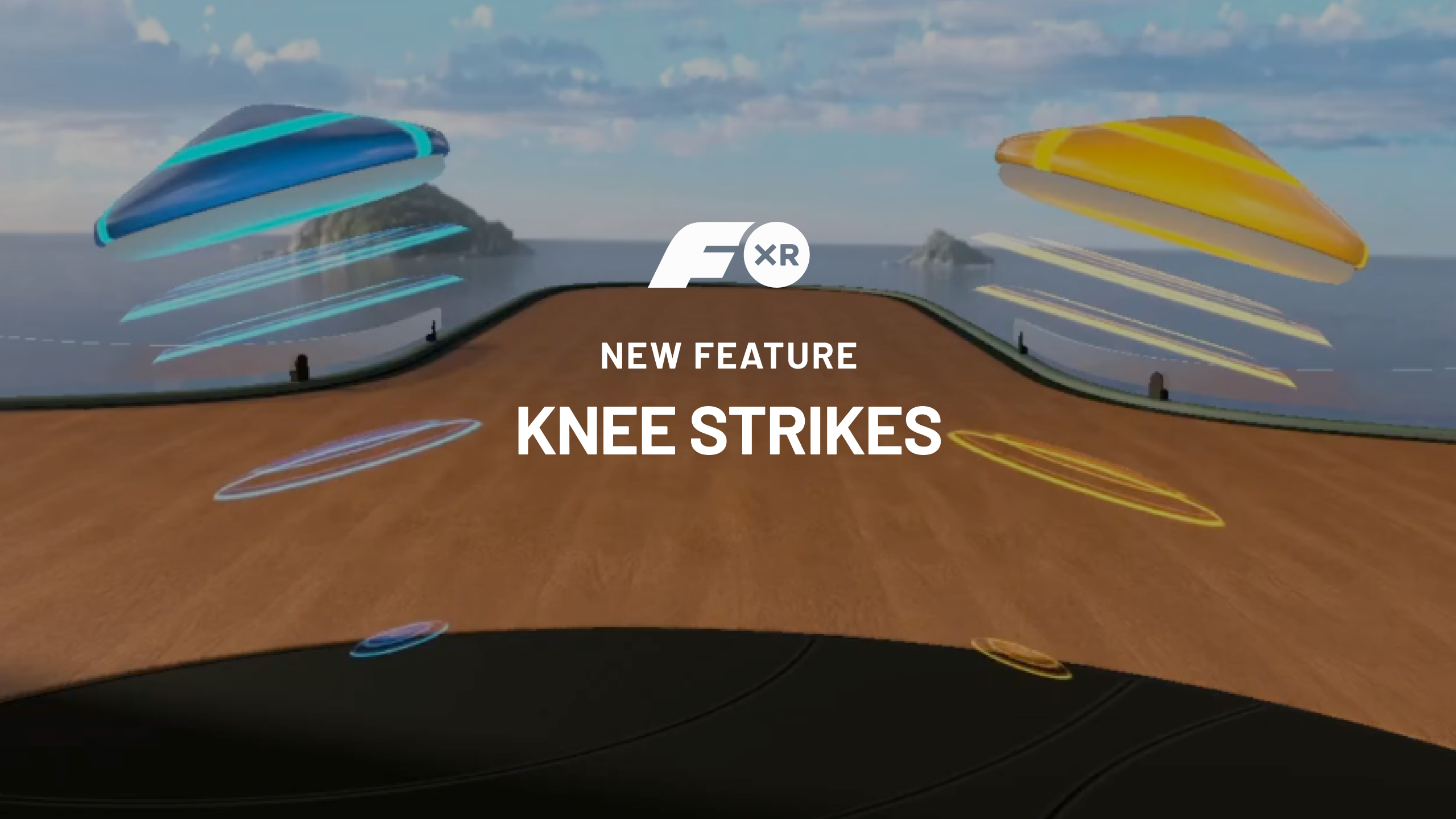
The landscape of virtual reality (VR) fitness has undergone a radical transformation over the last five years, evolving from simple rhythm-based games into sophisticated, multi-disciplinary athletic platforms. At the forefront of this evolution is FitXR, a leading fitness app on the Meta Quest platform. Recently, the company announced a significant technical and choreographical update: the integration of knee strikes into its Combat and Flow studios.
This update represents more than just a new move; it is a calculated effort to solve one of VR’s most persistent challenges—lower-body engagement—without the need for external hardware or specialized leg trackers. By leveraging advanced algorithmic predictions and headset telemetry, FitXR is attempting to solidify its position as the most comprehensive virtual gym on the market.
Main Facts: A Dual-Studio Integration
The "Knee Strike Update" introduces two distinct variations of the movement, tailored to the specific philosophies of FitXR’s diverse workout environments.
The Mechanics of the Strike
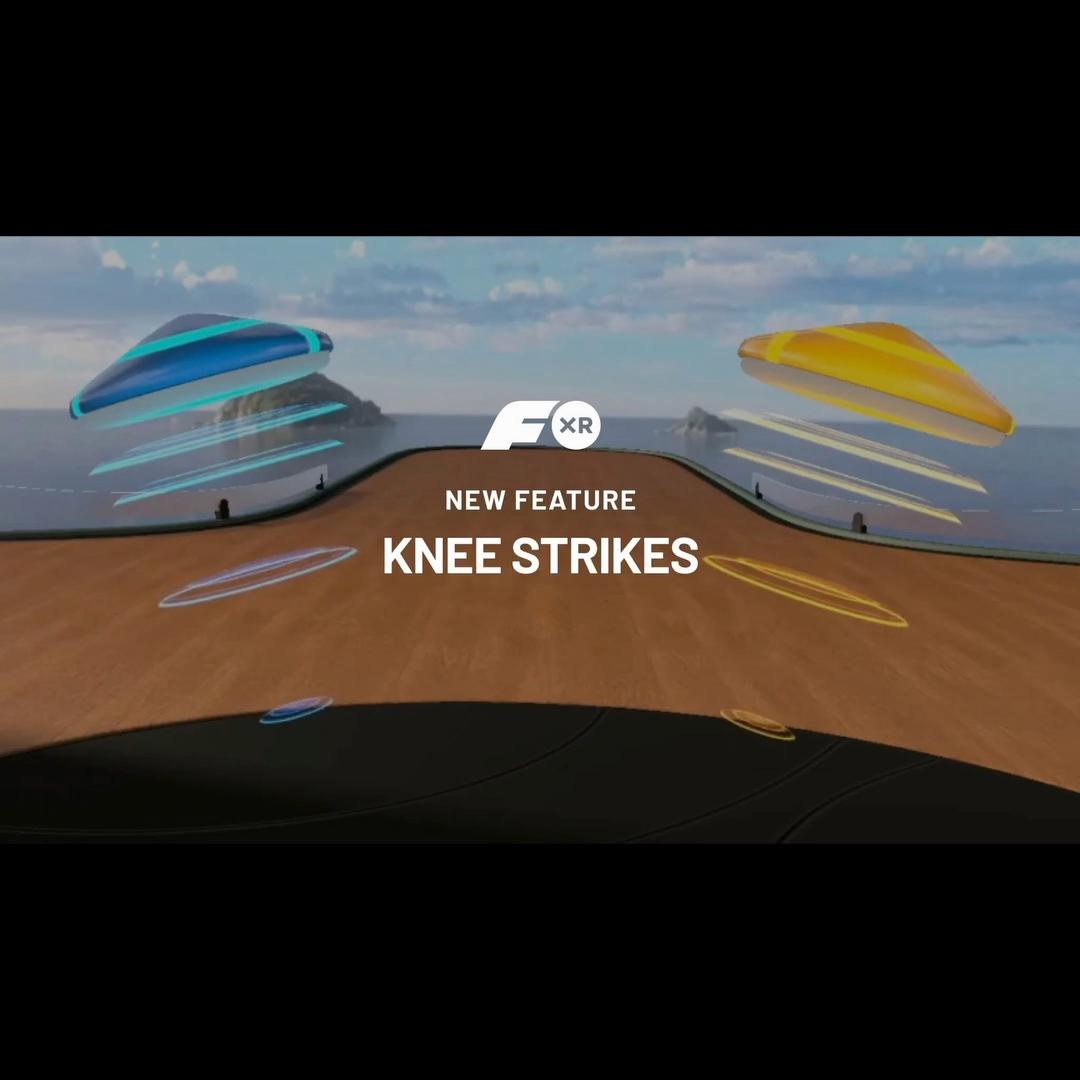
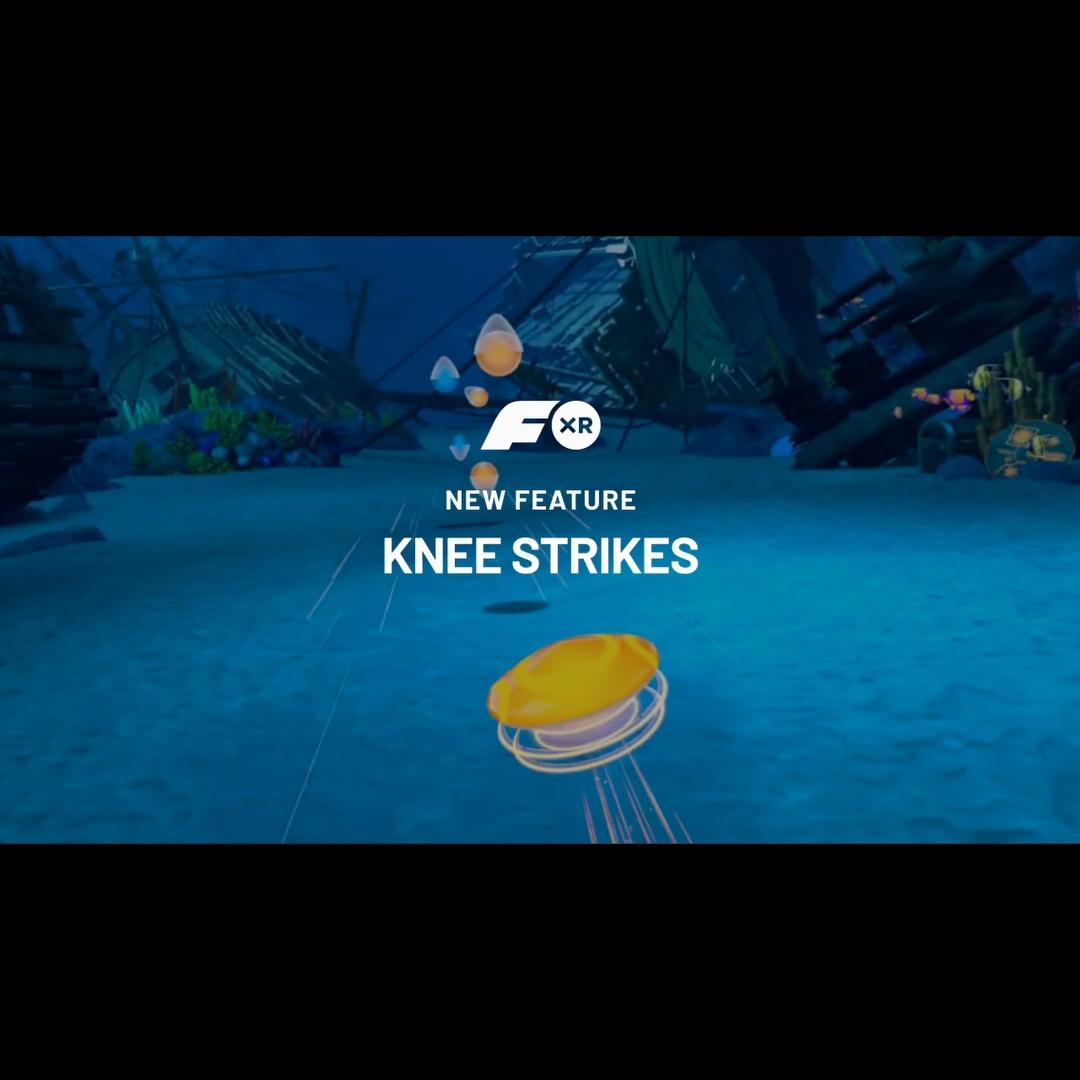
In the Flow Studio, which emphasizes rhythm, balance, and fluidity, FitXR has introduced the standalone knee strike. This movement requires the user to drive their knee upward to meet a descending target, necessitating a momentary shift in weight to a single leg. This design is intended to improve proprioception and core stability, mirroring movements found in yoga or contemporary dance.
In the Combat Studio, the update is more aggressive. In addition to the standalone knee, FitXR has introduced the "Grab-to-Knee" movement. This is a high-intensity, compound maneuver where the user reaches overhead with both hands to "grab" a virtual target, pulling it down forcefully while simultaneously driving their knee upward. This movement is a staple of Muay Thai and Mixed Martial Arts (MMA), designed to engage the shoulders, lats, core, and hip flexors in a single, explosive motion.
Personalization via "Journey"
Accompanying the physical movement update is a significant quality-of-life improvement for the "Journey" feature. Journey is FitXR’s structured training program that guides users through a progression of workouts. Previously, the system was largely automated, but the new update allows users to edit their studio preferences at specific checkpoints. If a user prefers the high-intensity impact of Box and Combat over the rhythmic nature of Dance or Zumba, they can now curate their long-term training plan to reflect those goals.
Chronology: The Evolution of FitXR’s Movement Library
To understand the significance of the knee strike update, one must look at the trajectory of FitXR’s development.
- The BoxVR Era (2017–2020): Originally launched as BoxVR, the app focused almost exclusively on upper-body punching mechanics. While it was a pioneer in the space, critics often pointed out that the lower body was relegated to static stances or occasional squats.
- The Rebrand and Studio Expansion (2021): Rebranding to FitXR, the company moved away from a single-sport model. It introduced HIIT and Dance, followed shortly by the Combat and Flow studios. This period marked the first attempt to bring "full-body" feelings to the Quest, though movements were still largely dictated by where the controllers (hands) could go.
- The Search for Lower-Body Engagement (2022–2023): FitXR introduced "Slam," which used spatial tracking to encourage more lateral movement, and "Sculpt," which utilized isometric holds. However, the "holy grail" of VR fitness—kicking and kneeing—remained elusive due to the Quest’s lack of leg tracking.
- The 2024 Knee Strike Rollout: After extensive research and development into "proxy tracking," FitXR officially launched knee strikes. This marks the first time the platform has successfully integrated a specific lower-body strike that requires the user to break their stance significantly.
Supporting Data: Detecting the "Invisible" Knee
The primary hurdle for FitXR was a hardware limitation: the Meta Quest 2 and Quest 3 do not have cameras that can see the user’s knees during a standard workout. To solve this, FitXR’s engineering team developed a system that uses the headset’s Inertial Measurement Unit (IMU) as a proxy.
The "Three-Way Handshake"
For the Grab-to-Knee movement, the system utilizes what FitXR calls a "three-way handshake" to verify the movement:
- Hand Contact: The system confirms both controllers have collided with the overhead target.
- Target Vector: The algorithm tracks the speed and direction of the controllers as they are pulled downward toward the waist.
- Headset Telemetry: Crucially, when a human drives their knee upward, there is a predictable shift in their center of mass. This causes a micro-dip and a specific forward-and-back tilt in the headset.
By analyzing the "brief history" of the headset’s movement—speed, physical displacement, and direction—the software can determine with high accuracy if a knee strike was performed. FitXR notes that the system is not a "strict judge of form" but rather a validator of effort, designed to be tolerant of different body types and athletic abilities while still penalizing complete inactivity.
User Experience and Haptics
Data from early hands-on testing suggests that the integration of haptic feedback (vibrations in the controllers) and auditory cues (the sound of a heavy impact) are essential for "tricking" the brain into feeling the contact. Users report that the "Grab-to-Knee" feels remarkably physical despite the knee never touching a physical object.
Official Responses: Strengthening the Martial Arts Identity
FitXR’s leadership and design teams have been vocal about the strategic importance of this update. According to company statements, the goal was to provide "Combat" with a more distinct identity, separating it from the "Box" studio.
"We wanted to give Combat more of its own full-body martial arts identity," a spokesperson for FitXR stated. "By adding knee strikes, we aren’t just adding a move; we are changing the way the user interacts with the virtual space. It requires more coordination, more core engagement, and a higher level of caloric burn."
The company also emphasized that the "Journey" update was a response to direct user feedback. "Fitness is not one-size-fits-all. By allowing users to edit their preferences at checkpoints, we are giving them the agency to build a routine they actually enjoy, which is the most important factor in long-term habit formation."
Implications: The Future of VR Biomechanics
The successful implementation of knee strikes in FitXR has several long-term implications for the VR industry and the fitness world at large.
1. Competitive Pressure on the Market
FitXR is not the first to attempt knee strikes; Les Mills XR Bodycombat has featured a similar mechanic for some time. However, FitXR’s approach—integrating it into a multi-studio subscription model—increases the pressure on competitors to innovate. It signals that "upper-body only" workouts are no longer sufficient to maintain a premium price point in the VR fitness market.
2. Software Overcoming Hardware Limitations
This update proves that sophisticated software can compensate for hardware gaps. Until "inside-out" body tracking (where the headset can see the entire body) becomes a standard feature in consumer VR, other developers are likely to adopt similar "proxy tracking" methods to include kicks, lunges, and other lower-body movements.
3. The Move Toward Total Personalization
The update to the Journey feature reflects a broader trend in the tech industry: the move away from "curated" experiences toward "user-defined" experiences. In the context of fitness, this is crucial. If a user hates dancing but loves boxing, forcing them into a dance module can lead to app abandonment. By allowing "checkpoint edits," FitXR is utilizing data-driven personalization to increase user retention.
4. Safety and Form Considerations
As VR fitness becomes more "aggressive" with moves like the Grab-to-Knee, the industry faces new questions regarding safety. Driving a knee upward while wearing a headset requires balance. FitXR’s decision to make the system "intentionally tolerant" of small differences in movement is a safety-first approach, preventing users from over-extending themselves to meet a strict digital requirement.
Conclusion
FitXR’s latest update is a milestone in the quest for a true "gym in a headset." By successfully mapping the movement of the lower body through the telemetry of the head and hands, the platform has expanded the athletic potential of the Meta Quest.
For the user, the addition of knee strikes offers a more satisfying, high-intensity experience that bridges the gap between gaming and professional martial arts training. For the industry, it serves as a masterclass in how to use algorithmic precision to overcome hardware constraints. As FitXR continues to expand its library of seven (now effectively eight) studios, the line between the virtual gym and the physical one continues to blur, making a compelling case for the future of home fitness.