The Architect of Fear: How Myth of Valderit is Redefining Adaptive Psychological Horror
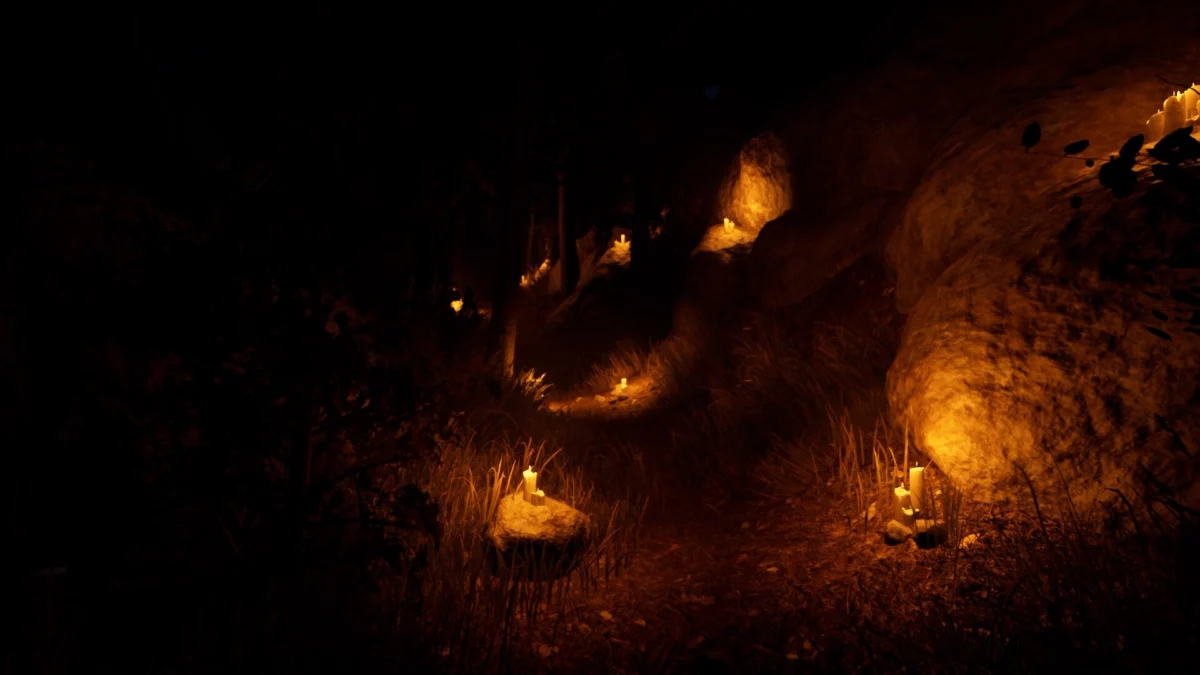
The psychological horror genre has long teased the idea of a game that "knows" its player. From the fourth-wall-breaking antics of Eternal Darkness to the personality profiling of Silent Hill: Shattered Memories, developers have sought to bridge the gap between the digital screen and the player’s pulse. However, a new contender titled Myth of Valderit is attempting to push this boundary further than ever before. By integrating a sophisticated, omniscient AI presence known as "The Writer," the game promises an experience that doesn’t just present a scary story—it writes one specifically for you.
Main Facts: A Cursed Village and the Omniscient Narrator
At its core, Myth of Valderit is a first-person psychological horror game that places players in the shoes of Nil, an protagonist whose recent streak of misfortune culminates in a nightmare scenario. While camping in a remote forest with friends, Nil discovers a village that shouldn’t exist. This is the titular Valderit, a cursed settlement that, according to local lore, only manifests physically under the light of a full moon.
The narrative stakes are immediate: Nil’s friends have vanished, and he is trapped within the shifting confines of a village that seems to breathe and react to his presence. The gameplay loop focuses on high-tension exploration, environmental storytelling through found items, and intricate puzzles that are essential for survival.
However, the defining feature of Myth of Valderit is its "Adaptive Horror System." Unlike traditional horror games that rely on scripted jump scares and static level layouts, Myth of Valderit employs an AI entity referred to as "The Writer." This omniscient presence monitors every player action—where they linger, what items they ignore, how quickly they turn around when hearing a noise, and their general movement patterns. Using this data, the game dynamically alters its environment, music, and atmosphere to target the player’s specific psychological vulnerabilities.
Chronology: From Real-World Mystery to Digital Nightmare
The development of Myth of Valderit is deeply rooted in both historical mystery and modern technological ambition. The timeline of its journey from concept to its recent public showcase reveals a project dedicated to authenticity and innovation.
The Inspiration: La Mussara
The foundation of the game was laid long before a single line of code was written. The developers drew primary inspiration from the abandoned village of La Mussara in Tarragona, Spain. Known as a "ghost village" since the 1950s, La Mussara is steeped in legends of paranormal activity, unexplained disappearances, and a supposed gateway to another dimension. By grounding the fictional Valderit in the architectural and atmospheric DNA of a real-world ruins, the developers established a sense of "folk horror" that feels uncomfortably tangible.
The Development Phase
Throughout the development cycle, the team focused on building the "Adaptive Horror System." The goal was to move away from the "cat-and-mouse" gameplay popularized by titles like Amnesia and move toward a more cerebral form of manipulation. This involved creating a modular level design system that "The Writer" could rearrange in real-time without breaking the game’s logic or immersion.
Public Debut: Pocket Gamer Connects Barcelona
The game reached a significant milestone recently at the Pocket Gamer Connects (PGC) event in Barcelona. This industry gathering served as the first major hands-on opportunity for critics and players. The demo showcased the game’s ability to build unbearable tension through its dark atmosphere and subtle environmental shifts. Attendees reported a palpable sense of being watched, confirming that the "The Writer" mechanic was functioning as intended even in an early build.
The Path to Release
Following the success of the Barcelona showcase, the developers have moved into the final stages of production. Myth of Valderit is currently slated for a release later this year. To ensure the AI system is finely tuned for a wide variety of player behaviors, the studio has opened requests for a Steam playtest, allowing the community to provide the data necessary to "train" the horror system before the official launch.
Supporting Data: The Mechanics of Adaptive Terror
To understand why Myth of Valderit is garnering such attention, one must look at the technical data points the game tracks to facilitate its adaptive horror. The "Adaptive Horror System" is not merely a randomizer; it is a behavioral analysis tool.
Behavioral Tracking Metrics
The game tracks several key metrics to build a "fear profile" for the player:
- Dwell Time: How long a player stares at a specific object or remains in a certain room.
- Pathing Patterns: Does the player hug the walls? Do they rush through corridors?
- Visual Focus: The game monitors what the player’s reticle is focused on, determining what they find suspicious or frightening.
- Audio Triggers: The system analyzes how players react to specific sound frequencies, adjusting the soundtrack to increase heart rate through infrasound-like effects.
Dynamic Level Alteration
Once "The Writer" identifies a pattern, it begins to alter the game world. This isn’t limited to moving an enemy behind a door. The system can:
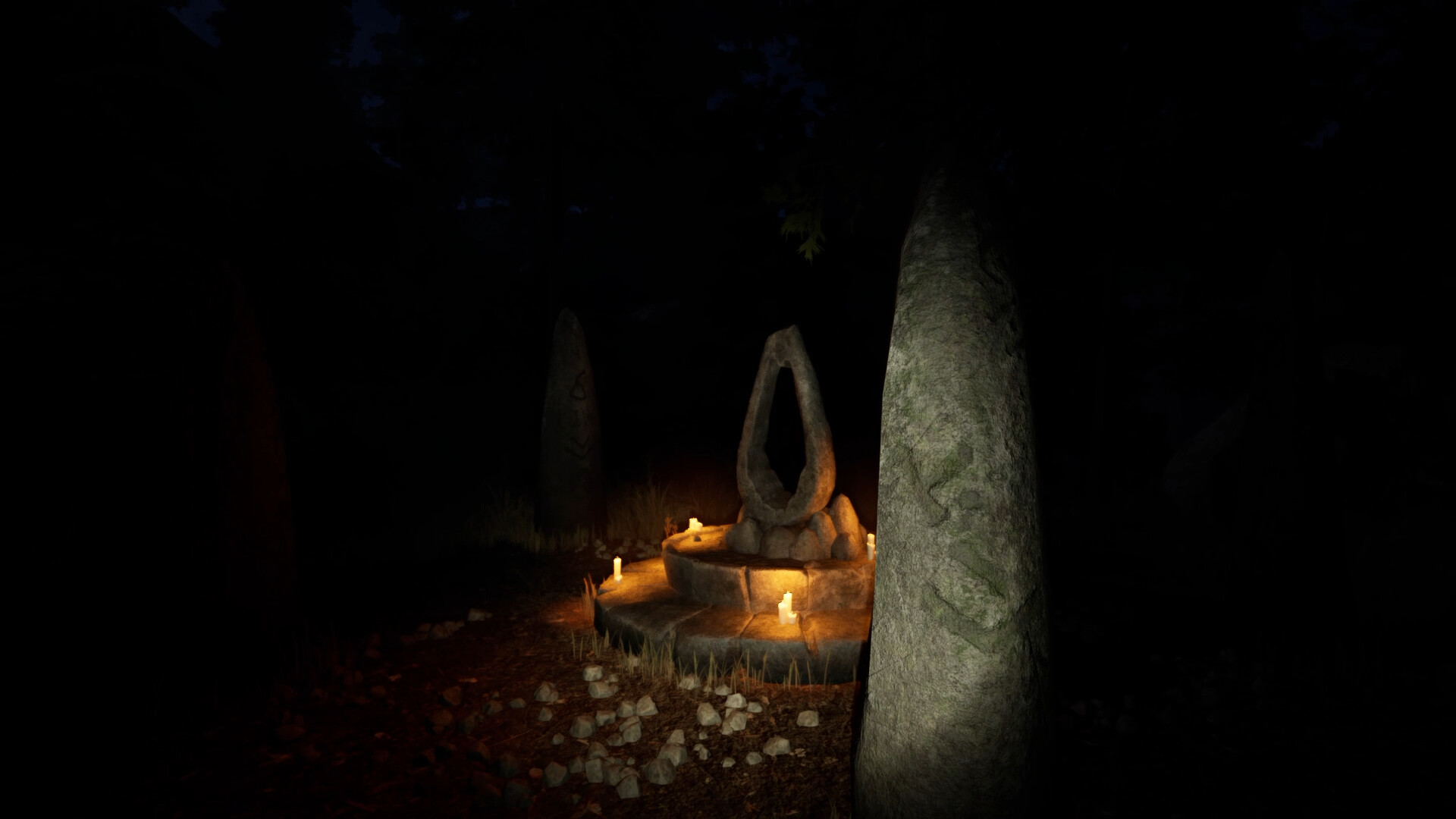
- Change Geometry: A hallway that was straight moments ago may now have a slight, unsettling curve.
- Manipulate Lighting: Candles may blow out specifically when the player looks away, or shadows may lengthen in the periphery of the player’s vision.
- Aural Layering: The music is procedural, adding layers of dissonance or silence based on the player’s perceived stress levels.
By utilizing these data points, Myth of Valderit ensures that no two playthroughs are identical. It effectively eliminates the "speed-runner" advantage, as the game adapts to circumvent learned behaviors.
Official Responses and Hands-On Impressions
The reception at Pocket Gamer Connects Barcelona was overwhelmingly focused on the game’s atmospheric density. Early testers noted that the game feels "haunted" in a way that goes beyond typical software.
One tester remarked, "The most terrifying part wasn’t a monster jumping out. It was realizing that a door I had just walked through was no longer there, and the music had shifted to a frequency that made my skin crawl. It felt like the game was playing me as much as I was playing it."
The developers have stated that their philosophy with Myth of Valderit is to create "uncomfortable intimacy." By having an AI presence that watches the player, they aim to simulate the feeling of a malevolent entity that knows your secrets. "The Writer is not just a mechanic; it is the antagonist," the development team shared in a post-event briefing. "We wanted to create a system where the player feels their own personality is being used against them."
This focus on psychological profiling over traditional combat or "hide-and-seek" mechanics has positioned the game as a standout in the 2024 indie horror lineup.
Implications: The Future of AI in the Horror Genre
The implications of Myth of Valderit extend beyond a single indie release. It represents a significant shift in how artificial intelligence is used in game design.
Moving Beyond Scripted Events
For decades, horror has relied on "trigger boxes"—invisible lines that, when crossed, start a scripted sequence. While effective the first time, these sequences lose their power upon replay. Myth of Valderit suggests a future where horror is a dialogue between the player and the machine. This could lead to a new sub-genre of "Responsive Horror," where the game acts as a digital Dungeon Master, adjusting the difficulty and the scares to maintain a state of "flow" and maximum dread.
The Ethics of Psychological Profiling
The use of behavioral analysis also raises interesting questions about the relationship between the player and the software. As games become better at identifying our fears, they become more effective tools for immersion, but they also require a high level of trust from the player. Myth of Valderit leans into this "meta" fear, making the act of being watched part of the narrative itself.
Impact on the Indie Market
The success of such a complex system in an indie title demonstrates that high-level AI implementation is no longer the sole province of AAA studios. If Myth of Valderit succeeds in delivering a truly adaptive experience, it may set a new standard for what players expect from psychological horror, forcing larger developers to innovate beyond standard jump-scare mechanics.
Conclusion
Myth of Valderit is more than just a ghost story; it is a technical experiment in fear. By combining the haunting atmosphere of Catalan folklore with a cutting-edge adaptive AI, it seeks to provide a personalized descent into madness. As the village of Valderit prepares to appear on Steam later this year, horror enthusiasts are left to wonder: what will "The Writer" find when it looks into their minds?
For those brave enough to face their own psychological profile, the game is currently available for wishlisting on Steam, with playtest opportunities offering a first glimpse into the shifting shadows of the moonlit village. In the world of Valderit, the only thing more dangerous than the forest is the way you react to it.