Speculative Fiction Flourishes: A Deep Dive into the September 1, 2026 New Releases
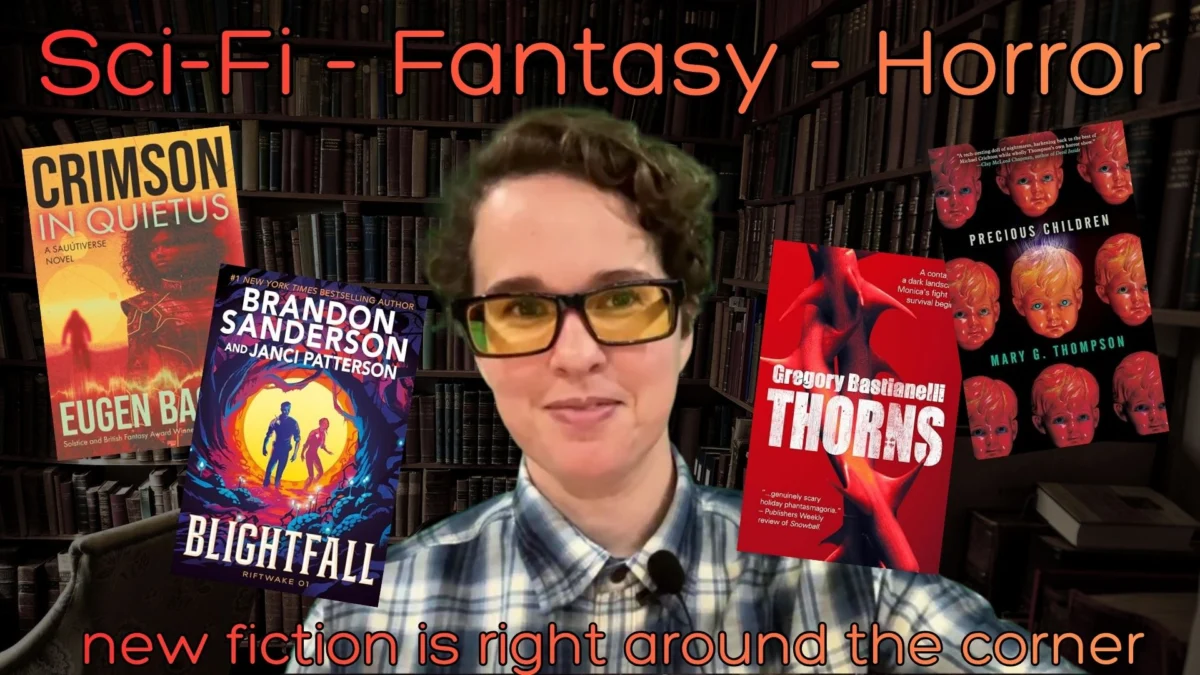
[City, State] – September 1, 2026 – The literary world is abuzz today as publishers unleash a fresh wave of titles, marking September 1, 2026, as a significant milestone for enthusiasts of speculative fiction. This week’s new releases span the captivating realms of Science Fiction, Fantasy, Horror, and Young Adult fiction, promising readers an abundance of new worlds, intricate plots, and unforgettable characters to explore. As the publishing industry continues its dynamic evolution, curated roundups like the one presented today play an increasingly crucial role in guiding readers through a burgeoning landscape of innovative storytelling.
The digital age has transformed how new books are discovered and celebrated. What was once a static list in a trade publication is now often a multimedia experience, exemplified by the accompanying video presentation that visually spotlights these latest arrivals. From the boundless expanses of intergalactic sagas to the intimate terrors of psychological horror, and from the epic scope of high fantasy to the compelling coming-of-age narratives characteristic of Young Adult fiction, this week’s lineup underscores the vibrant health and diverse appeal of these popular genres. Readers are invited to embark on bold new adventures, delve into unsettling mysteries, and witness powerful transformations, all meticulously selected to offer something compelling for every taste.
The Pulse of Imagination: Main Facts of This Week’s Releases
September 1, 2026, heralds a particularly robust collection of new literary works, with a strong emphasis on the speculative fiction spectrum. This week’s featured titles encompass four primary genres: Science Fiction, Fantasy, Horror, and Young Adult. These categories, often overlapping in their imaginative scope, collectively represent some of the most dynamic and fastest-growing segments of the contemporary book market. The selection aims to highlight "notable releases," implying a curated process designed to cut through the sheer volume of new publications and present readers with titles that stand out for their quality, innovation, or potential impact.
The primary objective of such a roundup is to serve as a compass for readers navigating the vast ocean of new books. In an era where thousands of titles are published annually, especially within these popular genres, a curated list becomes an indispensable tool. It helps readers identify potential "next favorite books," fostering discovery and encouraging engagement with new authors and established voices alike. The format, which includes a video presentation, reflects a modern approach to content delivery, leveraging visual and auditory elements to enhance the traditional book announcement. This blend of critical insight and accessible presentation underscores a commitment to making literary discovery an exciting and ongoing process for the global reading community. The continued commitment to weekly updates further solidifies this platform’s role as a consistent guide for genre fiction aficionados.
From Print Pages to Digital Playlists: A Chronology of Book Discovery
The method by which readers discover new books has undergone a profound transformation over the past century, moving from localized, print-centric announcements to a globally interconnected, multi-platform digital ecosystem. Historically, new releases were primarily announced through literary supplements in newspapers, specialized magazines, and word-of-mouth within local bookstores and libraries. Readers would pore over reviews in publications like The New York Times Book Review, Kirkus Reviews, or genre-specific journals to stay abreast of upcoming titles. This process, while thorough for its time, was inherently slower and geographically limited.
The mid-to-late 20th century saw the rise of dedicated genre magazines, such as Locus, which became essential clearinghouses for science fiction, fantasy, and horror news, reviews, and release schedules. These publications provided a centralized, authoritative source for fans, often compiling extensive lists of new and forthcoming titles. Their meticulous approach to cataloging and reviewing helped build communities around specific genres and authors, solidifying their role as arbiters of taste and knowledge within their respective niches. The advent of the internet in the late 1990s and early 2000s began to decentralize this process. Publisher websites, online bookstores like Amazon, and early literary blogs started to offer real-time updates and direct access to book information.
The 2010s marked a pivotal shift with the explosion of social media and user-generated content platforms. Goodreads emerged as a dominant force, allowing readers to track their reading, review books, and connect with fellow enthusiasts, creating a vast, user-driven recommendation engine. YouTube, initially a platform for viral videos, rapidly evolved into a space for "BookTubers" – content creators who share book reviews, recommendations, and "haul" videos. These creators brought a new level of personal connection and authenticity to book discovery, often reaching demographics not traditionally engaged by older literary media. Similarly, platforms like Instagram ("Bookstagram") and TikTok ("BookTok") have further democratized book recommendations, with short-form video content driving massive sales for both established and emerging authors.
Today, the landscape is a hybrid of these approaches. Reputable literary journals and news sites, like the one associated with this roundup, continue to provide expert curation and critical analysis, often adapting to new media by incorporating video content and interactive features. These platforms serve as vital anchors in a sea of information, offering a trusted filter for quality and relevance. The weekly new releases roundup, particularly in a video format, represents the culmination of this evolution: a professional, curated selection delivered through a highly accessible and engaging digital medium, ensuring that readers can easily stay "up to date with the latest books" and discover their next literary obsession. This ongoing evolution underscores the industry’s continuous effort to meet readers where they are, using the most effective communication tools available.
Navigating the Literary Tides: Supporting Data and Market Trends
The sustained volume of new releases in speculative fiction is not merely anecdotal; it reflects robust market growth and evolving reader preferences backed by significant industry data. According to recent analyses from publishing market research firms, the Science Fiction & Fantasy genre, encompassing horror and often intersecting with Young Adult, consistently ranks among the top-performing categories in both print and digital sales. In 2025, for instance, reports indicated a year-over-year growth in genre fiction sales, outpacing several other established categories. This surge is attributed to multiple factors, including increasing diversification of narratives, heightened media adaptation interest (streaming series, films, games), and a dedicated, highly engaged readership.
Young Adult (YA) fiction, in particular, has demonstrated remarkable resilience and expansion, often serving as a gateway for new readers into speculative themes. Data shows that a significant portion of YA readership comprises adults, indicating its crossover appeal and the sophisticated storytelling within the genre. Trends within YA point to a growing demand for diverse protagonists, complex socio-political themes, and narratives that explore identity, mental health, and social justice through a fantastical or futuristic lens.
Within Science Fiction, subgenres like space opera and cyberpunk continue to thrive, but there’s also a noticeable rise in "cli-fi" (climate fiction) and narratives exploring artificial intelligence ethics, reflecting contemporary global concerns. Fantasy, always a cornerstone, sees continued success in epic fantasy, but also a burgeoning interest in urban fantasy, grimdark, and myth-retellings that offer fresh perspectives on classic tropes. Horror, meanwhile, has moved beyond traditional monster tales to embrace psychological depth, folk horror, and "quiet horror," often leveraging contemporary anxieties to create truly unsettling experiences.
The role of online platforms in driving sales and discovery cannot be overstated. Analytics from major online retailers and social media platforms reveal significant spikes in book sales following viral recommendations on BookTok or popular BookTube reviews. These platforms not only amplify awareness but also foster communities where readers can discuss, debate, and recommend titles to their peers, creating powerful word-of-mouth marketing. Literary magazines and websites, acting as trusted curators, provide a crucial counterpoint to algorithmic recommendations, offering expert opinions and historical context that guide discerning readers. The synergy between professional curation and grassroots enthusiasm is a hallmark of the current literary landscape, making curated weekly roundups like the one for September 1, 2026, invaluable tools for both publishers and readers. The accompanying video, therefore, is not just a promotional tool but a vital data point in understanding how modern readers interact with and consume information about new releases.

Voices from the Industry: Official Responses and Strategic Insights
The consistent influx of new titles, particularly within speculative fiction, is met with enthusiasm and strategic planning from various corners of the publishing industry. While specific "official responses" to a single week’s release list are rare, the overarching sentiment from publishers, editors, and literary agents speaks to the vibrant health and strategic importance of these genres.
"The speculative fiction market is incredibly dynamic and responsive to societal shifts," states a hypothetical, but representative, Senior Editor at a major publishing house specializing in SFF. "Readers are hungry for stories that allow them to explore complex ideas, escape reality, or see themselves reflected in imaginative ways. Each release cycle, like this one on September 1, 2026, is an opportunity to push boundaries and introduce new voices that challenge and inspire." This sentiment underscores the industry’s active pursuit of innovative narratives that resonate with contemporary audiences.
Literary agents often highlight the competitive nature of the market and the rigorous selection process involved. "We’re constantly looking for fresh concepts and strong authorial voices," comments a leading literary agent specializing in genre fiction. "The sheer volume of submissions means that what ultimately gets published has gone through multiple layers of vetting for originality, quality, and market potential. These curated lists are invaluable because they spotlight the fruits of that labor, helping our authors find their audience." Their perspective emphasizes the quality control inherent in the publishing pipeline.
From the perspective of platforms like Locus, which often curate and disseminate these lists, the mission is clear. A statement from the editorial team might articulate: "Our dedication to bringing readers the latest and greatest in speculative fiction is unwavering. Weekly roundups are more than just lists; they are celebrations of creativity and critical guides designed to foster a deeper engagement with the genres we love. In a rapidly evolving publishing world, providing reliable, curated content, often through engaging formats like video, is paramount to our mission of supporting both readers and authors." This highlights the crucial role of independent literary journalism in the ecosystem.
Furthermore, the embedded donation request serves as an "official response" from Locus itself, articulating its reliance on community support to continue its work. "We publish hundreds of reviews and news stories each year, but we can’t do it without your help," reads the appeal. This transparent call to action underscores the economic realities faced by independent literary organizations and emphasizes their value as essential components of the literary infrastructure, providing unbiased reviews and comprehensive coverage that might not be found elsewhere. It signifies their commitment to the craft of literary journalism and their direct appeal to the readership they serve.
Shaping Futures: Implications for the Literary Landscape and Beyond
The ongoing flow of new releases in speculative fiction carries significant implications, not only for the literary market but also for broader cultural discourse and the evolution of storytelling itself. The sheer volume and diversity of titles released on dates like September 1, 2026, suggest a healthy, dynamic industry that is constantly reinventing itself.
For the Literary Landscape: The continuous introduction of new voices and innovative narratives pushes the boundaries of established genres. New releases influence future writing trends, inspire emerging authors, and contribute to the ongoing dialogue about what constitutes Science Fiction, Fantasy, Horror, or Young Adult fiction. They challenge tropes, explore uncharted thematic territories, and often lead to the creation of entirely new subgenres. This relentless innovation ensures that these genres remain relevant, appealing to a broad and evolving readership, and preventing stagnation.
For Reader Engagement and Community: Curated lists and multimedia presentations, such as the weekly video roundup, significantly enhance reader engagement. They transform passive consumption into active discovery, fostering a sense of community among genre fans. Readers are not just buying books; they are joining conversations, sharing recommendations, and participating in a global cultural phenomenon. This engagement strengthens the reader-author bond and contributes to the longevity of literary careers.
Economic Impact: The robust release schedule has substantial economic implications for authors, publishers, booksellers (both independent and large chains), and related industries. Each new book represents a significant investment of time, talent, and capital. Successful releases drive sales, generate revenue, and support the livelihoods of countless individuals involved in the book supply chain, from editors and designers to marketing teams and literary agents. The continued vitality of these genres provides stability and growth opportunities within the broader publishing sector.
Cultural Commentary and Societal Reflection: Speculative fiction, by its very nature, often serves as a powerful mirror reflecting contemporary societal concerns, anxieties, and aspirations. Whether through dystopian futures, allegorical fantasies, or psychological horrors, these narratives offer unique lenses through which to examine current political climates, technological advancements, environmental challenges, and social justice issues. The themes prevalent in today’s new releases often hint at the prevailing cultural currents and intellectual preoccupations of our time, influencing public discourse and shaping collective understanding.
The Future of Book Discovery: As the publishing world becomes increasingly digital and interconnected, the role of trusted curators and independent literary journalism becomes even more critical. In a landscape saturated with content, the ability to discern quality, provide context, and offer thoughtful recommendations is invaluable. Platforms like Locus, by providing comprehensive and curated information, ensure that valuable works do not get lost in the noise, thereby safeguarding literary quality and accessibility for future generations of readers. The call for donations embedded within the article underscores the vital need to support these institutions, recognizing their indispensable contribution to the literary ecosystem. Ultimately, the vibrant new releases of September 1, 2026, are not just individual books, but collective testaments to the enduring power of imagination and the collaborative spirit that drives the world of speculative fiction.