From Concept to Calcified Colossus: Crafting the Epic Serpent Vista for "God of Bones"
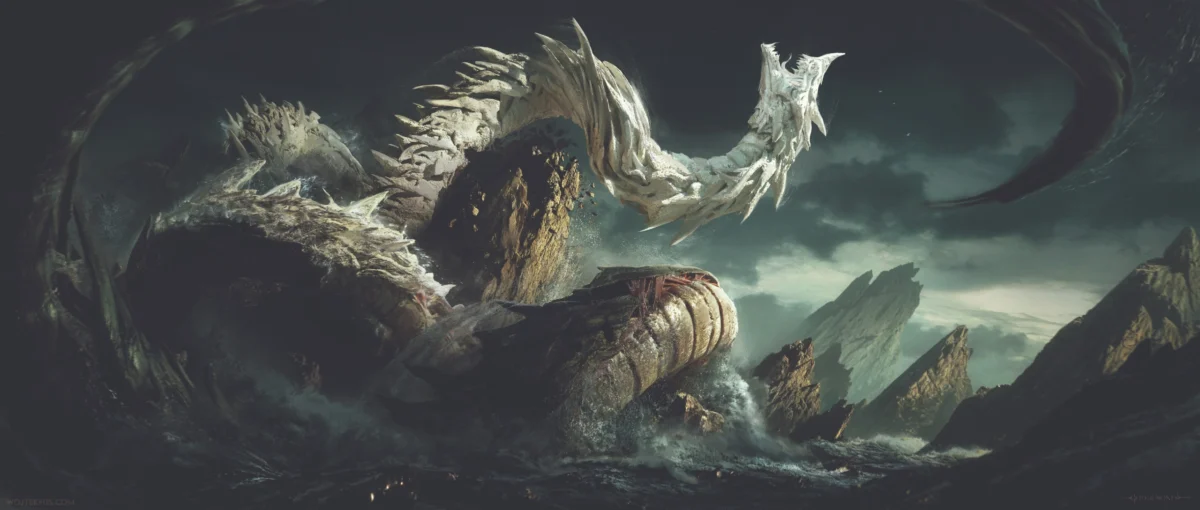
A deep dive into the intricate digital art process behind a pivotal scene in Paul Coulthard’s upcoming short film, "God of Bones."
The cinematic landscape is often defined by its iconic moments, those breathtaking visuals that linger in the viewer’s mind long after the credits roll. For Paul Coulthard’s ambitious short film project, "God of Bones," one such pivotal scene involves a colossal serpent, frozen in the throes of a petrifying death. Tasked with bringing this monumental vision to life was digital artist Wojtek Fus, who shares an in-depth look at the meticulous process of crafting this awe-inspiring vista.
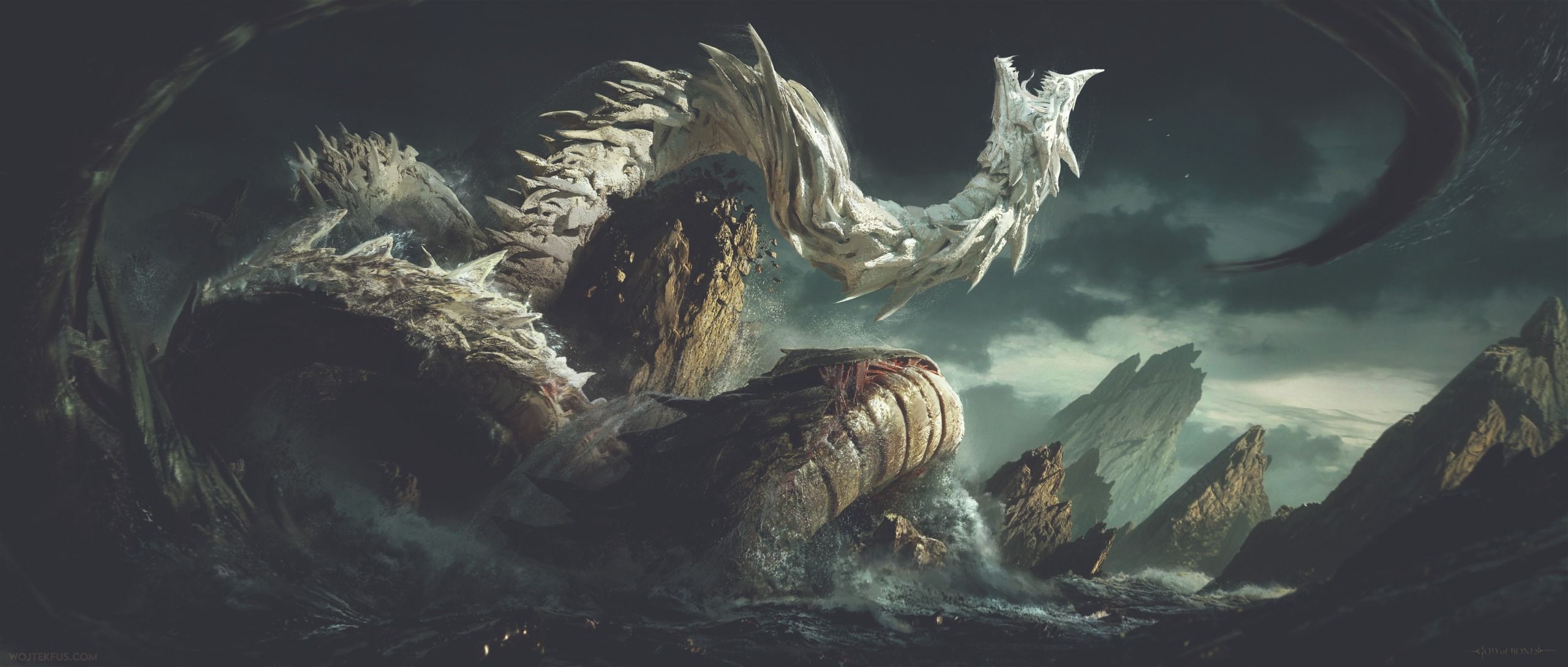
Fus was brought onto the "God of Bones" project with a specific mandate: to develop a key vista shot that would capture the immense scale, palpable weight, and dramatic sense of halted motion of a serpent calcifying into stone. Initial compositions, while promising, hadn’t fully conveyed the intended gravitas. Working in close collaboration with director Paul Coulthard, Fus embarked on a journey that transformed a raw concept into a visually stunning final image, a testament to the power of digital artistry and collaborative vision.
The serpent itself, a creature of immense power and mythical stature, was a collaborative effort. Its intricate design was overseen by Christian Bull, with the complex 3D modeling brought to life by Laurens Rasti and Wilmar Ballespi of the renowned studio Shoot First. This foundation of expert design and modeling provided Fus with the essential elements to build upon.
The Genesis of a Stone Serpent: A Multi-Stage Creation Process
The realization of such a complex visual spectacle is rarely a single, monolithic effort. Instead, it’s a carefully orchestrated sequence of artistic and technical steps, each building upon the last. Fus breaks down the creation of the "God of Bones" serpent scene into three core phases: conceptual sketching, 3D layout and blocking, and finally, rendering and meticulous paintover.
01. The Seed of the Vision: Concept Sketching
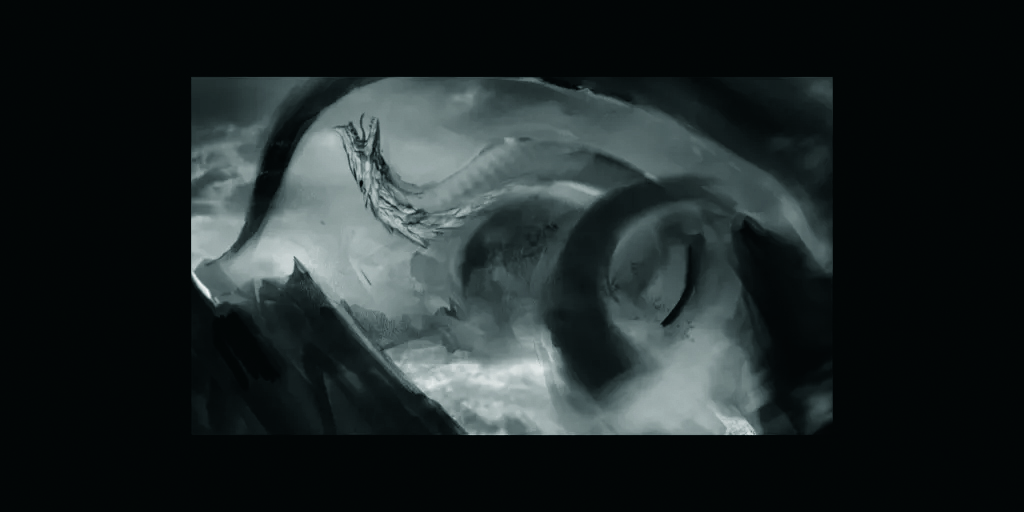
Every great artwork, whether digital or traditional, begins with an idea. For the serpent scene, this initial spark came in the form of a rough sketch by Paul Coulthard. This foundational drawing was not merely an artistic flourish; it was the blueprint for the entire scene. The primary objective of this sketch was to distill the core emotional and narrative elements into a single, powerful image. It aimed to establish a potent mood, conveying a sense of raw violence and the overwhelming scale of the serpent’s demise.
"The goal was to establish mood, violence, and vast scale in a single moment, with the serpent caught mid death throes," Fus explains. This initial sketch was crucial in defining the overall composition, dictating the rhythm of the visual narrative, and suggesting the dynamic motion that the serpent would embody even in its petrified state. It provided Fus with a clear, actionable direction, ensuring that the subsequent technical stages would remain aligned with the director’s artistic intent. This stage underscores the vital importance of conceptual clarity and collaboration in the early phases of any visual media project.
02. Building the World: 3D Layout in Blender
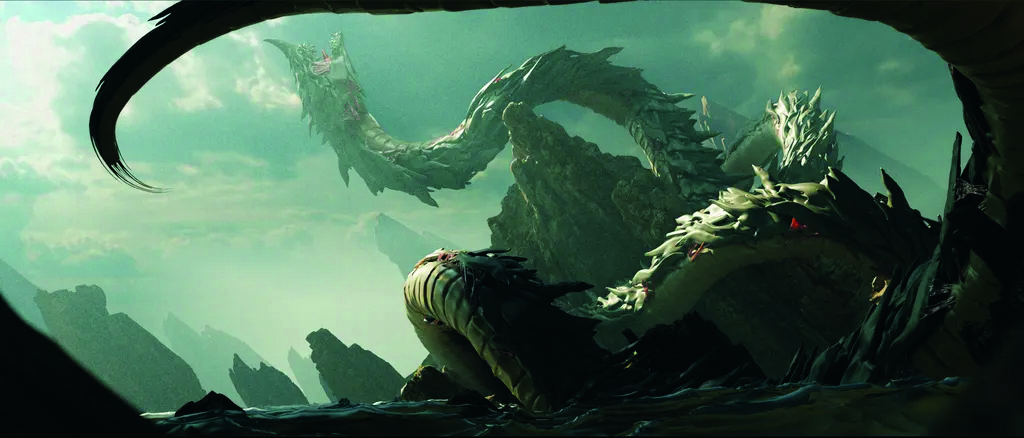
With the conceptual foundation firmly established, the next phase involved translating the 2D sketch into a tangible 3D space. Fus utilized Blender, a powerful and versatile open-source 3D creation suite, to begin blocking out the scene. This stage is akin to building the skeletal structure of the final image. The environment, a dramatic and imposing rocky formation, was constructed, and the meticulously modeled serpent was strategically placed within this vast, nascent world.
The collaboration between Fus and Coulthard was particularly intense during this phase. The focus was on achieving a delicate balance: ensuring the serpent remained the undeniable focal point of the scene, while simultaneously maintaining an intentionally unstable and dynamic cinematic arrangement. This involved careful consideration of camera angles, the placement of environmental elements, and the overall flow of the composition. The aim was to create a visual narrative that felt both grand and precarious, reflecting the serpent’s cataclysmic end.
"I began blocking the scene in Blender," Fus states. "I built the environment and placing the serpent within a large-scale rocky formation. Paul and I worked together to balance readability, scale, and dynamism. The focus was maintaining the serpent’s presence while keeping an intentionally unstable cinematic arrangement." This iterative process of placement and refinement is critical in 3D scene construction, allowing for rapid experimentation and adjustment to achieve the desired visual impact. The choice of Blender, known for its flexibility and accessibility, further facilitated this agile workflow.
03. Bringing it to Life: Rendering and Final Paintover
The 3D layout, while a crucial step, is still an intermediate stage. The raw output from the 3D software needs further refinement and artistic embellishment to achieve the level of detail and emotional resonance required for a cinematic vista. This is where the rendering and paintover phase comes into play, a stage where digital artistry truly shines.
After rendering the 3D scene, Fus meticulously integrated photographic elements and digital painting techniques. This process added crucial layers of realism and atmospheric depth. Ocean spray, the rough, weathered textures of the rocks, and subtle atmospheric effects were all introduced to enhance the believability and immersive quality of the scene. A particular challenge, as Fus notes, was refining the visual representation of the serpent’s calcification. Communicating this complex, transformative process – the transition from living flesh to inert stone – required careful attention to detail in terms of texture, form, and subtle visual cues.
"I rendered the scene and integrated photography and paint to add ocean spray, rock textures and atmospheric detail," Fus elaborates. "I also refined the serpent’s head calcification, a challenging effect to communicate clearly." The final, dramatic flourish in this stage was a compositional flip of the entire image. This decision, often made late in the process, can dramatically alter the perceived energy and flow of a scene, and in this case, likely served to heighten the impact of the serpent’s final moments.
The collaboration with Christian Bull for the serpent’s design and Laurens Rasti and Wilmar Ballespi for its modeling cannot be overstated. Their foundational work provided the detailed 3D asset that Fus could then manipulate and integrate into the larger scene. This division of labor, with specialists focusing on their respective areas of expertise, is a hallmark of modern visual effects production, allowing for a higher quality of output across all aspects of the project.
Supporting Data and Technical Considerations
While the narrative of artistic creation is compelling, the technical underpinnings are equally significant. The creation of such a detailed and large-scale scene involves significant computational power and sophisticated software.
- Blender’s Role: As mentioned, Blender was instrumental in the 3D layout and blocking. Its robust modeling tools, flexible rendering engines (such as Cycles and Eevee), and extensive library of add-ons make it a powerful choice for complex scene creation. The ability to quickly iterate on camera angles, lighting, and environmental placement within Blender was crucial for the collaborative refinement process with Coulthard.
- Photogrammetry and Texturing: The integration of photographic elements and detailed rock textures likely involved techniques such as photogrammetry, where real-world objects are scanned to create accurate 3D models and textures. This approach lends a high degree of realism to environmental elements.
- Rendering Engines: The choice of rendering engine within Blender (or potentially other integrated renderers) significantly impacts the final look and feel. Cycles, for instance, is a physically-based ray-tracing engine that produces highly realistic lighting and material interactions, essential for conveying the texture and weight of stone.
- Paintover Software: Software like Adobe Photoshop or Krita would have been used for the final paintover stage, allowing Fus to seamlessly blend rendered elements with digital painting, add atmospheric effects, and refine details that might be difficult to achieve purely in 3D.
- Scale and Performance: Creating a scene with a "large-scale" serpent and a vast environment requires careful optimization to manage polygon counts, texture memory, and scene complexity. Artists often use techniques like instancing, level of detail (LOD) systems, and efficient asset management to ensure smooth workflow and rendering times.
Official Statements and Artistic Intent
While this article primarily focuses on the artistic process, it’s worth noting the collaborative nature of the "God of Bones" project. The direct involvement of Paul Coulthard in refining the vision, from the initial sketch to the final adjustments, highlights a director who is deeply invested in the visual storytelling of his film.
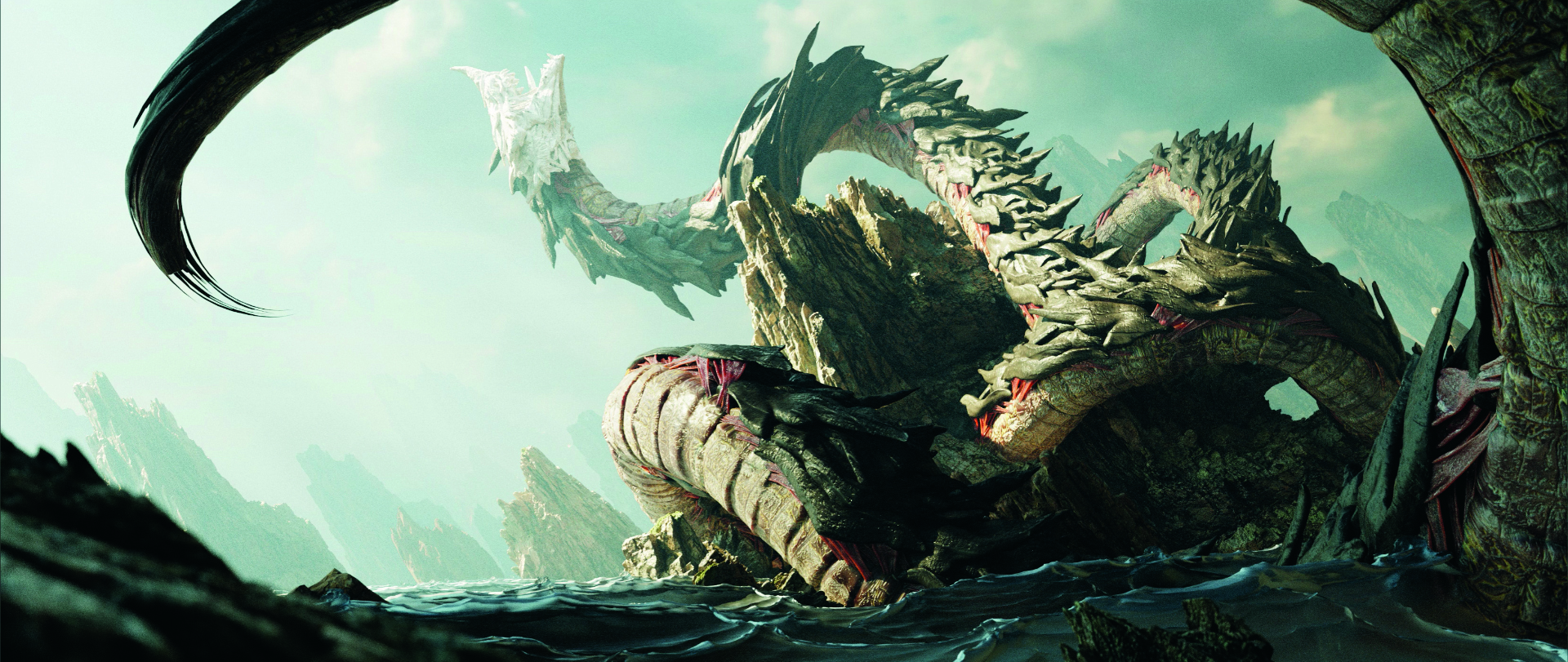
"Working closely with Paul, I refined the framing and atmosphere to push it to the final image seen here," Fus states, emphasizing the symbiotic relationship between director and artist. This collaborative spirit is essential for realizing a unique artistic vision. The project, being developed into a short film, suggests an intent to explore narrative themes through powerful, evocative imagery, with the serpent scene serving as a cornerstone of this visual language.
Implications and the Future of Digital Artistry
The creation of the "God of Bones" serpent vista exemplifies the evolving capabilities of digital art in filmmaking. It demonstrates how sophisticated 3D modeling, rendering, and compositing techniques can be employed not just for spectacle, but to serve a specific narrative and emotional purpose.
- Narrative Power of Visuals: This scene is designed to communicate a profound moment of transformation and demise. The calcification of the serpent is not just a visual effect; it’s a potent metaphor for the end of an era, the fading of power, or a profound cosmic event. The success of the visual hinges on its ability to convey these underlying themes.
- Collaborative Ecosystems: The project highlights the importance of a skilled team, with distinct roles and expertise. From concept and design to modeling and final rendering, each contributor plays a vital part in the overall success. This interconnectedness is a hallmark of modern film production.
- Technological Advancement: The seamless integration of 3D elements with photographic and painted details showcases the advancements in digital art software and hardware. This allows artists to push the boundaries of what is visually possible, creating increasingly believable and awe-inspiring worlds.
- The Short Film as a Canvas: The fact that this ambitious visual is being realized within a short film format suggests a growing trend of utilizing these powerful techniques for more focused, impactful storytelling. Short films, often serving as calling cards for filmmakers, can afford to invest in a few truly exceptional visual moments.
The "God of Bones" serpent scene is more than just a digital artwork; it’s a meticulously crafted piece of visual storytelling, born from a shared vision and brought to life through a sophisticated interplay of artistic talent and technological prowess. As the short film nears completion, this scene stands as a compelling preview of the epic scope and breathtaking artistry that audiences can expect.