Classical Art Meets Social Media: The Digital Renaissance of Untitled.Save
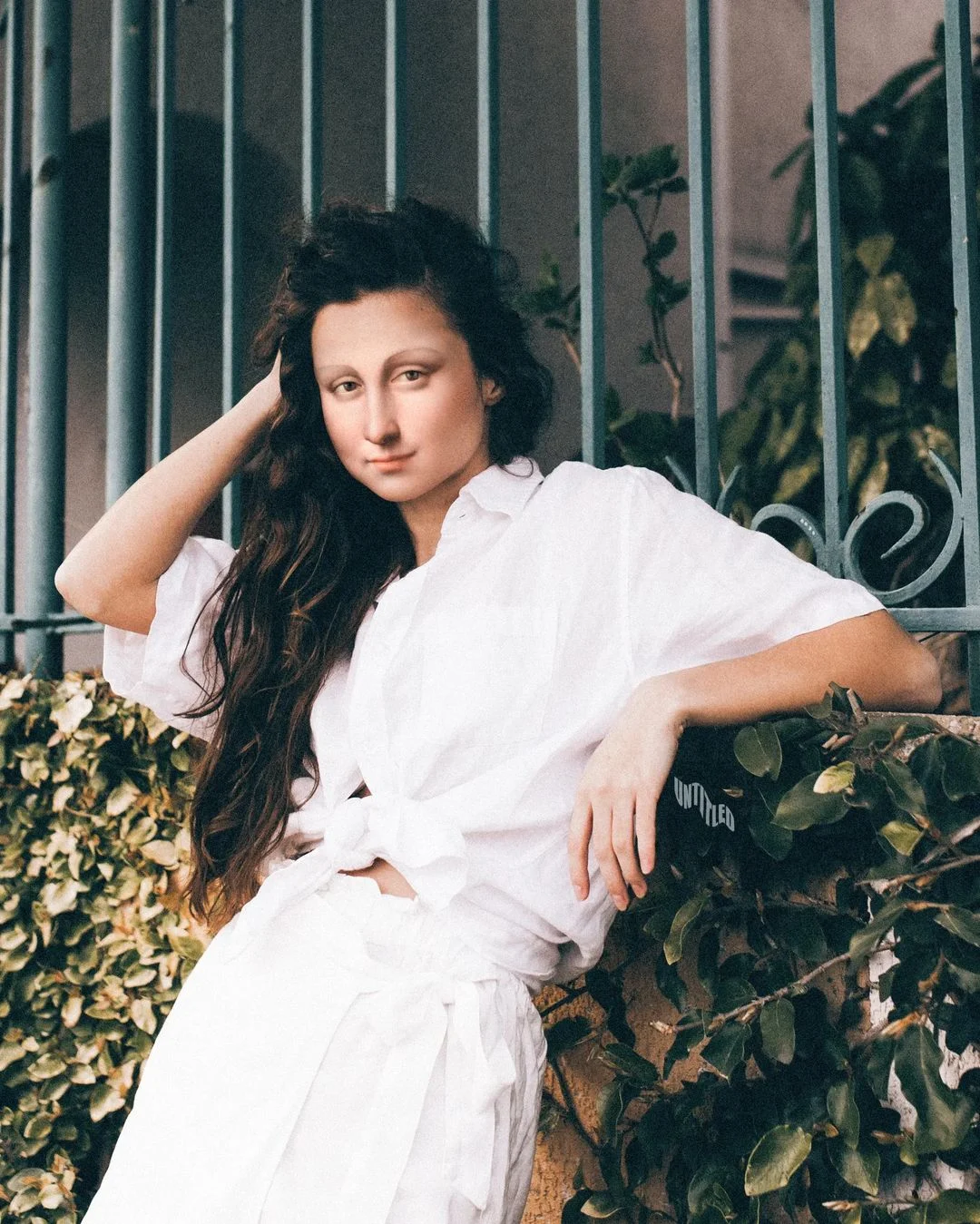
In the hallowed, hushed corridors of the Louvre or the Uffizi, the "Old Masters" reside in a state of perpetual, frozen grace. For centuries, these figures—Botticelli’s Venus, Da Vinci’s Mona Lisa, and the stoic subjects of Albrecht Dürer—have represented the pinnacle of human expression and the untouchable "high art" of Western civilization. However, in the hyper-accelerated era of the 21st century, a new kind of gallery has emerged: the infinite scroll of Instagram.
Enter Untitled.Save, a digital collage artist based in Porto, Portugal, who is effectively collapsing the distance between the Renaissance and the "Reels" era. By reimagining history’s most iconic artworks through the lens of modern social media culture, Untitled.Save is not merely "updating" old paintings; they are conducting a sophisticated sociological experiment on the nature of celebrity, vanity, and the evolution of the human image.
Main Facts: The Intersection of High Art and the Influencer Aesthetic
The core of Untitled.Save’s portfolio lies in the "Digital Renaissance"—a stylistic movement where the techniques of classical painting are grafted onto the visual language of the modern influencer. The artist takes the recognizable faces of the art history canon and places them in contemporary contexts: clutching smartphones, posing in "outfit of the day" (OOTD) mirrors, or lounging in the high-saturation environments typical of a travel blogger’s feed.
Based in the artistic hub of Porto, the artist (who maintains a degree of digital anonymity typical of the street-art-influenced generation) utilizes digital collage to bridge a gap that many art purists find sacrilegious. The work asks a fundamental question: If the subjects of the 16th century had access to the tools of 2024, how would they choose to be seen?

The results are jarring yet strangely harmonious. Frida Kahlo, an artist who was the original pioneer of the "selfie" through her numerous self-portraits, is reimagined as a self-aware digital queen. The Mona Lisa, whose enigmatic smile has puzzled historians for half a millennium, finds a new home as a lifestyle blogger, her mystery replaced by the calculated "candidness" of a social media star. This transformation highlights a shift in human portraiture from "being observed" by an artist to "observing oneself" through a front-facing camera.
Chronology: From Dadaist Collage to the Digital Frontier
To understand the rise of Untitled.Save, one must look at the chronological evolution of the collage medium. While digital tools like Photoshop and Procreate are modern, the spirit of Untitled.Save’s work is deeply rooted in the subversive art movements of the early 20th century.
The 1910s–1920s: The Birth of Subversion
The roots of this "remix culture" can be traced back to the Dadaists. Artists like Marcel Duchamp famously added a mustache to the Mona Lisa in his 1919 work L.H.O.O.Q., signaling a move toward "readymades" and the desecration of "sacred" art to make a political point. Untitled.Save continues this lineage, though the "mustache" is now a designer handbag or a pair of high-waisted jeans.
The 1950s–1960s: Pop Art and Mass Media
Pop Art, led by figures like Richard Hamilton and Andy Warhol, began the process of merging "low-brow" commercial culture with "high-brow" fine art. Warhol’s repetition of Marilyn Monroe or soup cans mirrors the repetitive, algorithmic nature of today’s social media feeds—a theme Untitled.Save explores by treating classical figures as "brands" or "icons" for the digital age.

The 2010s–Present: The Rise of the Digital Collage
With the democratization of design software, the 2010s saw the birth of "Glitch Art" and "Vaporwave," aesthetics that relied heavily on nostalgic recycling. Untitled.Save emerged in this era, refining the "remix" into something more polished and narratively driven. Rather than just distorting the image, the artist uses their background in Product Design to ensure the "usability" and "vibe" of the image feel authentic to both the 1500s and the 2020s.
Supporting Data: Analyzing the "Influencer" Reimagining
The success of Untitled.Save’s work can be measured by its resonance across digital platforms, where the art often goes viral. This is largely due to the artist’s meticulous attention to the "Visual Language of Influence."
1. The "Venus" Phenomenon
In Botticelli’s The Birth of Venus, the goddess represents divine love and classical beauty. In the Untitled.Save version, she is often seen in a modern beach setting, perhaps holding a smartphone or wearing contemporary swimwear. This serves as a commentary on the "Gaze." In the 1480s, Venus was a passive subject for the male viewer; in the 2020s, the "Influencer Venus" is an active participant in her own myth-making, controlling her lighting and her angles.
2. The Salvador Dalí Paradox
One of the most frequent subjects in Untitled.Save’s work is Salvador Dalí. This choice is significant because Dalí was arguably the first "influencer" of the art world. He understood the power of the personal brand, the iconic mustache, and the public stunt. By placing Dalí in modern streetwear or a digital-first environment, Untitled.Save highlights that the eccentricities we see on TikTok today are merely a digital extension of the Surrealist manifestos of the 1930s.

3. Technical Precision
The "data" of these collages shows a high level of technical skill. The artist doesn’t just "copy-paste" faces. They match the grain of the original canvas with the digital noise of a smartphone camera. They align the lighting of a 17th-century chiaroscuro painting with the artificial "ring light" glow of a modern studio. This technical bridge makes the impossible seem plausible.
Official Responses: An Interview with Untitled.Save
In a rare look behind the digital curtain, Untitled.Save shares the philosophy and personal history that drives their creative process. The following is a profile based on recent correspondence with the artist.
The Formative Years:
Surprisingly, the path to becoming a world-renowned digital artist did not begin in a traditional fine arts academy. "I attended a hairdressing course and have a degree in Product Design," the artist explains. This combination of "styling" (the aesthetic) and "design" (the function) is evident in every piece. As a child, the artist dreamt of being a cyclist—a pursuit of speed and movement that perhaps translates into the fast-paced nature of digital creation.
The Philosophy of the "Next" Piece:
When asked which piece they are most proud of, the artist offers a classic creator’s retort: "The one I’m yet to create." This forward-looking perspective keeps the work from becoming stagnant. Despite the viral success of their "Mona Lisa" or "Frida" series, the artist remains tethered to the idea of constant evolution.

Influences and Identity:
The artist cites Salvador Dalí and Rui Reininho as major influences, blending the surreal with the contemporary. Interestingly, despite the global nature of their work, the artist feels a strong pull toward their home. "My dream project is to have an exhibition or project in Portugal. So far, the opportunities I’ve had have always been abroad."
The Role of Technology and AI:
In an era where Artificial Intelligence is disrupting the art world, Untitled.Save remains a cautious observer. "I’m paying close attention to AI developments. I’ve tried it, but I haven’t yet found a personal identity in it, which is why I’ve never published anything [using it]." This highlights a crucial distinction in the "Digital Renaissance": while the tools are digital, the soul of the work remains human-led, relying on the artist’s eye for composition and cultural satire rather than an algorithm’s prediction.
Implications: The Democratization of Art and the Mirror of Vanity
The work of Untitled.Save carries significant implications for how we consume art and how we view ourselves in the digital age.
The "Democratization" of the Gallery
By bringing the Old Masters to Instagram, Untitled.Save is performing a service of cultural translation. For many younger viewers, a 500-year-old painting can feel alien or irrelevant. By placing these figures in a recognizable context—holding a Starbucks cup or posing in a gym—the artist makes the history of art accessible. It removes the "stuffy" barrier of the museum and places art in the palm of the viewer’s hand.

Commentary on the "Digital Ego"
Perhaps the most profound implication of this work is its critique of modern vanity. By showing that even the most "sacred" figures of history would likely fall prey to the allure of the "Like" button, Untitled.Save suggests that human nature hasn’t changed; only our tools have. The idealization that occurred in a Renaissance painter’s studio is functionally identical to the "FaceTune" filters used by modern influencers. We have always sought to present a perfected, curated version of ourselves to the world.
The Future of Anonymity
Untitled.Save’s desire to collaborate with Banksy due to the "anonymity of that collaboration" speaks to a growing trend among digital artists. In an age of total surveillance and overexposure, the artist’s "superpower"—knowing how to say no—becomes a form of resistance. By staying behind the work, the artist allows the art to speak for itself, ensuring that the focus remains on the "Digital Renaissance" rather than the personality behind the screen.
In conclusion, Untitled.Save is more than a collage artist; they are a digital historian of the present. By stitching together the threads of our artistic past with the fabric of our digital future, they provide a mirror in which we can see both our ancestors and our avatars. As we continue to navigate the "beautiful and twisted" nature of the human race, the work of Untitled.Save serves as a reminder that while the medium may change—from oil on canvas to pixels on a screen—our desire to be seen, remembered, and "saved" remains eternal.