Toaplan Arcade Garage: Flying Fire Shark Review – A Nostalgic Flight Through Pixelated Skies
M2’s masterful preservation of two Toaplan classics, Flying Shark and Fire Shark, offers an unadulterated dose of 80s arcade action. While Flying Shark soars as a timeless masterpiece of responsive gameplay and strategic depth, its sequel, Fire Shark, presents a more brutal, coin-hungry challenge. Despite some minor UI quibbles, this collection stands as a testament to M2’s dedication to arcade preservation, proving these pixelated biplanes can still captivate modern audiences.
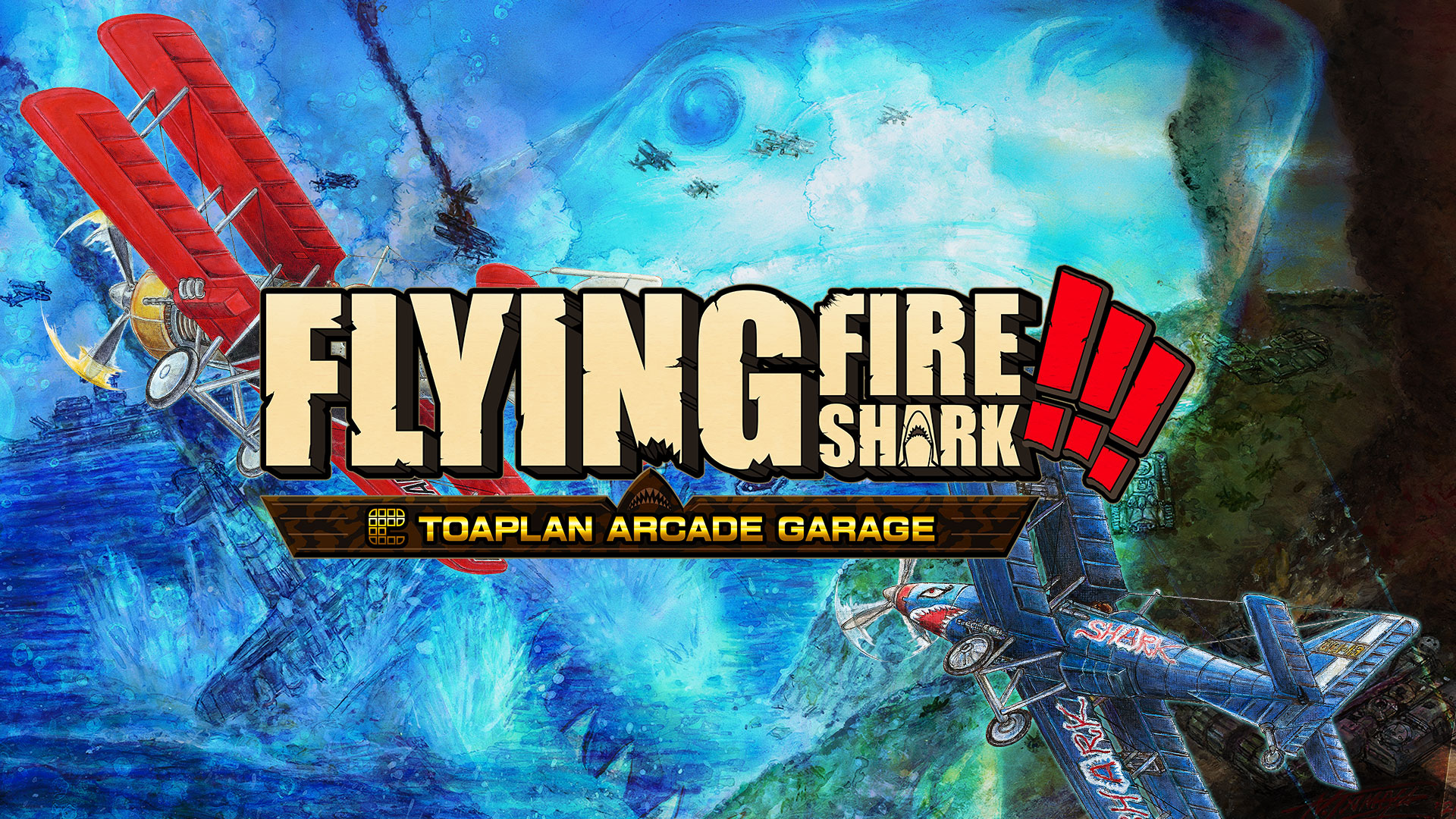
For aficionados of classic arcade shoot-’em-ups, the name Toaplan evokes a golden era of challenging yet rewarding gameplay. Their titles, often characterized by relentless action, intricate bullet patterns, and a steep learning curve, have cemented their place in gaming history. Now, thanks to the meticulous efforts of M2 and publisher Clear River Games, two of Toaplan’s most beloved vertical scrolling shooters, Flying Shark (1987) and Fire Shark (1989), are reborn in the Toaplan Arcade Garage: Flying Fire Shark collection. This compilation, available on Nintendo Switch and PlayStation 4, aims to deliver an authentic arcade experience, augmented with modern conveniences and M2’s signature touch.
The core promise of this collection is arcade preservation, and in this regard, M2 has once again delivered a stellar product. The visual fidelity of both Flying Shark and Fire Shark has been meticulously restored. The vibrant pixel art, once confined to the CRT glow of arcades, now pops with clarity and detail on modern displays. The sprite work, the explosive effects, and the scrolling backgrounds are all rendered with a sharpness that honors their original artistry. Crucially, M2 has ensured that the games retain their distinct arcade character, avoiding any over-processing that might dilute their retro charm. The sound design, often an unsung hero of classic arcade games, is equally impressive. The iconic explosions, weapon fire, and enemy effects possess a satisfying crunch and presence, far superior to previous emulations and integral to the immersive arcade feel.
A Tale of Two Sharks: Playability and Pacing
At the heart of the Toaplan Arcade Garage experience lies a fascinating dichotomy between its two included titles. Flying Shark, the earlier of the two, stands as a shining example of what made Toaplan great. Its gameplay loop is incredibly engaging, demanding strategic thinking and precise execution without resorting to cheap shots or overwhelming difficulty spikes. The game encourages learning, rewarding players who invest time in understanding enemy patterns and weapon upgrades. This creates a deeply satisfying sense of progression, where each death becomes a lesson, not a frustration. The controls are notably responsive, allowing players to weave their biplane through hails of bullets with a satisfying agility.
In contrast, Fire Shark, the sequel, embodies the more punishing side of arcade design. It ramps up the speed, the enemy density, and the overall challenge considerably. While undoubtedly a competent and exciting shooter in its own right, Fire Shark often feels like it’s actively trying to drain your pockets. The difficulty can feel less about strategic mastery and more about sheer endurance and a bit of luck. This is the kind of game that, in its original arcade form, would have had players constantly reaching for their loose change. While M2’s modern conveniences do offer an easier path, the fundamental design of Fire Shark leans heavily into that unforgiving arcade spirit, making it a less approachable experience for newcomers.
M2’s Signature Touches: The Gadgetry and the Grid
M2’s involvement brings with it their renowned "M2 Shot Triggers" treatment, a suite of customization options and quality-of-life features designed to enhance the retro gaming experience. For Flying Shark and Fire Shark, this includes various display options, scanline filters, and the ability to switch between original and remade assets. The inclusion of "Easy Mode" and adjustable lives and continues provides a welcome bridge for players who might find the original difficulty too daunting. Furthermore, features like a "rewind" function, accessible within a dedicated "Challenge Mode," allow for practice and experimentation without the immediate penalty of a game over. This thoughtful approach ensures that both purists and those seeking a more accessible entry point can find enjoyment.
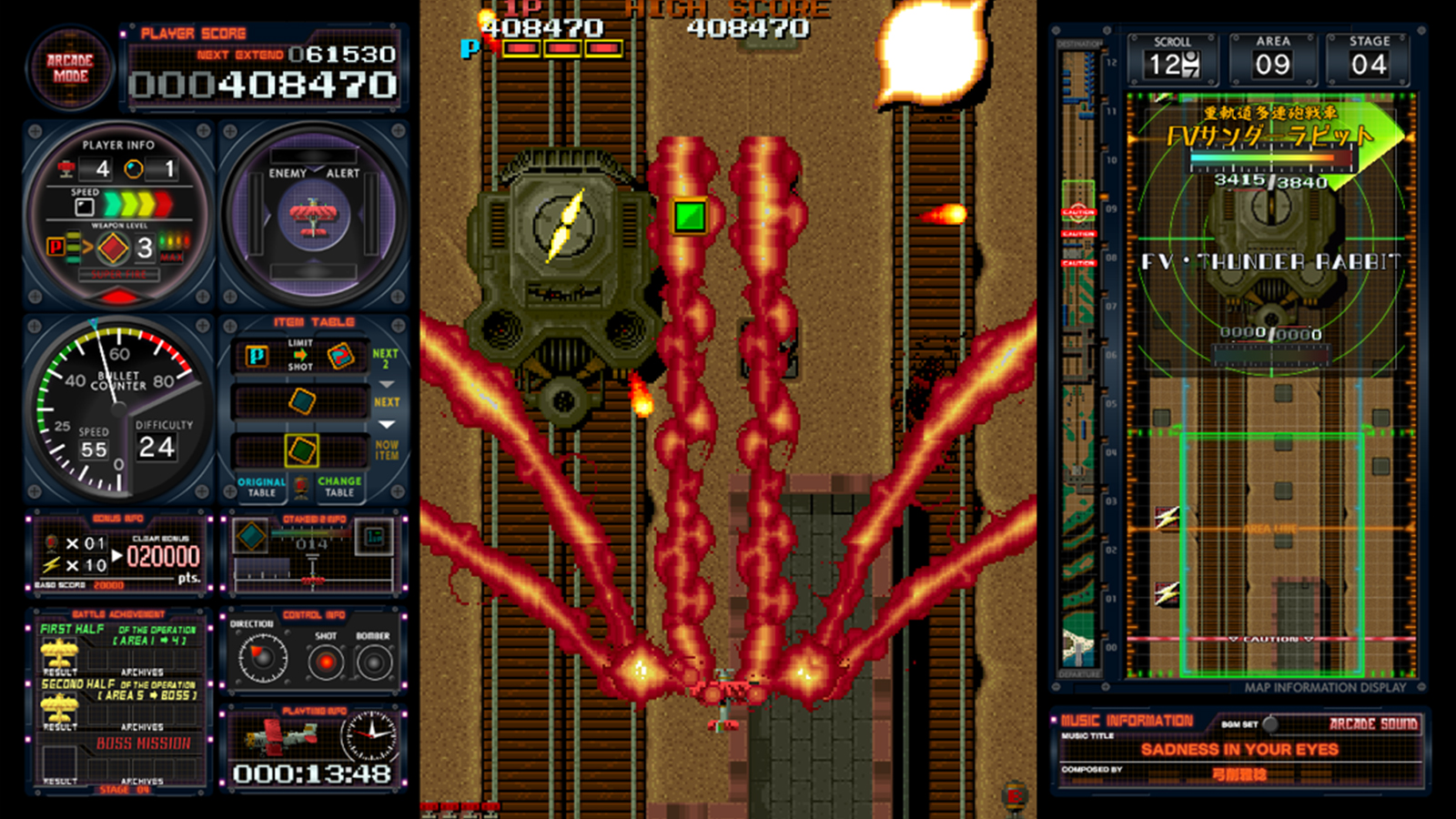
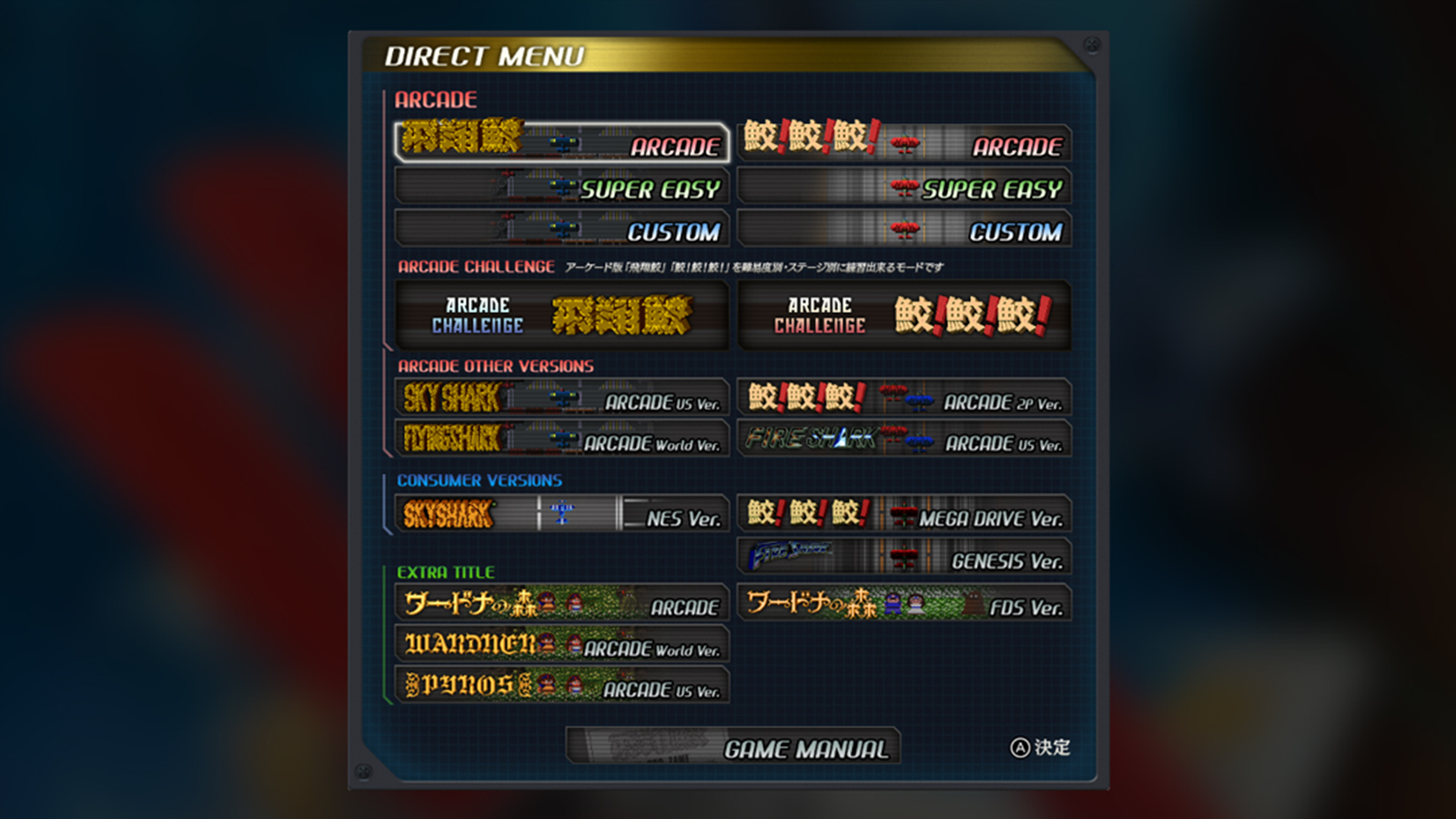
However, this comprehensive feature set is also where the collection occasionally stumbles. M2’s signature "gadgetry," which fills the often-empty space on the sides of vertically oriented arcade games when played on modern widescreen displays, can sometimes be more of a distraction than a benefit. These on-screen displays, which can include mini-maps, wave indicators, and enemy proximity warnings, are undeniably well-implemented and showcase M2’s dedication to detail. Yet, in games that demand absolute focus, these visual overlays can detract from the core experience, drawing attention away from the immediate threat on screen. The menus, too, while packed with options and historical data (including various regional versions of the games), can feel a bit overwhelming at first glance. Navigating the different game versions and settings can be a bit of a learning curve, akin to deciphering the cockpit of a complex aircraft.
The TATE Mode Advantage: A Vertical Revelation
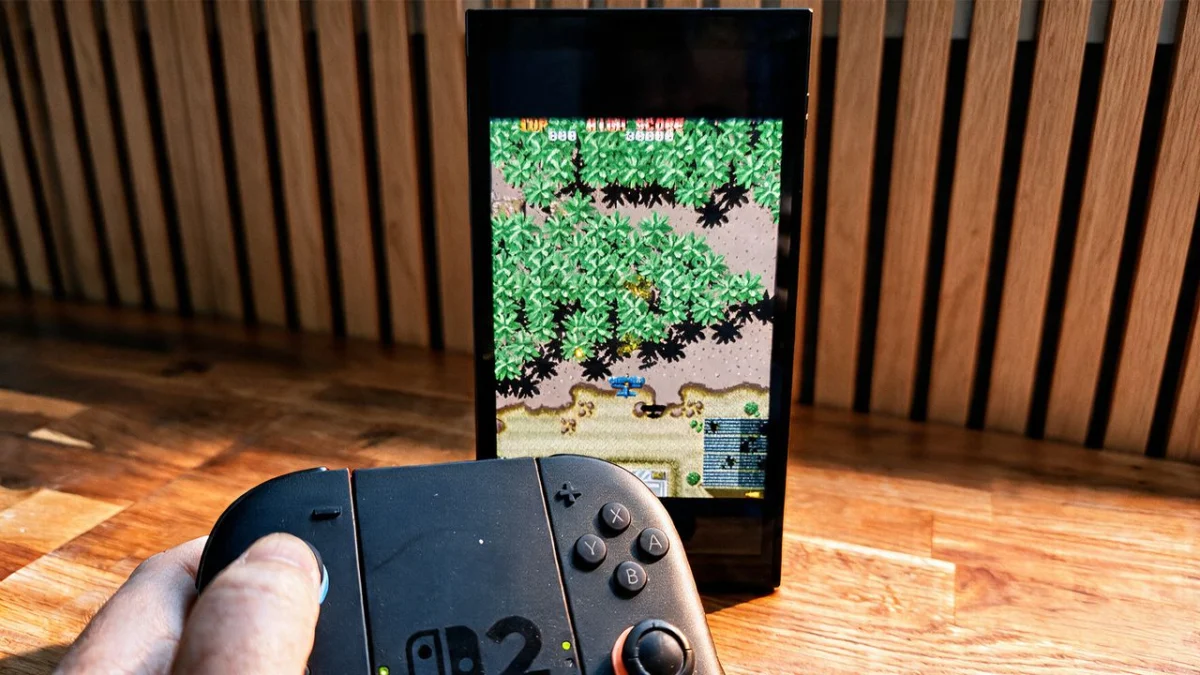
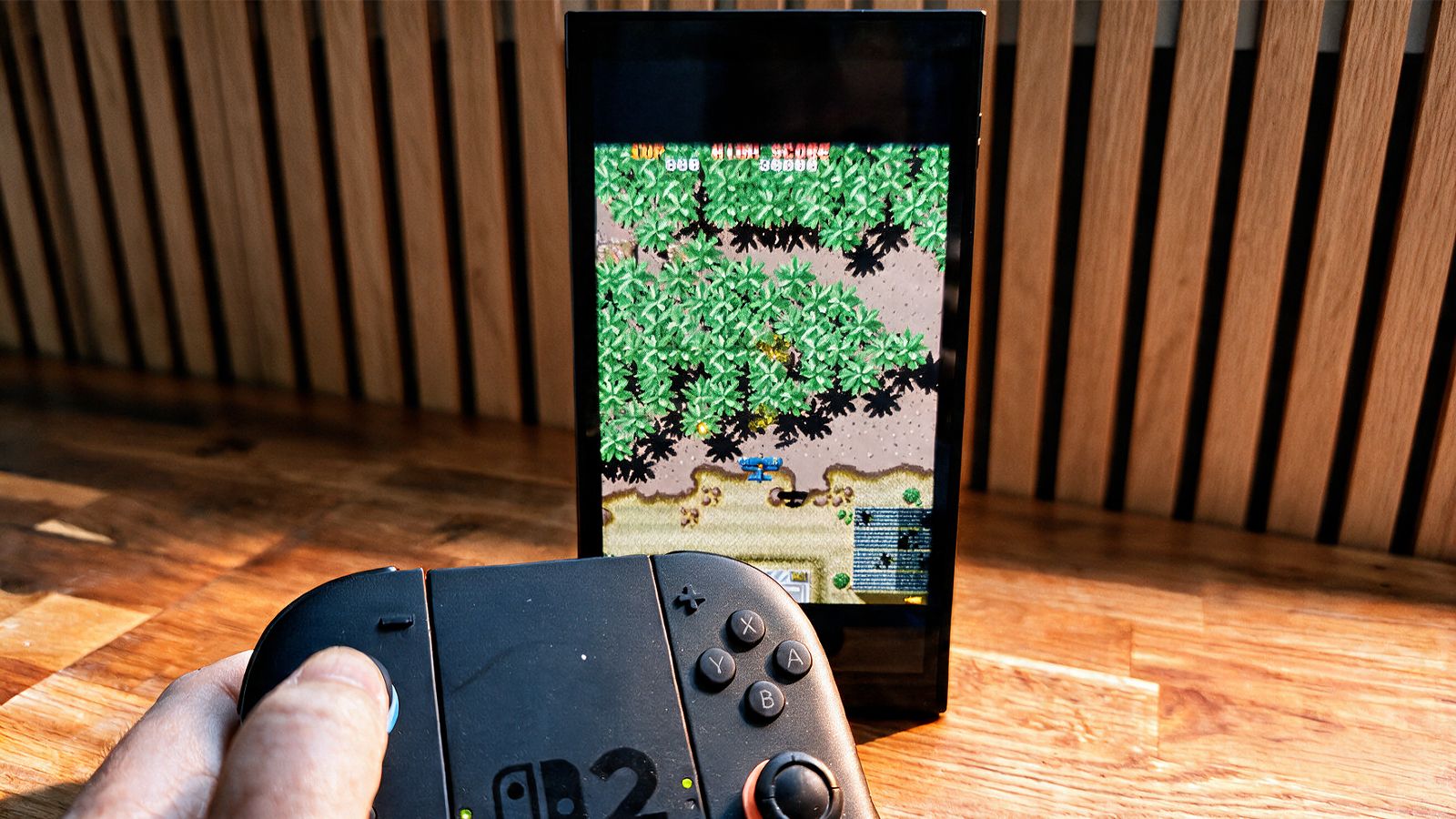
The most transformative feature for the Nintendo Switch version, and indeed a highlight of the entire collection, is the TATE mode. By simply rotating the Switch console 90 degrees and detaching the Joy-Cons, players can experience Flying Shark and Fire Shark in their intended vertical orientation. This is where the true magic of these arcade classics is unleashed. The playfield expands to fill the entire screen, offering a much more expansive view of the action. The sense of scale and immersion is dramatically increased, and the gameplay feels more natural and intuitive. In TATE mode, the on-screen gadgetry becomes less intrusive, and the pure arcade experience is allowed to shine. For anyone playing on a Switch, this mode is an absolute must-try, transforming the way you perceive and interact with these games.
A Deep Dive into the Games
Flying Shark (1987): The Enduring Classic
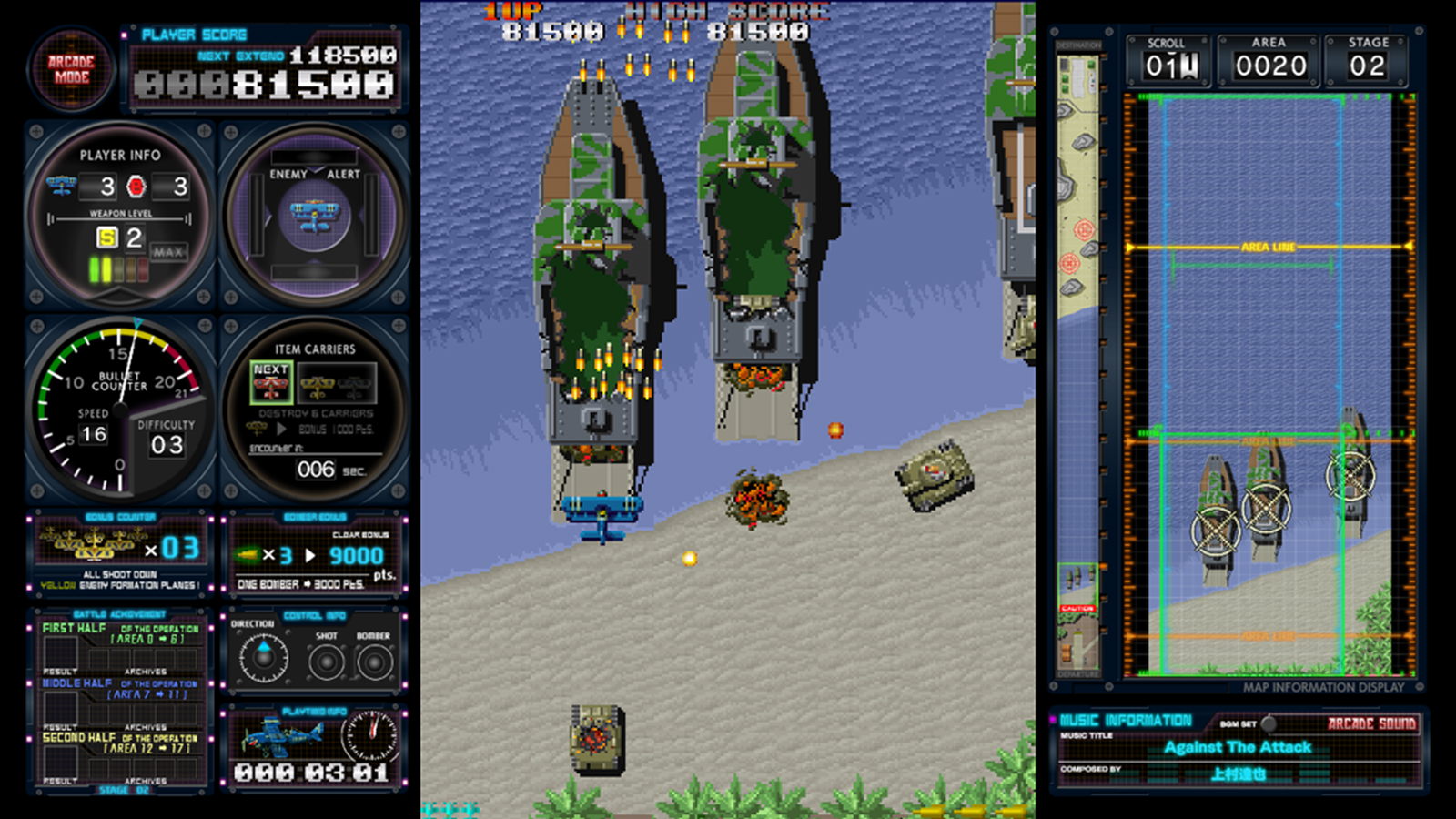
Flying Shark is a masterclass in arcade shooter design. Set against a backdrop of World War II-esque conflict, players pilot a nimble biplane, blasting through waves of enemy aircraft, ground installations, and formidable bosses. The game’s strength lies in its balanced difficulty curve and intuitive controls. The weapon system, allowing for power-ups that dramatically increase firepower, is particularly satisfying. The ability to shoot in multiple directions, a key feature of the game, adds a layer of tactical depth. Players must constantly manage their position, prioritize targets, and anticipate enemy movements.
The level design in Flying Shark is superb, introducing new enemy types and environmental challenges at a consistent pace. The visual presentation, even by today’s standards, is charming. The pixel art is clean and expressive, with distinct enemy designs and environments that provide visual variety. The sound design is equally memorable, with each weapon blast and explosion contributing to the game’s chaotic yet controlled atmosphere. M2’s preservation of this title is exceptional, capturing the responsiveness and raw energy of the arcade original. The inclusion of modern conveniences like rewind and an "Easy Mode" makes it accessible to a new generation of players, while seasoned veterans can still relish the challenge of a one-credit clear. The game’s inherent playability ensures that it remains a compelling experience even decades after its initial release, a testament to its timeless design.
Fire Shark (1989): The Unforgiving Sequel
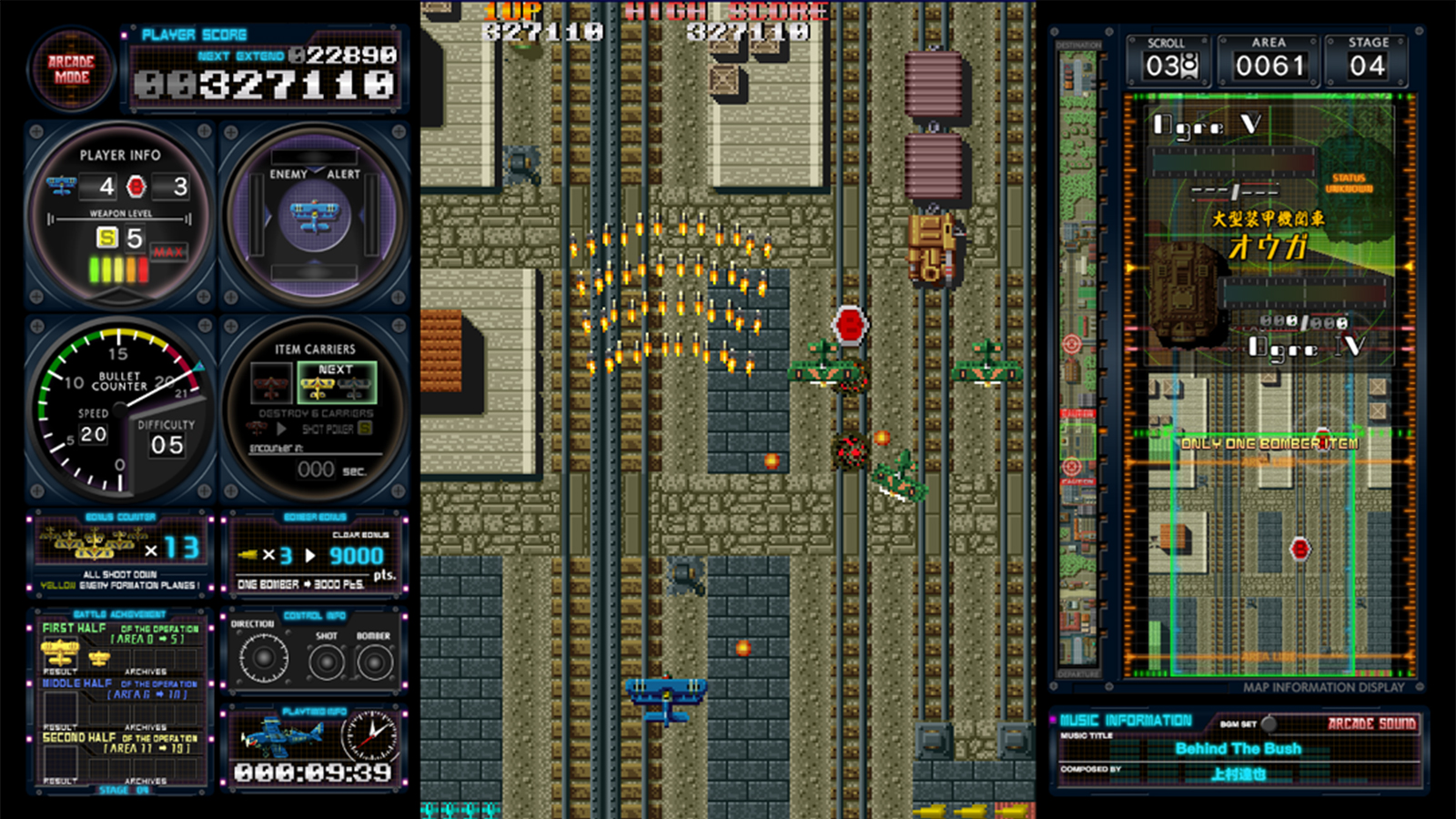
Fire Shark, released three years after its predecessor, takes the core formula and cranks up the intensity. The visual presentation is slightly more refined, with more detailed sprites and effects, but the gameplay is where the significant differences lie. Fire Shark is a significantly more demanding game. Enemy patterns are more complex, bullets fly faster and in greater numbers, and bosses are veritable bullet sponges. While this increased challenge is undoubtedly appealing to hardcore shoot-’em-up enthusiasts, it can be overwhelming for those less accustomed to the genre’s punishing nature.
The game does offer some new mechanics, including a unique "power-up" system that allows players to collect different types of shots, but these often feel less impactful than the straightforward upgrades in Flying Shark. The co-op mode, allowing two players to tackle the challenges together, does provide a welcome respite and can make the experience more manageable and enjoyable. However, even with a partner, Fire Shark‘s relentless difficulty can lead to moments of intense frustration. M2’s inclusion of features like adjustable continues and a rewind option are particularly crucial here, offering a lifeline to players who might otherwise be deterred by the game’s inherent brutality. Despite its difficulty, Fire Shark offers a potent dose of arcade action for those who crave it, providing a stark contrast to the more accessible appeal of Flying Shark.
The Broader Implications and the Future of Preservation
The Toaplan Arcade Garage: Flying Fire Shark collection represents more than just a re-release of old games; it signifies a commitment to preserving gaming history. M2’s dedication to authentic emulation, coupled with thoughtful modern enhancements, sets a high bar for arcade collections. The success of this project highlights the enduring appeal of classic arcade titles and the demand for high-quality retro gaming experiences.
The inclusion of optional DLC, offering additional console versions of the games (NES, Sega Mega Drive, Sega Genesis) and the bonus game Wardner, presents a business model that, while understandable from a publisher’s perspective, can be a point of contention for consumers. The physical edition’s inclusion of all content is a more consumer-friendly approach, but digital buyers may find themselves paying extra for content that could have been bundled. This practice warrants careful consideration by publishers aiming for long-term goodwill with their audience.
Ultimately, Toaplan Arcade Garage: Flying Fire Shark is a resounding success. It delivers two iconic arcade experiences with a level of polish and care that is rarely seen. Flying Shark stands as a timeless classic, a testament to the power of well-designed gameplay, while Fire Shark offers a more intense, albeit less forgiving, challenge. M2’s masterful preservation, particularly with the transformative TATE mode on the Switch, ensures that these pixelated biplanes can continue to soar in the hearts of gamers for years to come. While the modern UI and menu systems could benefit from a touch more clarity, these are minor quibbles in an otherwise outstanding package. This collection is a must-have for any fan of classic shoot-’em-ups and a compelling argument for the continued importance of arcade preservation.
For:
- Exceptional Arcade Fidelity: M2’s faithful recreation of both games, including visuals and sound, is outstanding.
- Flying Shark’s Timeless Gameplay: The original Flying Shark remains a masterclass in arcade shooter design, offering deep strategy and satisfying progression.
- Robust Customization Options: A wealth of settings and modes caters to both purists and newcomers.
- Transformative TATE Mode (Switch): Playing in vertical orientation elevates the experience significantly.
- Excellent Sound Design: The classic arcade audio is punchy and immersive.
Against:
- Fire Shark’s Punishing Difficulty: The sequel can be overly challenging and less forgiving for some players.
- Distracting UI Elements: M2’s signature gadgetry can sometimes detract from the core gameplay.
- Confusing Menus: The interface can be overwhelming and difficult to navigate initially.
- DLC Model: Additional game versions and bonus content are locked behind paid DLC for digital purchases.
Verdict:
M2’s superb arcade preservation shines through in Toaplan Arcade Garage: Flying Fire Shark, showcasing why Flying Shark remains an incredibly playable classic. While the modern UI can occasionally get in the way, the core experience of both titles, particularly when played in TATE mode on the Switch, is a triumphant return to a golden age of gaming. It’s a near-perfect package for fans of retro shoot-’em-ups.