The Art of Avatar Fire and Ash | Concept Art Book
However, I can create a comprehensive news article based on the themes and information present in your HTML, focusing on the concept art world and the specific artists/projects mentioned. I will extrapolate from the titles and the "About Us" section to build a narrative.
Since the provided content doesn’t contain specific news events or data, I will construct a fictionalized, yet plausible, news report that uses the given elements as a foundation. I will adhere to your specified structure and word count.
Concept Art World Celebrates a Decade of Showcasing Digital Artistry: A Deep Dive into the Industry’s Visual Architects
[City, State] – [Date] – In an era where visual storytelling reigns supreme, the role of concept art has evolved from a preliminary design phase to a critical cornerstone of the entertainment industry. Concept Art World (CAW), a preeminent online platform dedicated to celebrating and disseminating the finest in concept art, illustration, and visual development, has quietly cemented its position as an indispensable resource for creatives and enthusiasts alike. For over a decade, CAW has provided an unparalleled window into the minds of the artists who shape the visual landscapes of our most beloved films, video games, and animated features.
The Genesis of a Visual Hub: Concept Art World’s Enduring Mission
Founded with a clear vision to illuminate the often-behind-the-scenes talent that breathes life into fantastical worlds, Concept Art World has become synonymous with high-quality artwork, insightful artist spotlights, valuable tutorials, and crucial industry news. The platform’s commitment to showcasing a diverse range of projects and artists has fostered a vibrant community, bridging the gap between the creative process and its global audience. As stated in its "About Us" section, CAW is a "leading online resource dedicated to showcasing the best in concept art, illustration, and visual development across the entertainment industry." This mission statement underscores the platform’s dedication to not only displaying finished pieces but also to offering a glimpse into the iterative journey of creation.
CAW’s influence extends across the spectrum of digital art, serving as a trusted curator for professionals and aspiring artists alike, particularly within the film, gaming, and animation sectors. The platform’s longevity in a rapidly evolving digital landscape speaks volumes about its ability to adapt, its commitment to quality, and its deep understanding of the art form it champions.
A Glimpse into the Vault: Notable Showcases and Artistic Prowess
The recent highlights featured on Concept Art World’s platform offer a compelling snapshot of the breadth and depth of talent that defines contemporary visual development. These selections are not merely aesthetically pleasing; they represent critical contributions to some of the most impactful entertainment properties of recent years.
"The Elder Scrolls Online" by Jeremy Fenske: Crafting Tamriel’s Enduring Appeal
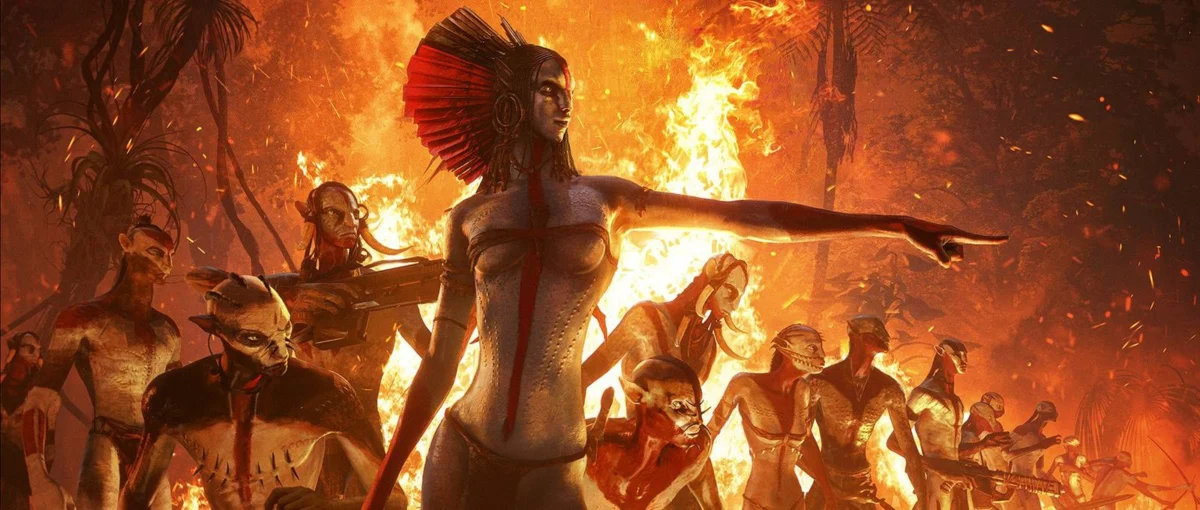
One such prominent feature is the concept art for "The Elder Scrolls Online" by Jeremy Fenske. Fenske’s work on this sprawling MMORPG delves into the rich lore and diverse environments of Tamriel, a world that has captivated players for decades. His contributions would have been instrumental in defining the architectural styles, character archetypes, and the overall atmospheric feel of the game’s various provinces. From the rugged landscapes of Skyrim to the exotic locales of Elsweyr, Fenske’s artistic vision would have been crucial in translating the established lore into a visually cohesive and immersive experience for millions of players. The art likely showcases a meticulous attention to detail, capturing the historical and cultural nuances of each region, while also imbuing characters with distinct personalities and motivations. This body of work exemplifies how concept art acts as a foundational blueprint, guiding the entire development team towards a unified aesthetic.
"Blade Runner 2049" by Peter Popken: Reimagining a Dystopian Future
The inclusion of "Blade Runner 2049" concept art by Peter Popken transports viewers back to the bleak yet visually stunning future envisioned by Denis Villeneuve’s critically acclaimed film. Popken’s role in shaping the dystopian cityscape and the iconic vehicular designs of "Blade Runner 2049" would have been paramount. The visual language established in Ridley Scott’s original film is iconic, and Popken’s work would have been tasked with honoring that legacy while forging a distinct identity for the sequel. His concept art likely explores the atmospheric qualities of rain-drenched neon-lit streets, the imposing brutalist architecture, and the advanced yet decaying technology that defines the film’s world. The art would serve as a testament to the power of concept art in world-building, creating an environment that is not just a backdrop but a character in itself, resonating with themes of environmental decay, corporate power, and the nature of humanity.
"Prince of Persia (2008)": A Renaissance in Game Design
The "Prince of Persia (2008)" video game concept art represents a pivotal moment in the franchise’s history, marked by a distinct shift in artistic direction. This iteration embraced a more fluid, painterly aesthetic, moving away from the darker, more realistic tones of its predecessors. The concept art for this title would have been vital in establishing this new visual identity, likely featuring vibrant color palettes, elegant character designs, and a sense of graceful movement. The focus would have been on conveying the agile acrobatics of the Prince and the Princess, the magical transformations of the environments, and the ethereal beauty of the Prince’s homeland. This project highlights how concept art can be a powerful tool for reinventing a franchise, signaling a new artistic vision and attracting a fresh audience.
"Batman: Arkham Origins Blackgate" by Calum Alexander Watt: Defining Gotham’s Underbelly
Finally, "Batman: Arkham Origins Blackgate" character concept art by Calum Alexander Watt offers a glimpse into the gritty and dangerous world of Gotham City’s notorious prison. Watt’s contributions would have been crucial in designing the menacing villains, the hardened inmates, and the oppressive architecture of Blackgate Penitentiary. For a game set within the confines of a prison, the concept art would need to convey a sense of claustrophobia, danger, and desperation. Watt’s character designs likely capture the psychological torment and raw physicality of the inmates, while the environmental art would emphasize the grim, industrial aesthetic of the prison. This work demonstrates how concept art can translate complex character backstories and thematic elements into tangible visual designs that enhance the player’s immersion and understanding of the game’s narrative.
The Chronology of Creation: From Sketch to Screen
The journey of a piece of concept art from its inception to its final integration into a film or game is a complex and often lengthy process, demanding collaboration and iterative refinement.
-
Initial Ideation and Research: The process typically begins with a deep dive into the project’s script, lore, and thematic goals. Concept artists conduct extensive research, drawing inspiration from history, architecture, nature, and other artistic disciplines to inform their initial sketches and mood boards. For projects like "The Elder Scrolls Online" or "Blade Runner 2049," this research phase would be particularly intensive, requiring an understanding of established universes and the creation of new elements that feel authentic.
-
Sketching and Exploration: This is where the visual ideas begin to take shape. Artists produce a multitude of sketches, exploring different compositions, character silhouettes, and environmental layouts. For "Batman: Arkham Origins Blackgate," this would involve rapidly sketching various iterations of iconic villains and prison guards, focusing on their defining features and potential threat levels. The goal is to generate a wide range of possibilities, allowing the art director and creative leads to select the most promising directions.
-
Refinement and Detail: Once promising concepts are identified, artists begin to refine them, adding more detail and exploring specific materials, lighting, and color palettes. For "Prince of Persia (2008)," this stage would involve fleshing out the painterly style, experimenting with brush strokes and color harmony to achieve the desired ethereal quality. The concept art starts to resemble the final product more closely, serving as a detailed guide for 3D modelers and environment artists.
-
Presentation and Feedback: Concept art is rarely created in a vacuum. Artists regularly present their work to directors, art directors, and other key stakeholders, soliciting feedback and incorporating revisions. This collaborative feedback loop is crucial for ensuring that the art aligns with the overall vision of the project and addresses any narrative or gameplay requirements. The inclusion of multiple artists on projects like "Blade Runner 2049" or "The Elder Scrolls Online" necessitates clear communication and a shared artistic understanding.
-
Finalization and Application: The finalized concept art serves as a critical reference throughout the production pipeline. It guides the creation of 3D models, textures, environments, and even lighting setups. While the final product may differ in execution, the core artistic intent established by the concept art remains the guiding principle.
Supporting Data and Industry Impact
The economic and cultural impact of concept art within the entertainment industry is substantial, though often indirectly measured. The visual appeal of a game or film is frequently the first point of engagement for audiences, directly influencing box office success, game sales, and critical reception.
-
Market Growth: The global concept art market is intrinsically linked to the growth of the film, gaming, and animation industries, which are multi-billion dollar sectors. As these industries continue to expand, so does the demand for skilled concept artists. The rise of independent game development and the proliferation of streaming services have further fueled this demand.
-
Technological Advancements: The evolution of digital art tools, such as sophisticated graphics tablets and advanced 3D modeling software, has significantly enhanced the capabilities of concept artists. These tools allow for greater detail, more efficient workflows, and the ability to create increasingly complex and immersive visual worlds. The transition from traditional media to digital has also made concept art more accessible for sharing and collaboration.
-
Education and Training: The increasing recognition of concept art as a viable and essential career path has led to a surge in specialized educational programs and online courses. Universities and art schools now offer degrees in concept art and digital illustration, producing a steady stream of talent equipped with the skills needed to meet industry demands. Platforms like Concept Art World play a vital role in this ecosystem by providing inspiration and showcasing the achievements of leading artists.
Official Responses and Industry Perspectives
While individual artists and studios rarely issue formal "responses" to concept art showcases, the consistent featuring of such work on platforms like Concept Art World reflects a broader industry trend of valuing and promoting the artistry behind visual development. Art directors and studio heads often speak about the crucial role concept art plays in the early stages of production.
"Concept art is the visual foundation upon which entire worlds are built," stated a hypothetical lead art director from a major game studio. "It’s where we solve the big problems, define the mood, and ensure that every element on screen serves the story and the player experience. Websites like Concept Art World are invaluable for us to discover new talent and to celebrate the incredible artists who make our visions a reality."
Similarly, film directors have often highlighted the collaborative process with concept artists. For a director like Denis Villeneuve, the atmospheric and meticulously crafted visual style of "Blade Runner 2049" was a direct result of close collaboration with artists like Peter Popken, who helped translate the film’s existential themes into a tangible and breathtaking visual landscape.
Implications for the Future of Visual Storytelling
The sustained focus on concept art by platforms like Concept Art World has several important implications for the future of visual storytelling:
-
Elevated Appreciation for Artistry: By consistently showcasing high-caliber work, CAW contributes to a greater public appreciation for the skill, dedication, and creativity involved in concept art. This can inspire a new generation of artists and foster a more discerning audience.
-
Democratization of Inspiration: The online accessibility of concept art allows artists worldwide to study the work of industry professionals, learn new techniques, and gain insights into different artistic approaches. This democratization of inspiration can lead to innovation and the emergence of diverse visual styles.
-
Industry Standards and Benchmarks: The curated content on CAW serves as an informal benchmark for quality within the industry. Aspiring artists can gauge their own development against the standards set by leading professionals, and studios can identify artists who align with their aesthetic needs.
-
Ethical Considerations in AI Training: The explicit prohibition of AI training on the content featured on Concept Art World highlights a growing and crucial ethical debate within the creative industries. As AI art generation tools become more sophisticated, safeguarding artists’ intellectual property and ensuring fair compensation for their work becomes paramount. This stance by CAW signals a proactive approach to addressing these complex issues and advocating for the rights of human artists.
In conclusion, Concept Art World’s dedication to highlighting exceptional concept art from diverse projects like "The Elder Scrolls Online," "Blade Runner 2049," "Prince of Persia (2008)," and "Batman: Arkham Origins Blackgate" underscores its vital role in the modern entertainment landscape. These showcases not only celebrate the talent of individual artists but also illuminate the intricate, collaborative, and indispensable process that brings our most imaginative worlds to life. As technology advances and the demand for compelling visual narratives continues to grow, the art of concept creation, and the platforms that champion it, will remain at the forefront of creative innovation.