The Prodigal Auteur Returns: Noah Baumbach Sets Landmark First-Look Deal with Warner Bros. and Clockwork
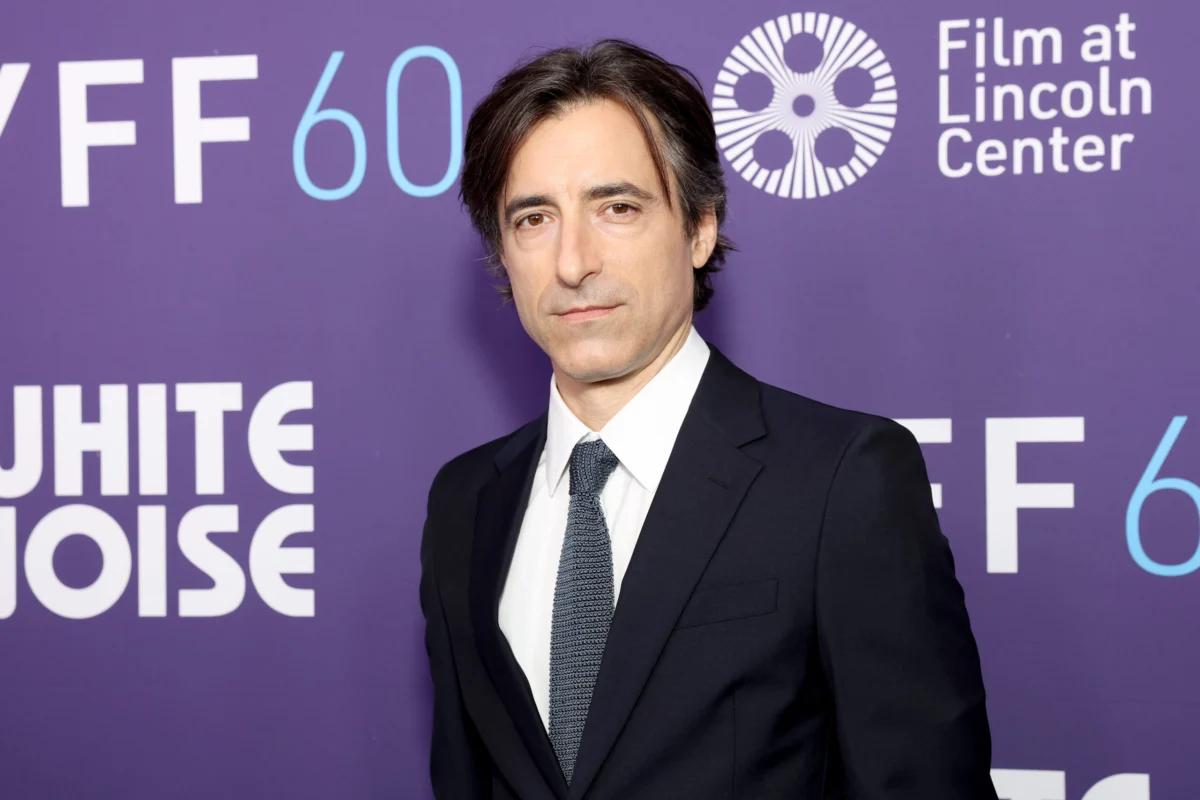
In a move that signals a significant shift in the landscape of prestige filmmaking, Oscar-nominated writer and director Noah Baumbach has officially signed a multi-year first-look film agreement with Warner Bros. Pictures and its newly minted specialized label, Clockwork. The deal marks the end of Baumbach’s high-profile, five-year exclusive partnership with Netflix, during which he became a cornerstone of the streaming giant’s awards-season strategy.
The partnership with Clockwork, a boutique label operating under the Warner Bros. umbrella, represents a homecoming of sorts for Baumbach, who recently enjoyed massive commercial and critical success with the studio as the co-writer of the global phenomenon Barbie. Under the terms of the new agreement, Baumbach will write, direct, and produce his next feature film for Clockwork. Crucially, the deal guarantees a theatrical release for his upcoming work, ending a nearly decade-long absence from the traditional cinema circuit for the filmmaker.
Main Facts: A New Chapter at the "Clockwork" Boutique
The agreement, which was first reported by Variety, positions Baumbach as a flagship artist for Clockwork, a label led by former Neon executive Christian Parkes. While the specific details of Baumbach’s first project under the deal remain closely guarded, the production pedigree is already elite. The film will be produced by industry titan David Heyman (Harry Potter, Once Upon a Time in Hollywood) and LuckyChap, the production banner led by Margot Robbie, Tom Ackerley, and Josey McNamara.
This move is a strategic win for Warner Bros. Motion Picture Group Co-Chairs and CEOs Michael De Luca and Pamela Abdy, who have been aggressive in recruiting "prestige" talent back to the legacy studio system. By housing Baumbach within Clockwork, Warner Bros. aims to provide a platform for auteur-driven, mid-budget adult dramas—a genre that has increasingly struggled to find a home in the "blockbuster-or-bust" environment of modern Hollywood.
For Baumbach, the deal is a return to the theatrical model. His last film to receive a traditional, wide theatrical window was Mistress America in 2015. Since then, his output has been exclusive to Netflix, where films like Marriage Story and The Meyerowitz Stories (New and Selected) were seen by millions but lacked the sustained cultural footprint often associated with the "theatrical experience."
Chronology: From Indie Darling to Streaming Pioneer
To understand the weight of this transition, one must look at the evolution of Baumbach’s career and his role in the shifting tides of film distribution.
The Indie Foundations (1995–2015)
Baumbach emerged in the mid-90s with Kicking and Screaming, quickly establishing himself as a voice for the neuroses of the intellectual elite. His breakthrough came with 2005’s The Squid and the Whale, which earned him his first Academy Award nomination for Best Original Screenplay. Throughout the 2000s and early 2010s, Baumbach was a staple of the independent film scene, releasing through specialized distributors like Fox Searchlight and IFC Films.
The Netflix Era (2017–2024)
In 2017, Baumbach made the then-controversial decision to partner with Netflix for The Meyerowitz Stories. At the time, Netflix was just beginning its aggressive push into the "prestige" space, courting auteurs to gain legitimacy in the eyes of the Academy.
Baumbach’s partnership with Netflix reached its zenith in 2019 with Marriage Story. The film was a critical darling, earning six Oscar nominations, including Best Picture and a win for Laura Dern. This success led to a formal, exclusive multi-year deal signed in 2021 under then-Netflix film chief Scott Stuber. Under this banner, Baumbach produced the ambitious, big-budget adaptation of Don DeLillo’s White Noise (2022) and the upcoming Jay Kelly.
The Warner Bros. Pivot (2023–Present)
The seeds for the move to Warner Bros. were likely sown during the production of Barbie. While Greta Gerwig directed, Baumbach’s co-writing credit on the $1.4 billion-grossing film proved that his sharp, witty sensibilities could translate to the largest possible stage. As Netflix began to pivot its strategy following the departure of Scott Stuber, the allure of a theatrical-first home at Warner Bros. became undeniable.
Supporting Data: The Shifting Economics of the Auteur
The transition from Netflix to Warner Bros. is not merely a creative choice; it is a reflection of the changing financial realities of the film industry.
The "White Noise" Factor
While Marriage Story was a resounding success for Netflix, 2022’s White Noise presented a more complicated narrative. The film, which opened the Venice Film Festival, reportedly carried a price tag north of $100 million—an unprecedented sum for an absurdist, intellectual drama. Despite positive reviews, the film failed to gain significant traction during the awards season and was perceived by some industry insiders as an example of the "blank check" era of streaming that was no longer sustainable.
Netflix’s Strategic Pivot
The leadership change at Netflix Film, with Dan Lin replacing Scott Stuber, has signaled a move toward "populist" projects. Lin has openly discussed a desire to produce a more diverse slate of films with broader appeal, potentially leaving less room for the high-priced, niche intellectualism that Baumbach represents. In contrast, Warner Bros. has positioned itself as the "filmmaker-friendly" studio, successfully courting directors like Christopher Nolan (though he later moved to Universal), Paul Thomas Anderson, and now Baumbach.
The Clockwork Context
Clockwork is a crucial piece of this puzzle. By creating a specialized label, Warner Bros. can manage the marketing and distribution of "smaller" films differently than they would a DC superhero movie or a Dune sequel. Clockwork’s current slate includes high-profile projects from other international auteurs, such as Park Chan-wook’s Brigands of Rattlecreek and Sean Baker’s Ti Amo, suggesting a concerted effort to capture the "A24 audience" under a major studio banner.
Official Responses and Industry Sentiment
While official statements from Baumbach and Warner Bros. have focused on the "excitement of the partnership," the industry reaction has been one of cautious optimism for the future of the theatrical drama.
Warner Bros. Leadership: Sources close to the studio indicate that De Luca and Abdy view Baumbach as a "prestige anchor." Their goal is to restore Warner Bros. to its 1970s and 90s glory, where it was known as the home for both massive hits and sophisticated adult storytelling.
The Creative Community: The involvement of LuckyChap and David Heyman is seen as a massive vote of confidence. LuckyChap, in particular, has become one of the most powerful production entities in Hollywood following the success of Barbie and Saltburn. Their participation suggests that Baumbach’s next film will have significant commercial backing and a high-profile cast.
Representation: Baumbach continues to be represented by CAA, JSSK, and Narrative, who negotiated the deal. The complexity of the agreement, which includes a producing component beginning in 2027, suggests a long-term commitment to building a "Baumbach brand" within the studio.
Implications: What This Means for Hollywood
The Baumbach-Warner Bros. deal is a bellwether for several burgeoning trends in the entertainment industry.
1. The Rebirth of the Theatrical Window
For a period between 2019 and 2022, it seemed that the "mid-budget drama" was destined to live exclusively on streaming services. Baumbach’s move suggests that the pendulum is swinging back. Filmmakers of his stature are increasingly demanding theatrical exclusivity—not just for the prestige, but because the "cultural conversation" is harder to ignite when a film is dropped onto a platform alongside thousands of other titles.
2. The End of the "Blank Check" Streaming Era
The departure of auteurs like Baumbach (and rumors of others following suit) indicates that the era of streamers spending $100 million on niche dramas is likely over. Future deals will likely involve more traditional "first-dollar gross" participations and theatrical performance bonuses, aligning the filmmaker’s success with the film’s actual box office performance.
3. The Major Studio "Boutique" Strategy
Warner Bros.’ investment in Clockwork mirrors a strategy once dominated by Disney’s Searchlight and Universal’s Focus Features. By revitalizing a specialized label, Warner Bros. can compete for Academy Awards and critical acclaim without diluting its primary brand. If Clockwork succeeds with Baumbach, Park Chan-wook, and Sean Baker, it could become the premier destination for the world’s most respected directors.
4. The "Barbie" Halo Effect
Finally, this deal underscores the lasting impact of Barbie. It proved that the "Baumbach/Gerwig" sensibility is not just for New York intellectuals—it is a billion-dollar asset. Warner Bros. is betting that by keeping Baumbach in-house, they can capture that lightning in a bottle again, perhaps in a more elevated, "Clockwork" fashion.
Conclusion
Noah Baumbach’s exit from Netflix and his new residency at Warner Bros. marks the end of a specific chapter in the "Streaming Wars." As he prepares to step back behind the camera for a project produced by David Heyman and LuckyChap, the film industry will be watching closely. If Baumbach can replicate his critical success while proving that adult dramas still have a place in the multiplex, he won’t just be saving his own theatrical career—he might be providing a blueprint for the survival of the American auteur in the 21st century.