Apple Unveils visionOS 27: A Landmark Update for Spatial Computing and Integrated AI
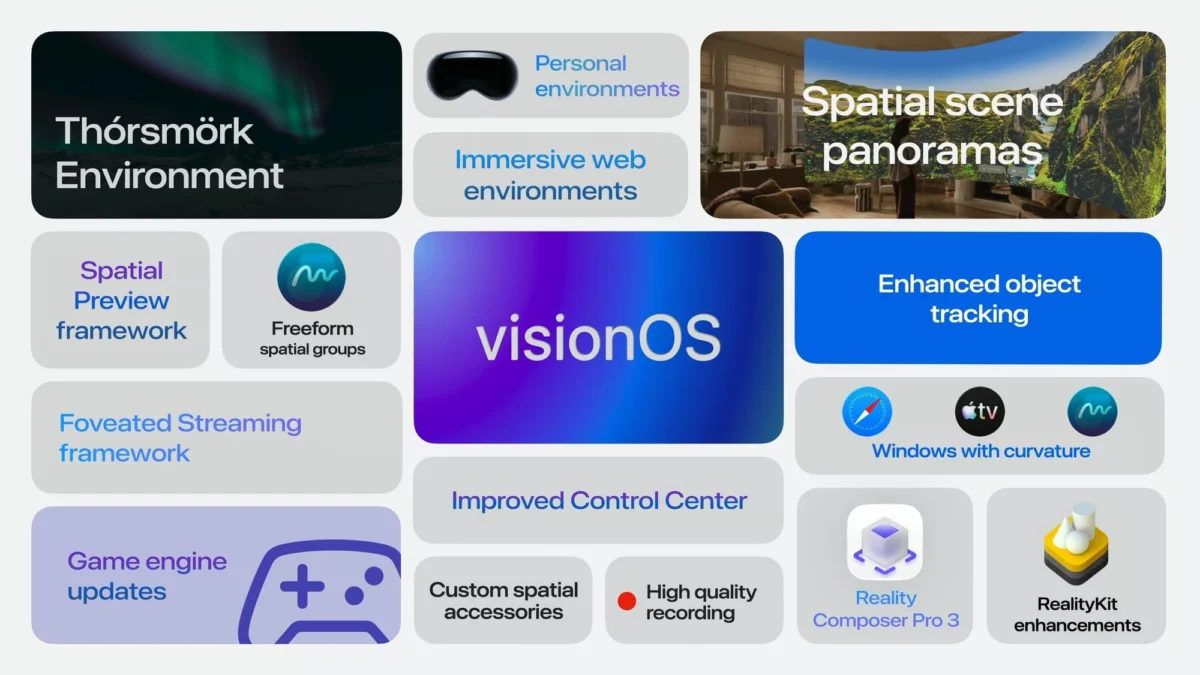
CUPERTINO, CALIFORNIA — Apple has officially released visionOS 27, the fourth major operating system iteration for the Apple Vision Pro. While the update arrived with less of the initial marketing fanfare that characterized the device’s launch, industry analysts and developers are already hailing it as the most significant software evolution in the headset’s history.
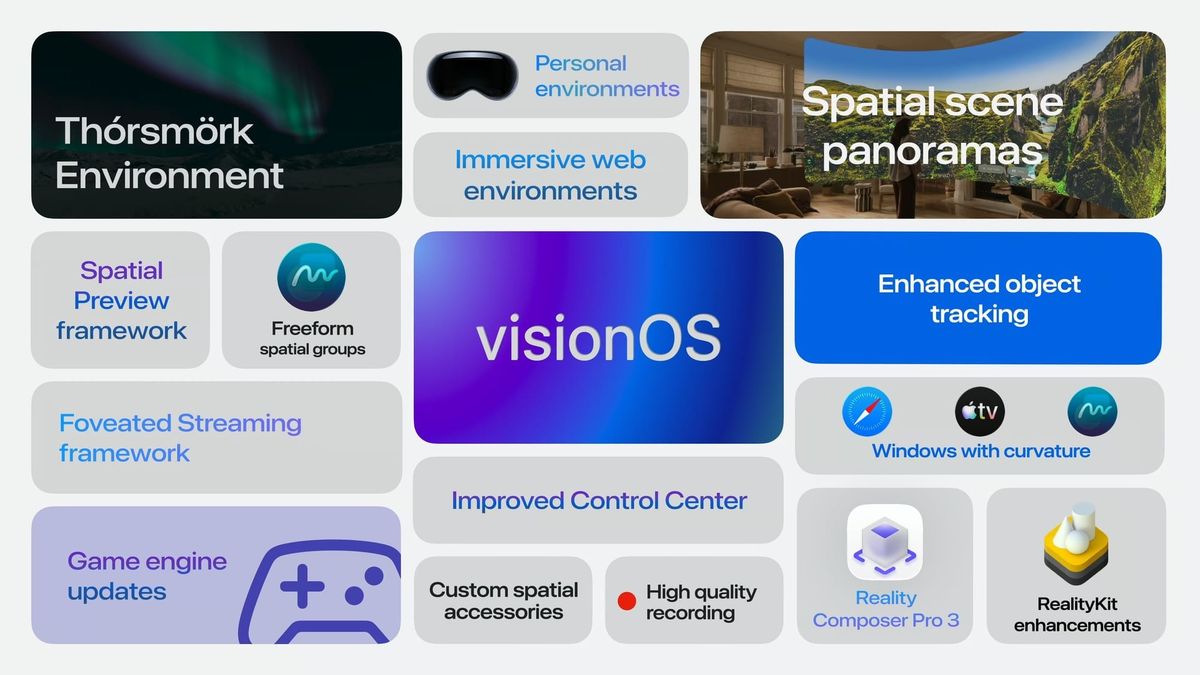
By integrating high-level Large Language Models (LLMs), advanced object tracking, and a suite of professional-grade creator tools, visionOS 27 transforms the Vision Pro from a high-end consumption device into a sophisticated platform for spatial productivity and creative expression. The update is available immediately for both the first-generation M2 models and the recently released M5 Vision Pro headsets.
The Core Evolution: Siri AI and Visual Intelligence
The centerpiece of visionOS 27 is the rollout of "Siri AI," a complete overhaul of Apple’s digital assistant powered by next-generation Apple Foundation Models. This update marks the first time Apple’s full "Apple Intelligence" suite has been fully optimized for a spatial environment.
A Conversational Leap
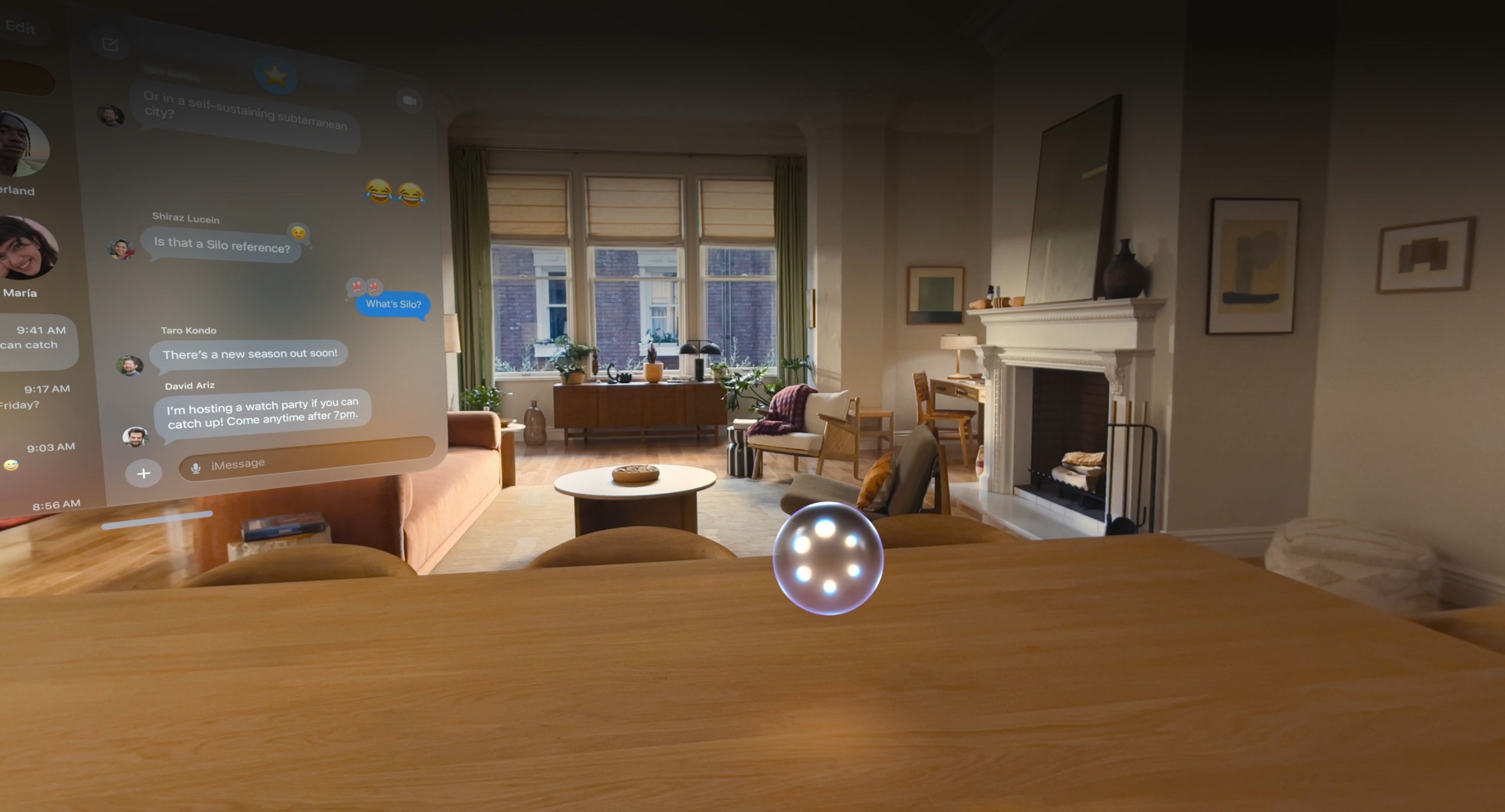
Siri AI is no longer a simple voice-activated command tool. Built on a reported $1 billion-per-year partnership with Google to utilize advanced Gemini models, the assistant now possesses "personal context understanding" and "broad world knowledge." In the spatial realm, Siri manifests as a persistent, iridescent orb that users can "pin" to a physical location in their room.
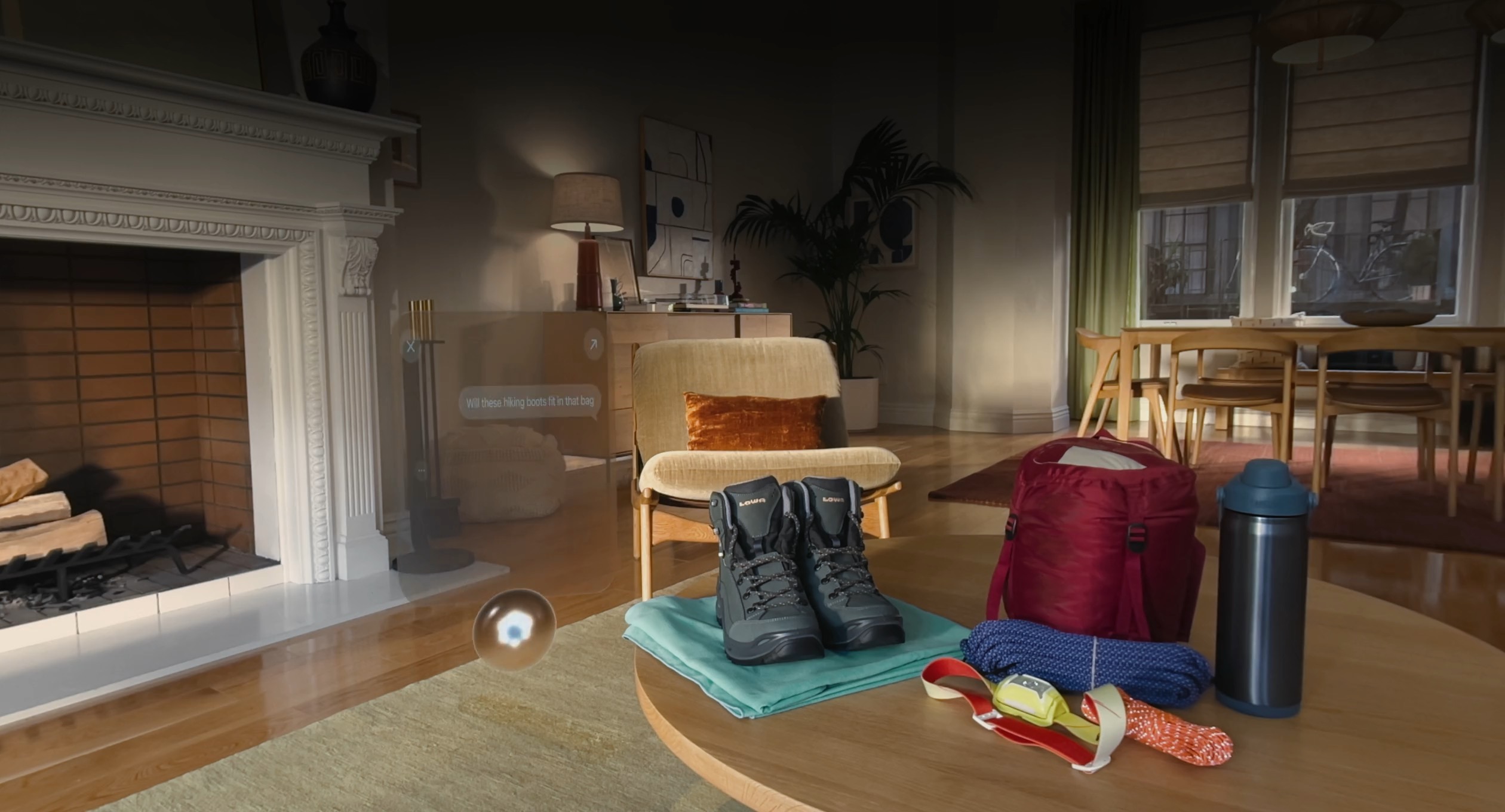
A key breakthrough in user friction is the removal of the "Siri" wake word; users can now simply look at the pinned orb and begin speaking. This "gaze-to-talk" functionality utilizes the headset’s precise eye-tracking to determine intent, making the interaction feel more like a natural conversation with a present entity rather than a triggered software event.
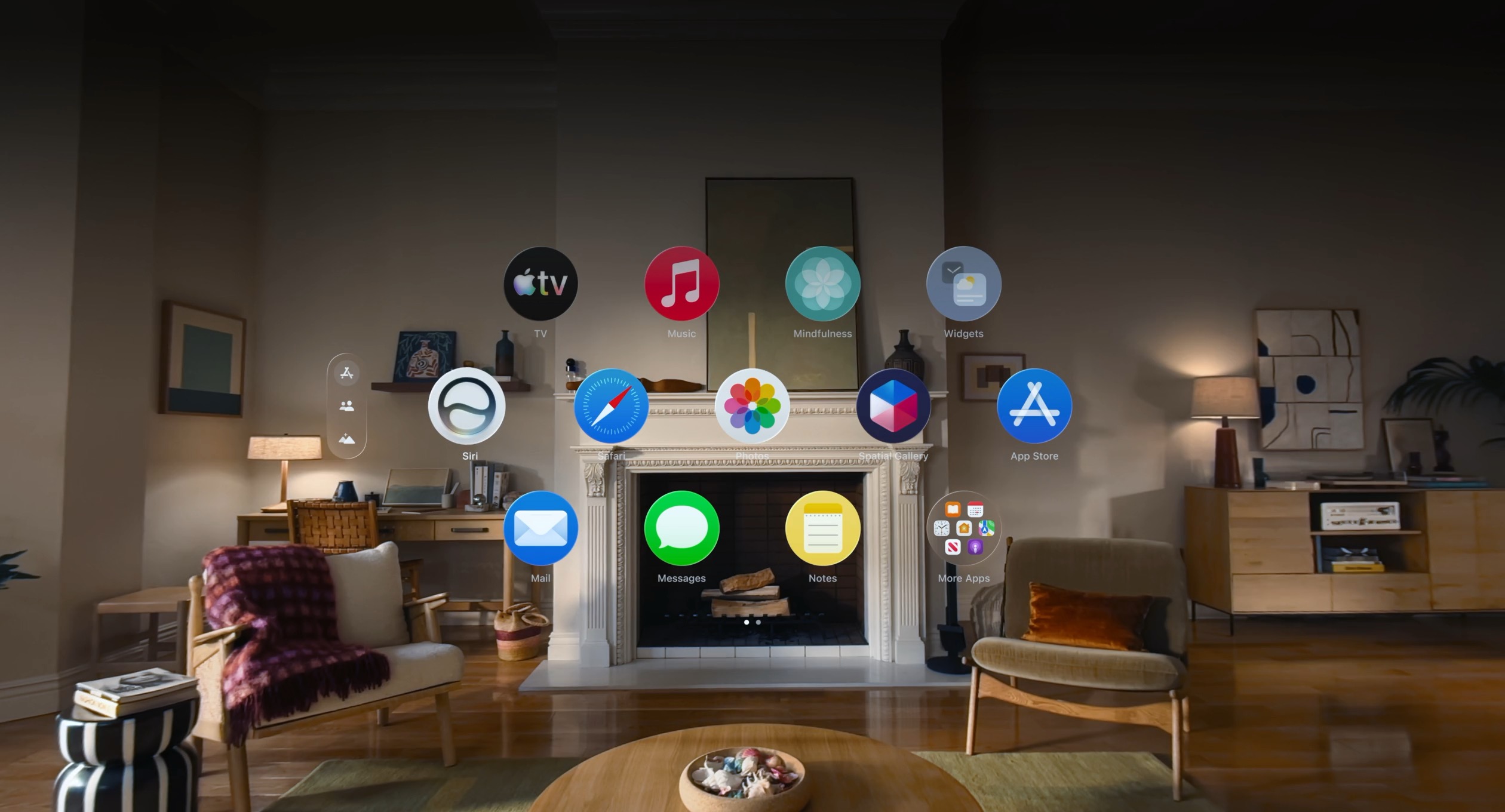
Visual Intelligence
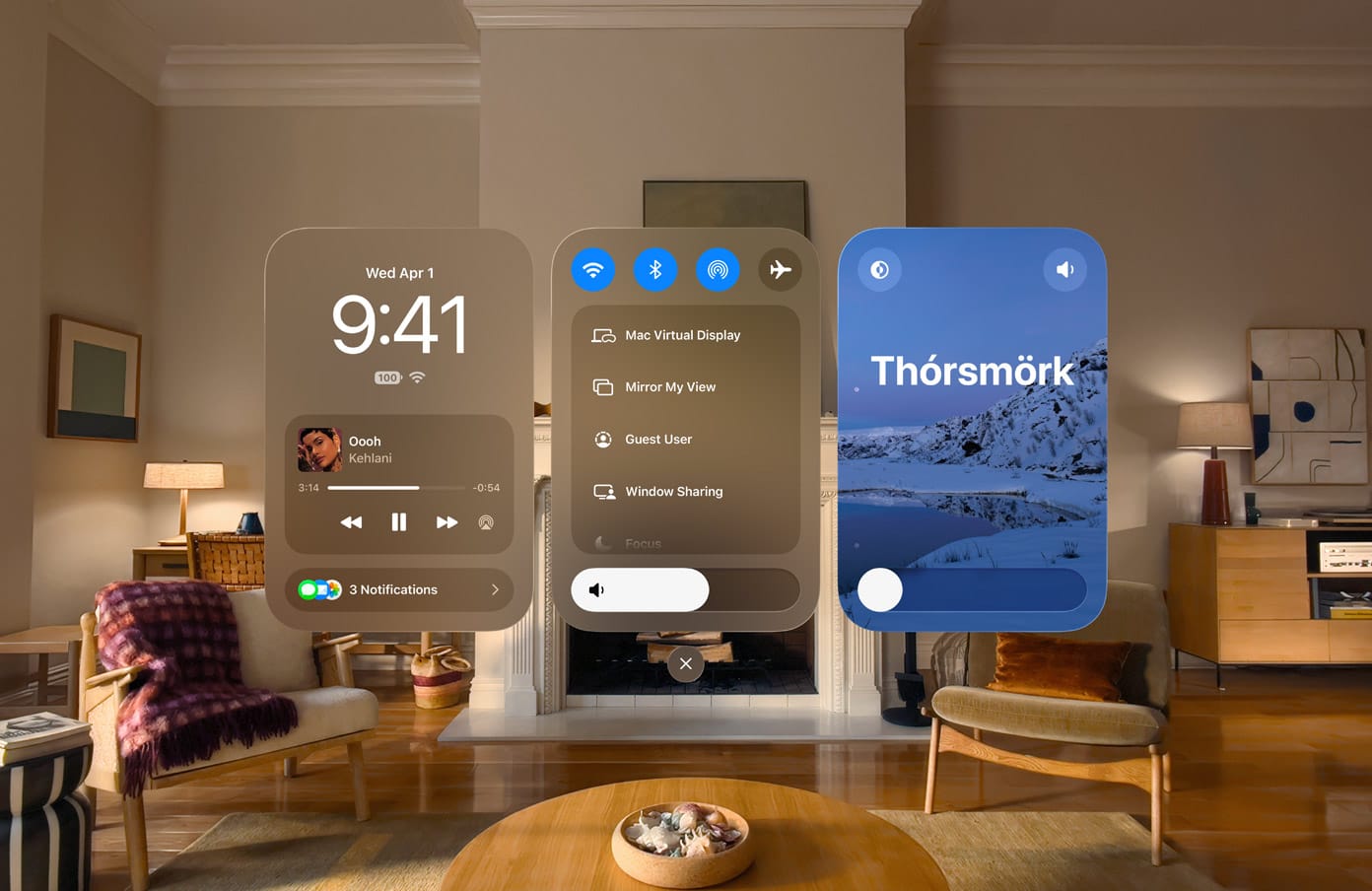
Complementing the voice overhaul is "Visual Intelligence." This feature allows users to look at objects in their physical environment or elements within their virtual workspace and ask questions. Whether identifying a specific plant in a room, translating text on a real-world document, or asking for the historical context of a virtual 3D model, the system leverages the headset’s external cameras and LLM backend to provide real-time data. This positions visionOS 27 as a direct competitor to Meta’s Horizon OS and Samsung’s Android XR offerings.
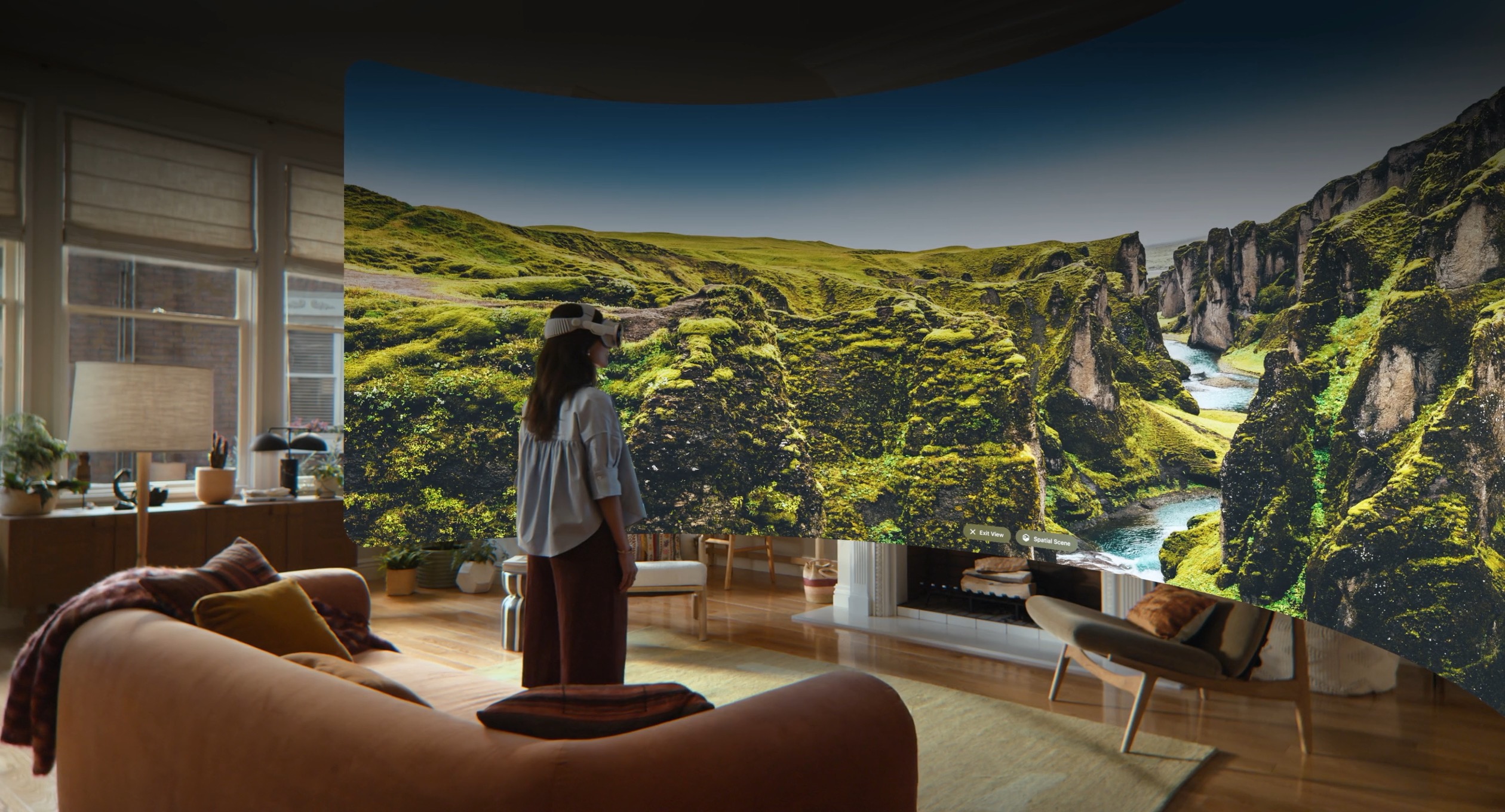
Chronology: The Road to version 27
The journey to visionOS 27 has been defined by a rapid release cycle aimed at addressing early criticisms of the Vision Pro.
- visionOS 1.0: Established the "Shared Space" and basic eye-and-pinch interaction.
- visionOS 2.0: Introduced synthetic stereoscopy for 2D images and basic static object tracking.
- visionOS 26: A pivotal update that introduced Gaussian splatting for volumetric scenes and the first iteration of "Widgets."
- visionOS 27 (Current): Focuses on "Dynamic Spatiality"—the ability for the OS to track moving objects, integrate AI into the workflow, and provide professional-grade developer tools.
High-Frequency Tracking and the Accessory Ecosystem
For the enterprise and gaming sectors, the most critical upgrades in visionOS 27 are found in the tracking architecture.
High-Frame-Rate Object Tracking
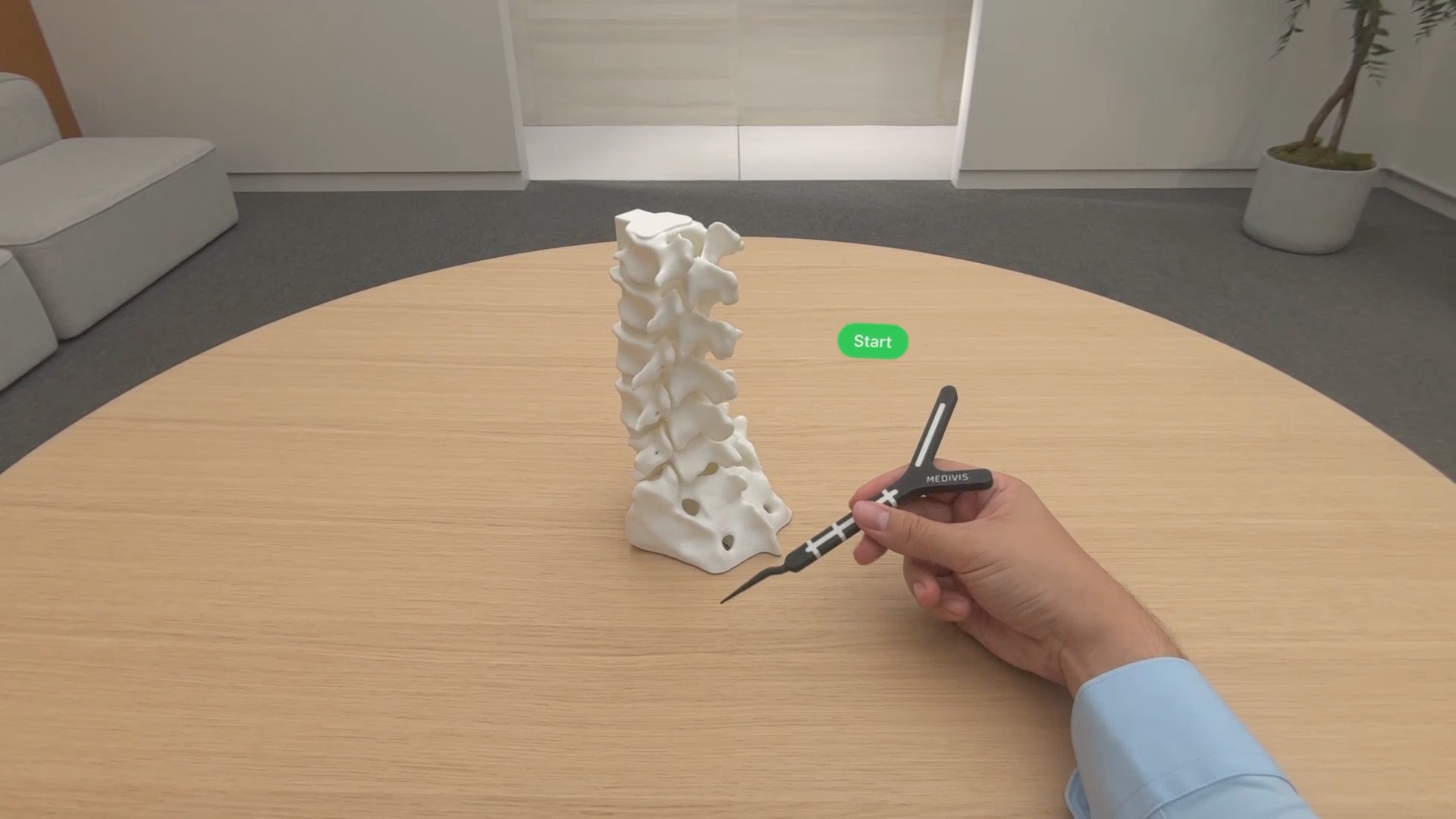
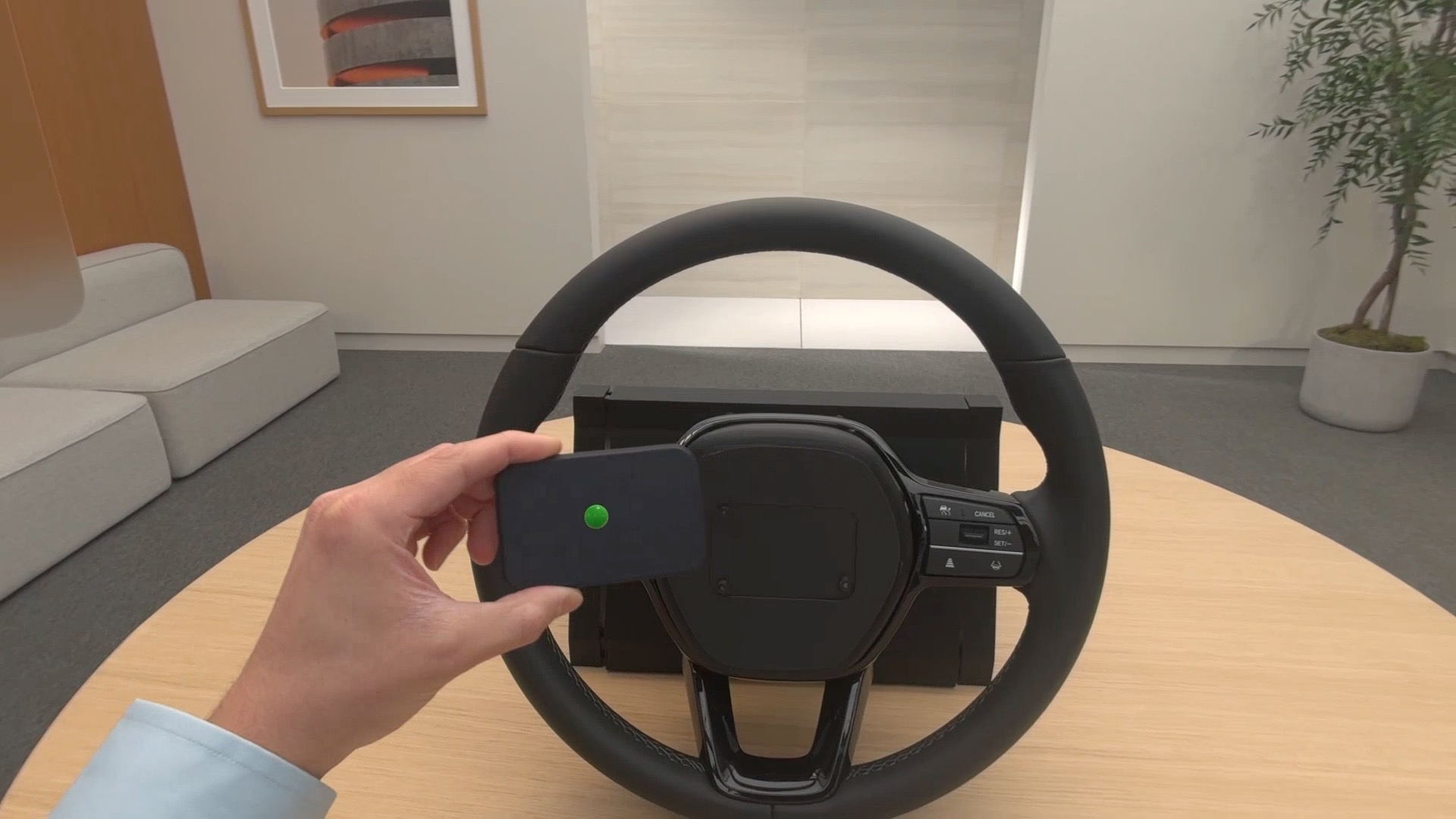
While visionOS 2 allowed for the tracking of static 3D objects, the system struggled with movement. visionOS 27 introduces a high-frame-rate tracking mode, reportedly operating at approximately 30Hz. This allows the headset to recognize and follow objects held in a user’s hand or moving through the environment.
To achieve this, Apple has introduced an "Extended Training" mode within its Create ML tool. Developers provide a 3D model of an object, which the system then "bakes" into a neural network. While the training process is intensive—some developers report up to 18 hours of machine learning time for a single complex object—the result is a near-seamless ability to anchor virtual UI to moving real-world tools.

IR LED Tracked Accessories
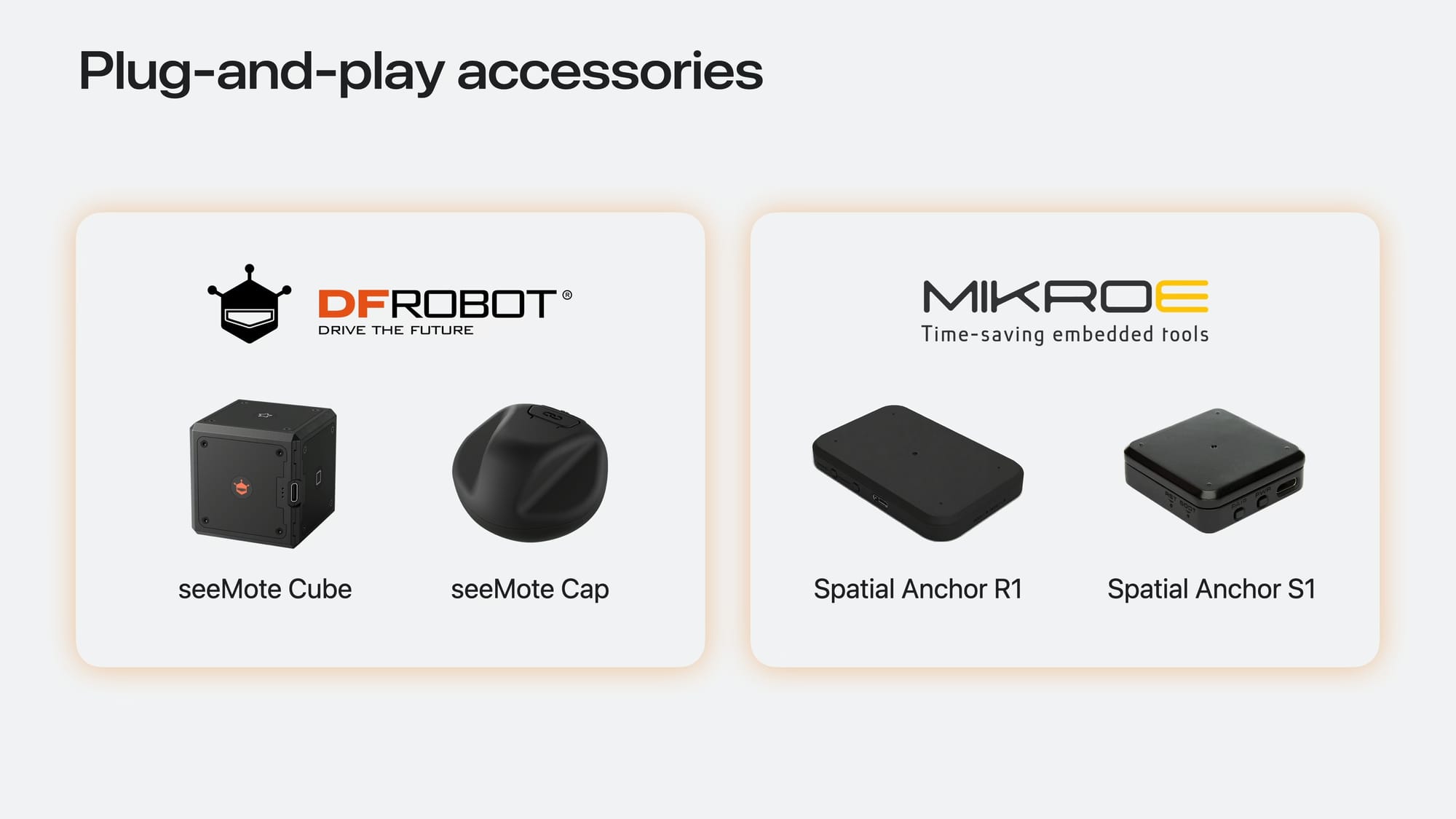
Apple is also opening its ecosystem to third-party hardware through the new IR LED tracked accessories framework. Similar to the "Lighthouse" system used in PC VR, this allows companies to create styluses, controllers, or specialized tools with embedded infrared LEDs.
- Performance: Optical tracking for these accessories runs at a robust 90Hz.
- Integration: When fused with internal IMU data (accelerometers and gyroscopes), the tracking quality matches that of dedicated gaming systems like the PlayStation VR2.
- Partnerships: Early reference hardware from DFRobot and MikroE has already been announced, lowering the barrier for third parties to create Vision Pro-compatible peripherals.
Professional Tools: 4K Recording and Mac Integration
Apple has finally addressed one of the most vocal requests from the creator community: the ability to record high-quality, "unfoveated" footage.
High-Quality Screen Recording
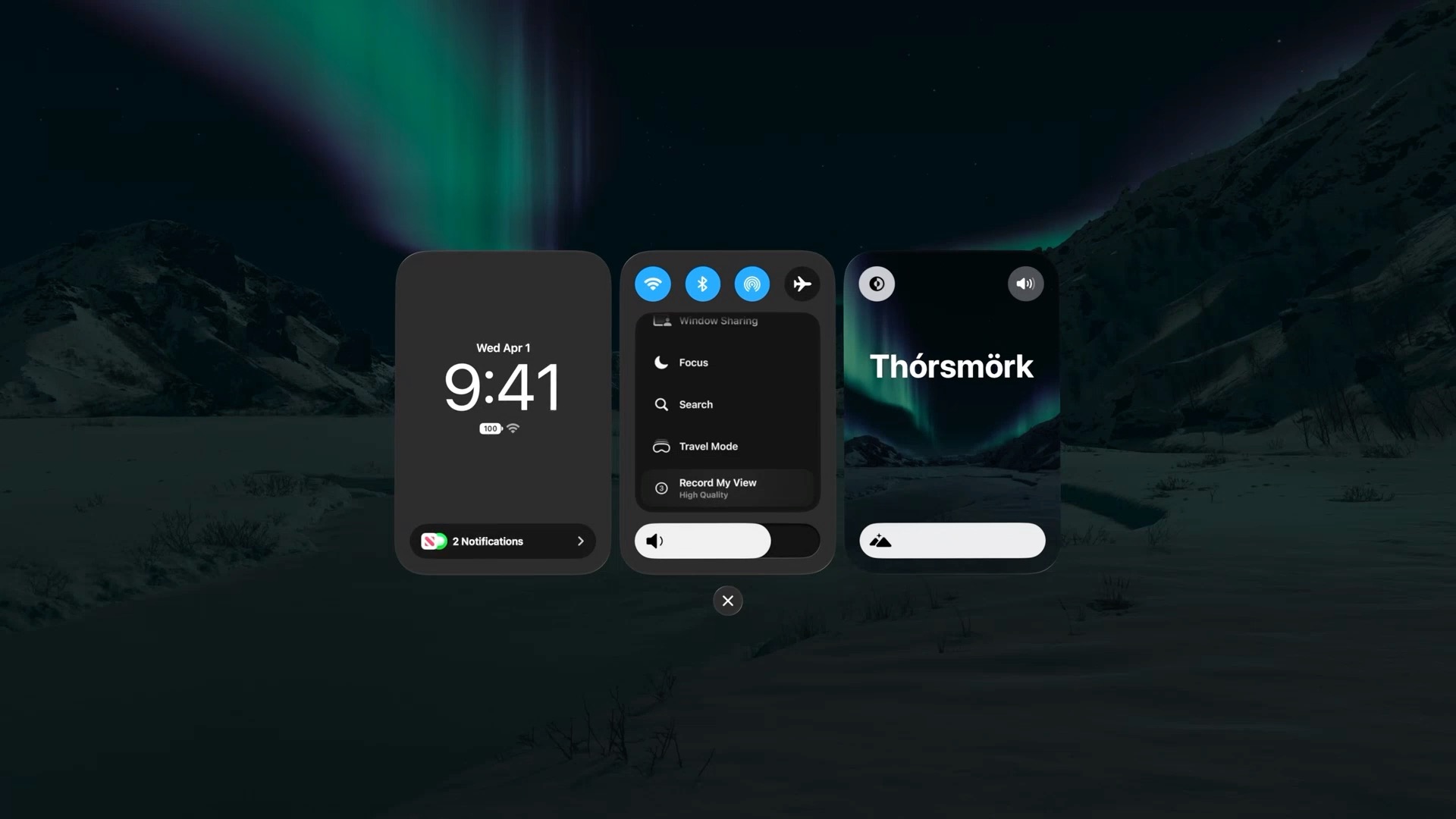
Previously, screen recordings on the Vision Pro suffered from "foveated blur"—the system would only render the area the user was looking at in high resolution, leaving the rest of the frame blurry. visionOS 27 introduces a "High Quality Recording" option that allows for up to three minutes of standalone 4K unfoveated footage. This is a game-changer for journalists, influencers, and developers who need to showcase the device’s capabilities without the distraction of eye-tracked rendering artifacts.

Mac 3D Object Preview API
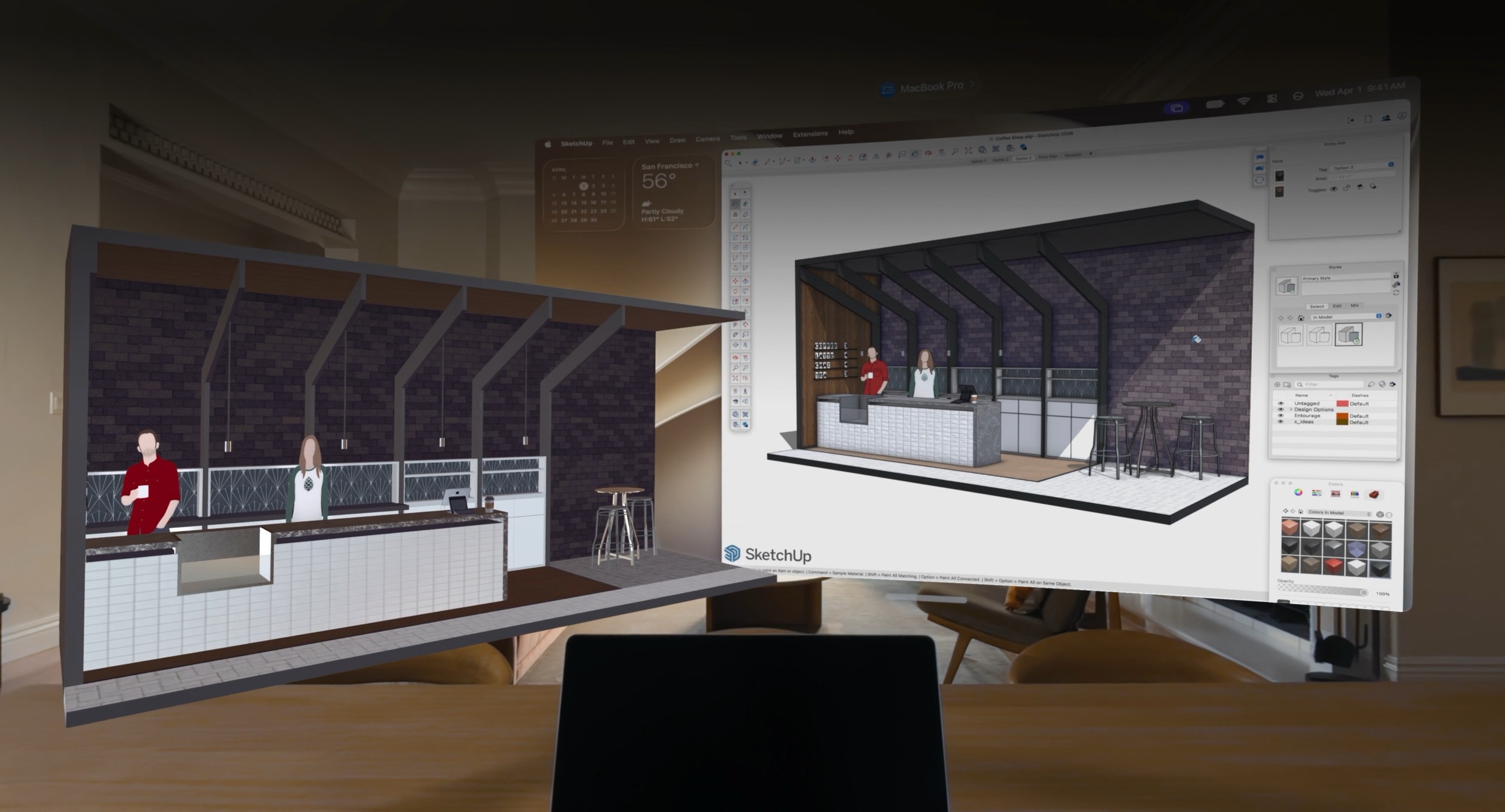
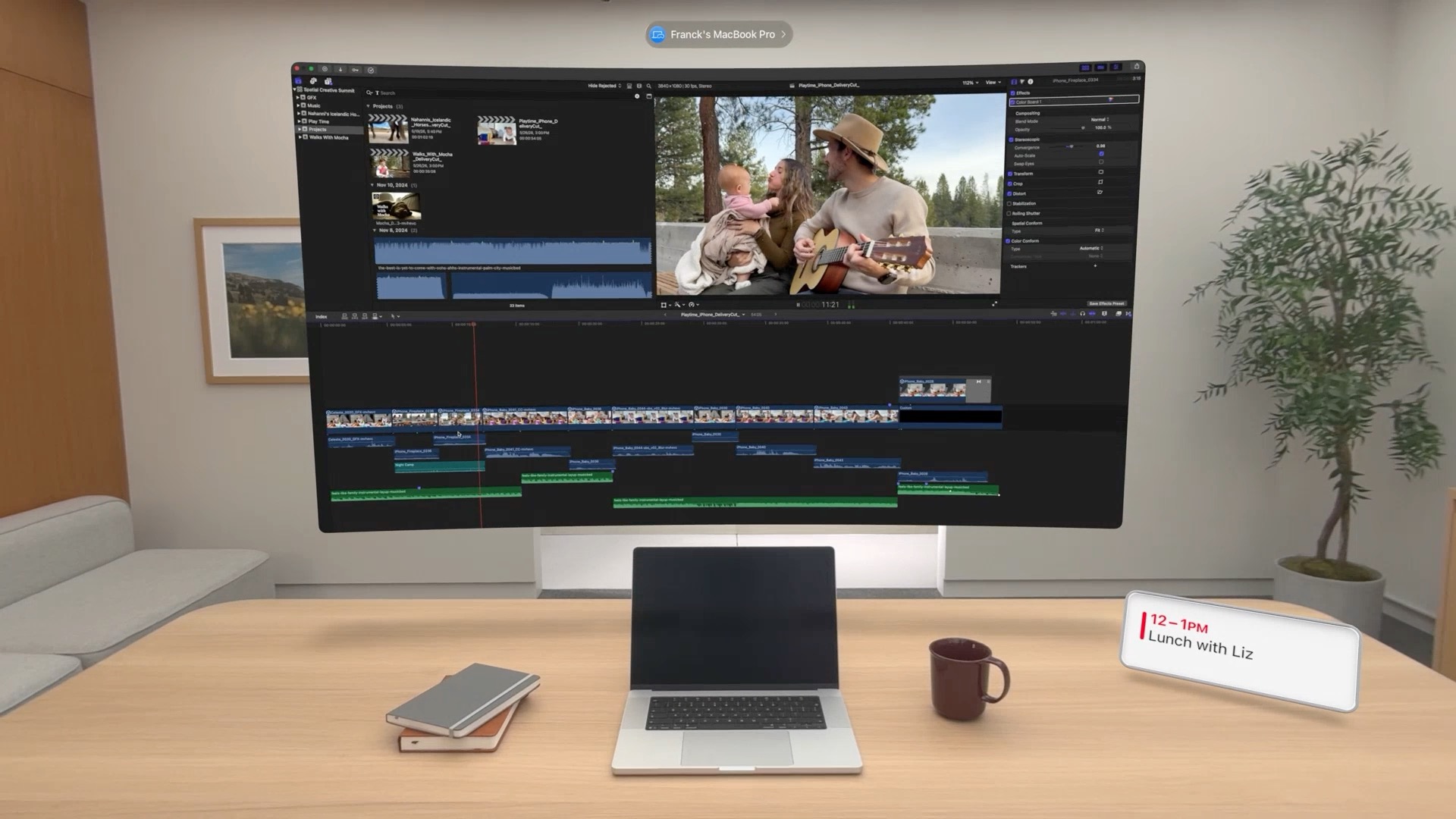
The synergy between macOS and visionOS has been further tightened with the "Mac 3D Object Preview API." When a Vision Pro is connected to a Mac via Virtual Display, users can now "spawn" a 3D object from their Mac directly into their spatial environment.
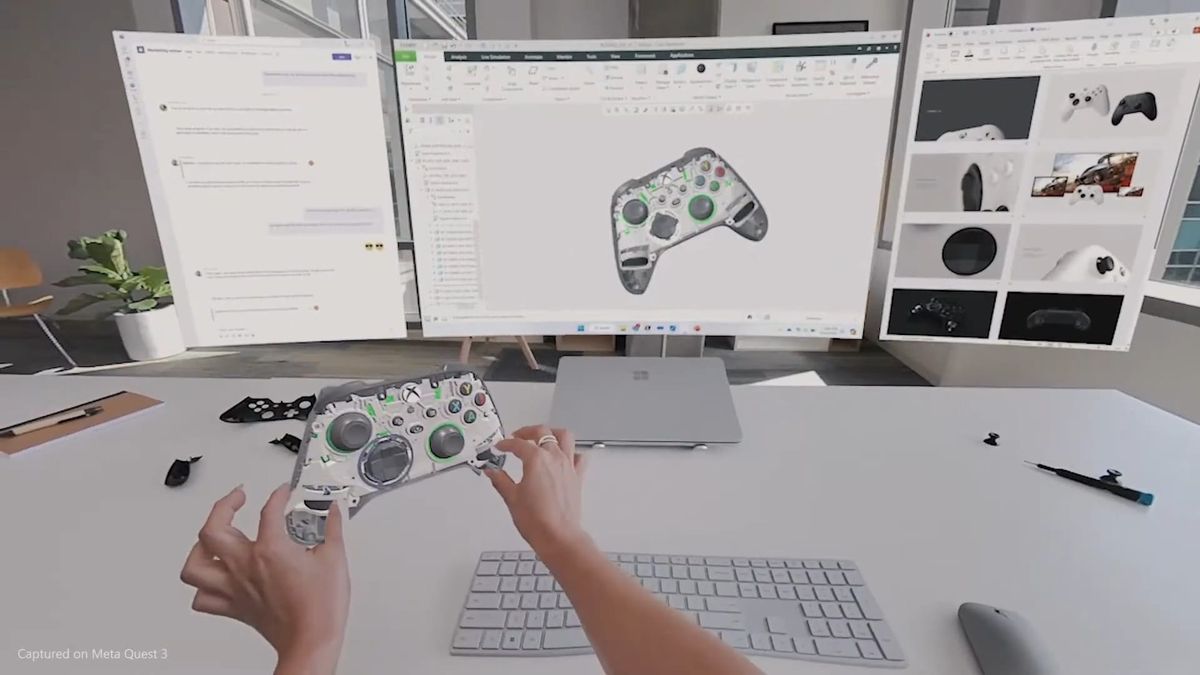
- Workflow: A designer can open a file in Finder on their Mac and, with a few clicks, see that object sitting on their real-world desk in 3D.
- Collaboration: The API supports two-way editing and SharePlay, allowing multiple users (as Personas) to manipulate a 3D model simultaneously. Apple confirmed that industry-standard apps like Cinema 4D and SketchUp are already integrating this functionality.
Supporting Data: RealityKit and Performance Benchmarks
Underpinning the visual fidelity of visionOS 27 are major upgrades to RealityKit, Apple’s spatial rendering engine.
| Feature | Technical Implementation | Impact |
|---|---|---|
| Physical Space Lighting | LiDAR Mesh + Ambient Light Sensing | Virtual objects now cast light (not just shadows) onto real-world walls and floors. |
| Gaussian Splatting | Native RealityKit Support | Developers can render photorealistic volumetric captures without custom code. |
| Cloth Simulation | Real-time Deformable Physics | Virtual fabrics now wrinkle, fold, and react to gravity and user touch. |
| Immersive Audio | Reverb Mesh API | Audio reflects off virtual surfaces based on material density (wood vs. metal). |
| Wi-Fi Initialization | Optimized Stack | Boot-to-connection speeds are now 3x faster than previous versions. |
Accessibility and User Experience
Apple continues to lead the industry in inclusive design with several groundbreaking accessibility features in this release:
- Eye-Controlled Wheelchairs: In a landmark move, visionOS 27 allows users to natively control power wheelchairs (specifically Tolt and LUCI systems) using only eye tracking.
- Vehicle Motion Cues: To combat motion sickness during travel, the OS can now overlay animated dots that respond to vehicle acceleration and turning, helping the user’s brain synchronize visual and vestibular inputs.
- Auto-Subtitles: A system-wide, on-device speech recognition model can now generate real-time subtitles for any video content played within the headset.
Official Responses and Strategic Implications
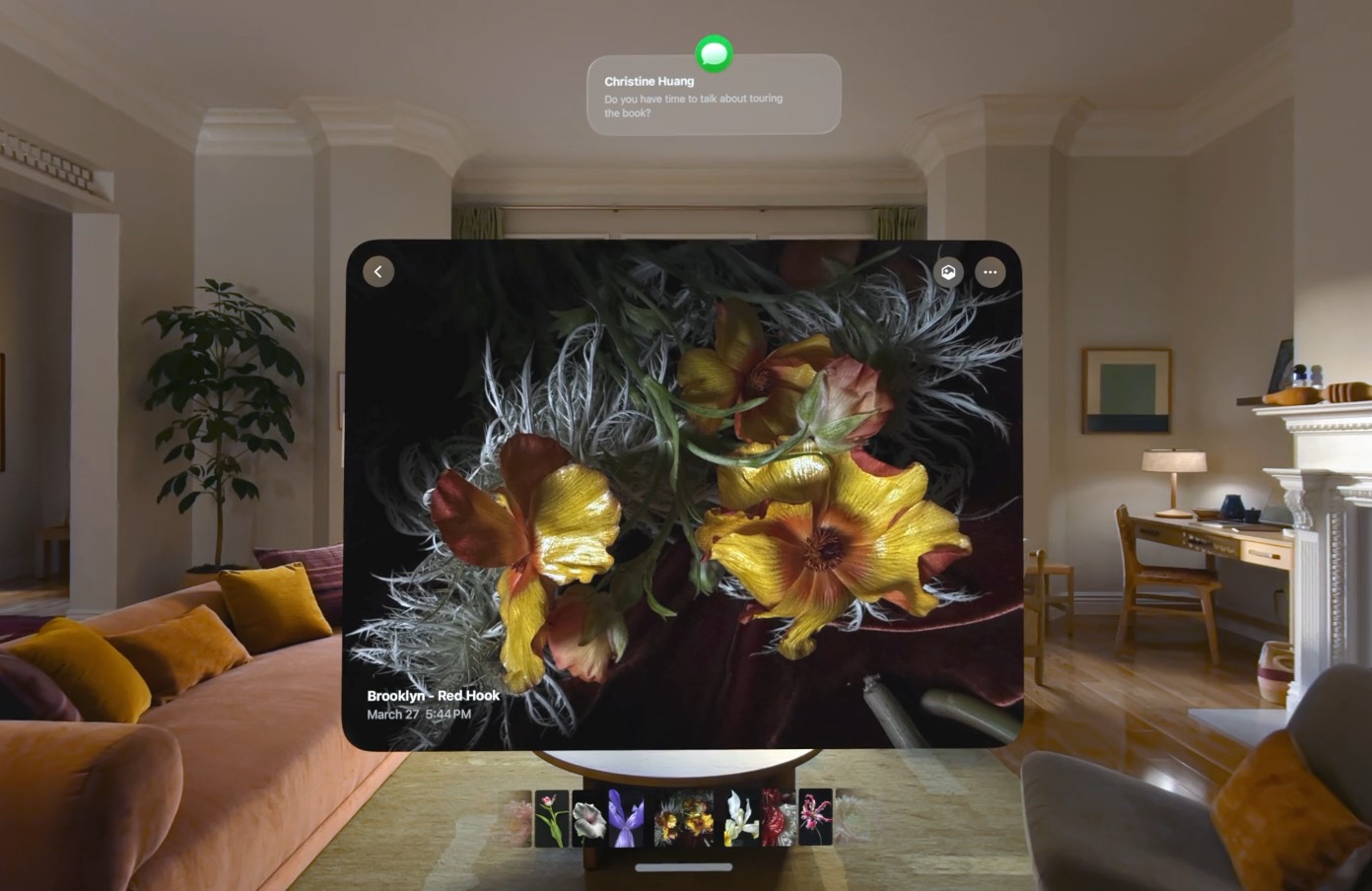
In a statement following the release, Apple described visionOS 27 as a "profoundly more capable" version of the spatial operating system. Company spokespeople emphasized that the goal of this update was to "reduce the friction between the digital and physical worlds," specifically pointing to the new Siri AI and the gaze-expanding notification system.
Market Positioning
The release of visionOS 27 signals a strategic shift. By focusing on IR-tracked accessories and high-frequency object tracking, Apple is signaling to the enterprise and industrial sectors that the Vision Pro is ready for "hands-on" work beyond simple window management. Furthermore, the integration of Google-backed LLMs suggests a pragmatic approach to the AI arms race—Apple is willing to partner with rivals to ensure its hardware remains the premier window into the "Intelligent" web.
The Developer Outlook
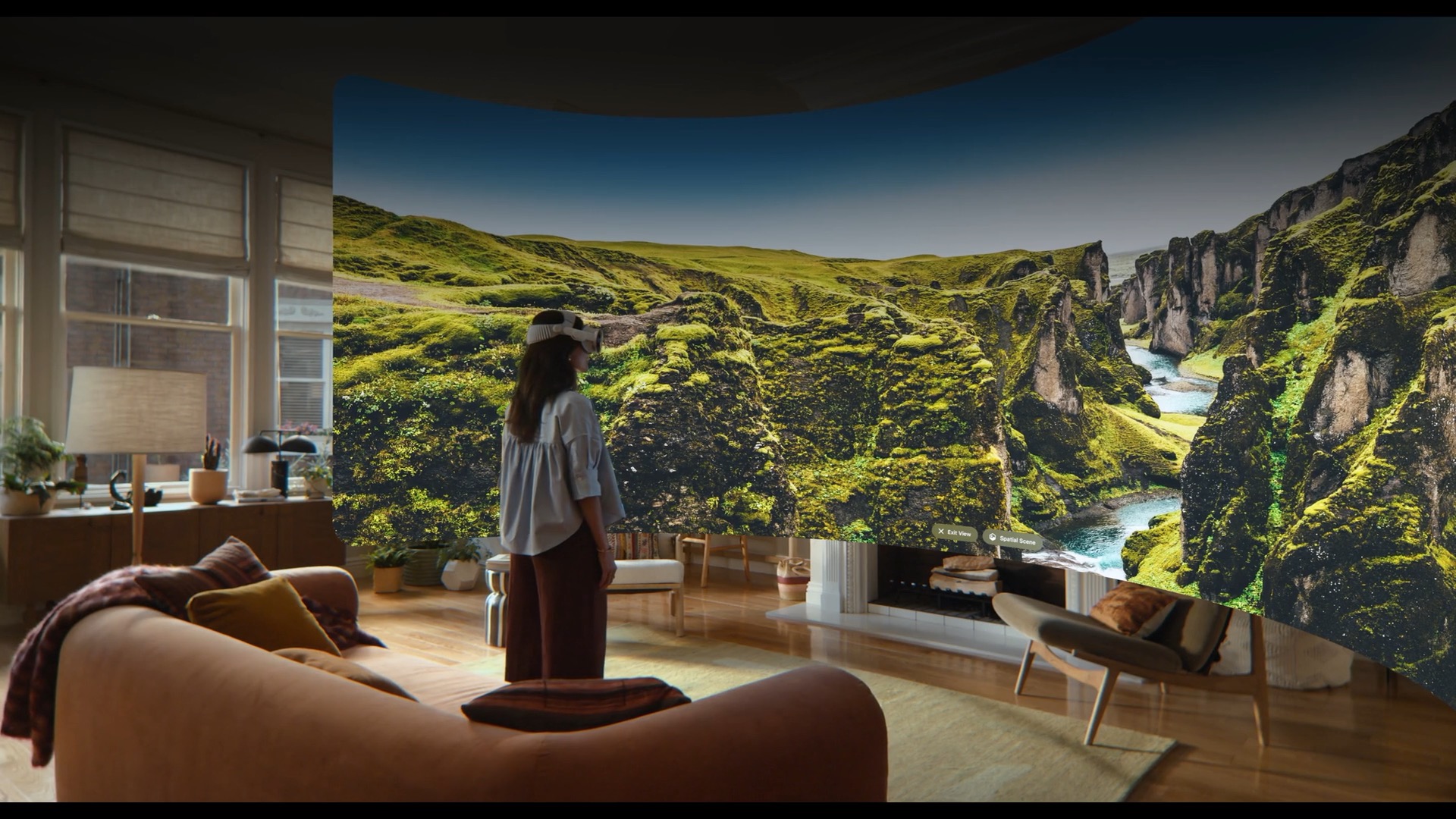
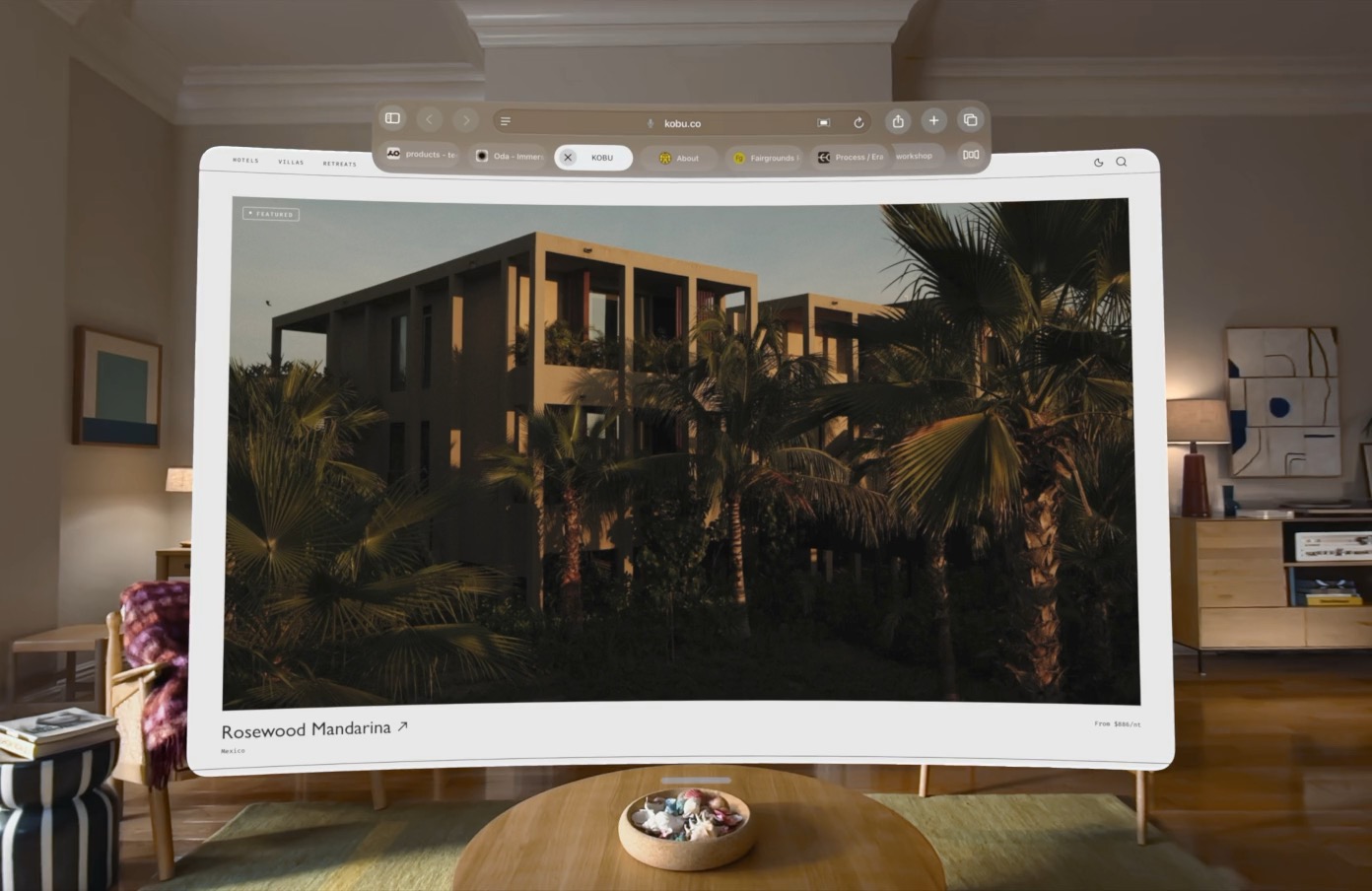
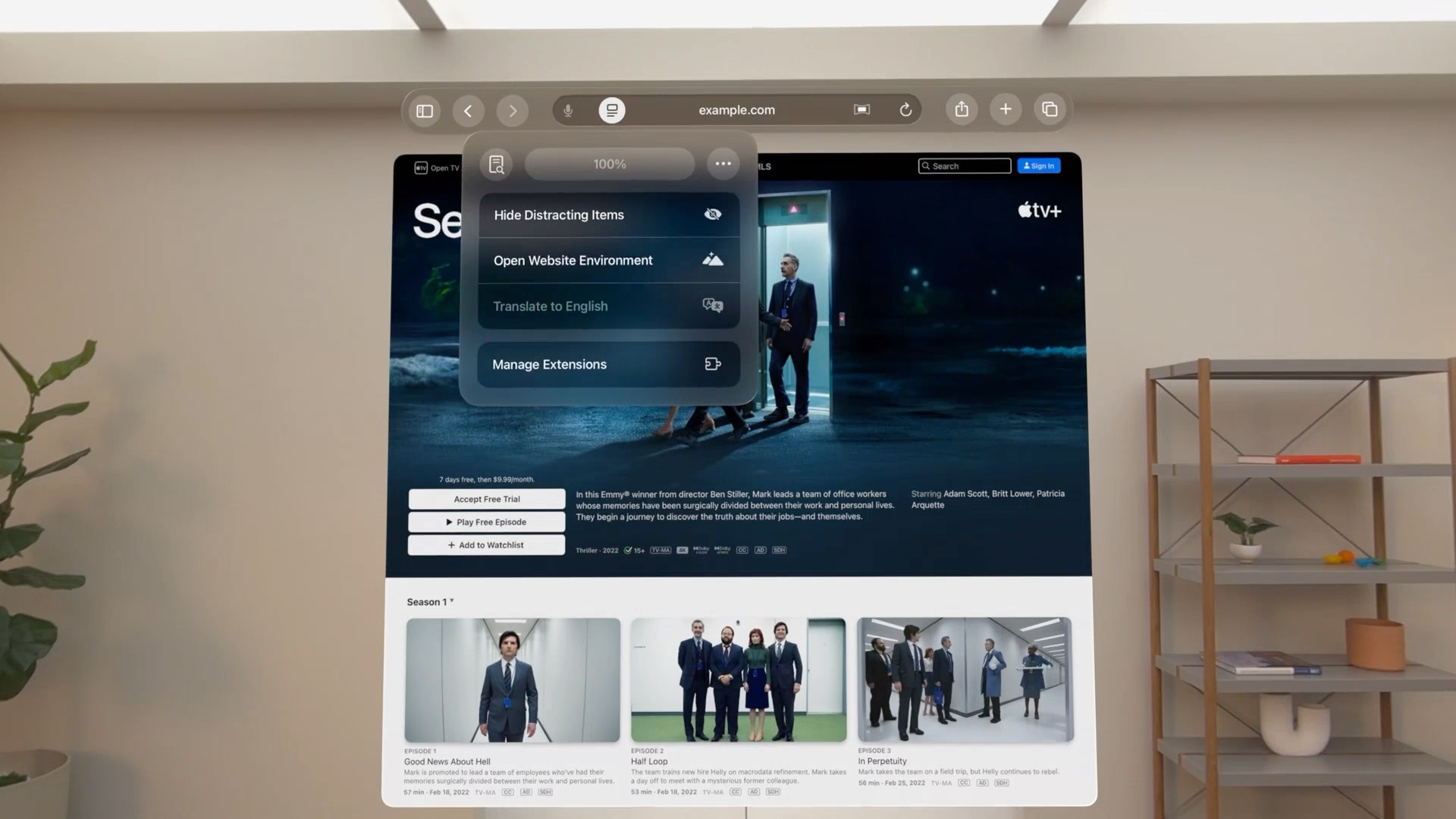
Developers have reacted with cautious optimism. While the "private API" restriction on curved windows in Safari and Apple TV remains a point of contention for third-party designers, the opening of the RealityKit engine (specifically Gaussian splatting and cloth simulation) provides a level of out-of-the-box fidelity that competitors currently struggle to match.
Conclusion: A Mature Vision
With visionOS 27, the Apple Vision Pro feels less like a beta product and more like a mature ecosystem. By solving the "foveated recording" problem, introducing true spatial AI, and providing a path for third-party hardware accessories, Apple has laid the groundwork for the next phase of spatial computing. As the M5 hardware begins to saturate the market, the software is finally in a position to leverage that power, turning the "infinite canvas" into a truly intelligent, interactive environment.