The "AI Slop Monster": A Provocative Statement from Electric Dreama Studios at the British Art Fair
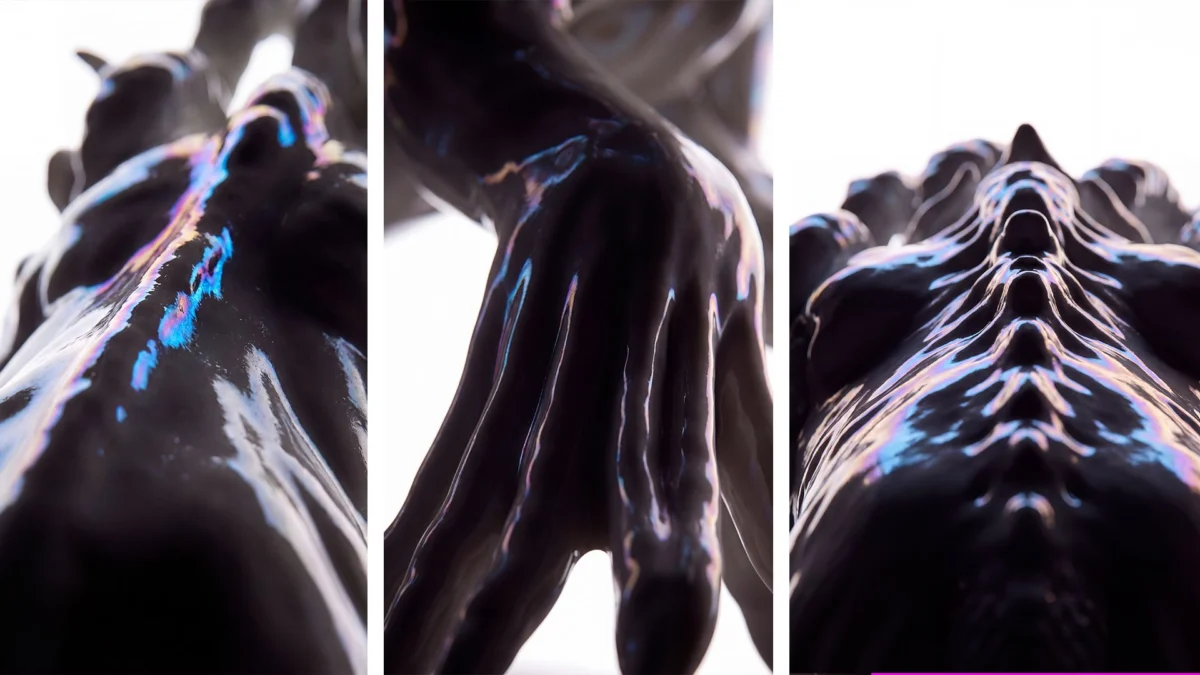
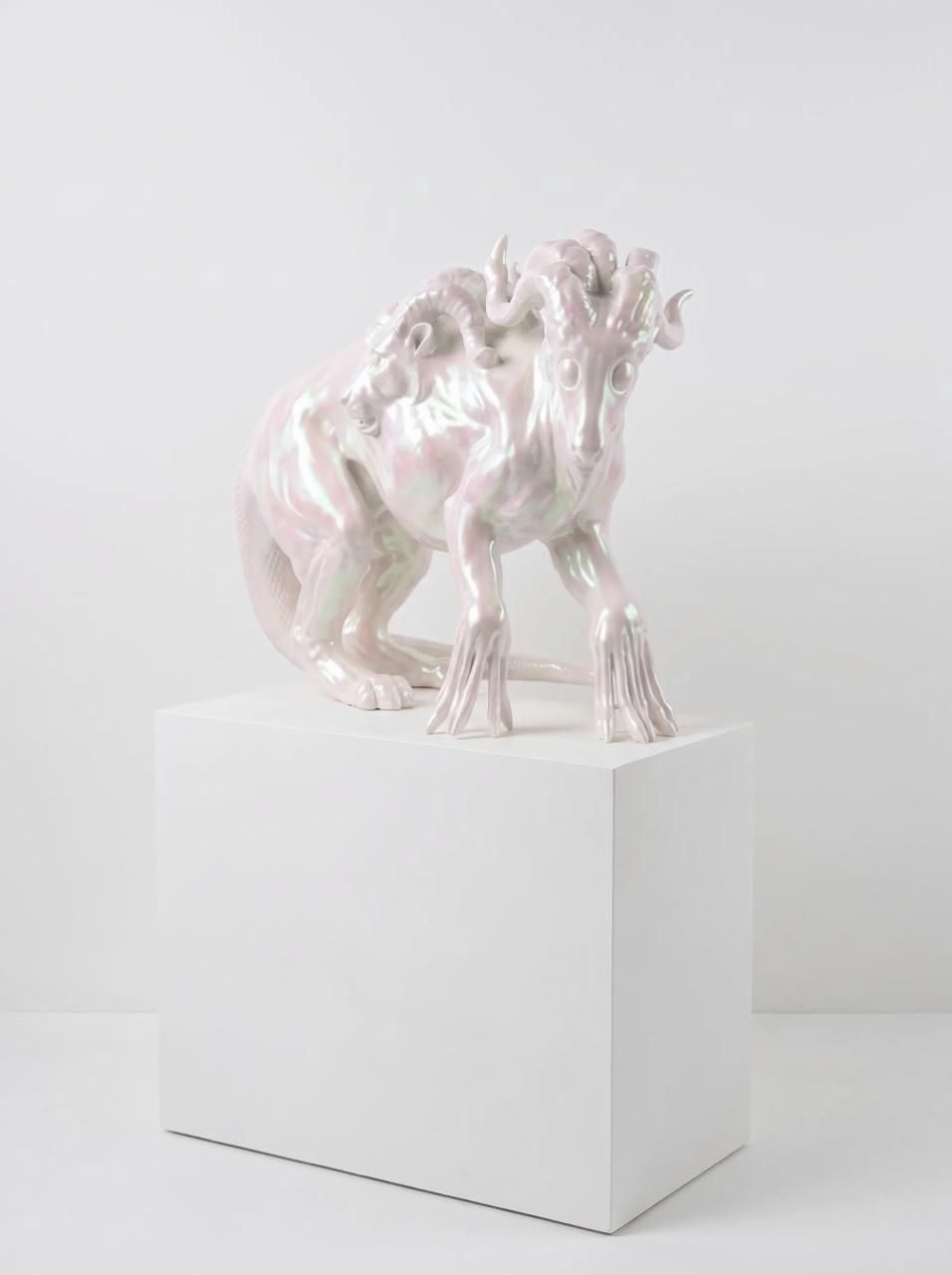
London, UK – September 20, 2026 – In a bold and provocative move that challenges the burgeoning landscape of AI-generated art, London-based creative studio Electric Dreama Studios is set to unveil a startling sculpture titled "CH(AI)MER" at the prestigious British Art Fair at the Saatchi Gallery. Far from celebrating the advancements of artificial intelligence in the creative realm, the studio intends for this grotesque and unsettling piece to serve as a stark warning and a powerful declaration against the proliferation of what they term "AI slop."
The unveiling of CH(AI)MER comes at a time when AI-generated content has become increasingly ubiquitous, permeating various industries from advertising to digital art. Major corporations, including Coca-Cola, are openly embracing the production of AI-generated marketing materials, while even nascent creative endeavors, such as art classes, are resorting to AI-generated flyers for promotion. This trend has ignited a fierce debate within the artistic community, with many advocating for artists to adapt to the evolving technological landscape, even as others express deep concern over the potential degradation of creative standards and the rise of aesthetically unappealing, or even disturbing, AI outputs. Reports have surfaced of AI-generated food imagery deterring consumers from dining out, and some individuals are actively boycotting companies that utilize AI-generated flyers, citing their often flawed and unsettling nature.
Electric Dreama Studios, known for its expertise in VFX and digital production, led by Creative Director Sam Nutt, has taken a radical approach to this ongoing discourse. Instead of contributing to the perceived deluge of uninspired AI content, they have chosen to deliberately create an "AI slop monster" – a monstrous embodiment of the very aesthetic they vehemently oppose. Their intention, however, is not to embrace this creation but to use it as a potent reminder, a visual manifesto designed to ensure they, and potentially their clients, never fall into the trap of producing such work again.
The Genesis of the Grotesque: A Statement Piece
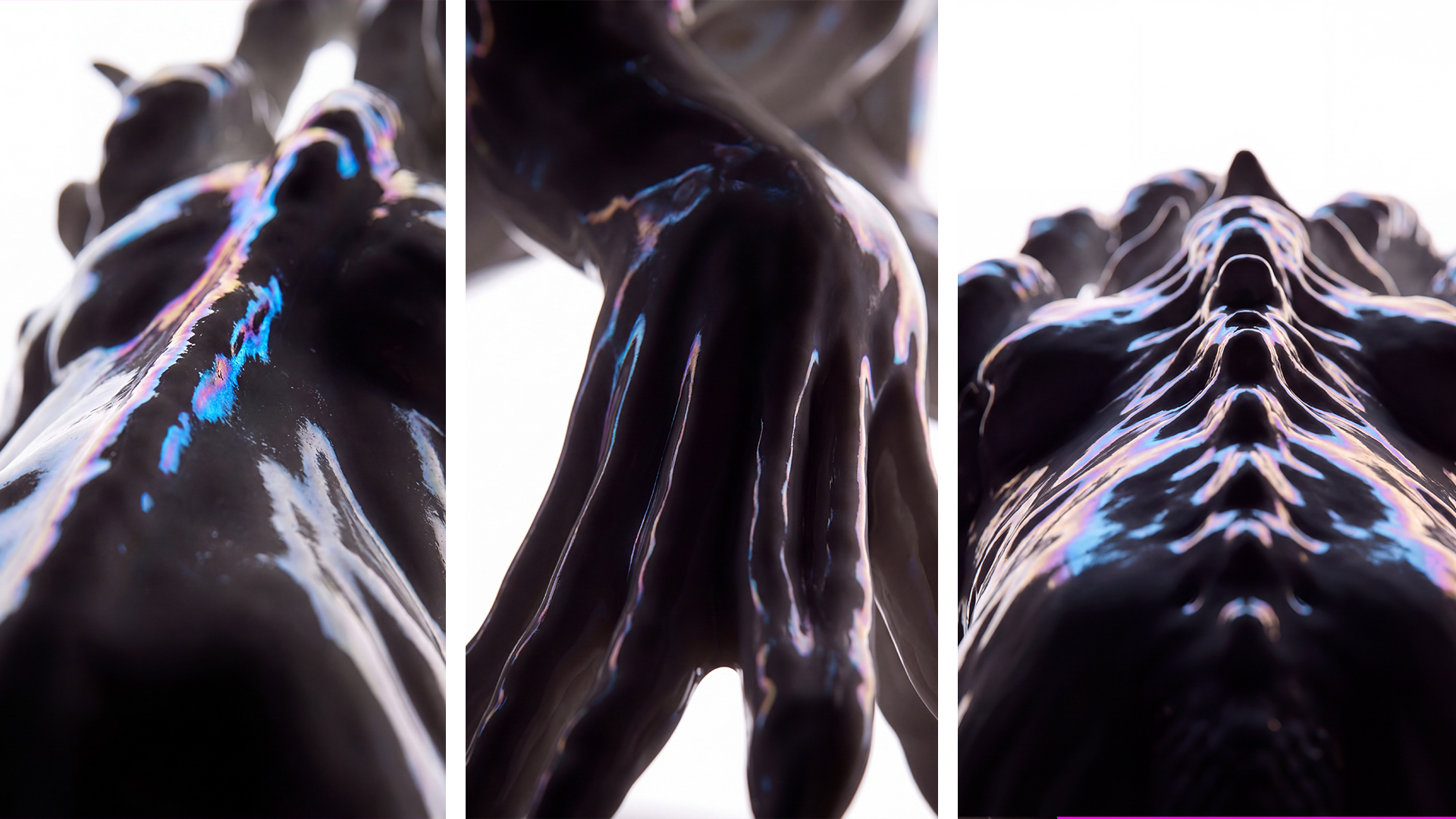
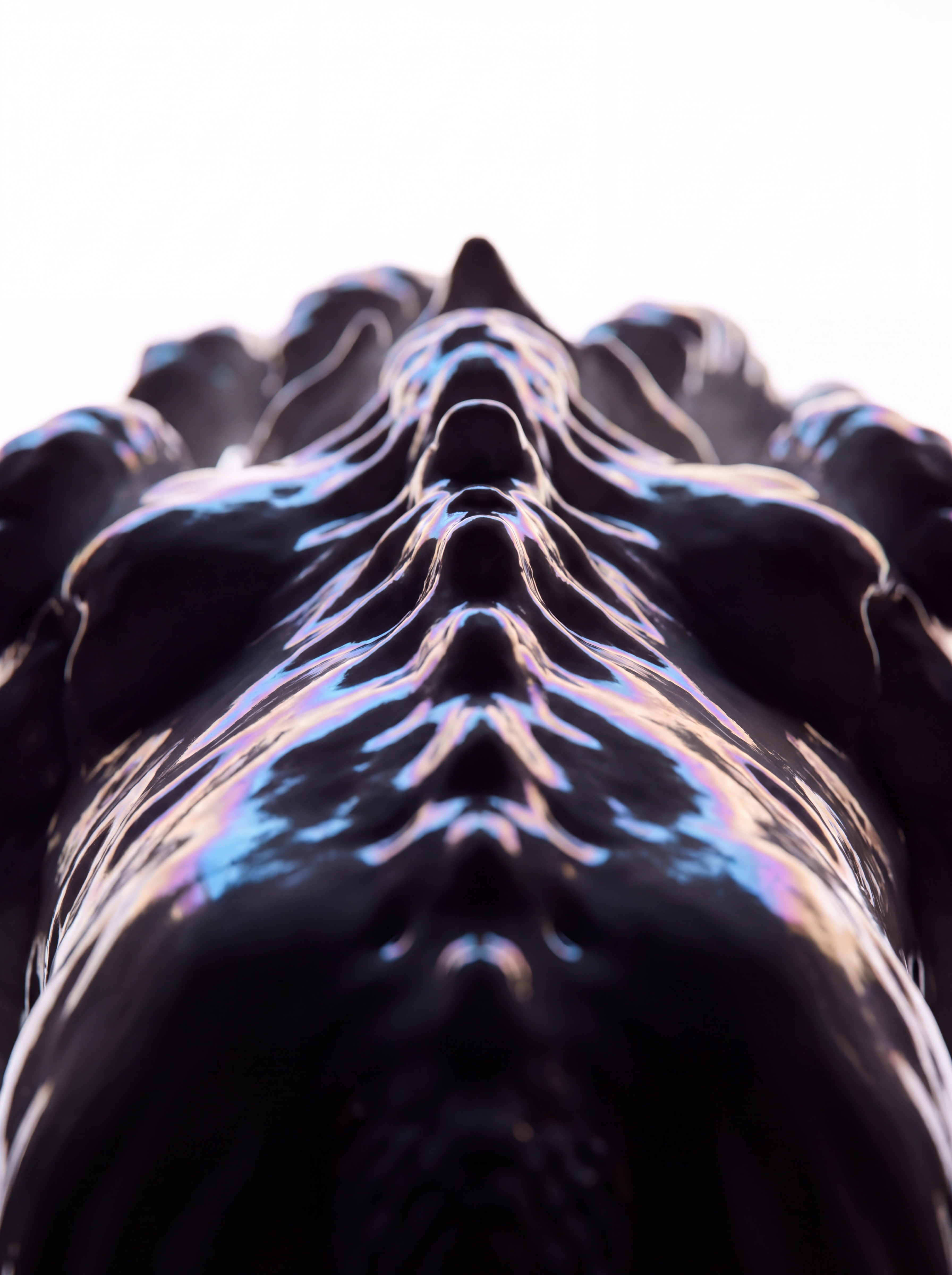
CH(AI)MER is described by its creators as a "grotesque amalgamation of AI slop as body parts." The sculpture is a visual manifestation of the anxieties surrounding the unchecked and often uninspired use of AI in art. Its physical characteristics are intentionally unsettling: poreless skin that appears to be in a state of perpetual melt, and vacant, "uncanny dead eyes." This deliberate aesthetic choice draws a direct parallel to the classical chimera from Greek mythology, a creature that symbolized chaos and destruction. In the context of contemporary art and technology, the studio posits that this symbolism is apt, reflecting how many perceive AI’s burgeoning contribution to the world of creative expression.
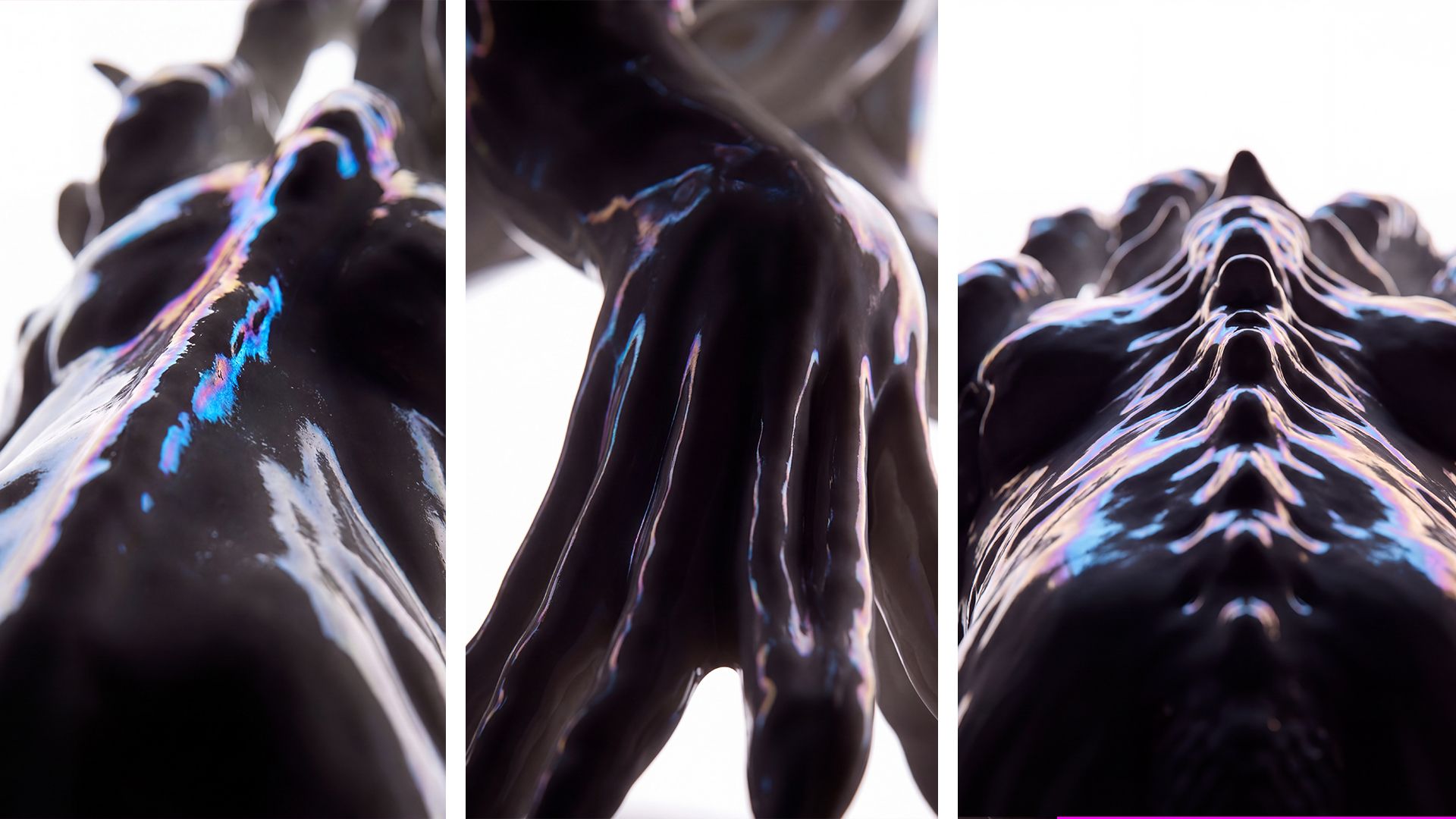
The studio’s decision to craft such a piece is rooted in a profound philosophical stance. They view CH(AI)MER not as a triumph of AI artistry, but as a deliberate act of artistic dissent. "We get why most of us reject AI," Sam Nutt stated in an interview. "It’s the slop and the soulless nature of most AI-generated work. The human touch and creativity feels missing. The CH(AI)MERA is a clear example of that – the monster that the world has created with the haphazard generation and use of AI."
A Vow Against "AI Slop": Electric Dreama’s Commitment
The creation of CH(AI)MER represents a solemn vow from Electric Dreama Studios. By constructing what they deem "the ugliest version of AI slop" they could conceive, they aim to create an indelible mark, a visceral reminder of what artistic endeavors they refuse to engage in moving forward. This sculpture is not an endorsement of AI’s creative potential in its current, often superficial, application; rather, it is a strategic tool for self-governance and a public declaration of their artistic principles.
"We created this piece to hold ourselves accountable," Nutt elaborated. "To remind our studio and our clients that we’ll never make this kind of slop ever. Everything after this is a promise: only human-first work, where the technology serves the craft, instead of replacing it." This commitment signifies a dedication to prioritizing human ingenuity, taste, and artistic vision above the expediency or novelty that AI tools might otherwise offer. The studio emphasizes that AI will be utilized strictly as a tool, an instrument in service of human-led ideas and creative direction, with taste always remaining the ultimate arbiter of the final creation.
The Wider Context: The Pervasive Influence of AI in 2026
The year 2026 has undeniably seen AI cement its presence across the creative industries. The initial awe and novelty have given way to widespread integration, leading to a polarization of opinions. On one side, proponents champion AI’s ability to democratize creation, accelerate workflows, and unlock new forms of artistic expression. They argue that resisting AI is akin to resisting any technological advancement throughout history, a futile effort that risks leaving creatives obsolete. Platforms like X (formerly Twitter) have become echo chambers for these debates, with algorithms amplifying the voices that advocate for embracing AI, regardless of the perceived quality or ethical implications of the generated content.
However, a growing counter-movement expresses concern about the erosion of artistic integrity, the potential for job displacement, and the homogenizing effect of algorithm-driven creativity. The term "AI slop," coined to describe the often low-quality, repetitive, or uncanny outputs of AI generators, has gained traction as a shorthand for this dissatisfaction. The examples cited in the original article – from unappetizing AI food imagery to awkwardly rendered AI flyers – are symptomatic of a broader unease. These instances highlight a perceived lack of nuance, emotional depth, and genuine artistic intent in much of the AI-generated content flooding the digital sphere.
Supporting Data and Anecdotal Evidence
The concerns voiced by Electric Dreama Studios are not isolated incidents. Anecdotal evidence and online discourse paint a consistent picture of the challenges posed by the widespread, uncritical adoption of AI in creative fields. Graphic designers have reported being inundated with requests to "fix" poorly conceived AI-generated flyers, a task that often requires more effort than creating a design from scratch. The visual anomalies in AI-generated imagery, such as distorted anatomy, illogical compositions, and a peculiar lack of soul, have become common talking points.
The "poreless skin that looks like it’s melting" and "uncanny dead eyes" described in CH(AI)MER are recurring motifs in the critique of AI art. These imperfections, while perhaps technically impressive in their rendering, often create a sense of unease or revulsion, a departure from the intended aesthetic or emotional impact. This disconnect between technical capability and artistic resonance is at the heart of the "AI slop" phenomenon.
Furthermore, the commercial adoption of AI by major brands, while signaling a shift in industry norms, also raises questions about artistic responsibility. When large corporations prioritize speed and cost-efficiency over curated human creativity, the downstream impact on smaller artists and the overall cultural landscape can be significant. The pursuit of novel marketing strategies, such as Coca-Cola’s embrace of AI-generated content, may yield short-term engagement but could ultimately dilute brand identity and artistic authenticity if not managed with a discerning eye.
Official Responses and Industry Reactions
While there are no direct "official responses" to Electric Dreama Studios’ provocative statement in the traditional sense, the art world itself is a constant forum for dialogue and reaction. The inclusion of CH(AI)MER at a reputable venue like the British Art Fair, hosted at the Saatchi Gallery, signifies a tacit acknowledgment of the work’s relevance and its potential to spark conversation. Galleries and art fairs often curate exhibitions that reflect and interrogate contemporary issues, and the pervasive influence of AI is undoubtedly one of the most pressing.
The studio’s approach is likely to elicit a range of reactions from industry professionals. Some may applaud their courage and conviction, seeing CH(AI)MER as a much-needed counterpoint to the uncritical embrace of AI. Others might view their stance as overly reactionary, arguing that AI is an inevitable tool that artists must learn to master rather than reject. The debate surrounding AI in art is far from settled, and Electric Dreama’s contribution is poised to add a significant, albeit unsettling, voice to the ongoing discussion.
Implications for the Future of Art and Creativity
The implications of Electric Dreama Studios’ "AI slop monster" are multifaceted and extend beyond a single sculpture. Firstly, it serves as a powerful reminder of the importance of artistic intent and human oversight in the creative process. As AI tools become more sophisticated, the temptation to abdicate creative control will undoubtedly grow. CH(AI)MER stands as a visual deterrent against this abdication, emphasizing that technology should augment, not replace, human vision and taste.
Secondly, the studio’s commitment to "human-first work" highlights a potential market for art that prioritizes authenticity, craftsmanship, and emotional connection. In an era saturated with algorithmically generated content, audiences may increasingly seek out art that feels genuinely human and expresses a unique perspective. Electric Dreama’s future projects, guided by their new manifesto, could become beacons for this discerning audience.
Finally, CH(AI)MER prompts a crucial re-evaluation of what constitutes "good" art in the age of AI. Is it merely technical proficiency, or does it encompass something more profound – a connection to human experience, a unique voice, a deliberate artistic statement? By creating a deliberate embodiment of what they consider "bad" AI art, Electric Dreama Studios forces us to confront these questions and consider the ethical and aesthetic responsibilities that come with wielding powerful new creative technologies. Their monstrous creation, paradoxically, may inspire a more thoughtful and humanistic approach to art in the years to come.
CH(AI)MER will be on public display at the British Art Fair, Saatchi Gallery, London, from September 24 to 27.