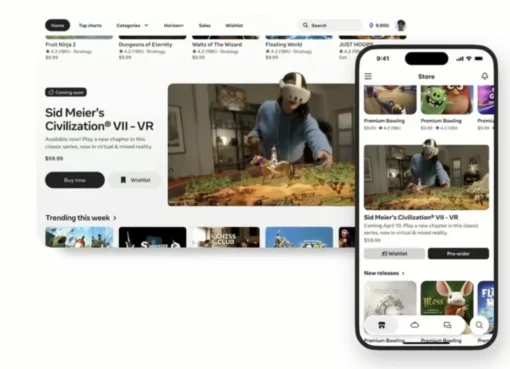
The Architecture of Immersive Media: Acute Immersive and the Quest for Branded Spatial Destinations

The landscape of digital media is undergoing a seismic shift, transitioning from the flat rectangles of smartphones and monitors to the infinite canvases of spatial computing. As the Apple Vision Pro and upcoming Android XR devices redefine the hardware standards, a critical question looms for content creators, studios, and lifestyle brands: How do they reach their audience without being buried in a crowded app store or losing control of their data to tech giants?
Enter Acute Immersive, a publishing platform that is positioning itself as the "Shopify of spatial video." By providing the infrastructure for businesses to launch their own branded, white-label immersive video destinations, Acute Immersive is attempting to bridge the gap between high-end production and direct-to-consumer distribution.
Main Facts: The Rise of the Independent Immersive App
For years, immersive video—encompassing 180-degree and 360-degree stereoscopic content—has lived primarily on platforms like YouTube VR or specialized aggregators. However, as the fidelity of hardware like the Apple Vision Pro reaches "retina" levels for the eyes, the limitations of these platforms become apparent. Issues such as compression artifacts, lack of monetization control, and opaque analytics have hindered professional studios.
Acute Immersive addresses these pain points by offering a semi-custom, white-label solution. Instead of merely uploading a video to a third-party app, a brand can now launch its own dedicated application. This platform supports a wide array of formats, ranging from standard 16:9 cinematic video and 3D movies to the cutting-edge "Apple Immersive Video" standards shot on the Blackmagic URSA Cine Immersive camera.
Key features of the platform include:
- White-Label Deployment: Branded apps that exist independently on the App Store.
- Multi-Format Support: Mono/stereo 180 and 360 video, 3D movies, and iPhone-captured Spatial Video.
- Direct Monetization: Capability for subscriptions, bundles, or individual video purchases.
- Deep Analytics: Granular data on audience behavior, including thumbnail conversion rates and traffic attribution.
Chronology: From Launch to Award-Winning Impact
The trajectory of Acute Immersive reflects the broader maturation of the spatial computing market.
The Launch Phase (Late 2024 – 2025):
Acute Immersive launched its publishing platform during the first wave of Apple Vision Pro enthusiasm. Recognizing that studios were struggling with the high technical bar required to build visionOS apps from scratch, the company focused on a backend that could handle the massive file sizes and complex metadata associated with immersive video.
The "Primary" Breakthrough (2025 – 2026):
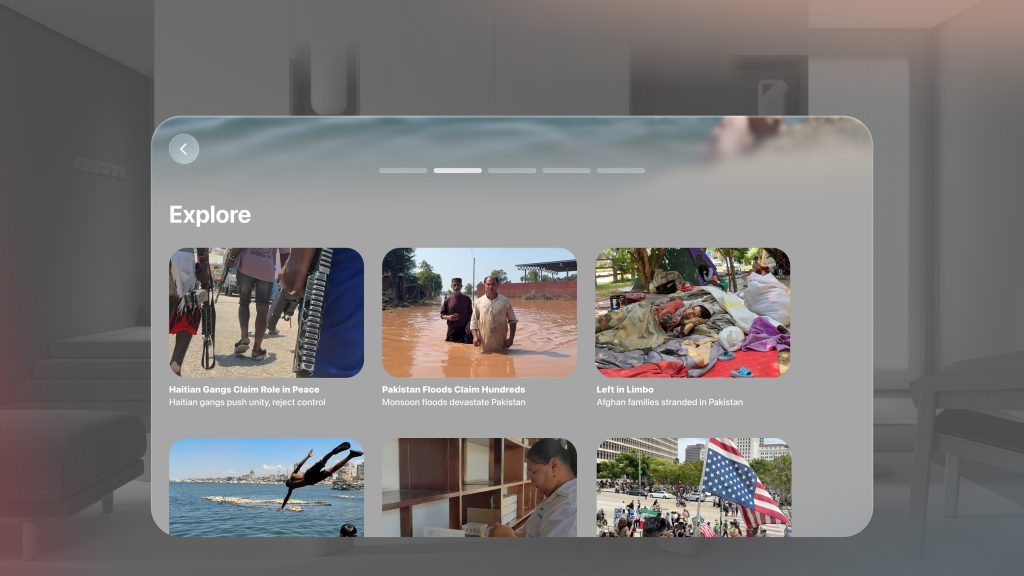
The platform’s capabilities were validated through the success of its early adopters. Most notably, Primary: News in Depth, a project powered by Acute Immersive, rose to prominence for its use of immersive journalism. By 2026, Primary secured the Apple Design Award for Social Impact, proving that the platform could support not just "eye candy," but substantive, award-winning content that resonated with both critics and the Apple ecosystem.
The Era of Expansion (Present – Future):
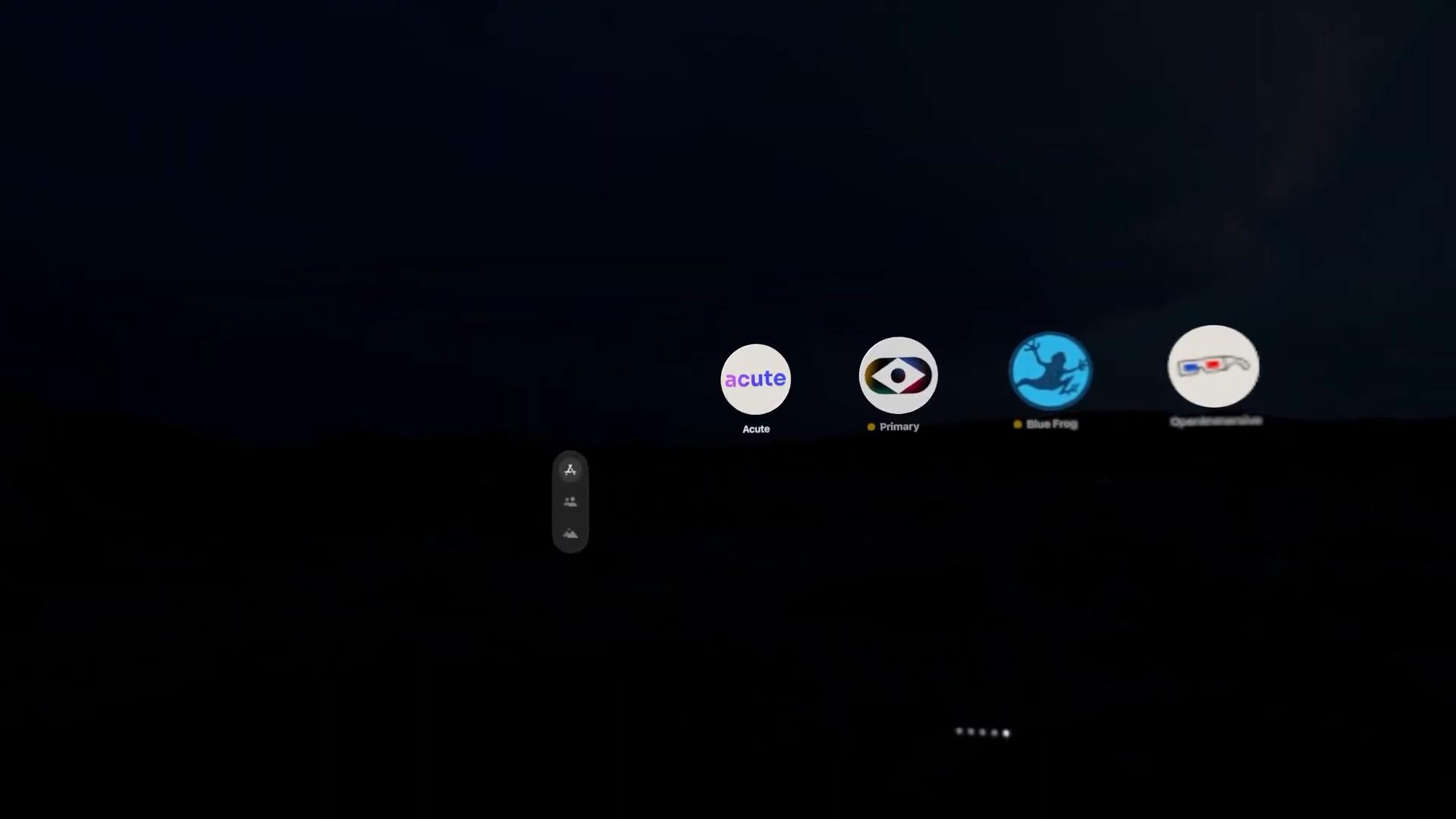
Following the success of Primary and Blue Frog Immersive, Acute Immersive has moved beyond the Apple "walled garden." The company recently announced plans to support the upcoming Android XR ecosystem, including specialized hardware like the XREAL Aura glasses. This move signals a shift toward a platform-agnostic future where immersive content can be deployed across various AR/VR/XR headsets from a single management hub.
Supporting Data: Technical Specifications and Marketing ROI
To understand why a brand would choose a dedicated platform over a social media upload, one must look at the data capabilities Acute Immersive provides. In the realm of spatial computing, "engagement" is measured differently than on mobile devices.
The Content Pipeline
The platform is optimized for the Blackmagic URSA Cine Immersive, a camera capable of capturing 8K per eye at high frame rates. Acute Immersive’s backend allows for the organization of these massive files into seamless playlists. Creators can review content directly in-headset through the "Acute Pro" review app before publishing, ensuring that the spatial audio and depth cues are perfect before the public sees them.
Marketing and Conversion Metrics
For marketers, the platform offers a suite of tools previously unavailable in VR:
- Deep Link Attribution: The ability to track a user from a social media ad or email directly to a specific timestamp in a 180-degree video.
- Thumbnail Conversion: A/B testing for thumbnails to see which spatial previews drive the most "enters."
- Push Notifications: Direct communication with the audience to alert them of new content drops, bypassing the algorithmic filters of social media.
This data-centric approach is vital. In the current market, where the library of accessible immersive video is still relatively small, being able to prove ROI (Return on Investment) is the difference between a one-off experiment and a sustainable business model for a studio.
Official Responses: The Philosophy of Control
While Acute Immersive operates as a service provider, its leadership has frequently emphasized the importance of "audience ownership." In a market where Apple TV and YouTube dominate the narrative, the company argues that studios must maintain their own "branded destinations."
According to platform documentation and industry positioning, the choice to distribute on a third-party app versus a self-branded app involves a trade-off. Distributing on an aggregator helps with "discoverability"—new users might stumble upon the content. However, publishing directly through an Acute-powered app allows the studio to control the pricing, the user experience (UX), and, most importantly, the relationship with the customer.
"The team plans to expand the reach that immersive video content can have," a company representative noted regarding the expansion into Android XR. This expansion is seen as a direct response to client demand for a "build once, deploy everywhere" workflow that doesn’t sacrifice the high-fidelity requirements of the Vision Pro.
Implications: The Future of the Spatial Web
The existence of platforms like Acute Immersive has profound implications for the future of media, entertainment, and lifestyle branding.
1. The Democratization of Distribution
Building a native app for the Apple Vision Pro is an expensive, multi-month endeavor requiring specialized Swift and RealityKit developers. By offering a "semi-custom" white-label solution, Acute Immersive lowers the barrier to entry. This could lead to a surge in niche content—from immersive fitness apps and cooking classes to high-end real estate tours—that would otherwise never have made it to market.
2. The Shift Away from "The App Store" Model
As the "Spatial Web" (WebXR) and dedicated publishing platforms evolve, we may see a shift away from the centralized App Store model. If a brand can provide a high-quality, immersive experience through their own platform with direct monetization, the 30% "Apple Tax" and strict store guidelines become more of a burden than a benefit. Acute Immersive provides the infrastructure for this independence.
3. The Resolution War and Hardware Parity
With support for Android XR and XREAL on the horizon, the industry is moving toward a standard for immersive video. Acute Immersive’s support for various formats (Spatial Video vs. 180 stereo) suggests that the future of media will be "layered." A user might start watching a 2D trailer on their iPhone, switch to a 3D version on their Mac, and finally "enter" the full 180-degree immersive experience on their Vision Pro or XREAL glasses.
4. Filling the "Content Gap"
Currently, the biggest hurdle for the Apple Vision Pro is the "low library" of content. Users have the hardware, but they often run out of high-quality things to watch. By providing a streamlined pipeline for Blackmagic-shot content, Acute Immersive is helping to fill this vacuum. As it becomes easier to publish, the volume of professional-grade immersive stories will likely increase, finally giving consumers a reason to put on their headsets every day.
Conclusion
The evolution of Acute Immersive from a niche review tool (Acute Pro) to a robust publishing powerhouse reflects the growing pains and eventual professionalization of the VR/AR industry. By focusing on the needs of the creator—monetization, analytics, and branding—they are moving the conversation away from the novelty of the hardware and toward the sustainability of the medium.
As we look toward 2027 and beyond, the success of spatial computing will not be measured by the number of headsets sold alone, but by the richness of the destinations available within them. Platforms like Acute Immersive are the architects of those destinations, ensuring that when the world is ready to look through a lens, there is something worth seeing.