The Voracious Evolution of ‘In Full Bloom’: A Deep Dive into the Unsettling New Frontier of Pet Simulators
The landscape of independent gaming has long been a fertile ground for subverting established genres, yet few titles in recent memory have managed to pivot as sharply from "cozy" to "cosmic horror" as In Full Bloom. Recently showcased at Gamescom and highlighted during the Southeast Asian Games Showcase 2026, In Full Bloom presents a visceral, unsettling take on the traditional pet-raising simulator. While the "Tamagotchi" comparison is frequently invoked, it serves here more as a Trojan horse for a deeper, more disturbing exploration of consumption, growth, and environmental collapse.
Main Facts: The Anatomy of a Gluttonous God
At its core, In Full Bloom is a life-simulation game that tasks the player with the care and feeding of a singular, enigmatic entity. However, unlike the digital pets of the 1990s that required occasional cleaning and play, the creature in In Full Bloom is defined by a singular, insatiable drive: hunger.
A Biological Enigma
The game begins with a creature that is deceptively modest—a small, fleshy blob characterized by a disproportionate number of teeth and a prehensile, searching tongue. The player’s primary interaction is tactile; using a drag-and-drop mechanic, they must physically move objects into the creature’s ever-widening maw.
Scale and Progression
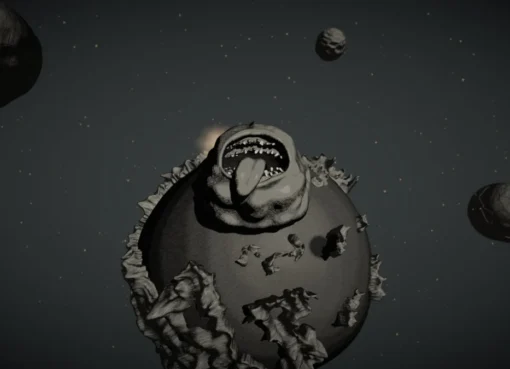
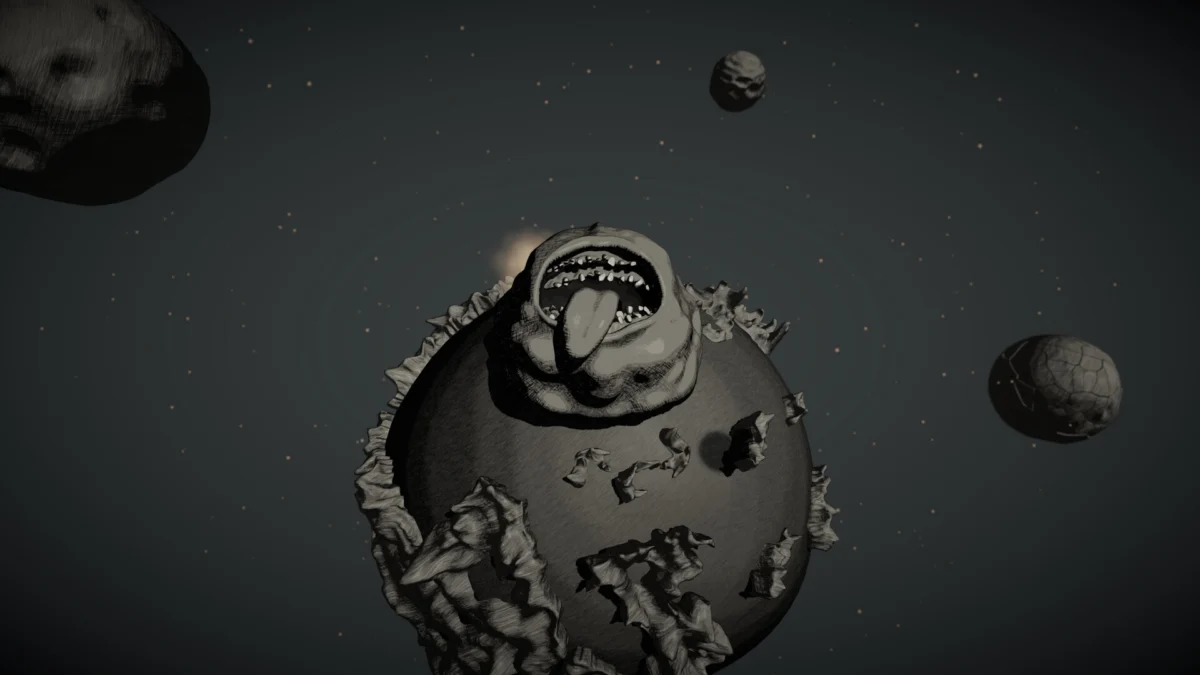
The defining mechanic of In Full Bloom is its sense of scale. As the creature consumes, it undergoes rapid biological metamorphosis. What begins as a small pet in a localized environment quickly evolves into a topographical force. The game tracks the creature’s growth stages not just through stat bars, but through the physical alteration of the game world. Eventually, the creature becomes "too big for the planet," transitioning from a guest in an ecosystem to the entity that replaces it.
Availability and Platforms
Developed within the burgeoning Southeast Asian indie scene, the game has already garnered significant attention on the global stage. Currently, a playable demo is available on Steam, where the game has seen a surge in "wishlisting" following its viral presence at Gamescom. The full release is anticipated to follow the 2026 showcase cycle.
Chronology: From Microscopic Hunger to Global Consumption
The narrative and gameplay arc of In Full Bloom follows a strict chronological progression of escalation. To understand the game is to understand the timeline of a biological takeover.
The Infancy Stage: The Mimicry of Care
In the opening minutes of the demo, the player is introduced to a creature that feels manageable. It occupies a small patch of land, and its dietary needs are met by small, inert objects. During this phase, the game mimics the "cozy" aesthetics of a standard simulator. The player learns the rhythm of feeding—the "grab and throw" motion that defines the user interface.
The Adolescent Stage: Systematic Feeding
As the creature grows, the gameplay shifts from casual care to what the developers describe as "systematic feeding." The creature develops more teeth; its tongue grows longer and more dexterous. The player must work faster to keep up with a hunger that "never feels fed enough." It is at this stage that the "creepy" atmosphere noted by early testers begins to solidify. The creature starts to consume other living beings within its vicinity, signaling a shift from a pet to a predator.
The Maturity Stage: Environmental Displacement
The final stages shown in the recent trailers and Gamescom demos reveal the game’s true scope. The creature eventually outgrows its initial environment. The world around it—once a backdrop for its growth—becomes its primary food source. The chronology of the game concludes with the creature attempting to "get off this strange planet," having effectively consumed the very foundation it stood upon. This transition from a grounded simulation to a space-faring biological anomaly marks the game’s climax.
Supporting Data: The Sensory Mechanics of Dread
What distinguishes In Full Bloom from other evolution-based games like Katamari Damacy or Agar.io is its commitment to "visceral realism." The game utilizes several data points of design to create its unique brand of unease.
Audio Engineering and "ASMR Horror"
A significant portion of the player feedback from the Gamescom floor focused on the game’s audio design. In Full Bloom utilizes high-fidelity foley sounds to communicate the creature’s biology. The audio landscape is dominated by:
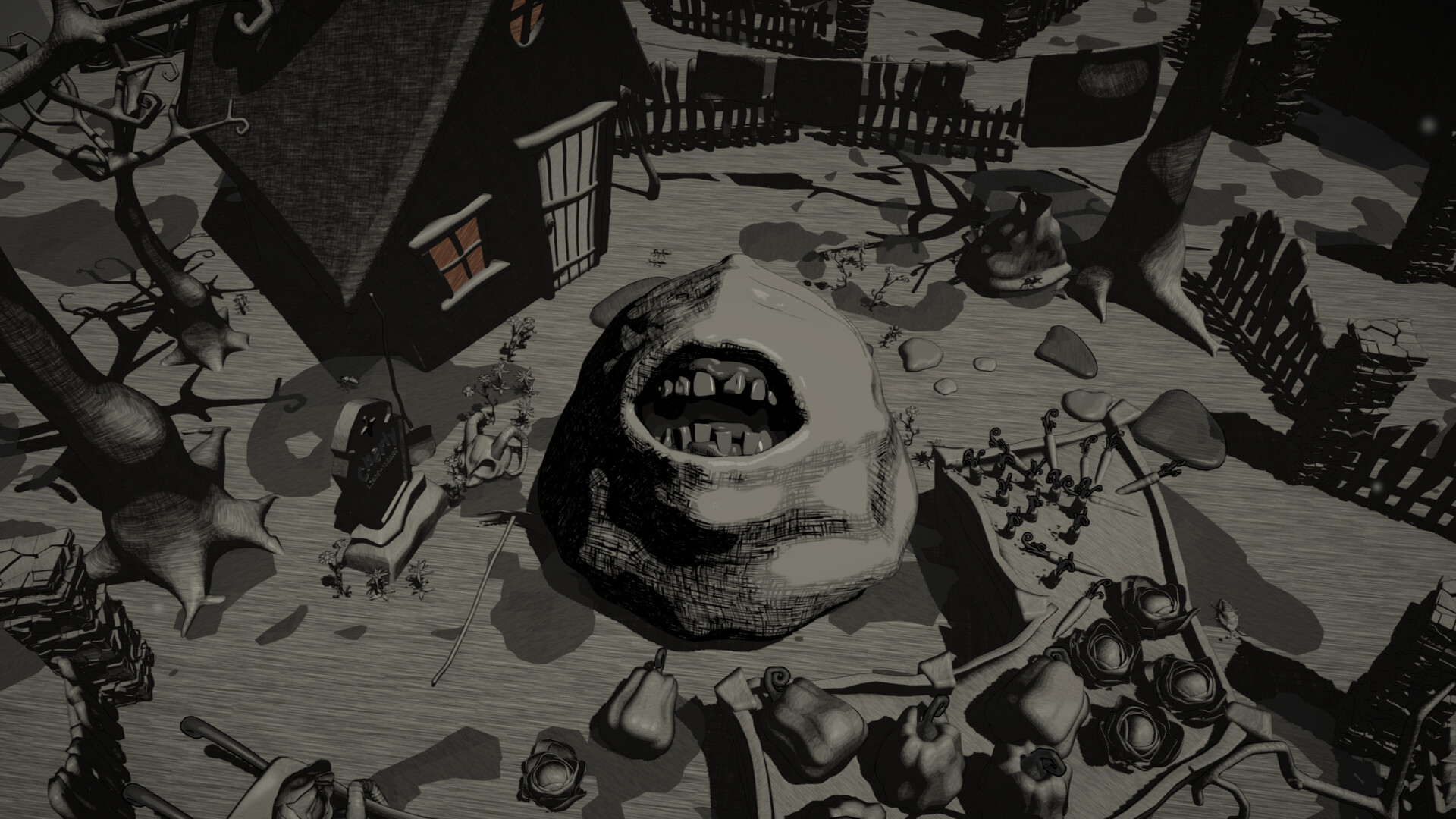
- Wet Mastication: Distinct sounds of chewing and grinding that change based on the texture of the object consumed.
- Deglutition: Rhythmic swallowing noises that provide a haptic-like feedback to the player’s actions.
- Regurgitation: Occasional "throwing up" sounds that suggest the creature’s anatomy is struggling to keep pace with its rapid growth.
Visual Evolution Metrics
The visual data of the creature is not randomized. Its growth is mapped to the volume of matter consumed. Developers have implemented a "dynamic flesh" system where the creature’s skin stretches, folds, and develops new orifices in real-time. The contrast between the vibrant, almost neon colors of the environment and the raw, pinkish hues of the creature creates a visual dissonance that reinforces the "horror-like" tone.
Player Retention and "The Feeding Loop"
Internal metrics from the Steam demo indicate a high level of "flow state" among players. The "systematic" nature of dragging items into the mouth creates a repetitive, almost meditative loop. However, this is countered by the visual horror of the creature’s transformation, creating a psychological tension that keeps players engaged for longer sessions than typical for the genre.
Official Responses: Insights from the Development Front
The reception of In Full Bloom at the Southeast Asian Games Showcase 2026 prompted several statements from the development team and industry analysts regarding the game’s intent and cultural impact.
Developer Vision
In a post-showcase Q&A, the lead designers addressed the "creepy" label frequently applied to their work. "We wanted to explore the concept of ‘unconditional growth’ in a way that feels both rewarding and repulsive," the team stated. "In most games, growth is purely a positive metric. In In Full Bloom, growth is a form of consumption. You are caring for something, but that care requires the destruction of everything else."
Regional Significance
The Southeast Asian Games Showcase organizers highlighted In Full Bloom as a prime example of the region’s "New Wave" of indie development. "Southeast Asian developers are increasingly using the language of horror and surrealism to discuss themes of ecology and urban expansion," noted a representative for the showcase. "The creature in this game is a metaphor for an appetite that cannot be satiated, a theme that resonates globally but is rooted in local creative sensibilities."
Steam Community Reaction
The Steam community’s response has been polarized yet enthusiastic. "It’s the first game that made me feel guilty for winning," wrote one early reviewer. "I kept feeding it because the game told me to, but by the end, I realized I had helped a monster eat a world." This sentiment—a mix of mechanical satisfaction and moral unease—is exactly what the developers appear to have targeted.
Implications: The Rise of the "Unsettling" Simulator
The success and visibility of In Full Bloom carry significant implications for the future of the indie gaming market and the evolution of the life-sim genre.
The Subversion of the "Cozy" Genre
For the past several years, the "cozy game" trend (exemplified by Animal Crossing or Stardew Valley) has dominated the indie scene. In Full Bloom represents a growing counter-movement: the "Uncanny Sim." These games use the mechanics of caretaking to evoke feelings of dread, body horror, and existential crisis. This suggests a maturing audience that is looking for the comfort of familiar mechanics paired with more challenging, darker thematic content.
Ecological and Philosophical Commentary
On a deeper level, In Full Bloom serves as a grim allegory for consumerism and environmental depletion. The creature’s journey—from a small, needy thing to a planet-consuming behemoth—mirrors the trajectory of industrial expansion. The fact that the creature "never feels fed enough" is a stinging critique of a growth-at-all-costs mindset. By placing the player in the role of the enabler, the game forces a confrontation with the consequences of "systematic feeding."
Technological Innovation in Indie Horror
The game’s use of procedural growth and advanced foley sound design sets a new bar for what small-scale indie studios can achieve. In Full Bloom proves that horror does not require jump scares or traditional monsters; it can be found in the simple, repetitive act of feeding, and the unsettling realization that the thing you are raising is becoming too large for the world to sustain.
As In Full Bloom moves toward its full release, it stands as a testament to the power of genre-blending. It is a game that is as much about the "creepy" joy of discovery as it is about the terrifying reality of an infinite appetite. For those brave enough to download the demo on Steam, the message is clear: the creature is hungry, and it is up to you to decide what it eats next—until there is nothing left.