The Kubrick Renaissance: Inside the Fall 2026 Cultural Surge and the Tectonic Shifts of the "WarnerMount" Era
NEW YORK — As the leaves turn in the autumn of 2026, the global cinematic discourse has found itself anchored by a familiar, monolithic presence: Stanley Kubrick. While the late director has never truly left the cultural conversation, this season marks an unprecedented convergence of archival restoration, investigative journalism, and industry-wide reflection. From the high-definition precision of a landmark Criterion Collection release to the deep-dive narrative of Turner Classic Movies’ flagship podcast, the "Kubrick Season" is in full swing, providing a stark contrast to the volatile corporate maneuvering currently shaking the foundations of Hollywood.
Main Facts: A Multi-Platform Tribute to a Master
The current obsession with Kubrick is driven by three primary catalysts. First is the launch of the latest season of The Plot Thickens, the award-winning podcast from Turner Classic Movies (TCM). Hosted by Ben Mankiewicz, the new season dedicates 11 episodes to deconstructing Kubrick’s enigmatic life and meticulous process. Mankiewicz, a figurehead of film history, brings a blend of archival discovery and personal anecdote to a director whose private life was often as guarded as his film sets.
Simultaneously, the home cinema market is bracing for what is being described as a "definitive" physical media event. On October 20, the Criterion Collection will release a comprehensive 13-film box set. This collection spans the director’s narrative features, beginning with the gritty noir of The Killing and culminating in a meticulously restored 4K version of Eyes Wide Shut. This release follows a year of intense scholarly focus on Kubrick’s final film, which saw a resurgence in critical reappraisal during its initial 4K debut in late 2025.
Finally, the critical community has coalesced around these releases to re-evaluate Kubrick’s hierarchy of brilliance. In a special crossover event, Mankiewicz joined IndieWire’s Screen Talk podcast hosts Anne Thompson and Ryan Lattanzio to rank the director’s filmography. The discussion highlighted a generational divide in cinephilia, contrasting the appreciation for Kubrick’s early black-and-white mastery against the "final cut" era of his later color masterpieces.
Chronology: The Path to the 2026 Kubrick Summer-Fall
The road to this cultural moment began in mid-2025, when rumors first surfaced of a massive collaboration between the Kubrick Estate and the Criterion Collection.
- September 2025: IndieWire dedicates a full week of coverage to the legacy of Eyes Wide Shut, coinciding with a limited theatrical re-release of a new 4K master. This sparked a renewed interest in the "late-style" Kubrick.
- January 2026: TCM announces that the seventh season of The Plot Thickens would move away from actor-centric biographies (such as previous seasons on Lucille Ball and Pam Grier) to focus on the technical and psychological rigors of a single director: Stanley Kubrick.
- August 2026: Pre-orders for the Criterion box set break internal records, signaling a robust appetite for physical media despite the dominance of streaming services.
- September 2026: The Plot Thickens premieres its first episode, featuring never-before-heard interviews with collaborators from the sets of 2001: A Space Odyssey and The Shining.
- Late September 2026: The Toronto International Film Festival (TIFF) concludes, with winners being framed through the lens of Kubrickian precision, just as the New York Film Festival (NYFF) opens its doors.
Supporting Data: The 13-Film Legacy by the Numbers
The Criterion Collection’s 13-film set is more than a mere repackaging; it represents a massive technical undertaking. The set includes:

- Early Works: Fear and Desire (1953) and Killer’s Kiss (1955), providing a window into the director’s formative years.
- The Breakthroughs: The Killing (1956) and Paths of Glory (1957), the latter of which Mankiewicz frequently cites as a pinnacle of the anti-war genre.
- The Epic Era: Spartacus (1960). Interestingly, during the Screen Talk ranking, this film was noted as a "studio-hire" project, where Kubrick lacked the total creative autonomy that defined his later career.
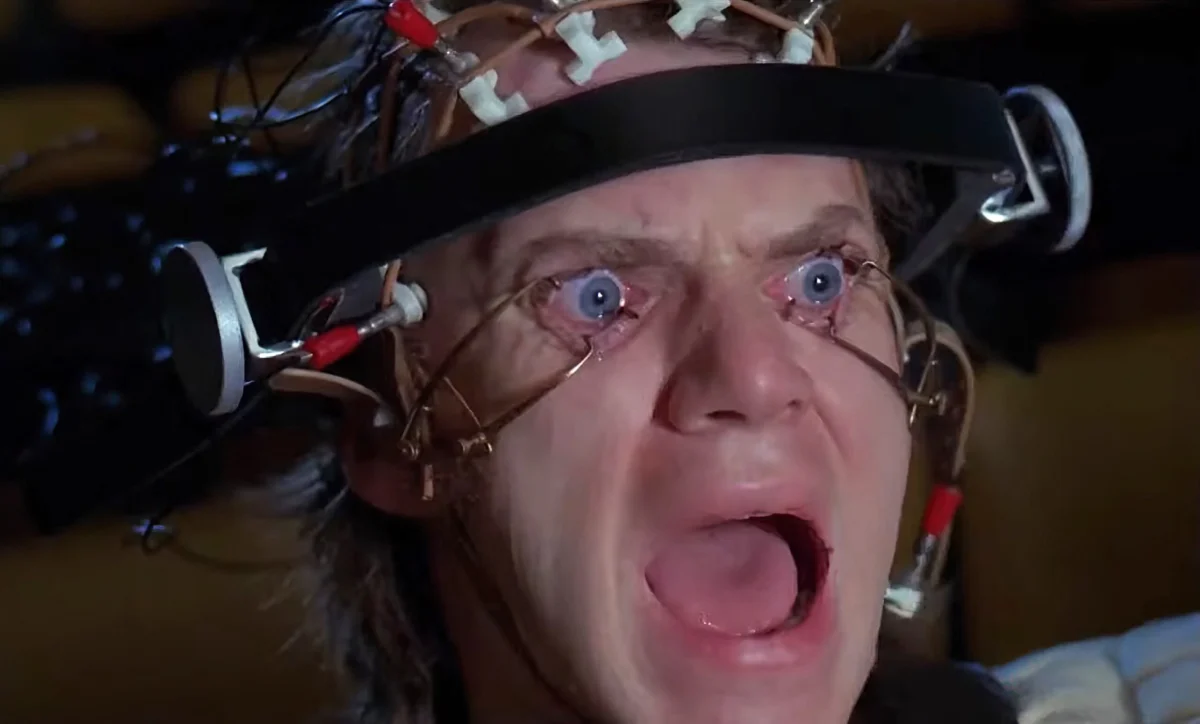
- The Masterpieces: Lolita (1962), Dr. Strangelove (1964), 2001: A Space Odyssey (1968), A Clockwork Orange (1971), Barry Lyndon (1975), The Shining (1980), and Full Metal Jacket (1987).
- The Final Word: Eyes Wide Shut (1999), presented in a 4K restoration that corrects color-grading issues present in previous home video iterations.
Industry analysts suggest that the box set’s $300 MSRP has not deterred collectors. Market data from Q3 2026 indicates a 12% uptick in boutique physical media sales, driven largely by high-end "prestige" sets that offer tactile supplements and scholarly essays not available on digital platforms.
Official Responses: Insights from the "Screen Talk" Special
During the special edition of IndieWire’s Screen Talk, the dialogue between Ben Mankiewicz, Anne Thompson, and Ryan Lattanzio offered a rare look into the "dishy" side of film history. Mankiewicz shared accounts of Kubrick’s legendary late-night phone calls—marathon sessions where the director would grill peers and proteges like Steven Spielberg and Todd Field on technical minutiae or philosophical quandaries.
"Kubrick didn’t just make movies; he lived in the machinery of them," Mankiewicz noted during the episode. He argued for the supremacy of Kubrick’s early black-and-white period, citing the lean, muscular storytelling of The Killing.
In contrast, Ryan Lattanzio defended what he termed the "basic millennial choices"—the sprawling, color-saturated works like The Shining and Eyes Wide Shut. Lattanzio argued that these films represent the "purest" version of the auteur, as they were produced during a time when Kubrick held "final cut" privileges and operated with a level of resources few directors have ever commanded.
Anne Thompson provided the industry context, noting that while the rankings were subjective, the universal acclaim for Kubrick’s #1 films (most notably 2001: A Space Odyssey) reinforces his status as the "architect of modern cinema."
Implications: The "WarnerMount" Merger and the Future of Curation
While the Kubrick celebration offers a moment of artistic stability, the backdrop is one of corporate chaos. The industry is currently reeling from the proposed "WarnerMount" merger—a titanic union between Warner Bros. Discovery and Paramount Global.

As of late September 2026, the merger has hit a significant legal roadblock. A coalition known as "Block the Merger" successfully petitioned a federal judge for a last-ditch delay. The judge granted the injunction, citing potential antitrust violations and the risk of a "content monopoly" that could stifle the very kind of archival preservation that TCM and Criterion represent.
The implications for the Kubrick library are significant. Currently, Kubrick’s films are fragmented across various rights-holders. A successful WarnerMount merger would consolidate many of these titles under one roof, raising concerns among preservationists about "vaulting"—the practice of removing titles from circulation to drive artificial scarcity or cut licensing costs.
The Awards Season Connection
The "Kubrick Season" also serves as a benchmark for the current awards race. As the TIFF 2026 winners are analyzed, critics are looking for the "Kubrickian" traits of formal rigor and thematic depth in contemporary filmmakers. The New York Film Festival, which begins today, is expected to feature several "Kubrick-adjacent" works—films that prioritize the theatrical experience and high-fidelity visual storytelling.
As the industry looks toward the 2027 Oscars, the influence of the Kubrick retrospectives is palpable. There is a growing movement among the Academy’s technical branches to honor the restoration teams behind the Criterion set, recognizing that the preservation of film history is as vital to the industry’s health as the production of new content.
Conclusion: Why Kubrick Matters in 2026
The convergence of The Plot Thickens, the Criterion 13-film set, and the critical discourse on Screen Talk underscores a fundamental truth about the 2026 film landscape: in an era of rapid AI integration and corporate consolidation, the "human" perfectionism of Stanley Kubrick remains a North Star for artists and audiences alike.
Whether it is Mankiewicz’s historical excavations or Lattanzio’s millennial reappraisals, the fascination with Kubrick stems from his refusal to compromise. As the "WarnerMount" legal battle continues to unfold, the Kubrick legacy stands as a reminder of what cinema can achieve when the artist—not the conglomerate—is the final arbiter of the image. For the next several weeks, at least, the world of film belongs to Stanley Kubrick.