Unearthing the Everyday: Why Consciously Embracing Folklore Enriches Modern Life
London, UK – Often relegated to the dusty archives of history, quaint regional quirks, or the fantastical realms of fiction, folklore is frequently misunderstood and underestimated. Many perceive it as an anachronism – the antler-wearing men of Abbotts Bromley, the archaic practice of wart charming, or simply "flim flam" designed to lull children to sleep or twist a plot for entertainment. Yet, a deeper look reveals that folklore is not merely a relic of the past; it is a vibrant, living tapestry woven into the fabric of our daily existence, from the simple ritual of making a cup of tea to the grand celebrations that punctuate our year.
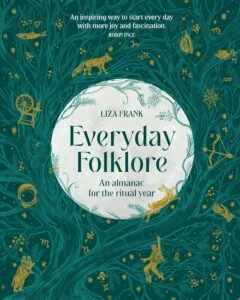
Liza Frank, author of the recently published Everyday Folklore: An Almanac for the Ritual Year, challenges this narrow perception. Drawing from her year-long immersive project between St Distaff’s Day 2020 and Twelfth Night 2021, where she consciously engaged with ritual year folklore every day, Frank posits that embracing these traditions can profoundly enrich our lives. Her work serves as a practical guide, urging individuals to move beyond passive observation and actively incorporate folkloric practices into their routines. For those who harbor even a passing interest in this often-overlooked dimension of human experience, Frank presents a compelling call to action, advocating for a deliberate engagement with the "fear and do it anyway" spirit of folklore.
The Pervasive Presence of Unacknowledged Traditions
Folklore, in its broadest sense, encompasses the unwritten rules, customs, traditions, and beliefs that shape human behavior and community. It’s the shared understanding of how to celebrate a birthday, the unspoken code of conduct at a funeral, the preference for jam before cream on a scone, or the very act of preparing a "brew" in a specific way. These aren’t just arbitrary habits; they are expressions of cultural memory, social cohesion, and individual identity, often passed down through generations. To dismiss folklore is to overlook a fundamental aspect of what makes us human.
Frank’s journey, meticulously documented in her "Everyday Lore Project," transformed her understanding of these practices. By actively seeking out and participating in daily, weekly, and seasonal traditions, she uncovered a profound connection to the rhythms of the year and the communities around her. This personal transformation underpins her argument that folklore offers tangible benefits, extending far beyond academic curiosity or fleeting amusement.
A Chronology of Engagement: Living the Ritual Year
Frank’s project, spanning a full cycle of the ritual year from early January to early January, provided a unique chronological framework for her exploration. This period, from St Distaff’s Day (January 7th, marking the return to work after Christmas festivities) to Twelfth Night (January 5th, the traditional end of the Christmas season), allowed her to experience the ebb and flow of seasonal traditions firsthand. This immersive approach highlighted how the ritual year, a cyclical calendar of festivals, customs, and observances, offers a continuous thread of meaning and engagement throughout the year.
The ritual year is not merely a collection of isolated dates; it’s a dynamic system that reflects agricultural cycles, astronomical events, religious observances, and social milestones. By following this chronology, Frank demonstrated that folklore is not static but a living, evolving practice that can be adapted and reinterpreted for contemporary life. Her book, Everyday Folklore, acts as a practical almanac, guiding readers through this annual cycle, offering concrete ways to interact with these traditions as they unfold throughout the year.
Five Compelling Reasons to Embrace a Folkloric Life
Frank distills her experiences and observations into five powerful arguments for consciously integrating folklore into daily life. These aren’t just whimsical suggestions but represent tangible benefits for personal well-being, community connection, and a deeper appreciation of the world around us.
1. Rekindling Presence and Connection to Time: Slowing Down the Modern Pace
In an era defined by relentless speed and constant connectivity, the passage of time often feels like a blur. Days slide into weeks, months into years, leaving many with a sense of lost moments and unfulfilled experiences. Folklore, Frank argues, offers a potent antidote to this temporal acceleration.
The Rhythms of Nature and Seasonal Awareness:
Engaging with the ritual year intrinsically ties one to the natural world and its cyclical rhythms. Practices like wassailing in January, a tradition to ensure a good apple harvest, or counting fogs in August to predict winter snowfalls, compel individuals to observe their environment. This deliberate attention fosters a deeper appreciation for the changing seasons – watching hedgerows transition from barren branches to budding life, full fecundity, and then back to dormancy. It’s about more than just noting the date; it’s about feeling the shift in the air, seeing the subtle changes in flora and fauna, and understanding one’s place within this grand cycle.
A Shield Against Modern Haste:
While folklore cannot literally stop time, it can significantly alter one’s perception of it. By taking intentional moments out of a busy day to perform a small ritual or observe a seasonal marker, individuals create pockets of presence. This mindful engagement acts as a break from the relentless forward momentum of modern life, encouraging reflection and a more deliberate pace. The psychological benefit of this deceleration is profound, fostering a greater sense of calm and an ability to be truly present in the moment.
Cultivating Mindfulness and Wonder:
When we slow down, we open ourselves to possibility and wonder. The act of noticing, whether it’s the first daffodil or the intricate patterns of frost, reawakens a childlike sense of curiosity. Folklore provides a structured framework for this mindfulness, inviting individuals to look beyond the mundane and find magic in the everyday. This connection to the natural and cultural world grounds us, offering a sense of stability and continuity in an increasingly fragmented world.
2. An Abundance of Celebration and Joy: Expanding the Calendar of Cheer
Life’s calendar is already punctuated by personal milestones and major holidays. However, the ritual year offers an almost endless capacity for marking the passage of time with excuses for joy, adding layers of celebration beyond the conventional.
Beyond the Calendar: Finding Joy in Every Season:
The ritual year is replete with specific days dedicated to a myriad of subjects. Want to celebrate trees? There are multiple days for that. Belly buttons? Entire festivals are dedicated to "innies and outies." From raising a glass on dedicated days for wine, gin, and rum (August 19th, the second Saturday of June, and July 31st, respectively) to celebrating pop culture phenomena like Back to the Future, Star Trek, and Star Wars, folklore provides a diverse array of reasons to gather, reflect, and rejoice. Even the absence of an event, such as a rain-free St Swithin’s Day, can become a cause for cheerful observation.
Community and Shared Experience:
Many folkloric celebrations are inherently communal, fostering a sense of belonging and shared identity. Participating in a local harvest festival, a unique town tradition like the Cooper’s Hill Cheese-Rolling, or a communal storytelling session strengthens social bonds. These shared experiences create lasting memories and reinforce the fabric of community, offering a vital counterbalance to increasingly individualistic lifestyles.
The Whimsical and Personal:
Beyond large-scale events, folklore allows for deeply personal and whimsical moments of celebration. Successfully completing a specific folkloric task, like counting seven stars on seven consecutive nights to have a wish granted, can bring a unique sense of accomplishment and giddy delight. These personal engagements transform the abstract concept of folklore into a lived, joyful experience, reminding us that life is full of opportunities for lightheartedness and magic.
3. A Dynamic Antidote to Boredom and Ennui: Engaging Mind, Body, and Spirit
Modern life, despite its endless distractions, can paradoxically lead to widespread boredom and ennui. Folklore, however, presents a dynamic framework for active engagement, offering creative outlets, challenging tasks, and opportunities for adventure.
Engaging the Mind and Hands:
Got leftover Christmas cake? Instead of discarding it, one could emulate the good people of Manitou Springs, Colorado, and stage a Great Fruitcake Toss in January. The ritual year encourages hands-on activities, from recreating traditional recipes like Heg Peg Dumps or knotting-sowins to baking scones for National Cream Tea Day. These culinary explorations connect us to historical practices and local ingredients, transforming cooking into a form of cultural preservation. Beyond the kitchen, folklore inspires crafting, storytelling, and researching local history, providing intellectually stimulating pursuits that stave off mental stagnation.
Culinary and Craft Traditions:
The act of engaging with traditional recipes or crafts is more than just a hobby; it’s a way to connect with the past and develop new skills. Frank’s personal anecdote about attempting plum duffs (and advising against vegetarian suet with a favorite tea towel) highlights the trial-and-error, often humorous, nature of these endeavors. Such experiences are not only memorable but also cultivate resilience and a sense of achievement.
Embracing the Adventurous Spirit:
For the more daring, folklore offers exhilarating challenges. Donning a costume to become King for a weekend at the Porthcawl Elvis Festival, dressing as a badger for St Piran’s Day, or participating in physically demanding events like the Cooper’s Hill Cheese-Rolling or the Dorking Wife Carrying Race, provides unique opportunities for adventure and self-expression. Even simpler, more solitary acts, like conducting a midnight exorcism by spitting black beans and walking backwards on Lemuralia, as Frank did, provide distinct, memorable experiences that break the monotony of routine. As Frank discovered during "her year of living folklorishly," there is always something to do, something to explore, something to experience.
4. Unlocking a Treasure Trove of Knowledge and Curiosity: Beyond Trivial Pursuit
Folklore is a repository of fascinating, often bizarre, information that enriches one’s general knowledge and fosters a deeper understanding of human culture, history, and even the natural world. It’s a rich vein of "pub quiz nuggets" and much more.
Beyond Trivial Pursuit: Deeper Cultural Understanding:
Did you know that spiders prefer classical music to techno, a fact that might influence your playlist if you’re trying to manage an uptick of eight-legged houseguests in March? Or that Baikonur cosmonauts traditionally watch the 1970 Russian Civil War comedy The White Sun of the Desert for luck before their space missions? These aren’t just isolated facts; they are windows into cultural beliefs, scientific observations, and the human inclination to seek patterns and meaning.
Interdisciplinary Insights:
Folklore often bridges disciplines. The fact that bats, historically seen as the Devil’s messengers, are crucial pollinators of agave plants directly links ancient beliefs to vital ecological processes and, indeed, to our enjoyment of tequila. This connection highlights how folklore can intertwine with biology, history, and anthropology, providing a holistic understanding of phenomena. Exploring folkloric origins can lead to insights into etymology, the evolution of superstitions, and regional variations in human behavior.
The Stories Behind the Superstitions:
Delving into folklore encourages a curious mind, prompting questions about why certain beliefs persist, how they originated, and what they reveal about human psychology and societal values. It transforms seemingly random facts into interconnected narratives, offering a richer, more nuanced view of the world and the diverse ways people make sense of it. This intellectual engagement is a continuous source of learning and wonder.
5. Crafting Personal Narratives and Shared Experiences: Tales to Tell
Perhaps one of the most enduring benefits of engaging with folklore is the creation of unique personal stories and shared anecdotes. These tales become part of one’s personal history, enriching conversations and fostering connections.
Forging Personal Memories:
Let’s face it, some folklore is wonderfully bonkers – like stalking a Leicestershire churchyard on June 1st to see if St Wistan’s hair sprouts amongst the headstones. For those who embrace such delightful oddities, the more involved they become with folklore, the more unusual stories they accumulate. Whether it’s the time you thought you caught a whiff of demonic sulfur while nutting in September, the inexplicable relief from a boil after applying a cabbage leaf, or the vision of your true love (in Frank’s case, Mark Hamill, who hasn’t called yet) after a St Luke’s Eve ritual, these experiences are inherently memorable.
The Art of Storytelling:
These personal encounters provide fertile ground for storytelling. They offer unique perspectives, humorous observations, and sometimes genuinely mysterious occurrences that captivate listeners. Sharing these stories becomes an art form, allowing individuals to recount their adventures, reflections, and even their minor mishaps, turning personal experiences into engaging narratives.
Building Connections Through Shared Wonder:
While some anecdotes, like the failure to detect vampire activity in gardening implements, might best be saved for a second date, sharing these eccentric experiences can be a powerful way to build rapport and connect with others who appreciate the unusual. Folklore provides a common language for discussing the strange, the wonderful, and the deeply human. It allows individuals to find kinship in shared curiosity and to bond over the delightful absurdity of some traditions. These tales become part of a collective memory, fostering a sense of community and shared cultural identity.
Academic and Institutional Perspectives: Preserving and Promoting Our Shared Heritage
Beyond individual engagement, folklore is a subject of serious academic inquiry and institutional preservation. The field of folklore studies rigorously investigates the origins, functions, and meanings of these traditions, often employing interdisciplinary approaches drawing from anthropology, sociology, history, and literature. Scholars like G. E. Warshaver, referenced in Frank’s original article, contribute to our understanding of folklore’s role in society.
Cultural institutions worldwide, including museums, archives, and heritage organizations, play a crucial role in documenting, preserving, and promoting folkloric practices. They recognize that these traditions are vital aspects of cultural heritage, offering insights into human creativity, belief systems, and social structures. By supporting festivals, exhibitions, and educational programs, these bodies ensure that folklore remains a living, accessible part of our collective identity, rather than fading into obscurity. The footnotes in Frank’s original text, referencing scholarly works on topics from spider reactions to cosmonaut rituals and bat ecology, underscore the academic depth underpinning many folkloric observations.
Broader Implications: A More Connected and Resilient Society
The conscious incorporation of folklore into daily life has profound implications, not just for individuals but for society at large.
Individual Well-being and Resilience:
For individuals, engaging with folklore fosters mindfulness, creativity, and a deeper connection to nature and community. It provides a sense of grounding and purpose, offering a valuable counterpoint to the anxieties and isolation of modern life. The deliberate act of participation can enhance mental well-being, reduce stress, and cultivate a sense of wonder that enriches daily existence.
Cultural Preservation and Community Cohesion:
On a societal level, actively practicing folklore contributes to the vital task of cultural preservation. In an increasingly globalized and homogenized world, local traditions and unique customs risk being forgotten. By engaging with these practices, individuals become active participants in keeping cultural heritage alive, ensuring its transmission to future generations. This, in turn, strengthens community cohesion, fostering a sense of shared identity and belonging that is crucial for social resilience.
Fostering Local Identity and Environmental Stewardship:
Many folkloric practices are intrinsically linked to specific landscapes and local environments. Wassailing, for instance, connects communities to their orchards, while seasonal observances draw attention to local flora and fauna. This engagement can foster a greater appreciation for, and commitment to, environmental stewardship, as people become more attuned to the natural rhythms and resources of their immediate surroundings.
Conclusion: A Continuous Journey of Discovery
In essence, Liza Frank’s message is a powerful one: folklore is not a quaint historical footnote but a dynamic, accessible, and deeply enriching aspect of contemporary life. It invites us to be more curious, to try new things, to forge new traditions, and to challenge ourselves. It offers a pathway to a more present, joyful, and connected existence.
As we approach a new year, the idea of a New Year’s resolution often brings with it the specter of failure, especially given that January 19th is often cited as the day resolutions are most likely to be abandoned. However, the cyclical nature of the ritual year offers a comforting reprieve. With its multitude of "New Year’s Days" throughout the calendar – from Celtic new years to specific seasonal markers – there are always fresh opportunities for a "do-over."
So, make it your resolution not just to observe, but to consciously add a bit of folklore into your life. Feel the folklore fear, and do it anyway. The journey promises not only discovery but a profound recalibration of how you experience the world, one tradition, one ritual, one story at a time. Frank’s Everyday Folklore: An Almanac for the Ritual Year, now available, stands as an invaluable companion for those ready to embark on this enriching adventure.
Sources from the original article:
[1] Warshaver, G. E. (1991) On Postmodern Folklore. Western Folklore, 50(3), 219–229. https://doi.org/10.2307/1499876
[2] Frank, L. (2021) The Everyday Lore Project. https://liza-frank.com/the-everyday-lore-project/
[3] Frings, H. and Frings, M. (1966) Reactions of Orb-Weaving Spiders (Argiopidae) to Airborne Sounds. Ecology, 47, 578-588. https://doi.org/10.2307/1933935
[4] Hollingham, R. (2014) The strangest space launch rituals. https://www.bbc.com/future/article/20140610-the-strange-rituals-of-cosmonauts
[5] Menchaca, A., Arteaga, M.C., Medellin, R.A., Jones, G. (2020) Conservation units and historical matrilineal structure in the tequila bat (Leptonycteris yerbabuenae). Global Ecology and Conservation, Volume 23. https://doi.org/10.1016/j.gecco.2020.e01164
[6] Vukanovic, T. P. (1958) The Vampire. Journal of the Gypsy Lore Society, 37(1), 21-31. https://www.proquest.com/scholarly-journals/vampire/docview/1299021299/se-2