
A New Chapter for #FolkloreThursday: Website Archives, Community Thrives
London, UK – The digital landscape of folklore scholarship and community engagement marks a significant transition as #FolkloreThursday, a long-standing cornerstone for enthusiasts worldwide, has formally announced the archiving of its regularly updated website. While the platform will no longer publish new content, it remains accessible as a "heartfelt tribute" to the dedication of its team and contributors, providing a rich repository of past articles and inspiration for the enduring #FolkloreThursday hashtag day on social media. This shift, announced with a poignant nod to mythology – stating the website has "paid the ferryman’s obol" – signals a move towards a more community-driven model for the popular weekly event.
The announcement encourages participants to continue using the #FolkloreThursday hashtag on Twitter, albeit without official hosts actively retweeting. To aid this continued engagement, the website still offers a comprehensive list of weekly themes. Furthermore, the platform now serves as a central directory, guiding users to a vast network of other dedicated individuals, organisations, academic programs, and podcasts that continue to explore and celebrate folklore in its myriad forms. This transition underscores both the ephemeral nature of digital content and the robust, self-sustaining passion within the global folklore community.
Main Facts: A Transition to Archival Status
The #FolkloreThursday website, a beloved digital hub for folklore aficionados, has formally entered an archival phase. This means that while all existing content, including a wealth of articles and weekly themes, remains available for public access, no new material will be regularly published. The site’s administrators candidly acknowledge that some links may now be inactive or "taking a nap," and certain information might be out-of-date.

Despite this operational change, the spirit of #FolkloreThursday is intended to persist. The team emphasizes that the website will continue to serve as a tribute to the collective efforts of its founders, contributors, and the vibrant community it fostered. Crucially, the weekly #FolkloreThursday hashtag day on Twitter is encouraged to continue, transitioning from a centrally hosted event to a decentralized, community-led initiative. The website itself provides a curated list of weekly themes to inspire ongoing participation, ensuring that the rhythm of sharing folklore remains unbroken.
Beyond its own archive, the platform has evolved into a vital directory, signposting users to an extensive ecosystem of other folklore-focused resources. This includes various Twitter-based folklore initiatives, independent researchers and storytellers, academic institutions offering folklore studies, and a diverse array of podcasts dedicated to myths, legends, and cultural traditions. This comprehensive listing reflects a commitment to sustaining the broader folklore discourse, even as the primary website steps back from active content creation. The team also appeals to the community to support their past work by considering the purchase of their published books, acknowledging the years of effort invested.
Chronology: The Evolution of a Digital Folklore Hub
The genesis of #FolkloreThursday likely emerged from a growing desire within the digital sphere for a dedicated space to discuss and share folklore. While precise founding dates are not detailed in the provided announcement, the platform quickly established itself as a prominent voice, harnessing the power of social media to unite a global community of scholars, writers, artists, and enthusiasts. The concept of a weekly hashtag day on Twitter proved immensely successful, creating a consistent focal point for discussion and discovery every Thursday.
For years, the website served as the official host for the #FolkloreThursday hashtag, curating themes, sharing articles, and actively retweeting contributions from its burgeoning community. This active stewardship helped to shape the discourse, elevate lesser-known traditions, and foster a sense of belonging among participants. The platform became renowned for its high-quality articles, delving into diverse aspects of folklore from around the world, written by a dedicated team and a broad network of guest contributors. The regular updates and active hosting cemented its reputation as a leading digital authority in the field.
The turning point, as indicated by the announcement, arrived around March 3rd, 2022, when the decision was made to cease active hosting of the #FolkloreThursday tag on Twitter. This marked a significant operational shift, transitioning from a curated, centrally-managed event to a community-driven model. Concurrently, the website moved into its current archival state, preserving its extensive content while discontinuing regular updates. This strategic pivot, while signifying an end to one era, simultaneously ushered in another, emphasizing the decentralized strength of the folklore community and the enduring value of the digital resources already created. The website’s current role as a comprehensive directory is a testament to this evolution, reflecting a commitment to ensuring the continued vibrancy of folklore engagement, even if through different means.
Supporting Data: A Constellation of Folklore Resources
While #FolkloreThursday transitions, its legacy is significantly amplified by the vast network of resources it now champions. The website itself, despite its archival status, remains a valuable treasure trove, offering "a list of weekly themes" for ongoing Twitter engagement and access to all previously published folklore articles. This digital archive serves as a testament to the collective effort and intellectual curiosity that defined its active years. Supporting the team’s ongoing work through the purchase of their books is also encouraged, acknowledging the authors who contributed to the platform’s rich content.
Supporting the Team’s Enduring Work
The individuals and organizations behind #FolkloreThursday and its affiliated projects continue to be active voices in the folklore community. Their diverse contributions span various media and specializations:
- Dee Dee Chainey (@DeeDeeChainey): An author whose work can be found at Waterstones, contributing significantly to the understanding of folklore.
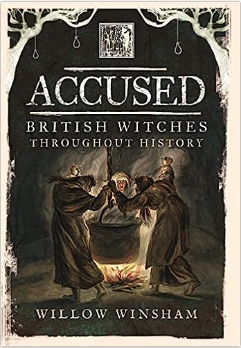
- Willow Winsham (@WillowWinsham): An author with a dedicated website, known for her historical and folkloric research, including books like "England’s Witchcraft Trials" and "Accused: British Witches throughout History."
- Amelia Starling (@willowwebwords): Engaged in literary and folkloric exploration through her Instagram presence.
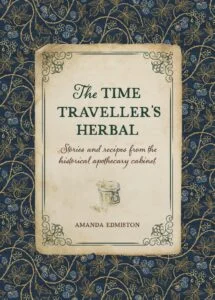
- Amanda Edmiston~Botanica Fabula~Herbal Storyteller (@HerbalStorytell): Blends botanical knowledge with storytelling, offering unique perspectives on nature’s lore.
- Centre for Folklore, Myth and Magic (Todmorden, England) (@CentreMyth): A physical and digital hub fostering study and appreciation of these subjects.
- Historium Unearthia (@HistoriumU): Dedicated to uncovering and sharing unusual historical narratives.
- Myth Crafts (@MythCrafts): Combines artistic expression with mythological themes.
- Living Library (@ShanonSinn): Provides insights into diverse cultural narratives.
- Fabulous Folklore Podcast (@IcySedgwick): A popular audio resource delving into various folklore topics.
- Dr Ben Gazur (@BenTheEpicure): Offers scholarly insights into historical and cultural subjects.
These individuals and groups represent the enduring spirit of #FolkloreThursday, continuing to produce and disseminate engaging folklore content.
The Twitter Folklore Week: A Daily Dive into Lore
The digital folklore community thrives on a vibrant schedule of themed hashtag days, offering daily opportunities for sharing and learning:

- Mythology Monday (@MythologyMonday) #MythologyMonday: Dedicated to stories from world mythology, this hashtag, founded by @independentpen, @AimeeMaroux, and @ClassicalMyths, offers a weekly exploration of ancient narratives and their contemporary relevance.
- Fairy Tale Tuesday (@FairyTale_Tues) #FairyTaleTuesday: Curated by @AmandaBergloff, this day invites lovers of fairy tales, folktales, legends, and myths to share stories, art, music, and film based on weekly themes. It serves as an inclusive space for learning and inspiration, often featuring art like Frank Dicksee’s "Hesperia."
- Wyrd Wednesday (@WyrdWednesday) #WyrdWednesday: Hosted by the "3 Mothers of the Wyrd" (@DirkPuehl, @MaeneSigne, and @RGeirsson), this hashtag celebrates the "Wyrd and Wynderfyl," focusing on oddities, eccentricities, bizarre historical events, esoteric cultural paradigms, and quirky pop culture elements.
- Folklore Thursday (@FolkloreThurs) #FolkloreThursday: While no longer officially hosted, the community is strongly encouraged to continue using this hashtag. Participants are invited to share their own folklore, support peers through likes and shares, and maintain the vibrant community spirit. The website provides a full year’s worth of themes for inspiration.
- Book Chat Weekly (@BookChatWeekly) #BookChatWeekly: Hosted by @Kerria, this initiative provides a platform for readers, writers, and dreamers to share inspiration, featuring a themed day every Thursday.
- Faustian Friday (@ofdarknmacabre) #FaustianFriday: Run by Natalja Saint-Germain (@bjorn_stjerne) and Dirk Puehl (@DirkPuehl), this hashtag and page are dedicated to #Darkfolklore and #Folkhorror, encompassing art, literature, movies, and all things #Gothic and macabre. #FaustianFriday is their main weekly event, featuring themes like "Clairvoyants, Ghost Whisperers and Fortunetellers" or "Burning Bright—Folklore, Symbolism & the Magic of Fire," with contributions from Neveen Badr (@INeveenBadr). They also host seasonal events like #Gothic12tide and #31DaysofHalloween.
- Superstition Saturday (@SuperstitionSat) #SuperstitionSat: Launched in April 2020 by @avalonbalcony, this day is dedicated to sharing superstitions, charms, and good luck omens from around the world, highlighting shared human hopes. Sessions are hosted by mascot Superstition Sam.
- BookWormSat(urday) (@lit_saturday) #BookWormSat: Hosted by @maenesigne and @DeeringRachel, this hashtag celebrates literature every Saturday, from medieval texts to mythology-inspired poetry and Gothic novels, encouraging participants to share their literary gems.
- Swamp Sunday (@swampsunday) #SwampSunday: Hosted by Natalja Saint-Germain (@bjorn_stjerne), this thematic hashtag explores the folklore, mythology, and aesthetics of swamps and other waterbodies. It aims to educate and entertain, promoting an appreciation for these often-demonized environments, and includes the permanent hashtag #dontgointothewoods to raise awareness about deforestation.
Other Places to Find Folklore
Beyond Twitter, a wealth of organizations and publications continue to champion folklore studies:
- Academic and Archival Institutions: American Folklife Centre, The American Folklore Society, Centre of Contemporary Legend, English Folk Dance and Song Society, The Folklore Library & Archive, The Folklore Society (UK), Smithsonian Center for Folklife and Cultural Heritage.
- Specialized Publications & Initiatives: Folk Horror Revival, Gramarye: The Journal of the Chichester Centre for Fairy Tales, Fantasy and Speculative Fiction, Haunted Ohio Books, Hellebore Magazine, Hyakumonogatari Kaidankai, Lancashire Folk, Mythological Africans, Norwegian Folktales, Black Fairy Tales & Folktales Matter—Useful Resources, Rituals and Declarations, Salt & Mirrors & Cats, Santuario Lunar, The Taibhsear Collective.
Folklore Courses: Deepening Understanding
For those seeking structured learning, various institutions offer dedicated folklore programs:
- Online: Carterhaugh School of Folklore and the Fantastic (Brittany Warman and Sara Cleto), Introduction to British Folklore (Mark Norman).
- In-person: Folklore Studies MA (University of Hertfordshire), Centre of Contemporary Legend (Sheffield Hallam University), Taught MLitt in Ethnology and Folklore (The Elphinstone Institute, University of Aberdeen), Folklore and Public Culture Program (University of Oregon).
Podcasts: Audio Journeys into Lore
The auditory realm offers a rich tapestry of folklore exploration:
- Alternative Stories Podcast, Away With The Fairies Podcast, Bone and Sickle Podcast, By The Fire Podcast, The Curiosity of a Child Podcast, Dark Histories Podcast, Eerie Essex Podcast, Feyfellows Podcast, Folklore and Fiction, The Folklore Podcast, Godyssey, History and Folklore Podcast, History With Cats, Legendary Africa Podcast, The Monster Guys, Myth Monsters Podcast, Tales and Folklore From the Sacred Isle, Tales of Britain and Ireland, TalesFromTheEnchantedForest Podcast, Urban Legends Podcast, What the Folklore Podcast, WitchStory Podcast, Wonderer’s History Podcast.
This extensive list demonstrates that while #FolkloreThursday’s active content creation may have ceased, the broader ecosystem of folklore engagement is thriving, diverse, and robust.
Official Responses: A Grateful Farewell and Enduring Invitation
The "official response" to #FolkloreThursday’s transition is embedded within the announcement itself, a poignant message from the team that encapsulates gratitude, reflection, and an invitation for continued community engagement. The metaphorical language of "paying the ferryman’s obol" to signify the website’s cessation of regular updates adds a layer of folkloric depth to the announcement, acknowledging the cyclical nature of ventures and the passage of time.
The core sentiment conveyed is one of immense appreciation. The team expresses deep gratitude for the "incredible spirit and hard work of our team and all our fantastic contributors," alongside the unwavering support of the wider community. The preservation of the website as a "virtual haven" and "heartfelt tribute" is not merely an act of archiving but a conscious effort to honor the collective memories and intellectual output generated over the years. This suggests a desire to leave a lasting legacy that continues to serve as an educational and inspirational resource.

Crucially, the announcement is not a definitive end to the #FolkloreThursday phenomenon, but rather a redefinition. By stating, "Don’t forget, while our wonderful hosts no longer retweet… you can still take part," the team actively empowers the community to take ownership of the hashtag day. Providing "a list of weekly themes" further demonstrates a commitment to facilitating this continued, decentralized participation. This can be interpreted as a strategic move to ensure the longevity of the #FolkloreThursday concept beyond the direct involvement of its original hosts, fostering a more organic, community-led dynamic.
Furthermore, the call to action regarding supporting the team’s books and exploring the extensive list of other folklore resources underscores a broader vision. It positions #FolkloreThursday not as an isolated entity, but as a central node in a larger network of folklore advocates. The message implicitly acknowledges the interconnectedness of the folklore world, guiding enthusiasts towards other vibrant avenues of exploration and demonstrating a commitment to the field as a whole. In essence, the official response is a blend of nostalgic appreciation for the past and optimistic endorsement for the future of folklore engagement, emphasizing continuity through collective effort.
Implications: The Future of Digital Folklore Engagement
The transition of #FolkloreThursday to an archival state carries several significant implications for the landscape of digital folklore engagement, community building, and the preservation of cultural heritage in the internet age.
Firstly, it highlights the inherent challenges and eventual life cycles of volunteer-driven digital initiatives. Maintaining a regularly updated platform and actively hosting a popular social media event requires immense dedication, time, and resources. The decision to archive, while bittersweet, reflects a pragmatic acknowledgment of these realities, and sets a precedent for how beloved online communities might gracefully transition while preserving their legacy.
Secondly, this shift signifies a move towards a more decentralized model of online community. By encouraging the continued use of the #FolkloreThursday hashtag without central hosting, the platform empowers individual participants to become curators and connectors. This could foster a more diverse and resilient community, less reliant on a single point of failure and more reflective of the distributed nature of folklore itself. It places the onus of continuity on the collective, potentially leading to new forms of collaboration and content generation from the grassroots.
Thirdly, the comprehensive directory of other folklore resources provided by the website transforms it into a vital hub for discovery. In an increasingly fragmented digital world, having a trusted, curated list of academic institutions, independent creators, publications, and podcasts is invaluable. This move solidifies #FolkloreThursday’s legacy not just as a content creator, but as a facilitator and connector within the broader folklore ecosystem. It demonstrates a commitment to the field’s overall health and accessibility, ensuring that enthusiasts can continue their journeys of exploration.
Moreover, the emphasis on purchasing books by the team members and supporting their individual work underscores the economic realities faced by creators in the digital space. It serves as a reminder that valuable content often relies on direct support, and that the passion for folklore can translate into sustainable careers for its dedicated practitioners. This encourages a more direct relationship between content consumers and creators.
Finally, the archival nature of the website itself holds crucial implications for digital heritage. In an era where online content can vanish without warning, the conscious decision to preserve the website’s extensive articles and themes ensures that years of research, writing, and community interaction remain accessible. This contributes to the digital preservation of folklore scholarship, offering a historical snapshot of digital engagement with traditional narratives.
In conclusion, while the active hosting of #FolkloreThursday may have concluded, its evolution into an archived resource and a comprehensive directory is not an ending but a transformation. It reflects a maturing digital folklore community that is resilient, interconnected, and increasingly self-sufficient, poised to carry forward the torch of traditional narratives in new and exciting ways. The spirit of #FolkloreThursday, like the enduring tales it celebrated, will continue to echo through the digital realm, guided by the collective passion of its global audience.

Leave a Comment