A Legacy Reborn: How ‘Spider-Man: Brand New Day’ Honors the Multiverse Through Peter Parker’s New Suit
The Marvel Cinematic Universe is no stranger to reinvention, but few characters have undergone as many physical and emotional transformations as Tom Holland’s Peter Parker. As the dust settles from the multiversal chaos of Spider-Man: No Way Home, fans have been eagerly awaiting any glimpse into the hero’s next chapter. That glimpse has finally arrived with the announcement of Spider-Man: Brand New Day, and with it, a revelation that has set the internet ablaze: Peter Parker’s new suit is more than just a costume change—it is a living tribute to the heroes who came before him.
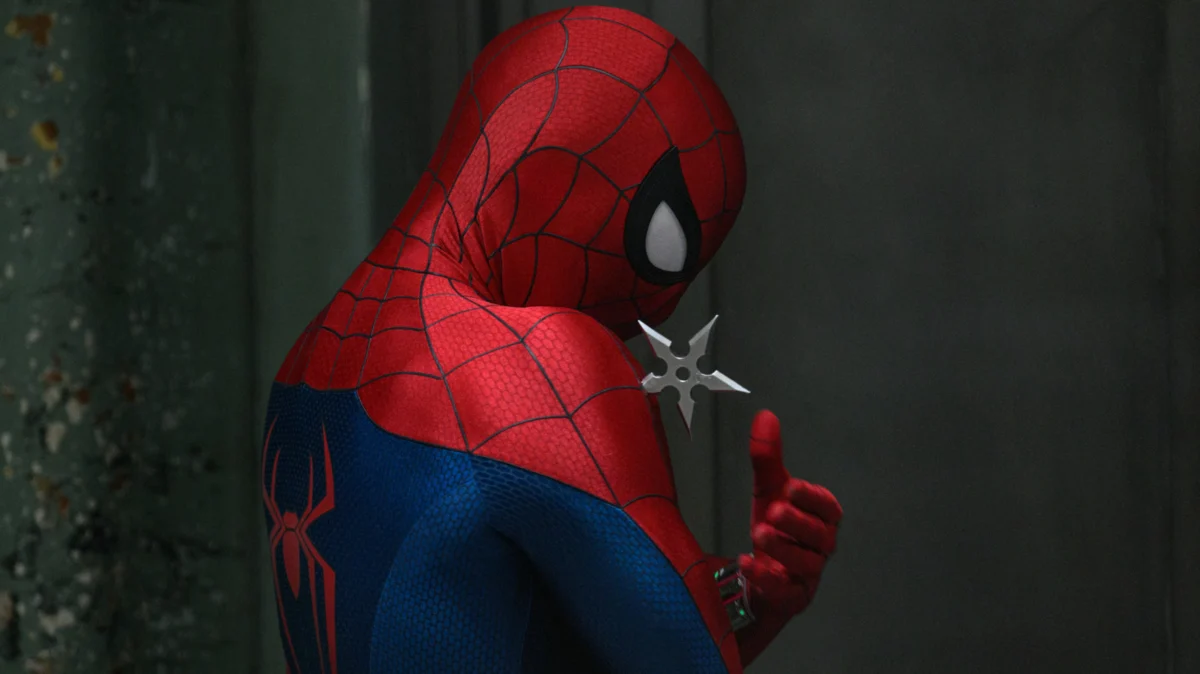
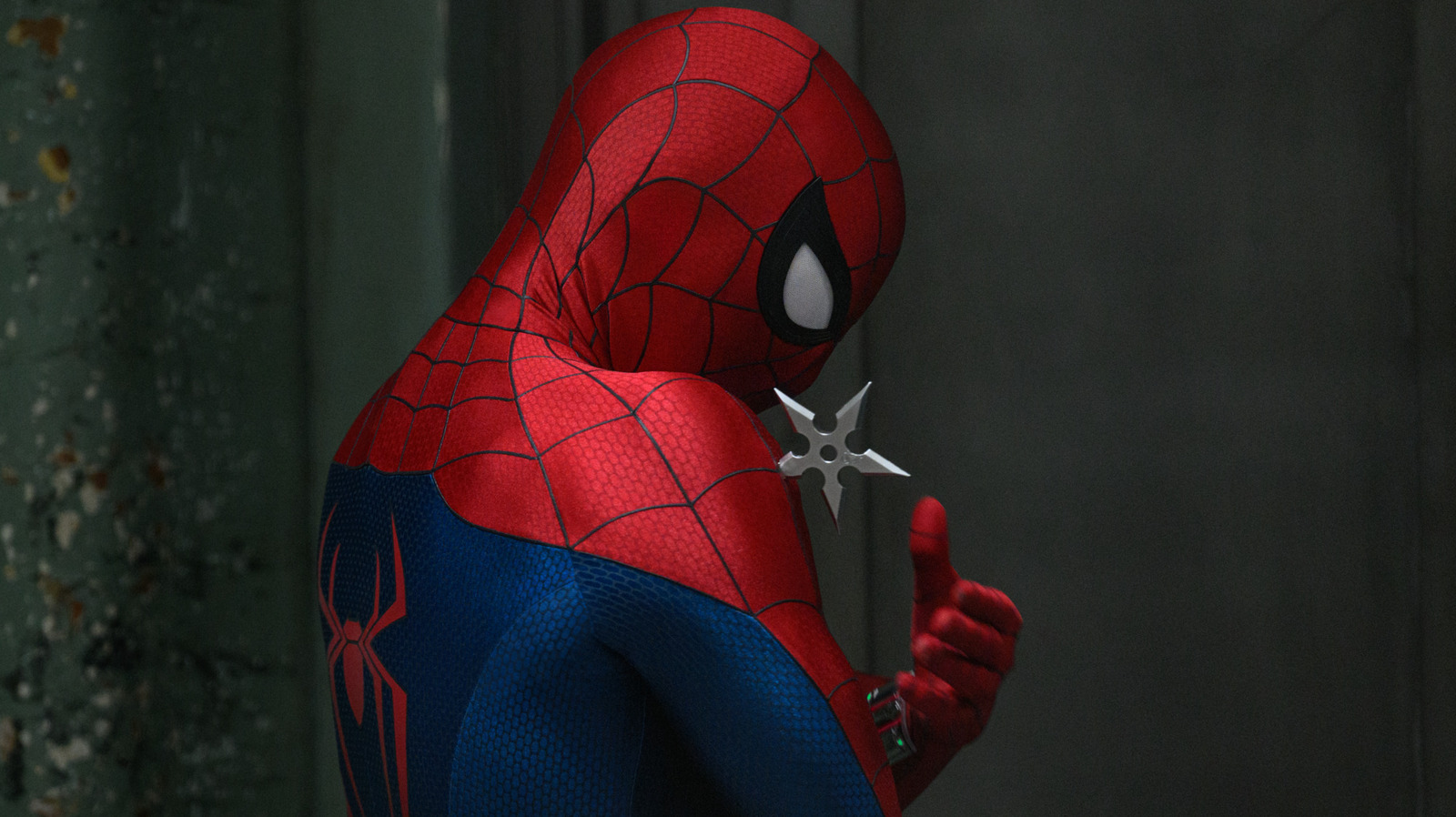
In a move that blends narrative poignancy with a return to practical filmmaking, director Destin Daniel Cretton and star Tom Holland have revealed that the web-slinger’s latest attire is a deliberate "Spider-child" of the suits worn by Tobey Maguire and Andrew Garfield. This design choice serves as the ultimate Easter egg, hidden in plain sight, signaling a shift in the MCU’s approach to its most iconic wall-crawler.
The Main Facts: An Amalgamation of Three Eras
The primary revelation surrounding Spider-Man: Brand New Day centers on the "Brand New" suit, which debuted in promotional materials and a recent behind-the-scenes featurette released by Sony Pictures. Unlike previous iterations that relied heavily on high-tech Stark Industries enhancements, this suit represents a return to basics.
The design philosophy, according to the production team, was to create a visual bridge between the three cinematic iterations of the character. By incorporating elements from Tobey Maguire’s "Peter 2" (the Sam Raimi trilogy) and Andrew Garfield’s "Peter 3" (the Amazing Spider-Man films), the MCU’s Peter Parker is effectively carrying the legacy of his "brothers" into his new solo adventures.
Key details of the new suit include:
- A "Spider-Child" Design: A fusion of the color palettes and textures seen in the 2002 and 2012 franchises.
- Tactile Construction: A move away from seamless CGI toward a fabric-based costume that shows wrinkles, folds, and human movement.
- Narrative Continuity: The suit reflects Peter’s memory of his multiversal allies, serving as a permanent reminder of the events of No Way Home.
The Chronology of Peter Parker’s Wardrobe
To understand why the suit in Brand New Day is so significant, one must look at the evolution of Peter Parker’s attire throughout his MCU tenure. Each suit has mirrored his relationship with the world and his mentors.
1. The Homemade Origins (Captain America: Civil War)
When Tony Stark first discovers Peter Parker in Queens, the teenager is fighting crime in a red hoodie and goggles. This "homemade" suit represented Peter’s raw potential and his status as a "dumpster-diver kid"—a theme that Brand New Day is reportedly revisiting.
2. The Stark Suit and the Iron Spider (Homecoming through Endgame)
Under the tutelage of Tony Stark, Peter was gifted the "Stark Suit," filled with artificial intelligence and hundreds of web-shooter combinations. This evolved into the "Iron Spider," a nanotech marvel that allowed him to survive in space. While visually stunning, these suits often drew criticism for being "too high-tech," distancing Peter from his "friendly neighborhood" roots.
3. The Identity Crisis (Far From Home)
In his second solo outing, Peter experimented with the "Night Monkey" stealth suit and eventually used Stark tech to fabricate the Red-and-Black "Upgraded Suit." This marked the peak of Peter’s reliance on external technology.
4. The Final Swing (No Way Home)
The closing moments of No Way Home saw a stripped-back Peter Parker, forgotten by the world, sewing his own suit in a cramped apartment. The bright blue and red fabric seen in the film’s final seconds was the first hint of the "comic-accurate" direction the franchise was taking.
5. The "Brand New Day" Era
Coming full circle, the new suit in the 2026 film takes that "Final Swing" concept and polishes it into a professional-grade homage. It represents a Peter Parker who has integrated the wisdom of his older counterparts into his own identity.
Supporting Data: The Move Toward Practicality
One of the most significant shifts in Spider-Man: Brand New Day is the technical execution of the suit. For several years, fans and critics alike have noted the "uncanny valley" effect of Spider-Man’s costumes in the MCU. Because the suits were often rendered entirely in post-production using CGI, they frequently appeared "vacuum-sealed" to Tom Holland’s body, lacking the natural physics of clothing.
Industry data suggests a growing trend back toward practical effects in major blockbusters, driven by audience fatigue with "floaty" CGI. By opting for a suit that "moves as the actor moves," Destin Daniel Cretton is aligning the film with a more grounded, gritty aesthetic.
The choice to emphasize wrinkles and folds is not merely aesthetic; it provides a sense of weight and stakes. When a viewer can see the "human beneath the material," the physical toll of Peter’s battles becomes more palpable. This tactile approach is a hallmark of Cretton’s directing style, as seen in the visceral fight choreography of Shang-Chi and the Legend of the Ten Rings.
Official Responses: Holland and Cretton Speak
In a newly released featurette, both the star and the director offered insights into the creative decisions driving the film’s visual language.
Tom Holland expressed a deep personal connection to the new design, noting that it feels like a natural progression for a character who has lost everything but gained a new sense of purpose. "When we decided that we were gonna make ‘Spider-Man: Brand New Day,’ we said: ‘What if we made a suit that was an homage to Tobey’s and Andrew’s designs?’" Holland explained. "Because now my Peter Parker had met those guys. So, we kind of created a spider-child of all three costumes."
Holland also highlighted the return to Peter’s "dumpster-diving" roots. With no Stark Industries funding and no Avengers support system, Peter is back to "retrofitting old tech." This narrative necessity provides a "real purpose" for the suit’s look, moving away from the "magic" of nanotech.
Director Destin Daniel Cretton echoed these sentiments, focusing on the beauty of simplicity. "The suit does have a bit of a tactile feel to it," Cretton remarked. "We are embracing the folds and the wrinkles. When it moves, it’s actually material." For Cretton, this is essential for storytelling, as it keeps the focus on the character’s humanity rather than the spectacle of his gear.
Implications for the MCU and the Multiverse Saga
The decision to reference Maguire and Garfield’s suits in a standalone sequel has several major implications for the future of the Marvel Cinematic Universe.
The Persistence of Memory
While the world has forgotten that Peter Parker is Spider-Man, Peter himself has not forgotten the lessons he learned from his multiversal counterparts. By wearing a suit that blends their designs, Peter is keeping the legacy of the Multiverse alive in a world that has moved on. This suggests that the themes of No Way Home will continue to resonate, even if the "spell" remains intact.
A New Tone for the Next Trilogy
Brand New Day is widely considered the start of a second trilogy for Tom Holland. By stripping away the high-tech gadgets and "Iron Man Jr." associations, Marvel and Sony are positioning Spider-Man as a more independent, street-level hero. This aligns with fan desires to see Peter struggle with the everyday problems—rent, anonymity, and limited resources—that defined the character in the comics.
The Director’s Vision
Destin Daniel Cretton’s involvement suggests a film that will balance high-octane action with deep emotional resonance. His commitment to "going back to basics" indicates that Brand New Day will likely be more grounded than the cosmic stakes of Infinity War or the reality-warping madness of No Way Home.
Conclusion: A July 2026 Landmark
Spider-Man: Brand New Day is scheduled to swing into theaters on July 31, 2026. As one of the most anticipated entries in the MCU’s Phase 6, the film carries the heavy burden of redefining a beloved hero for a new era.
The "hidden" Easter egg of the new suit serves as a perfect metaphor for the film itself: it is a project that looks forward by honoring what came before. By blending the DNA of three different eras of Spider-Man cinema, the production team has created a visual symbol of unity that celebrates the character’s 20-plus-year cinematic history.
For fans, the wait until 2026 will be long, but the promise of a "tactile," "practical," and "human" Peter Parker suggests that the web-slinger’s best days—and his most meaningful suits—are still ahead of him. In the world of Brand New Day, the suit truly makes the man, but it is the memory of his "brothers" that gives the suit its soul.