The Digital Hustle Gamified: A Deep Dive into the Mechanics and Strategy of Influencer Solitaire
The dream of digital stardom—a world of viral videos, millions of followers, and the coveted "blue checkmark"—has become the modern equivalent of the gold rush. However, behind the polished filters and seamless transitions lies a grueling cycle of resource management, algorithmic appeasement, and financial instability. Entering this fray is Influencer Solitaire, a unique strategic simulation that strips away the glamour to reveal the clockwork of the influencer economy through the lens of dice-rolling and card-placement mechanics.
Recently showcased at Gamescom and currently available as a free-to-play title on Steam, Influencer Solitaire offers a compelling, if occasionally jarring, look at the life of an aspiring content creator. It is a game that balances the mundane requirements of survival with the high-stakes gamble of internet fame.
Main Facts: A New Breed of Lifestyle Simulation
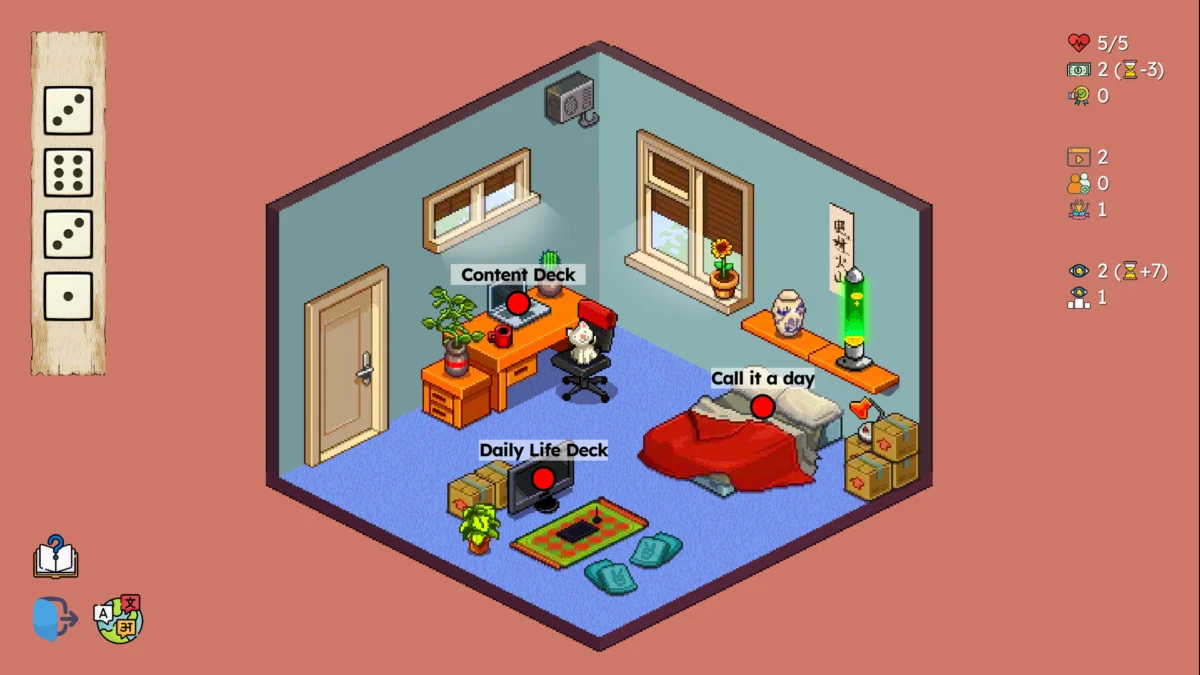
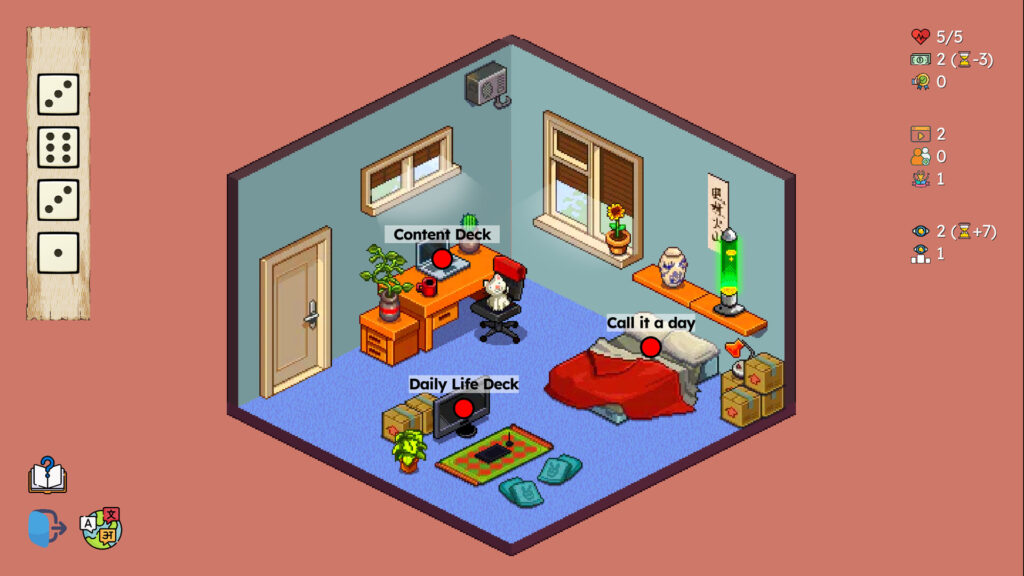
Influencer Solitaire is not a traditional card game, despite what the title might suggest. Instead, it functions as a "dice-placement" resource management game. Players step into the shoes of an unnamed protagonist living in a modest apartment, tasked with navigating the daily "grind" of building an online brand from scratch.
The core premise revolves around the allocation of a limited resource—dice—to various life and career tasks represented by cards. Each day, the player is granted a set number of dice to roll. These results must then be strategically placed onto cards that represent different facets of life:
- The Day Job: Essential for paying rent and avoiding eviction.
- Research and Development: Unlocking new types of video content and improving technical skills.
- Content Creation: The primary engine for generating followers and "Super Fans."
- Lifestyle Maintenance: Activities that ensure the protagonist can continue their journey.
The game is currently available on the Steam platform, where it has gained traction for its accessible yet deep strategic layers. While the "Solitaire" moniker may be a misnomer in the traditional sense of Klondike or Spider Solitaire, it accurately reflects the solitary, often isolating nature of the independent content creator’s journey.
Chronology of a Digital Career: The Daily Gameplay Loop
The narrative and mechanical progression of Influencer Solitaire is structured around a rigorous daily cycle. This chronological flow mimics the "burnout" culture often associated with the real-world influencer industry.
1. The Morning Roll
Every in-game day begins in the protagonist’s bedroom. The player receives a fresh pool of dice. The randomness of the roll serves as a metaphor for the unpredictability of the "algorithm" and personal energy levels. A "low-roll" day requires careful mitigation and survival tactics, while a "high-roll" day provides the opportunity to take massive leaps in content quality or audience reach.
2. The Allocation Phase
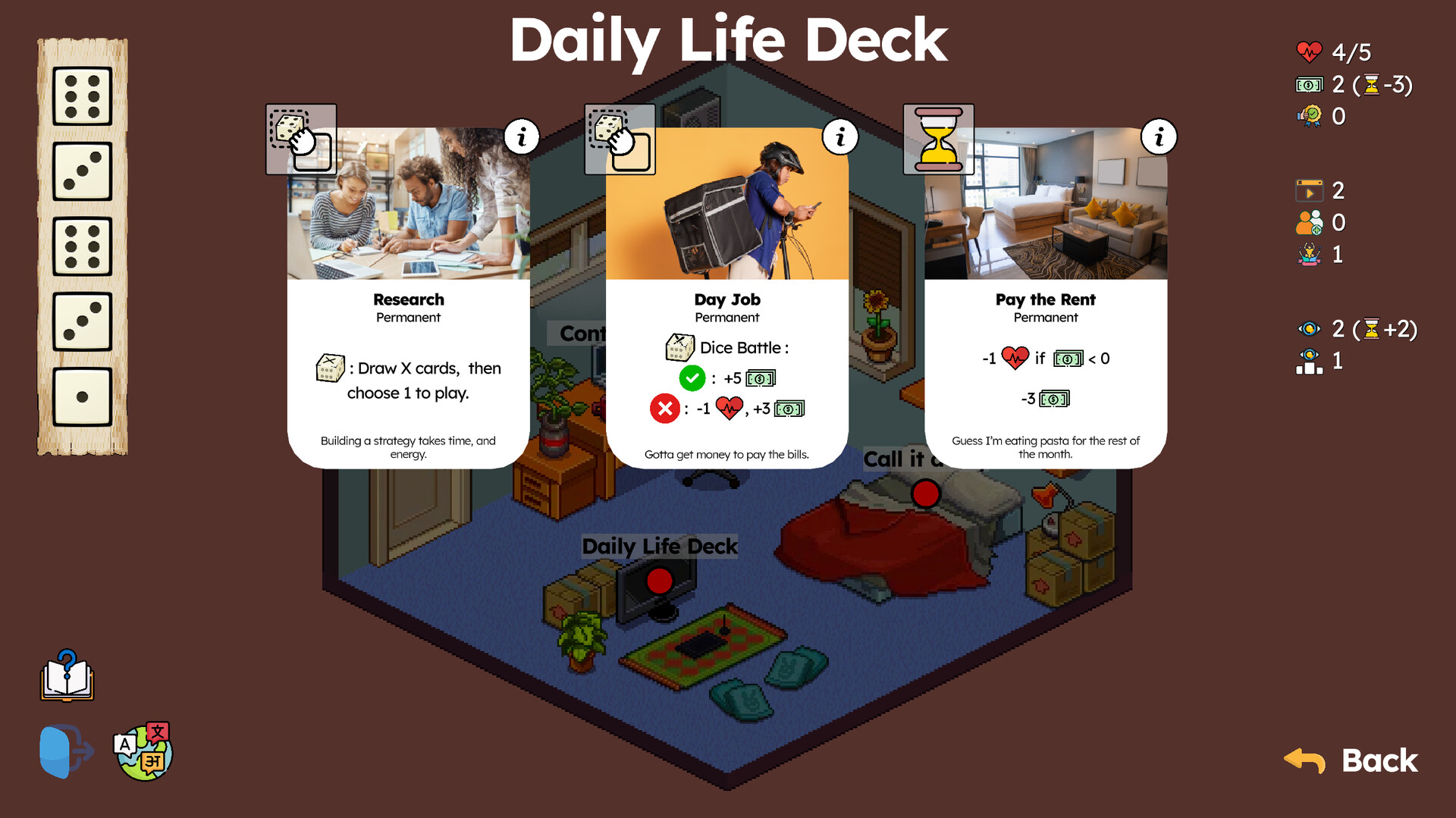
Once the dice are cast, the player must survey their "tableau" of cards. This phase is the heart of the game’s strategy. Some cards require specific numbers (e.g., a "4" or higher to successfully complete a shift at a retail job), while others are cumulative, requiring multiple dice to reach a total value before the card "activates."
3. The Evening Results and Resource Accrual
After all dice are placed, the results are tallied. Players see their follower counts tick upward, their bank accounts fluctuate, and their "Super Fan" base expand. This is also when the consequences of neglect are felt; failing to allocate dice to the "Rent" card can lead to mounting debt and eventual failure.
4. Progression and Evolution
As the days turn into weeks, the environment changes. The protagonist’s room evolves from a spartan, cluttered space into a high-tech studio. This visual progression provides a tangible sense of growth, rewarding the player for surviving the early-game "starving artist" phase.
Supporting Data: Mechanics, RNG, and Resource Management
To understand why Influencer Solitaire is more than just a simple "clicker" game, one must examine the data-driven systems governing its gameplay. The game operates on three primary resource pillars:
The Follower vs. Super Fan Metric
In the game, not all audience members are created equal. "Followers" represent a broad, fickle base that provides a baseline for growth but can easily stagnate. "Super Fans," however, are a premium resource. They are harder to acquire, often requiring "Risky Content" cards or high-value dice rolls, but they provide the stability and engagement necessary to unlock higher-tier cards and sponsorships.
The "Rent" Pressure Valve
The inclusion of a "Day Job" mechanic introduces a "pressure valve" that prevents the player from focusing solely on content creation. This creates a constant tension between short-term survival (paying the bills) and long-term investment (researching new video formats). If a player ignores their day job to chase a viral trend, they risk a "Game Over" via eviction—a stark reflection of the financial precarity facing many real-world creators.
The Card Hierarchy
The game features an tiered card system:
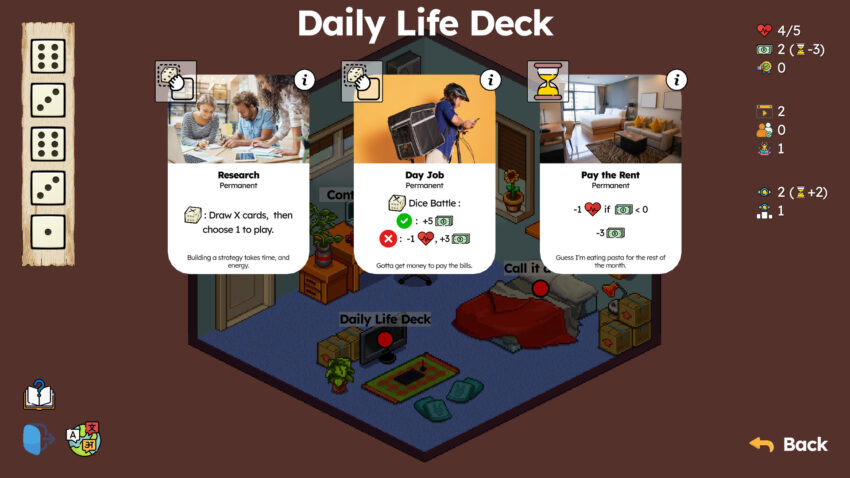
- Tier 1 (Beginner): Basic vlogs and simple jobs. Low dice requirements, low rewards.
- Tier 2 (Intermediate): Edited tutorials and specialized research. Requires specific dice combinations (e.g., "Two of a Kind").
- Tier 3 (Viral/Professional): High-production documentaries and major sponsorships. These often require "6s" or complex sequences of dice, offering massive follower boosts.
Official Responses and Hands-On Observations: The Gamescom Experience
During the recent Gamescom event, industry analysts and players had the opportunity to test Influencer Solitaire in a hands-on environment. The reception highlighted a fascinating dichotomy within the game’s design.
The "Jarring" Aesthetic Choice
One of the most discussed aspects of the game is the visual disparity between its two main modes. The 2D card-management interface is clean, minimalist, and functional. However, the 3D room transitions—which show the player’s living space—utilize a significantly different art style.
While some critics at Gamescom found this transition "jarring," the developers have defended the choice as a way to separate the "mental work" of the influencer (the cards) from the "physical reality" of their life (the room). For a free-to-play title, the depth of the 3D environment upgrades is surprisingly robust, offering players a "The Sims"-lite experience of home improvement as they climb the social ladder.
Risk vs. Reward in Content Creation
Testers noted that the game’s "Risky Content" cards are where the strategy truly shines. These cards offer the highest potential for growth but carry "negative modifiers" if the dice roll fails. This effectively simulates the "cancellation" or "algorithmic shadow-banning" that can occur when a creator pushes boundaries too far or fails to meet audience expectations.
Implications: The Gamification of the Gig Economy
The release and popularity of Influencer Solitaire point to a broader trend in the gaming industry: the rise of the "Work Sim" or "Lifestyle Sim" that focuses on modern, digital-first careers.
Reflecting the Modern Workforce
For decades, simulation games focused on traditional roles—pilots, city planners, or soldiers. Influencer Solitaire represents a shift toward gamifying the gig economy. By turning the struggle of a content creator into a series of dice rolls, the game provides a commentary on the role of luck in modern success. No matter how much "Research" a player does, a bad roll of the dice can derail a campaign, mirroring the unpredictability of social media algorithms.
The "Solitaire" of the Self
The choice of the word "Solitaire" in the title, while mechanically inaccurate, is thematically profound. It highlights the inherent loneliness of the profession. Despite being "connected" to thousands of virtual followers, the gameplay remains a solitary act of staring at a screen, managing numbers, and hoping for a favorable outcome. It is a game about a person alone in a room, trying to project a version of themselves into a void.
Accessibility and the Free-to-Play Model
By releasing the game for free on Steam, the developers have lowered the barrier to entry, allowing a wide audience to experience the "stress" of the influencer lifestyle without financial risk. This model serves as an effective "hook," as the "one-more-day" loop of rolling dice and seeing numbers go up is inherently addictive—a psychological parallel to the notification-driven dopamine loops of actual social media platforms like TikTok or Instagram.
Conclusion: A Strategic Mirror of our Times
Influencer Solitaire is a fascinating artifact of the current cultural moment. It takes the most sought-after career of the 21st century and deconstructs it into its base components: luck, labor, and a desperate need for growth.
While the graphical inconsistencies and the misleading title might give some players pause, the core mechanics offer a surprisingly deep and stressful simulation of what it means to "make it" online. It challenges players to ask themselves: how much of your "real life" are you willing to sacrifice for a few more "Super Fans"?
As the game continues to evolve on Steam, it stands as a testament to the fact that in the world of influencers, your life is the deck, your effort is the roll, and the house—or in this case, the algorithm—always has an edge. For those looking to understand the mechanics of fame without the actual risk of bankruptcy, Influencer Solitaire is an essential, if sobering, experience.