Disney and Meta Forge New Frontiers: 3D Cinema and Immersive Environments Arrive on Quest 3
The landscape of home entertainment has undergone a significant transformation with the latest update to the Disney+ application on Meta’s Quest ecosystem. In a move that signals the end of Apple’s short-lived exclusivity over high-end spatial Disney content, Meta Quest 3 and Quest 3S users can now access a robust library of 3D feature films and highly detailed immersive environments. This update represents a pivotal moment for the Quest platform, transitioning it from a device primarily viewed through the lens of gaming into a premium "spatial theater" capable of rivaling the cinematic fidelity of the Apple Vision Pro.
Main Facts: A New Dimension of Streaming
The update, which rolled out globally this week, introduces two primary features that fundamentally alter the user experience: a dedicated library of 60 3D titles and "Immersive Environments" that act as virtual movie theaters.
The 3D Library
For the first time on Meta hardware, Disney+ subscribers can stream 3D versions of blockbuster hits. The catalog is headlined by major franchises, including:
- Marvel Studios: Black Panther, The Avengers, and Ant-Man and the Wasp: Quantumania.
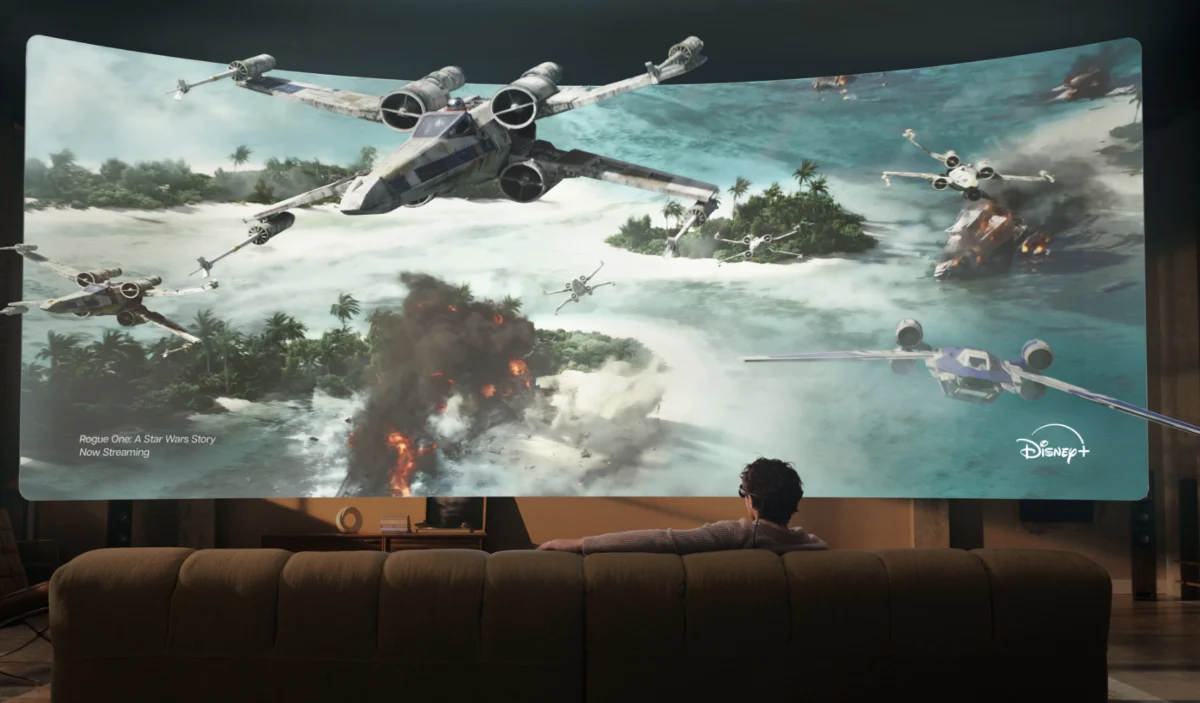
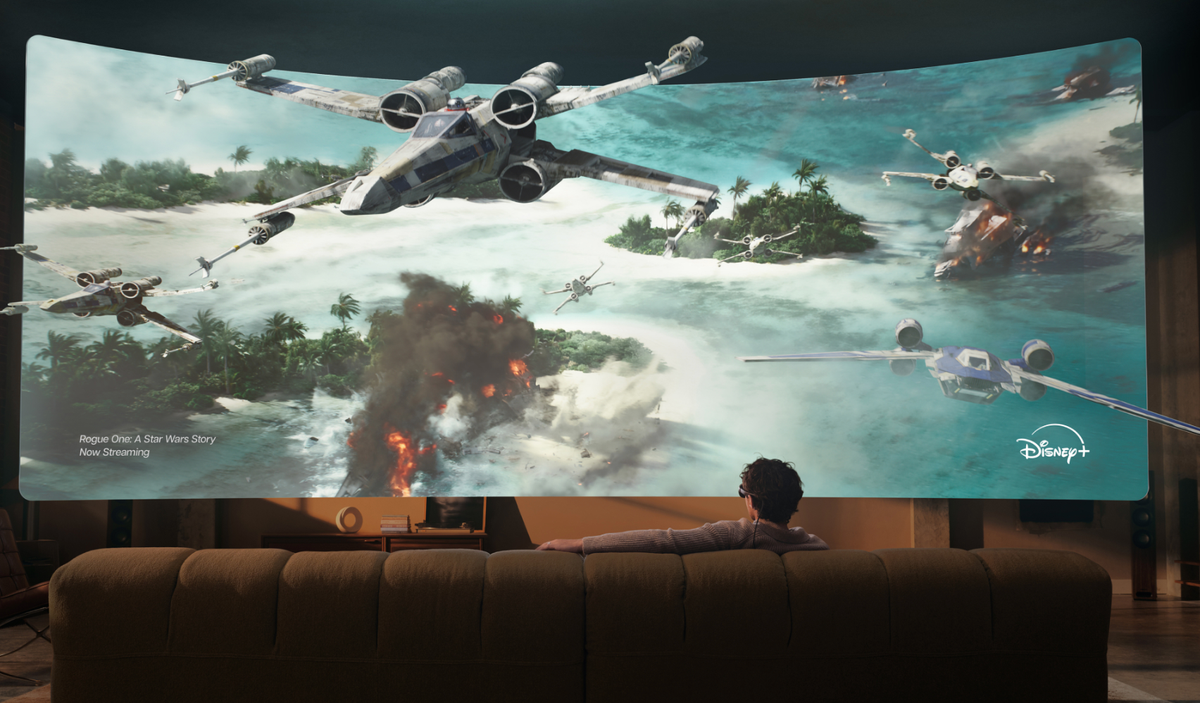
- Star Wars: Star Wars: The Force Awakens and Rogue One: A Star Wars Story.
- James Cameron’s Avatar: Both the original Avatar and Avatar: The Way of Water, films widely considered the gold standard for 3D cinematography.
- Disney Classics & Animation: Live-action remakes like Beauty and the Beast, along with a variety of Pixar and Disney Animation staples.
Immersive Environments
Beyond the screen itself, the update introduces "spatial theaters"—3D environments that replace the user’s physical room. These are not merely static 360-degree photos but fully realized 3D scenes with depth and dynamic lighting that reacts to the content on the virtual screen. Key environments include:
- The Tatooine Desert: Users can sit among the dunes of the iconic Star Wars planet, watching the twin suns while a massive cinema screen floats in the foreground.
- The Monsters, Inc. Scare Floor: A highly detailed recreation of the Pixar factory, complete with the industrial aesthetic and "presence" of the film’s setting.
- The Avengers Tower: A sleek, high-tech environment overlooking the New York City skyline.
Chronology: The Road to Spatial Parity
To understand the significance of this update, one must look at the timeline of Disney’s involvement in the virtual reality space.
The Early Days (2019–2023)
When Disney+ first launched on VR platforms, it was essentially a "flat" experience. The app functioned as a floating 2D window within the standard Meta Quest interface. While it provided the convenience of a large screen, it lacked the specialized features—3D depth and environmental immersion—that VR enthusiasts craved. During this period, Disney remained cautious, treating VR as a niche extension of its mobile app strategy.
The Apple Vision Pro Catalyst (Early 2024)
The landscape shifted dramatically with the announcement and subsequent launch of the Apple Vision Pro in February 2024. Disney CEO Bob Iger appeared during Apple’s keynote to announce a deep partnership, positioning Disney+ as a flagship experience for Apple’s $3,500 "spatial computer." For several months, the high-fidelity 3D versions of Disney films and the specialized immersive environments (like the Avengers Tower) were exclusive to Apple’s high-end hardware.
The Meta Expansion (Late 2024)
Recognizing the much larger install base of the Meta Quest series—driven by the success of the Quest 2 and the recent launch of the affordable Quest 3S—Disney moved to bring its spatial catalog to the Meta ecosystem. This week’s update effectively achieves "feature parity" between the $3,500 Vision Pro and the $299–$499 Quest 3/3S, making premium 3D cinema accessible to millions more users.
Supporting Data: Technical Specifications and Requirements
The delivery of 3D content at this scale requires significant hardware and software optimization.
Hardware Compatibility
The 3D and immersive features are specifically optimized for the Meta Quest 3 and Quest 3S. While the older Quest 2 may still run the app, the visual clarity provided by the Quest 3’s pancake lenses and the processing power of the Snapdragon XR2 Gen 2 chip are essential for maintaining the high bitrate required for 3D streaming. The Quest 3’s 4K+ Infinite Display ensures that the "screen door effect" is minimized, making the 3D depth more convincing.
Audio and Visual Standards
The update supports Dolby Atmos for immersive, spatial audio, allowing sounds to feel as though they are coming from specific points within the virtual theater. Additionally, for users with the "Disney+ Premium" (No Ads) tier, the app supports Dolby Vision HDR, providing enhanced contrast and color depth.
Subscription and Regional Availability
Access to the 3D library is tied to the user’s existing Disney+ subscription. However, technical availability varies:
- 3D Content: Requires a high-speed internet connection capable of handling dual-stream video (one for each eye).
- Tier Restrictions: While 3D is available to most subscribers, the highest quality audio (Atmos) and video (Vision) are often reserved for the Premium tier.
- Regional Locks: Content libraries vary by country due to licensing agreements, though the 3D functionality itself is a global platform update.
Official Responses: A Strategic Partnership
While Meta and Disney have remained focused on the consumer-facing benefits, industry analysts suggest the move is part of a broader "Content-First" strategy for Meta.
A spokesperson for Meta noted that the integration of Disney+ content is a testament to the Quest 3’s capabilities as a "versatile media consumption device." By bringing Disney’s crown jewels—Marvel and Star Wars—into the immersive space, Meta is positioning the Quest not just as a gaming console, but as a replacement for the traditional home theater.
Disney’s leadership has previously indicated that "spatial storytelling" is the next frontier for the company. By expanding from the Vision Pro to the Quest, Disney is ensuring that its "Disney Movie Insiders" and general fans can experience their films in the most technologically advanced way possible, regardless of whether they are in the Apple or Meta ecosystem.
Implications: The Future of Home Cinema
The arrival of 60 3D movies on the Quest 3 has profound implications for the entertainment industry and the VR market at large.
1. The Rebirth of 3D Media
The 3D TV craze of the early 2010s failed largely due to the requirement of expensive glasses and the darkening of the image. VR solves these issues by providing a dedicated screen for each eye, resulting in a brighter, more natural 3D effect. With Disney+ leading the way, we may see a resurgence in 3D film production, as VR headsets provide a sustainable "after-theater" market for 3D masters that were previously relegated to rare 3D Blu-ray releases.
2. Democratization of Spatial Computing
By bringing "Vision Pro-level" experiences to the Quest 3S, Meta and Disney are democratizing high-end tech. A user can now get a 100-foot 3D screen in a Star Wars environment for less than a seventh of the price of Apple’s headset. This move puts pressure on Apple to justify its premium price point through other productivity or ecosystem features.

3. The "Meta Glasses" Horizon
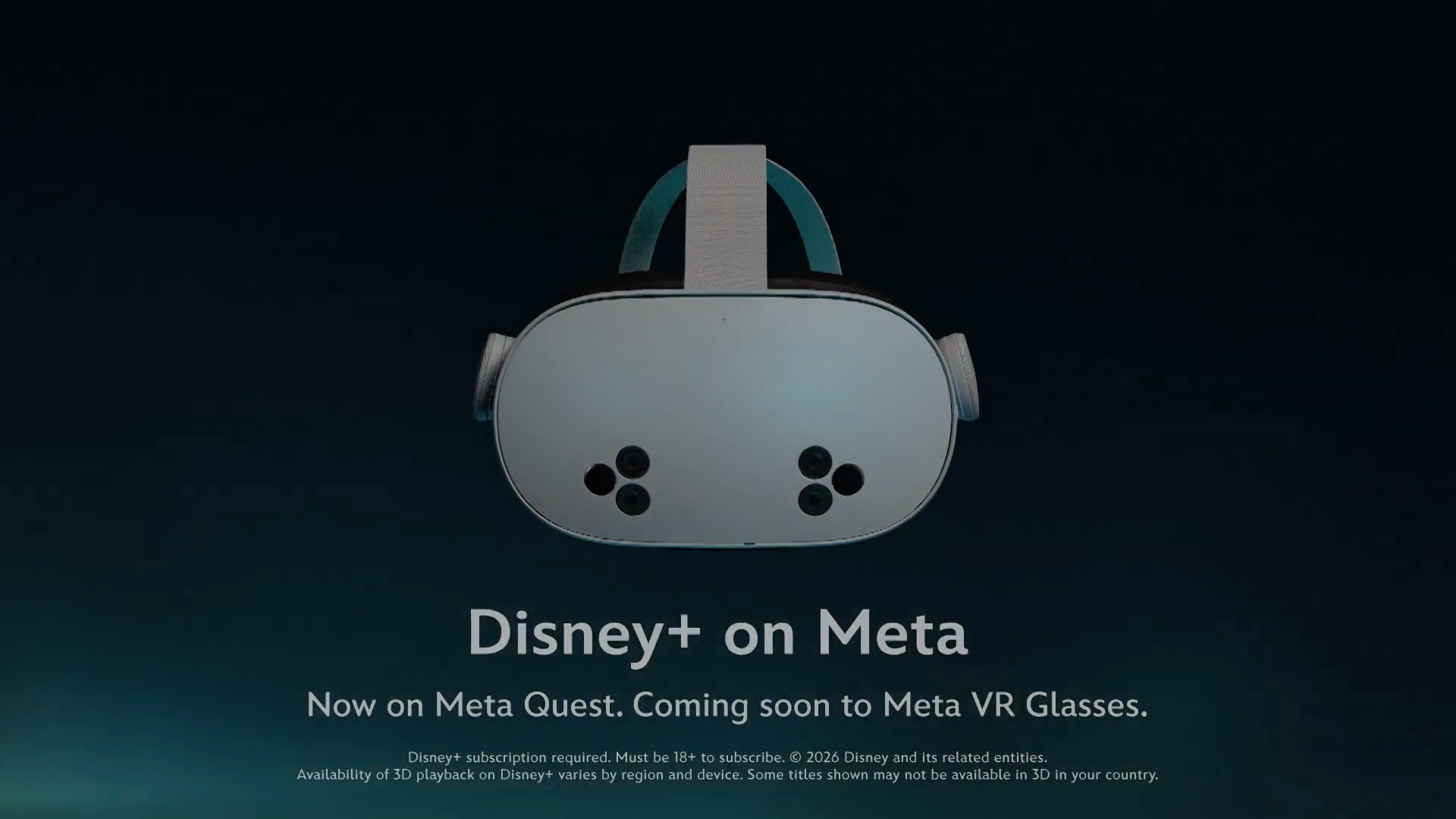
The announcement included a teaser for the future: this functionality will land on Meta’s upcoming AR/VR Glasses (currently slated for a 2027 debut). This suggests that the partnership between Disney and Meta is long-term. Future lightweight glasses could allow users to watch 3D movies on a plane or a bus with the same level of immersion currently reserved for bulky headsets.
4. Impact on Physical Media
As streaming services like Disney+ become the primary curators of 3D content, the value of physical 3D Blu-rays may continue to shift toward the collector market. However, for the general public, the convenience of a "virtual cinema" that requires no physical storage and offers a rotating library of 60+ titles is likely to become the standard for 3D viewing.
Conclusion
The Disney+ update for Meta Quest 3 is more than just a software patch; it is a declaration of intent. It proves that the "metaverse" or "spatial computing" era will be built on the back of familiar, high-quality content. For the Quest user, the living room has just been replaced by the sands of Tatooine and the halls of Avengers Tower. For the industry, the bar for what constitutes a "standard" streaming app has been permanently raised. As we look toward Meta’s 2027 hardware cycle, the collaboration between the world’s largest storyteller and the world’s largest VR platform is set to redefine the cinematic experience for the next generation.