
The Digital Library Renaissance: Navigating the Most Underrated Resources for Free Kindle Ebooks
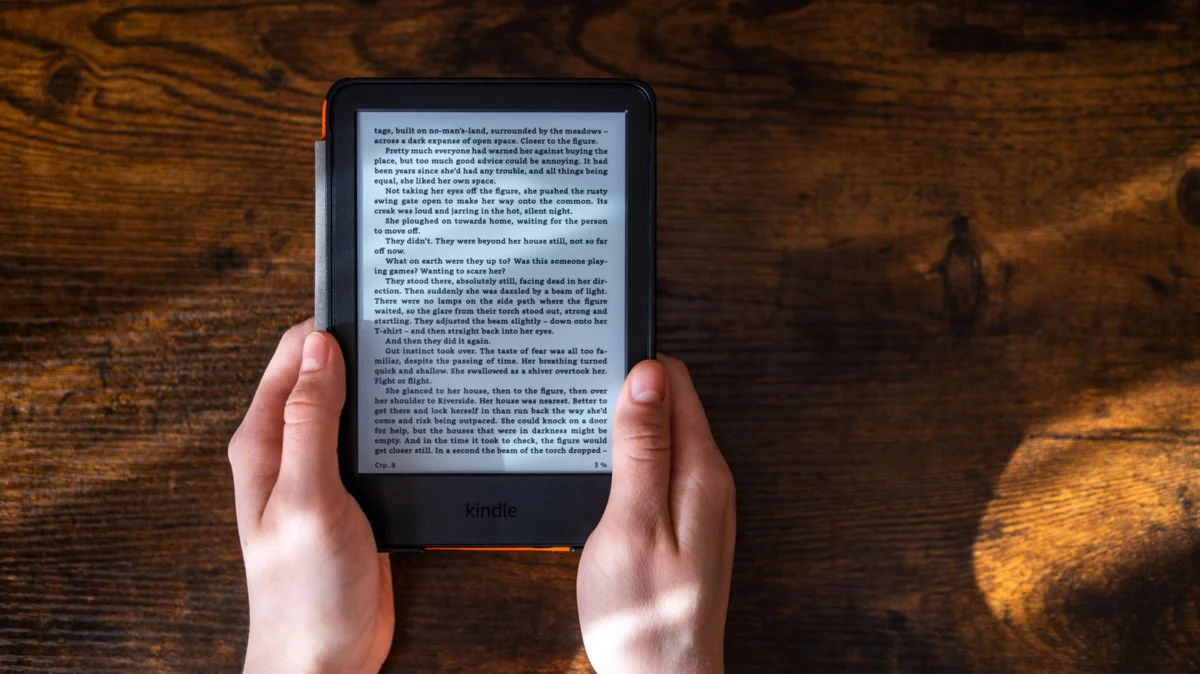
In an era where digital subscriptions and rising retail prices for ebooks often mirror the costs of their physical counterparts, the quest for accessible literature has become a priority for millions of Kindle users. While Amazon’s Kindle Store remains the dominant marketplace, a robust ecosystem of "hidden" digital libraries and community-driven platforms offers a treasure trove of literature at no cost. Beyond the well-known library borrowing apps like Libby or Amazon’s own "First Reads" program, a series of underrated platforms are redefining how readers build their digital libraries.
This report explores the five most significant underrated sources for free Kindle ebooks, the historical evolution of digital preservation, and the legal implications of the shifting digital landscape.
1. Main Facts: The Hidden Ecosystem of Digital Literature
The modern Kindle user is no longer tethered exclusively to the Amazon ecosystem. While the Kindle was originally designed as a "walled garden," the evolution of file compatibility—specifically Amazon’s transition to supporting EPUB formats through its "Send to Kindle" service—has opened the gates to external repositories.
The most significant "hidden gems" in the digital book world include:
- Project Gutenberg: The world’s oldest digital library, focusing on verified public domain works.
- Standard Ebooks: A high-end boutique project that reformats public domain texts for modern aesthetic standards.
- Stuff Your Kindle: A community-led promotional event focusing on indie authors and contemporary genre fiction.
- BookBub: A sophisticated deal-aggregation service that bridges the gap between authors and price-conscious readers.
- Internet Archive: A massive non-profit library dedicated to the preservation of all human knowledge, currently navigating complex legal waters.
These platforms provide more than just "free files"; they offer curated experiences, ranging from the academic rigors of historical preservation to the discovery of the next best-selling indie novelist.
2. Chronology: From the Mainframe to the E-Reader
The history of the free ebook is older than the internet itself. Understanding how these resources came to be requires a look back at the milestones of digital archiving.
- 1971: The Genesis of Project Gutenberg. Michael S. Hart, a student at the University of Illinois, was given an operator’s account on a Xerox Sigma V mainframe. Recognizing that the greatest value of computers was not just in data processing but in the storage and retrieval of information, he typed "The Declaration of Independence" into the computer. This became the first ebook in history and the start of Project Gutenberg.
- 1996: The Founding of the Internet Archive. Brewster Kahle founded the Internet Archive with the goal of providing "Universal Access to All Knowledge." It began by archiving the web (the Wayback Machine) before expanding into digitized books.
- Early 2000s: The E-Ink Revolution. With the launch of the first Sony Reader (2006) and the original Amazon Kindle (2007), the demand for digital texts skyrocketed. This period saw the rise of OCR (Optical Character Recognition) technology, which allowed for the mass scanning of physical books.
- 2015–2017: The Rise of Quality Curation. As readers became more discerning, projects like Standard Ebooks emerged. They recognized that while Project Gutenberg provided the text, the formatting often lacked the professional polish of retail ebooks.
- 2020–2024: The Legal Tipping Point. The COVID-19 pandemic led the Internet Archive to launch the "National Emergency Library," sparking a landmark copyright lawsuit from major publishers (Hachette, HarperCollins, Wiley, and Penguin Random House). This era has defined the current legal boundaries of "controlled digital lending."
3. Supporting Data: A Deep Dive into the Platforms
To understand why these five sources are considered underrated, one must examine their unique contributions to the Kindle ecosystem.
Project Gutenberg: The Gold Standard of Public Domain
With a catalog exceeding 77,000 titles, Project Gutenberg is the bedrock of free literature. Unlike automated services like Google Books, Project Gutenberg utilizes a volunteer-driven proofreading process. Every book undergoes three rounds of human editing to ensure that the digital text matches the original print. For Kindle users, the site offers native MOBI and EPUB formats, making it a primary source for classics ranging from Shakespeare to Mark Twain.
Standard Ebooks: The "Designer" Library
Standard Ebooks addresses a specific pain point for Kindle enthusiasts: typography and metadata. While a public domain book might be free on other sites, it often lacks a proper cover, table of contents, or modern CSS formatting. Standard Ebooks takes these public domain texts and applies professional-grade typography, fixes "scannos" (scanning errors), and provides high-resolution cover art. Their GitHub-hosted changelogs allow users to see exactly how a text has been improved over time.
Stuff Your Kindle: The Indie Discovery Engine
"Stuff Your Kindle" is not a static library but a series of high-energy promotional events. Organized largely by indie authors in genres like Romance, Fantasy, and Mystery, these "Book Blasts" result in thousands of titles being set to $0.00 on the Amazon Kindle store simultaneously. This allows users to "purchase" the books for free, ensuring they stay in their Amazon cloud library permanently.
BookBub: Data-Driven Curation
BookBub operates as a discovery layer. With over 20 million users, the service uses algorithms to match readers with free or deeply discounted ebooks based on their specific tastes. For the Kindle user, BookBub serves as a daily concierge, filtering through the millions of titles on Amazon to find high-quality freebies that are often overlooked in the "Top 100 Free" charts.
Internet Archive: The Massive Repository
Despite recent legal setbacks, the Internet Archive remains a titan, hosting over 50 million digitized texts. It is particularly valuable for "out-of-print" books—titles that are no longer being sold by publishers but haven’t yet entered the public domain. For researchers and academics using Kindles, the Archive’s ability to provide diverse file formats (including PDF and encrypted EPUB) makes it an essential, if sometimes complex, resource.
4. Official Responses and the Legal Landscape
The availability of free ebooks is inextricably linked to copyright law, specifically the U.S. Copyright Term Extension Act, which generally protects works for 70 years after the death of the author.
The Hachette v. Internet Archive Ruling
In 2023 and 2024, the legal battle over the Internet Archive’s "Controlled Digital Lending" (CDL) reached a fever pitch. Publishers argued that scanning physical books and lending digital copies without a specific license was "industrial-scale piracy." The courts largely sided with the publishers, leading to the removal of approximately 500,000 titles from the Archive’s lending library.
In an official statement following the ruling, the Internet Archive noted: "We are disappointed in the court’s decision… but we will continue to defend the right of libraries to own and lend books in the digital age." This ruling has forced a shift toward "partnership models" where digital libraries work more closely with publishers to ensure authors are compensated.
The Public Domain Safety Net
In contrast, Project Gutenberg and Standard Ebooks operate with total legal immunity because they exclusively host works published before 1929 (a date that moves forward every January 1st). This "Public Domain Day" is celebrated by digital librarians as a release of cultural heritage back into the hands of the public.
5. Implications: The Future of Reading and Accessibility
The existence of these underrated resources has profound implications for global literacy and the publishing industry.
Democratization of Knowledge
For students, low-income readers, and those in regions with limited access to physical libraries, these five platforms provide a world-class education for the price of an internet connection. The ability to sideload a thousand years of philosophy, science, and literature onto a single Kindle device is a technological milestone that rivals the invention of the printing press.
The Impact on Modern Publishing
The rise of "Stuff Your Kindle" and BookBub demonstrates a shift in publishing strategy. Authors are increasingly using "free" as a marketing tool to build a fan base. By giving away the first book in a series for free via these underrated channels, authors can generate "read-through" to paid sequels, creating a sustainable business model in the digital age.
The Technical Evolution of the Kindle
Amazon’s recent move to retire the MOBI format in favor of EPUB support for "Send to Kindle" indicates a move toward industry standardization. This makes it easier than ever for users to download a book from Project Gutenberg or Standard Ebooks and have it appear on their Kindle with a single click.
Conclusion
As the digital landscape continues to evolve, these five underrated resources stand as essential pillars for the modern reader. They represent a unique intersection of historical preservation, artistic curation, and grassroots marketing. For the Kindle owner, these sites offer more than just a way to save money; they offer a gateway to the vast, uninhibited world of human thought, ensuring that the "library of the future" is accessible to everyone, everywhere.


Leave a Comment