
Carnage Unending: The Black Library’s Orchestrated Return to Armageddon
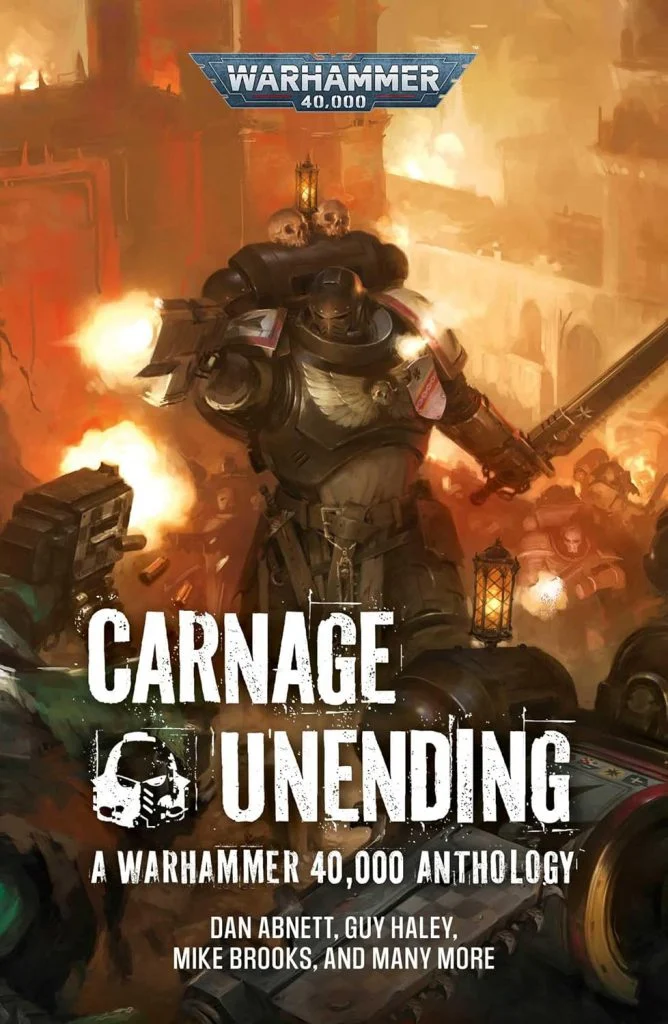
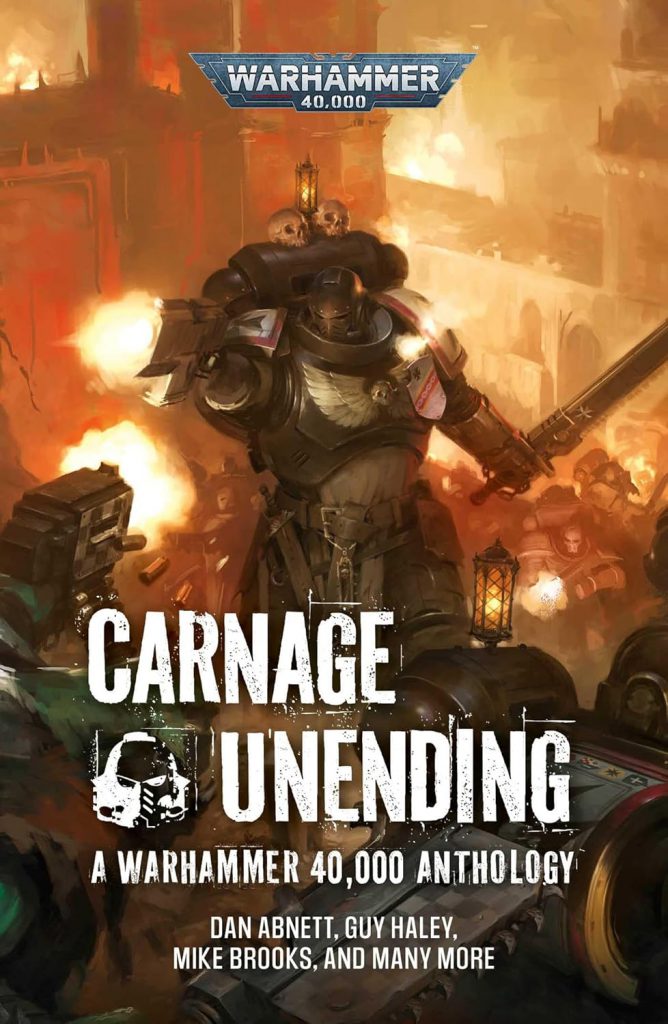
The drumbeats of war resonate across the galaxy as Warhammer 40,000 gears up for its momentous 11th Edition, heralded by a cataclysmic "Return to Armageddon." In lockstep with this impending tabletop revolution, Games Workshop’s Black Library, the narrative heart of the grimdark universe, is meticulously curating a literary offensive to immerse readers in the iconic crucible of Imperial-Ork warfare. The recently released anthology, Carnage Unending, stands as a pivotal pillar in this grand narrative strategy, offering a curated collection of tales that not only revisit the legendary battlefields but also subtly foreshadow the grim future.
While the forthcoming World Ablaze anthology promises fresh narratives, Carnage Unending masterfully weaves together a tapestry of previously published stories, each handpicked for its resonance with the Armageddon theme. Far from being a mere compilation, this anthology demonstrates an inspired editorial vision, connecting disparate narratives through a faint yet undeniable through-line that culminates in a visceral re-engagement with one of Warhammer 40,000’s most enduring conflicts.
Main Facts: A Pre-Emptive Strike for the 11th Edition
Carnage Unending arrives at a crucial juncture for Warhammer 40,000, serving as a literary precursor to the 11th Edition and its central narrative, the "Return to Armageddon." This anthology is a deliberate effort by the Black Library to prime its readership for the scale and brutality of the upcoming conflict, focusing heavily on the eternal struggle between the Imperium of Man and the rampaging Ork hordes. The collection comprises twelve stories, predominantly short fiction with one notable novella, authored by some of the Black Library’s most celebrated and influential writers, including Dan Abnett, Chris Wraight, Guy Haley, Mike Brooks, Nate Crowley, Rachel Harrison, David Guymer, Marc Collins, Steven B. Fischer, Justin Woolley, and David Annandale.
Unlike a collection of entirely new works, Carnage Unending acts as a thematic greatest hits album, drawing from various eras of Black Library publishing. This editorial choice allows for a rich historical perspective on the Armageddon conflict and its associated factions, from the Imperial Guard and Space Marines (Black Templars, Space Wolves, Blood Angels, World Eaters) to the ubiquitous Orks and their Grot underlings. The anthology’s underlying purpose is clear: to reinforce key characters, thematic elements, and the sheer scale of the Armageddon setting, ensuring readers are thoroughly steeped in the lore before the 11th Edition fully erupts.
Chronology: A Literary Vanguard
The release of Carnage Unending is not an isolated event but rather a calculated move within a broader Black Library campaign supporting the 11th Edition’s "Return to Armageddon." Warhammer Community’s recent pronouncements have left no doubt about the strategic importance of this narrative arc, and the Black Library has responded with a coordinated release schedule designed to amplify this focus.
This anthology is part of a wave of publications, including Justin Woolley’s The Freebooterz Code, an Illustrated and Annotated Edition of Nate Crowley’s seminal Ghazghkull Thraka: Prophet of the Waaagh!, and comprehensive omnibuses such as Legends of the Waaagh! and the Yarrick omnibus. Each of these titles, whether new or repackaged, meticulously steers the narrative towards the Armageddon front, building anticipation and providing essential background. While Carnage Unending features previously printed stories, its timing and thematic curation position it as a critical component of this literary vanguard, establishing the tone and reintroducing key players and concepts that will undoubtedly feature prominently in the unfolding narrative of the 11th Edition. The anthology’s diverse selection, spanning tales from 2002 to more recent publications, creates a historical continuum, emphasizing the enduring nature of the conflict and the timeless relevance of these stories to the Armageddon saga.
Supporting Data: A Deep Dive into the Carnage
The thematic coherence of Carnage Unending shines brightest in its individual stories, each contributing a unique perspective to the overarching narrative of relentless war.
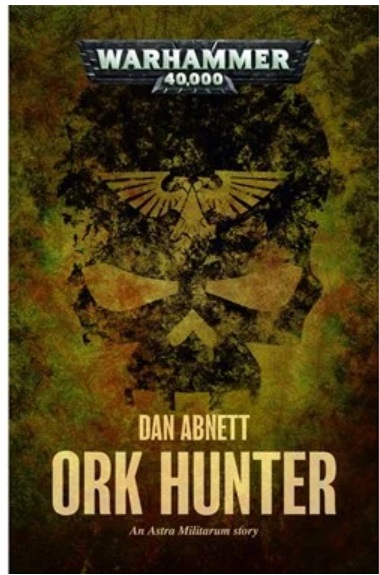
Ork Hunter, by Dan Abnett
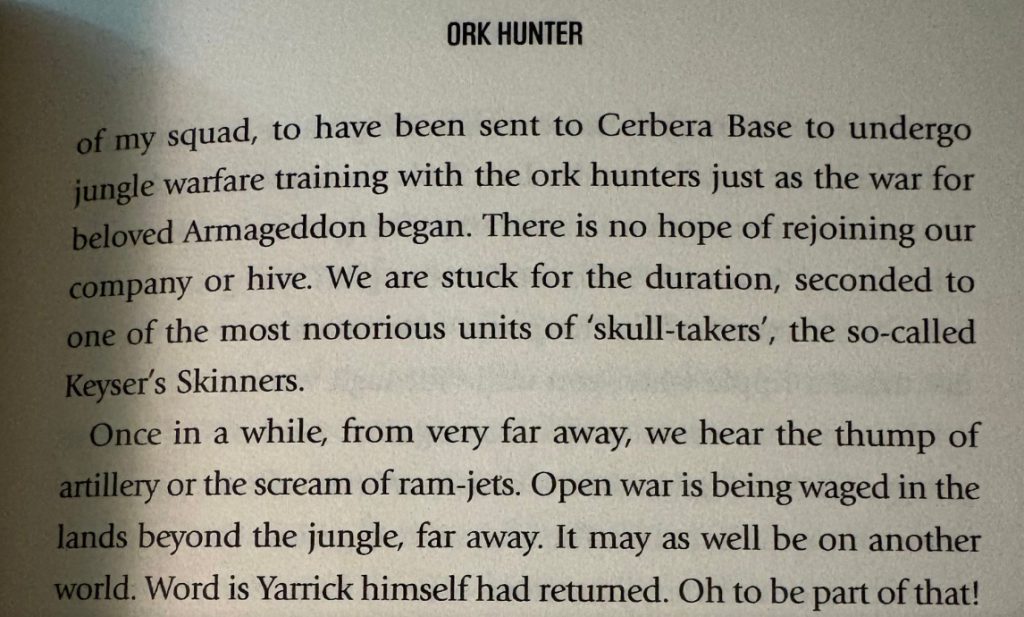
The anthology opens with a masterstroke: a story by Dan Abnett, arguably the Black Library’s most acclaimed author, a ten-time inductee to the Black Library Readers’ Hall of Fame. His inclusion immediately elevates the collection, but it’s the specific choice of "Ork Hunter," first published in 2002, that reveals an inspired editorial touch. The story’s casual mention of "Yarrick himself had returned" eerily presages the current 11th Edition lore focus on Commissar Yarrick and Armageddon. This remarkable coincidence, or more likely, an act of astute curation, sets an intriguing precedent for the anthology’s thematic depth.
Abnett’s narrative is a classic exploration of the psychological toll of endless war, told through the eyes of fresh Imperial Guardsmen seconded to a veteran unit of "ork hunters." These hardened soldiers, having "gone native" in the wilds, are covered in grisly trophies and possess an almost Ork-like ferocity, honed by years of brutal combat. Abnett expertly portrays their descent into a primal, yet effective, mode of warfare. As the new recruits are systematically culled, the lone survivor’s transformation into an adept "ork hunter" underscores the harsh realities of survival in the 40k universe. The story, though concise, serves as a powerful and gritty introduction to the anthology’s central themes of survival and the grim necessity of fighting fire with fire.
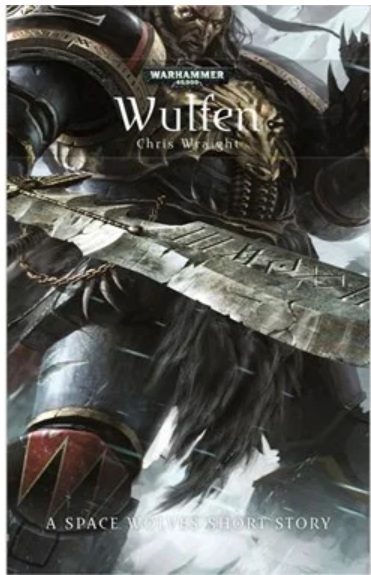
Wulfen, by Chris Wraight
Another titan of the Black Library, Chris Wraight, contributes "Wulfen," a strong narrative piece that delves into the esoteric lore of the Space Wolves. The story follows the survivors of a disastrous, reckless assault on a daemon world, grappling with the mystery of an unknown salvation that spared them twice. Wraight’s characteristic ability to craft atmospheric and emotionally charged prose is on full display, drawing readers into a desperate struggle against unseen horrors.
While not entirely self-contained, requiring some familiarity with the nuanced lore surrounding the Space Wolves and the titular Wulfen, the story’s evocative descriptions and tight pacing make it a compelling read. It explores themes of mutation, hidden strength, and the dark gifts that can arise from extreme circumstances, adding a layer of grim complexity to the Imperium’s defenders. Wraight’s mastery of characterization ensures that even within a short format, the internal struggles and camaraderie of the Space Marines resonate deeply.
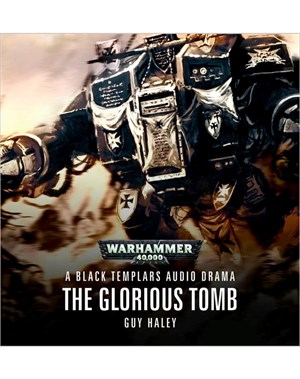
The Glorious Tomb, by Guy Haley
Guy Haley’s "The Glorious Tomb" brings the action directly back to Armageddon, delivering a unique first-person account from within the sarcophagus of a Black Templars Dreadnought. Haley’s prose is the electrifying heart of this story, employing a martial, blunt, and relentlessly driven cadence that perfectly mirrors the Dreadnought’s unyielding nature. Passages like "There are thousands of orks here. I blow them to pieces, crush them underfoot, smash them down. So many of them die, die, die, but always there are more," convey an immediate, visceral sense of the ceaseless conflict.
His musings on the Orks themselves are particularly insightful, acknowledging their remarkable resilience and pervasive threat while reaffirming the Black Templar’s unyielding hatred: "I respect them and I hate them. I kill all the enemies of man with satisfaction, but I particularly enjoy killing orks. Praise be." This dual perspective adds depth to the often one-dimensional portrayal of the enemy. Originally conceived as an audio drama, the story’s rhythmic, direct style translates powerfully to the page. Dreadnoughts inherently embody tragedy, a theme explored movingly in works like Mike Vincent’s The Vengeful Dead and James Swallow’s The Flight of the Eisenstein. Brother Adelard’s narrative is no exception, with Haley masterfully transitioning from external battle to profound internal reflection, making this a standout piece for its emotional resonance and thematic richness.
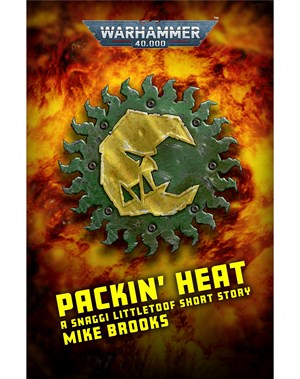
Packin’ Heat, by Mike Brooks
Mike Brooks, known for his distinctive take on Ork culture, contributes "Packin’ Heat." For readers who find Ork humor a difficult balance, Brooks often strikes a refreshing chord. This story, originally part of the 2022 Advent Calendar and later a Black Library Celebration mini-anthology, follows two grots, including Snaggi Littletoof from the novel Warboss, as they infiltrate an Aeldari ruin for treasure.
While it might not reach the comedic heights of his Painboyz, Brooks’s more subtle comedic touches land effectively. The observation, "The heat got more intense the lower they went – which just went to show that Mek Zagblutz had been wrong about his claims that heat rose, but what could you expect from an ork?", exemplifies his nuanced humor. This tale provides a valuable, lighter-hearted Ork perspective amidst the grimdark, and its inclusion in an Armageddon-centric anthology offers a necessary counterpoint to the Imperial narratives, reminding readers of the chaotic joy the Orks find in warfare.
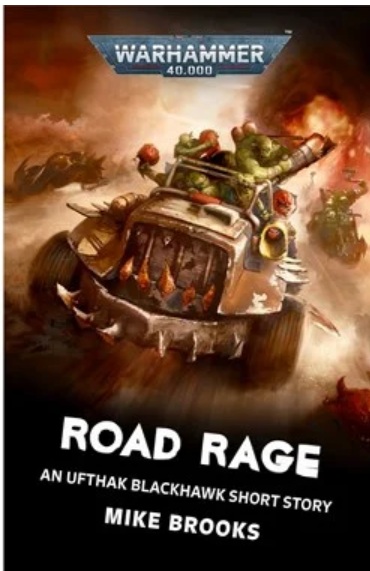
Road Rage, by Mike Brooks
Brooks offers a second helping of Ork culture with "Road Rage," a tale centered on a sprawling Ork race. Bad Moons Boss Ufthak Blackhawk must assert his dominance over upstart Speed Freekz by besting them at their own game. Featuring characters from Brooks’s larger Ork sagas, such as Brutal Kunnin’ and Da Big Dakka, this story will be particularly enjoyable for fans of his established Ork universe.
While perhaps not a groundbreaking narrative, it excels in its vibrant portrayal of greenskin society, focusing on their innate love for speed, violence, and proving one’s "kunnin’." It serves as an excellent window into the boisterous, often hilarious, yet always deadly world of the Orks, further diversifying the perspectives within the anthology and reinforcing the multifaceted nature of the conflict on Armageddon.
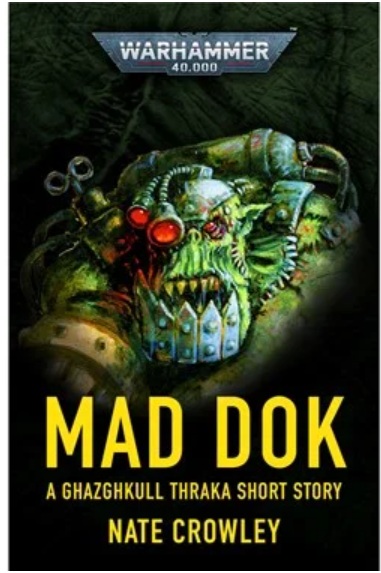
Mad Dok, by Nate Crowley
Nate Crowley’s "Mad Dok" exemplifies the "add-on" story category, deeply enriching existing lore. Unlike self-contained narratives, this piece provides crucial continuity, making it an essential read for anyone seeking a comprehensive understanding of the complex, symbiotic dynamic between Mad Dok Grotsnik and the legendary Ghazghkull Thraka.
Having gleaned fragments from Grotsnik: Da Mad Dok and Ghazhgkull Thraka: Warlord of Warlords, "Mad Dok" places this pivotal relationship at its core, revealing the twisted genius of Grotsnik and his indispensable role in Ghazghkull’s rise. Crowley eschews overly silly Ork humor, instead playing the greenskins straight, highlighting their brutal pragmatism and surprising depth. This well-written inclusion is vital for appreciating the Ork leadership that looms large over the Armageddon conflict.
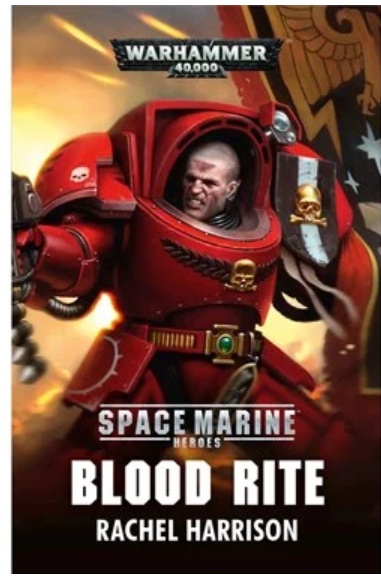
Blood Rite, by Rachel Harrison
A significant highlight of Carnage Unending is the inclusion of Rachel Harrison’s novella, "Blood Rite," a substantial narrative featuring the iconic Blood Angels. Set on an Imperial shrine world, the story sees the sons of Sanguinius confronting the insidious forces of the Word Bearers. The novella’s length allows for a more expansive exploration of character and plot, something rare in anthologies.
Harrison, celebrated for her Commissar Severina Raine series, crafts a tale where Blood Angels seek to reclaim a sacred chalice, a gift from Sanguinius himself, now twisted by the Ruinous Powers. The narrative deftly switches between multiple points of view, illustrating the mounting internal pressures of the Black Rage and Red Thirst that constantly threaten to consume the Chapter. Harrison achieves a remarkable balance, maintaining kinetic momentum without devolving into "bolter porn." The action serves the narrative, propelled by the core mission and imbued with just enough introspection to give it depth. Furthermore, her skillful use of point-of-view and time shifts, a risky endeavor in a novella, is wielded with a deft pen, weaving a cohesive and compelling story. "Blood Rite" is an excellent inclusion, offering a rich, engaging experience that stands as a real treat for Blood Angels enthusiasts and a testament to Harrison’s narrative prowess.
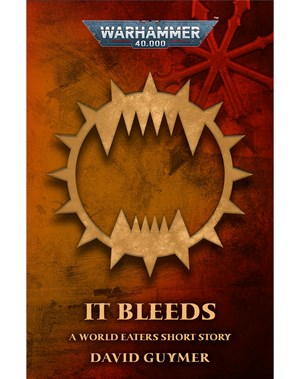
It Bleeds, by David Guymer
David Guymer’s "It Bleeds" offers a chilling glimpse into the psyche of a World Eater, a faction with deep historical ties to Armageddon. The story is told from the first-person perspective of a World Eater legionary who defected from a loyalist Successor Chapter. His unique tragedy stems from a botched installation of the Butcher’s Nails, the cranial implant designed to amplify rage, which leaves him in a precarious mental state, perpetually haunted by his past.
Guymer excels at portraying the internal turmoil of a Khornate berserker, balancing the raw aggression with moments of profound, albeit twisted, self-awareness. The narrative strikes a resonant note of tragedy, illustrating the self-destructive nature of the Heretic Astartes without resorting to apologia. Originally featured in Chaos Space Marines Week 2022 and later in 2023’s Galaxy of Horrors, its reappearance here reinforces the World Eaters’ enduring legacy of bloodshed on Armageddon and their complex, often pitiable, existence.
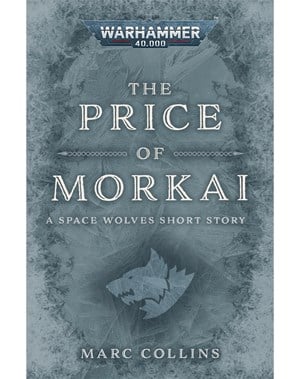
The Price of Morkai, by Marc Collins
While a well-crafted story, Marc Collins’s "The Price of Morkai" raises questions about Black Library’s re-publication strategy due to its frequent appearances. This prelude to his acclaimed novel Krakenblood has been extensively exposed, appearing in the December 2023 Advent subscription, March 2025’s Blood of the Imperium anthology, the Krakenblood Special Edition in November, and this year’s Store Anniversary anthology Cannibal Gate and Other Stories, before its inclusion in Carnage Unending.
The story itself is a reflective tale of a Wolf Priest returning the geneseed of a fallen Space Wolf brother, a poignant exploration of duty, loss, and the cycle of the Space Wolves. However, its recurring presence in print anthologies two years running risks oversaturating the market. While the quality of the story remains, its ubiquity detracts from the sense of discovery within a new collection, hinting at a potential challenge in balancing new content with the strategic re-use of popular shorts.
Consecrated Ground, by Steven B. Fischer
"Consecrated Ground" by Steven B. Fischer is a welcome, if bittersweet, inclusion, prompting reflections on the author’s regrettably sparse contributions to the Black Library. Fischer’s novel Broken Crusade was praised for its profound treatment of faith within Warhammer 40,000. Here, he revisits Castellan Emeric of the Black Templars in a tighter, more focused short story.
The narrative sees the Black Templars called to suppress a planetary uprising by its mutant population. However, as is often the case in 40k, things are not as straightforward as they seem, and the story subtly explores the dangers of faith becoming "too blind." Fischer masterfully crafts a tense atmosphere, highlighting the zealous single-mindedness of the Black Templars and the moral ambiguities inherent in their crusade. It’s a compelling piece that underscores the ideological conflicts that often underpin the physical battles in the 40k universe.
Hell Fist, by Justin Woolley
Justin Woolley’s "Hell Fist" is another story that has seen multiple printings, appearing in three anthologies within four years (Galaxy of Horrors 2023, Death and Duty: An Astra Militarum Anthology last year, and now Carnage Unending). Thematically, it serves as a symmetrical counterweight to Abnett’s opening "Ork Hunter," presenting Catachans battling Orks in a jungle environment.
While serviceable as an action story, it suffers from an abrupt ending, leaving the reader wanting more. A minor quibble, but one that impacts immersion, is the main character’s unexplained understanding of Orkish, a detail Rob Young thoughtfully addressed in Leontus: Lord Solar. Despite these points, "Hell Fist" offers a good taste of what readers might expect from Woolley’s upcoming Freebooterz Code, reinforcing the pervasive Ork threat and the diverse Imperial responses to it.
Sarcophagus, by David Annandale
The anthology concludes fittingly with "Sarcophagus" by David Annandale, bringing the focus back to the legendary Commissar Yarrick. The title itself evokes the central predicament: Yarrick trapped inside an overturned tank, facing a slow, solitary death by thirst. Stripped of his iconic power klaw and much of his combat prowess, Yarrick must rely solely on his formidable wits and unyielding will to survive.
Though published in 2014, the story’s timeliness is undeniable, given Yarrick’s renewed prominence in the 11th Edition lore. Annandale expertly crafts a tense, claustrophobic narrative that showcases Yarrick’s indomitable spirit and tactical cunning, proving that even when physically incapacitated, Ol’ Bale Eye remains a force to be reckoned with. It’s a concise, impactful story and a perfect way to round out a collection so deeply intertwined with the saga of Armageddon.
Official Responses: Curating the Narrative Landscape
While Carnage Unending doesn’t feature direct quotes from Games Workshop or Black Library staff, the anthology itself serves as a powerful "official response" to the impending 11th Edition. The deliberate editorial choices made in its compilation speak volumes about the strategic direction of the Black Library. The collection’s primary function is clearly to curate and consolidate existing lore relevant to the "Return to Armageddon."
The inclusion of stories spanning over two decades, from Abnett’s 2002 "Ork Hunter" to more recent publications, demonstrates a conscious effort to establish a historical depth for the upcoming conflict. The uncanny alignment of "Ork Hunter" with current Yarrick lore is less a coincidence and more an editorial masterstroke, highlighting how timeless stories can be recontextualized to serve new narrative purposes. The presence of iconic characters and factions—Yarrick, Ghazghkull (via Grotsnik), Black Templars, Space Wolves, Blood Angels, World Eaters, Imperial Guard, and the relentless Orks—is not accidental. It’s a carefully constructed lineup designed to ensure that the key players and their defining characteristics are front and center in the readers’ minds.
Even the repeated inclusion of certain stories, while potentially frustrating for some readers, can be interpreted as a strategic move to ensure maximum exposure for particularly relevant narratives, embedding them firmly within the Armageddon mythos. This anthology is a clear signal that the Black Library is actively shaping the literary landscape to support and enhance the tabletop experience of the 11th Edition, providing a robust narrative foundation for the impending galaxy-shaking events.
Implications: Setting the Stage for the Next Era
Carnage Unending is more than just an anthology; it is a meticulously crafted overture for the 11th Edition of Warhammer 40,000. Its implications are far-reaching, both for the Black Library and the broader Warhammer community.
Firstly, it solidifies the Black Library’s role as an essential narrative engine, working in tandem with Games Workshop’s tabletop developments. By re-emphasizing the Armageddon conflict and its legendary figures, the anthology ensures that players and readers alike are deeply invested in the historical and ongoing struggles that define this pivotal war zone. This interconnectedness strengthens the overall Warhammer 40,000 intellectual property, creating a more immersive and cohesive universe.
Secondly, for veteran readers, Carnage Unending offers a curated retrospective, allowing them to revisit classic tales through a fresh lens, illuminated by the context of the upcoming edition. For newer enthusiasts, it serves as an excellent primer, introducing them to foundational lore, key characters, and the brutal realities of the Armageddon conflict without requiring extensive prior reading. The diverse range of authors and perspectives also showcases the breadth and depth of talent within the Black Library.
Finally, the anthology’s strategic re-use of stories, while sometimes leading to a sense of déjà vu, ultimately underscores the timeless quality of these narratives. It demonstrates that compelling tales of heroism, despair, and relentless war transcend their initial publication dates, remaining relevant as the Warhammer 40,000 narrative continually evolves. Carnage Unending successfully builds anticipation, enriches understanding, and firmly sets the stage for the unyielding conflict that awaits in the 11th Edition, cementing Armageddon’s place as a perpetual crucible of endless carnage.



Leave a Comment