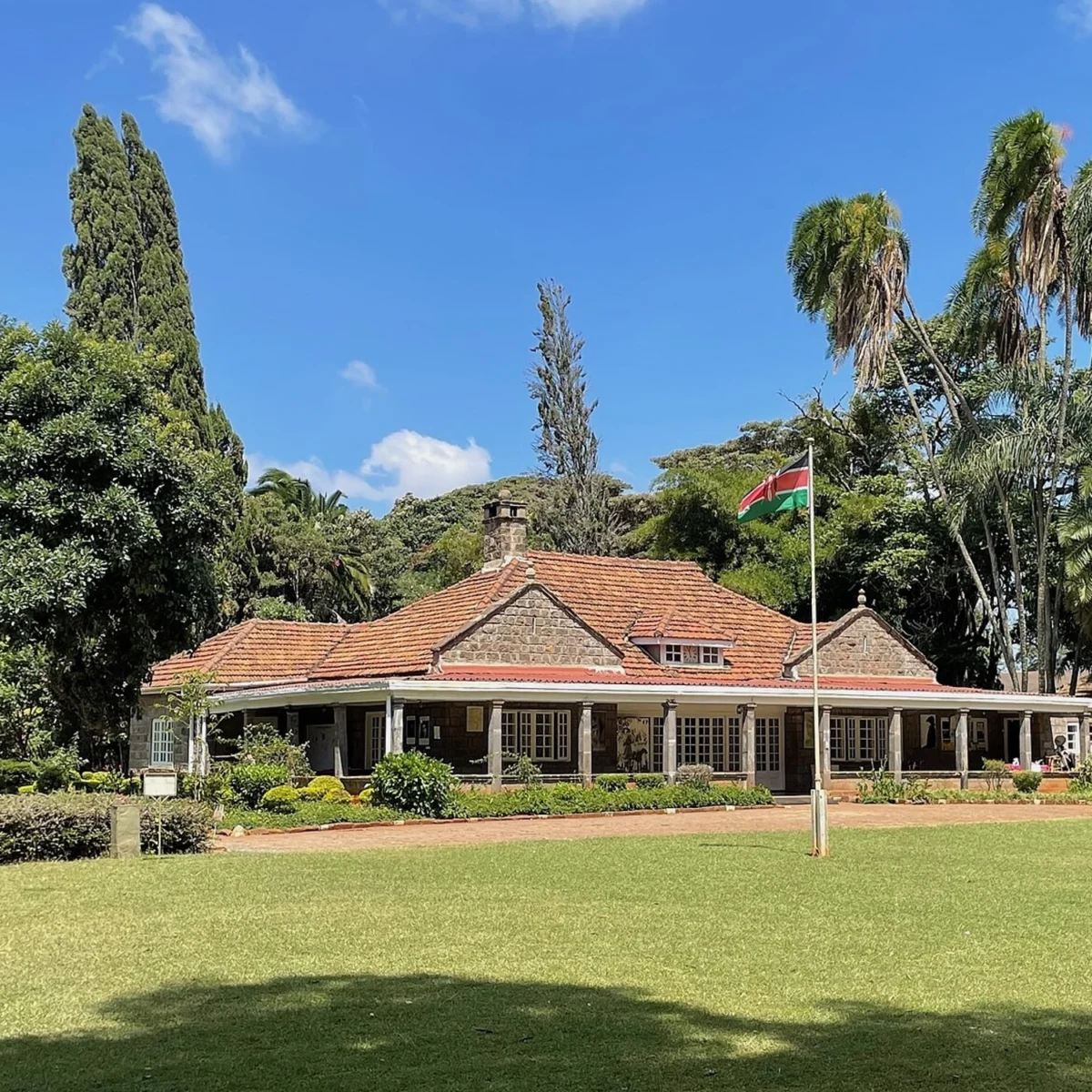
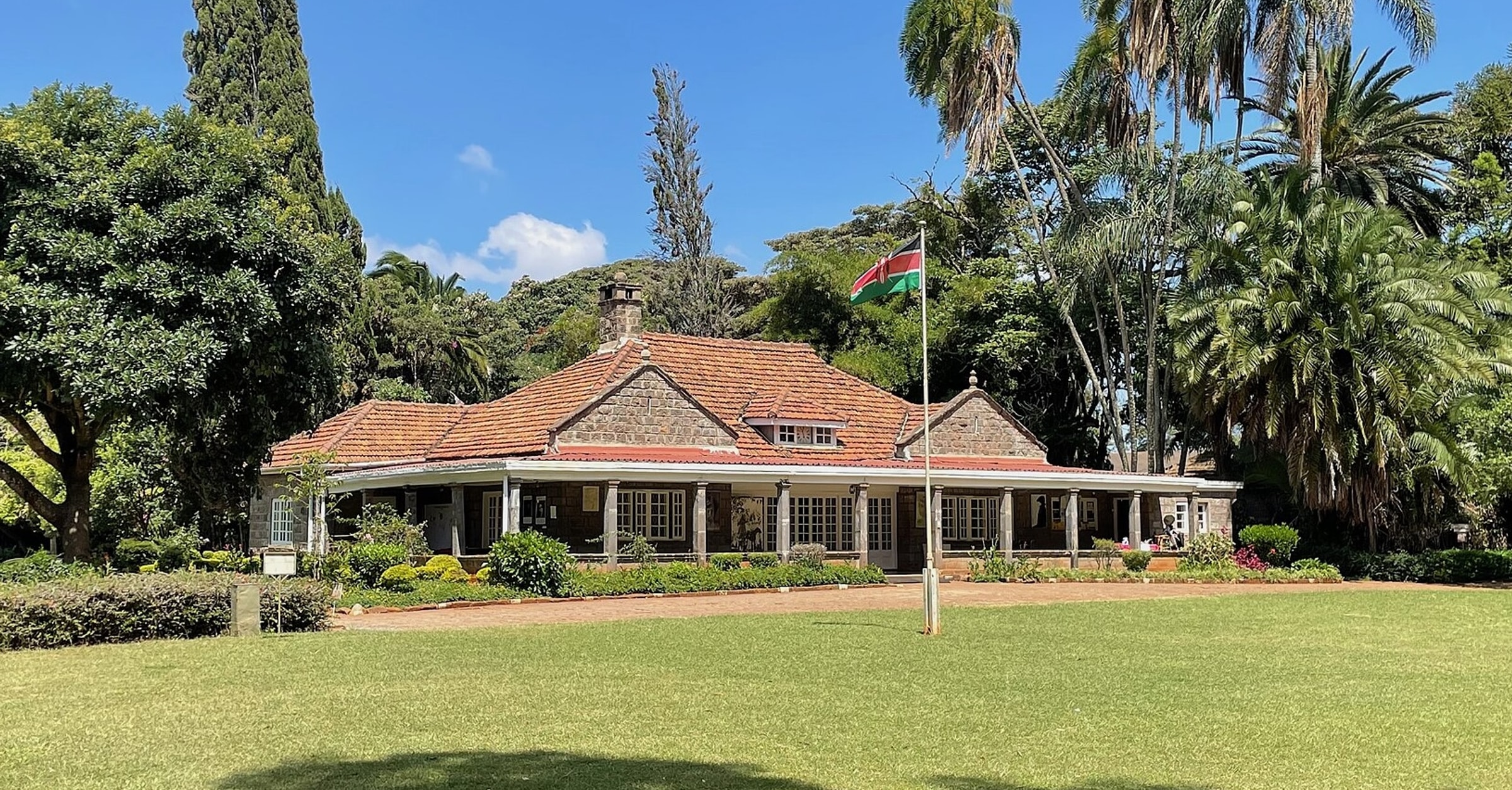
London, UK – With its distinctive thick walls, soaring ceilings, expansive rooms, and wide, sheltering verandahs, the colonial bungalow emerged as a triumph of architectural adaptation, meticulously engineered to confront the formidable challenges of hot, often humid, climates. Designed to meticulously trap cool air within while repelling the oppressive external heat, and providing abundant, airy shade, the bungalow’s efficacy was such that it rapidly ascended to become the quintessential colonial residence across vast swathes of the globe. From the sun-baked plains of British India to the verdant islands of French Polynesia, this architectural form became an indelible mark of imperial presence.
Yet, beyond its functional brilliance, the bungalow carried a potent symbolic weight. Its interiors were typically cordoned off from local populations, and its aesthetic starkly diverged from indigenous architectural traditions. This deliberate distinction solidified its status as a tangible emblem of both imperial power and the insidious undercurrents of racial discrimination that defined the colonial era. Frequently immortalized in colonial-themed literature and film, the fundamental design principles of the bungalow have transcended its contentious origins, remaining a remarkably popular and adaptable form of residence in post-colonial societies worldwide, a testament to its enduring functional appeal.
Chronology: From Bengal’s Heat to Global Habitats
Origins in British India: A Name Born of Necessity
The journey of the bungalow begins, according to authoritative sources like The Oxford Library of Words and Phrases, with its etymological roots firmly planted in the Indian subcontinent. The Gujarati word bangalo and the Hindi word banglā – both meaning "belonging to Bengal" – point to the eastern region of British India as the crucible for this innovative architectural style. Bengal, characterized by its intense monsoon seasons and oppressive humidity, demanded a dwelling that could offer respite and comfort to its European residents.
These pioneering colonial bungalows were initially erected in remote trading outposts, strategic points where European traders and administrators first established a foothold. As colonial influence expanded, so too did the presence of bungalows, appearing in increasingly larger communities and burgeoning colonial towns. They served a dual purpose: practical and symbolic. Practically, they provided a means for colonists to replicate, albeit imperfectly, the standards of living they had left behind in their home countries, offering a stark contrast to the often simpler, climatically appropriate, but culturally distinct local accommodations. Symbolically, the architectural divergence of the bungalow served as a constant, visual reminder to the indigenous population of the colonial power structure – who possessed the wealth, the authority, and the perceived social superiority.
It is important to note that not all colonists arrived with vast personal fortunes. Soldiers, junior administrators, and aspiring merchants often found themselves in more modest circumstances, sometimes even less affluent than segments of the local populace. For such individuals, communal living was common. Two or three unmarried men would frequently share a bungalow, pooling resources until they could afford their own private residence. These shared dwellings, emblematic of a certain bachelor lifestyle within the colonial hierarchy, were affectionately (or perhaps wryly) termed ‘chummeries,’ a term that further highlights the unique social dynamics fostered by this architectural form.
Supporting Data: Engineering Comfort in the Tropics
The colonial bungalow was a masterclass in passive climate control, a meticulously engineered response to environmental extremes long before the advent of modern air conditioning. Every design feature was a deliberate choice, aimed at creating an oasis of coolness and comfort.
Climate-Adaptive Design Principles: A Blueprint for Resilience
One of the most striking characteristics was the practice of constructing the entire bungalow slightly above ground level. This elevation served multiple crucial functions: it mitigated the ingress of ground moisture, deterred crawling insects and small animals, and facilitated better air circulation beneath the structure, further contributing to a cooler interior.
The roof, typically steeply sloped, was another critical element. This pronounced pitch provided greater internal height for the rooms, enhancing the sense of spaciousness and, more importantly, allowing hot air to rise and accumulate higher above the living spaces, where it could be more easily vented. The steep slope also proved highly effective in shedding the torrential downpours characteristic of tropical monsoons, preventing water accumulation and subsequent structural damage. The choice of materials for walls and roofing was dictated by local availability, showcasing a pragmatic adaptability. Rattan, wood, plaited leaves, mud, brick, plaster, and corrugated iron all found their place in various bungalows, reflecting regional resources and the varying affluence of the occupants.
The most effective bungalows boasted exceptionally thick walls. These formidable barriers were not merely structural; they were vital insulators, creating a thermal mass that absorbed the day’s intense heat slowly, releasing it only gradually at night, by which time external temperatures would have dropped. This ensured the interior rooms maintained a cooler and remarkably more constant temperature throughout the day. Complementing this, whitewashed exterior walls played a crucial role by reflecting a significant portion of the sun’s radiant energy, preventing it from being absorbed into the building fabric.
Inside, the emphasis was on openness and flow. Large, often open-plan rooms, particularly for communal areas like lounges and dining spaces, coupled with the aforementioned high ceilings, were meticulously designed to facilitate optimal air circulation. This was not merely a comfort consideration during the scorching dry seasons but also a vital strategy to combat the stifling humidity prevalent during the wet seasons, preventing the build-up of stagnant, moisture-laden air that could lead to mildew and discomfort.
The All-Encompassing Verandah: A Transitional Sanctuary
Perhaps the most iconic and defining feature of the colonial bungalow was its wide and deep verandah. More than just a porch, the verandah acted as a crucial transitional space, blurring the lines between the indoor and outdoor environments. In earlier, more isolated bungalows, or those built on expansive plots, the verandah often wrapped around all four sides of the building, providing an unbroken perimeter of shade. As bungalow estates began to proliferate in increasingly dense colonial towns, space constraints often led to the verandah being limited to one or two sides, typically the most advantageous for prevailing breezes or views.
This overhanging roof, supported by a rhythm of regular columns, was instrumental in preventing direct sunlight from striking the building’s main walls, significantly reducing heat gain. The contrast between the dazzling, sunlit exterior and the cool, often dim interior of a colonial bungalow was frequently striking, a welcome relief for its inhabitants. The verandah also offered a shaded, semi-outdoor living area, perfect for enjoying the slightly cooler mornings and evenings, for informal entertaining, or simply for quiet contemplation. A sturdy railing often demarcated the verandah’s edge, serving a practical purpose by deterring curious local wildlife, from stray dogs seeking shelter to more dangerous nocturnal predators like leopards in remote areas.
Beyond residential structures, the essential design features of the bungalow, particularly its emphasis on climate control and shaded outdoor spaces, were readily extended to communal buildings within the colony. Schools, clubhouses, trading depots, hospitals, and administrative offices all adopted elements of the bungalow design, reinforcing its status as the default architectural solution for colonial life.
Windows and French doors, often equipped with latticed shutters, provided additional layers of climate control. These shutters could be closed to block direct sunlight even when the sun was at a low angle or if the verandah didn’t fully encompass that side of the bungalow, while still allowing some airflow. Large windows were highly valued not only for maximizing air circulation but also for framing impressive views of the exotic, often dramatic, landscapes that surrounded the colonial settlements – a constant reminder of the foreign world the colonists now inhabited.
Harnessing the Environment and Technology: Breezes and Innovations
The strategic placement of a bungalow was as critical as its design. Typically situated in a clearing, and in suitable climates, often surrounded by a meticulously maintained lawn area, the bungalow benefited from unimpeded airflow. Building on a slight rise or small hill was particularly advantageous, as this elevated position allowed the structure to better capture any prevailing breezes, providing natural ventilation. This elevation also served a practical health purpose by reducing the intensity of unwanted visitors such as mosquitoes, which tended to thrive in lower, marshier ground.
When natural breezes proved insufficient, colonists employed various artificial means to circulate air. Ceiling fans, though initially hand-cranked and later electric, became ubiquitous. A more primitive but widely used device was the ‘punkah’ – a large, cloth-covered frame suspended from the ceiling. This punkah was put into motion by a servant (the ‘punkah-wallah’) pulling a rope, creating a gentle, oscillating breeze across the room. Some bungalows even featured rudimentary air conditioning systems, an ingenious adaptation of available technology. These involved a series of fans within a box-like structure that blew air through a space made damp by hanging wet strips of cloth or mats, providing a degree of evaporative cooling.
A Glimpse Inside: Violet Jacobs’ Account
A vivid and detailed description of a well-appointed colonial bungalow is offered by Violet Jacobs, who resided in Mhow, central India, around 1895. Her account paints a picture of comfort and thoughtful design:
"Imagine yourself on the porch and coming up some steps. You go up across the verandah and through the front door that opens into the drawing room; it has a fan-light and is very tall. All the outside doors and windows have wire shutters like meat safes to keep out insects. They are a great luxury here. The drawing room is about the height of Dun Kirk [the church at home in Dun, Angus] and a sort of chancel arch runs laterally across the middle; it has six doors running down each side of it and opening into other rooms and the effect is rather pretty, as all have fan-lights over them. There are seven windows and nineteen ventilators so there should be plenty of air. We’ve got stone floors instead of the mud ones most bungalows have and all the whitewash is tinted pale green. There’s a crimson drugget [floor covering], the wicker chairs are all painted white and the general effect isn’t bad at all." (Holmes, 141-2)
Jacobs’ description highlights the careful balance of functionality and aesthetic ambition. The "wire shutters like meat safes" underscore the constant battle against tropical insects, a practical necessity elevated to a "great luxury." The sheer number of windows and "nineteen ventilators" speaks to the absolute priority given to airflow. The tinted whitewash, stone floors, and decorative elements like the "chancel arch" and white wicker chairs reveal an effort to create a comfortable, stylish, and familiar domestic environment within a foreign land, even while acknowledging the unique climatic demands.
Beyond Residences: Adaptability and Mass Production
The colonial bungalow’s design proved so inherently successful and adaptable that it quickly moved beyond bespoke construction. The era saw the rise of prefabricated versions, which could be ordered from industrial centers like Glasgow in Scotland, then disassembled, shipped across oceans, and reassembled on-site in far-flung colonies like Australia. This innovative approach to construction further accelerated the bungalow’s global proliferation.
Moreover, the fundamental concept of the bungalow structure was not confined to private residences. Its excellent climate control and functional layout made it an ideal blueprint for various communal buildings essential to colonial administration and society. Schools, clubhouses, trading depots, and hospitals frequently adopted the bungalow design, testifying to its versatility and reinforcing its omnipresence in the colonial landscape.
Official Responses and Societal Implications: Architecture as a Tool of Empire
Beyond its architectural merits, the bungalow served a profound political and social purpose, acting as a physical manifestation of imperial ideology. Its distinctiveness from indigenous architecture was not merely a matter of taste but a deliberate statement.
The Architecture of Social Distancing: Defining Boundaries
As historian P. J. Marshall incisively explains, "The bungalow’s attraction was in large part the way it advanced a political purpose – that of social distancing. Its setting, in a spacious compound, with a curving entry drive and access controlled by walls, gates, and watchmen, announced the superiority of the British Raj and helped contain the pervasive British fears of disease and contamination from too close a contact with ‘natives.’" (236)
This quote succinctly captures the bungalow’s role as an instrument of segregation. The expansive compound, often a significant parcel of land, created a physical buffer zone. The controlled access – via walls, gates, and watchmen – was a tangible assertion of authority and a mechanism for maintaining strict social hierarchies. The underlying "British fears of disease and contamination" reflected not only genuine health concerns but also a thinly veiled racial prejudice, constructing a narrative of "otherness" that justified separation. The bungalow, therefore, was not just a home; it was a fortress, a controlled environment designed to preserve the perceived purity and superiority of the colonial elite.
This deliberate separation extended even to everyday commerce in less isolated communities. Tradespeople, even those vital for the household’s functioning, were subjected to careful screening. If granted permission to enter the bungalow grounds, their access was typically restricted to the verandah, a liminal space that served as a buffer. As Marshall notes, "Only social equals were allowed into the interior." The bungalow’s inner sanctum, therefore, represented a private imperial world, a physical embodiment of racial discrimination that was undeniably observed and understood by local populations. This rigid segregation, however, was not entirely immutable. Over time, as White colonials moved on—for example, when a regiment was reposted—bungalows became available. Gradually, they were acquired by better-off locals, such as prosperous merchants and shopkeepers, members of the burgeoning indigenous middle class, marking a subtle but significant shift in their social occupancy.
Women’s Role in the Imperial Home: Shaping Social Life
Within the private imperial space of the bungalow, women often played a central and influential role. In the somewhat isolated and often unstructured social environments of colonial outposts, women frequently experienced a slightly freer, albeit still constrained, position in society compared to their counterparts back home. This freedom, however, came with significant responsibilities and expectations. Colonial women were expected to display considerable resourcefulness in organizing the household’s daily requirements, managing and disciplining a staff of servants, and raising children in challenging environments.
Crucially, there was also a strong expectation that women would be the primary nurturers of the colonial community’s social life. The bungalow, with its welcoming verandahs and spacious interiors, became the principal venue for hosting informal social gatherings, such as dinner and tea parties. These events, while less formal than those held in exclusive colonial clubs, were vital for maintaining social cohesion, reinforcing community bonds among the European residents, and projecting an image of ordered domesticity in an often-unpredictable foreign land. The bungalow thus became a stage for both private life and the performance of colonial identity.
The Bungalow in Colonial Literature: A Mirror to the Imperial Psyche
The colonial bungalow, with its distinct character and profound implications, frequently features as a powerful motif in literature of the colonial period. These structures, often depicted as isolated, unique, and subject to the relentless ravages of the climate, frequently serve as a metaphor for the physical isolation, moral compromises, and psychological decay of the main characters within these narratives.
Symbols of Isolation and Decay: Unrest in the Tropics
Joseph Conrad (1857-1924), whose works often delve into the moral ambiguities of imperial ventures in far-flung locales, masterfully uses the bungalow to reflect the deteriorating conditions and questionable ethics of his characters. In his 1898 collection of short stories, Tales of Unrest, the entry An Outpost of Progress describes a remote ivory trading station in the Belgian Congo. Here, two protagonists descend into quarrel, violence, and suicide, a fate foreshadowed by Conrad’s chilling description of their bungalow:
"…there was only one large building in the cleared ground of the station. It was built neatly of reeds, with a verandah on all four sides. There were three rooms in it. The one in the middle as the living-room, and had two rough tables and a few stools in it. The other two were the bedrooms for the white men. Each had a bedstead and a mosquito net for all furniture. The plank floor was littered with the belongings of the white men; open half-empty boxes, town wearing apparel, old boots; all the things dirty, and all the things broken, that accumulate mysteriously round untidy men." (83)
Conrad’s depiction is stark. The bungalow, though "built neatly of reeds," quickly reveals its internal disarray. The "dirty, and all the things broken" strewn across the plank floor are not just evidence of untidiness but serve as a potent symbol of the broken morals, the neglect, and the unraveling order that characterize the imperial project and its agents in this desolate outpost. The physical state of their dwelling mirrors their psychological and moral deterioration.
George Orwell (1903-1950), born in British India and having served in the colonial police force in Myanmar, offers equally insightful portrayals. In his 1934 novel Burmese Days, Orwell describes one character’s bungalow:
"The doctor’s house was a long bungalow of earth-oiled wood, standing on piles, with a large unkempt garden which adjoined that of the Club…The verandah was wide and dark, with low eaves from which baskets of fern hung, making it seem like a cave behind a waterfall of sunlight. It was furnished with long, cane-bottomed chairs made in the jail and at one end was a bookcase containing a rather unappetising little library…" (34-5)
This bungalow, despite its advantageous position near the club, suggests a certain melancholic neglect. The "unkempt garden" and the "unappetising little library" hint at a life that lacks vibrancy or intellectual stimulation, possibly reflecting the spiritual ennui of colonial existence. The verandah, described as a "cave behind a waterfall of sunlight," captures the intense contrast of light and shadow, and perhaps the sense of being sheltered yet simultaneously isolated from the dazzling, overwhelming reality of the outside world.
Orwell further describes the interior of his main character Flory’s Burmese bungalow:
"The bedroom was a large square room with white plaster walls, open doorways and no ceiling, but only rafters in which sparrows nested. There was no furniture except the big four-poster bed, with its furled mosquito net like a canopy, and a wicker table and chair and small mirror; also some rough bookshelves containing several hundred books, all mildewed by many rainy seasons and riddled by silver fish…Beyond the veranda eaves the light rained down like glistening white oil." (49)
Flory’s bedroom is spartan, almost monastic, emphasizing the bare essentials of survival in the tropics. The "sparrows nested" in the rafters and the "mildewed" and "riddled" books poignantly illustrate the relentless assault of the climate on both material possessions and the aspirations of European culture. The "glistening white oil" of the light outside the verandah is a beautiful yet oppressive image, conveying the fierce intensity of the tropical sun from which the bungalow offered its crucial, if sometimes futile, refuge.
Embracing the Landscape and Social Life: The Bungalow as Vantage Point
Not all literary depictions were grim. Karen Blixen (1885-1962), who famously chronicled her experiences owning a coffee farm in Kenya in her 1937 book Out of Africa, offers a more integrated perspective, highlighting the bungalow’s connection to its magnificent natural surroundings:
"My dining room looked west and had three long windows that opened out to the paved terrace, the lawn, and the forest. The land here sloped down to the river that formed the boundary between me and the Masai. You could not see the river itself from the house, but you could follow its winding course by the design of the dark-green big acacias which grew along it…The wind blew from the east: the doors of my dining room, to lee, were always open, and for this reason, the west side of the house was always popular with the Natives." (43)
Blixen’s bungalow is designed to maximize its interaction with the landscape, using views and breezes strategically. The "long windows" connecting to the terrace and forest emphasize a desire to experience, rather than merely endure, the African environment. Her observation that the "west side of the house was always popular with the Natives" due to the prevailing easterly wind and open doors, provides a rare glimpse into a more relaxed, albeit still hierarchical, interaction between the colonial household and the local community, drawn by the comfort the bungalow offered.
Paul Scott (1920-1978), in his 1968 novel The Day of the Scorpion (part of the celebrated Raj Quartet), describes the hill station of Pankot, a retreat for British residents from the intense summer heat of the Indian plains:
"Most of them [bungalows] were hidden by pines, marked by roadside posts at drive-entrances. And yet there was no feeling of enclosure. The road, at every turn, gave views…English flowers could be grown (sometimes spectacularly) in the gardens." (72)
Scott illustrates the bungalow’s role in creating a semblance of English domesticity within the Indian landscape. The bungalows are nestled amidst pines, offering privacy yet maintaining an open feel with "views" at every turn. The ability to cultivate "English flowers" in the gardens underscores the colonists’ efforts to recreate a familiar environment, a small piece of home in a distant land, a comforting illusion sustained by the bungalow’s design and location.
Post-Colonial Reimagining: A New Chapter
The author Ruth Prawer Jhabvala (1927-2013), in her 1975 prize-winning book Heat and Dust, offers a crucial perspective on the post-colonial fate of these structures. She tells a parallel story of a young British woman (Olivia) in 1920s India and a contemporary, unnamed woman retracing Olivia’s life 50 years later. Jhabvala vividly contrasts the socially restricted domesticity of colonial India with the bustling, multi-functional reality of post-independence:
"Douglas and Olivia’s bungalow now houses the Water Board, the municipal Health Department, and a sub-post office…[the bungalow has] like everything else been divided and sub-divided into many parts to fulfil many functions. Only the Medical Superintendent’s house has been kept intact and is supposed to be a traveller’s rest-house…Yesterday I came across an odd trio outside the traveller’s bungalow. The watchman having refused to open the doors, they had to spread themselves and their belongings out on the verandah…Actually, it turned out to be more pleasant on the verandah. It was musty and dark inside the bungalow; the place smelled dead…It was a gloomy, brooding house and could never have been anything else." (8-24)
Jhabvala’s account powerfully illustrates the transformation of colonial bungalows. Once symbols of exclusive British power, they are repurposed, "divided and sub-divided," to serve the practical needs of an independent nation, reflecting a dismantling of old hierarchies. The "musty and dark" interior, which "smelled dead," contrasts sharply with the "more pleasant" verandah where the contemporary travelers find comfort. This suggests that while the architectural shell remains, its original spirit of exclusivity and colonial dominance has faded, leaving behind a "gloomy, brooding house" that perhaps always carried an inherent sense of melancholy, regardless of its inhabitants. The verandah, once a buffer for the colonizer, now becomes a space of shared, informal respite for all.
Enduring Legacy: From Imperial Outposts to Modern Homes
Today, the bungalow, in myriad forms and adaptations, is a ubiquitous sight across the globe. Its journey from a specialized colonial dwelling to a universal residential type is a testament to its fundamental appeal and versatility. Bungalows now range from humble retirement homes to vast, sprawling single-story complexes, demonstrating an incredible adaptability that few architectural forms can match.
Global Spread and Adaptation: An Architectural Chameleon
The arrival of the bungalow in the colonizing countries themselves—such as Britain, France, or the Netherlands—occurred in stages. Given its "exotic" origins and associations with leisure and warm climates, bungalows first gained popularity in locations associated with holidays and relaxation, particularly seaside resorts. Their single-story convenience and informal air made them ideal for vacation homes. From these leisure enclaves, the bungalow gradually infiltrated towns and cities, offering a distinct alternative to more traditional multi-story housing.
While core design features like large windows, multiple doorways, expansive open-plan rooms, shuttered windows, and railed verandahs were originally conceived for hot climates, their appeal transcended functional necessity. In cooler regions, these elements were often adopted for their aesthetic qualities, for the sense of light and space they offered, or simply because they had become synonymous with a certain comfortable, modern lifestyle. The "California bungalow" of the early 20th century, for example, retained many of these features, adapting them to a different, albeit often sunny, climate and a burgeoning middle-class ideal. Similarly, the "Arts and Crafts bungalow" movement embraced the form’s simplicity and connection to nature.
The bungalow, therefore, has evolved into an architectural chameleon, shedding its specific colonial context to become a staple feature of urban and suburban landscapes worldwide, regardless of local climate. Its enduring popularity lies in its inherent practicality, its potential for open-plan living, and its flexible form. It stands as a fascinating architectural legacy – a design born of specific climatic and political needs that has, through its remarkable adaptability, become a truly global icon, continuously reinterpreted and cherished across cultures and continents.
Introduction: A Signature Etched in Time In the cradle of civilization, where the first cities rose and writing began to unfurl its complexities, an unassuming yet profoundly powerful artifact emerged
Introduction: The Queen of the Great Below In the vast and complex pantheon of ancient Mesopotamia, few deities commanded as much awe and dread as Ereshkigal, the Queen of the Dead. Known also as Irka
New York, NY – In an era grappling with the complexities of global economics, labor exploitation, and systemic corruption, a forthcoming academic work promises to shed unprecedented light on the histo






Leave a Comment