
The Vertical Revolution: A Comprehensive Review of the BenQ RD280UG Programming Monitor
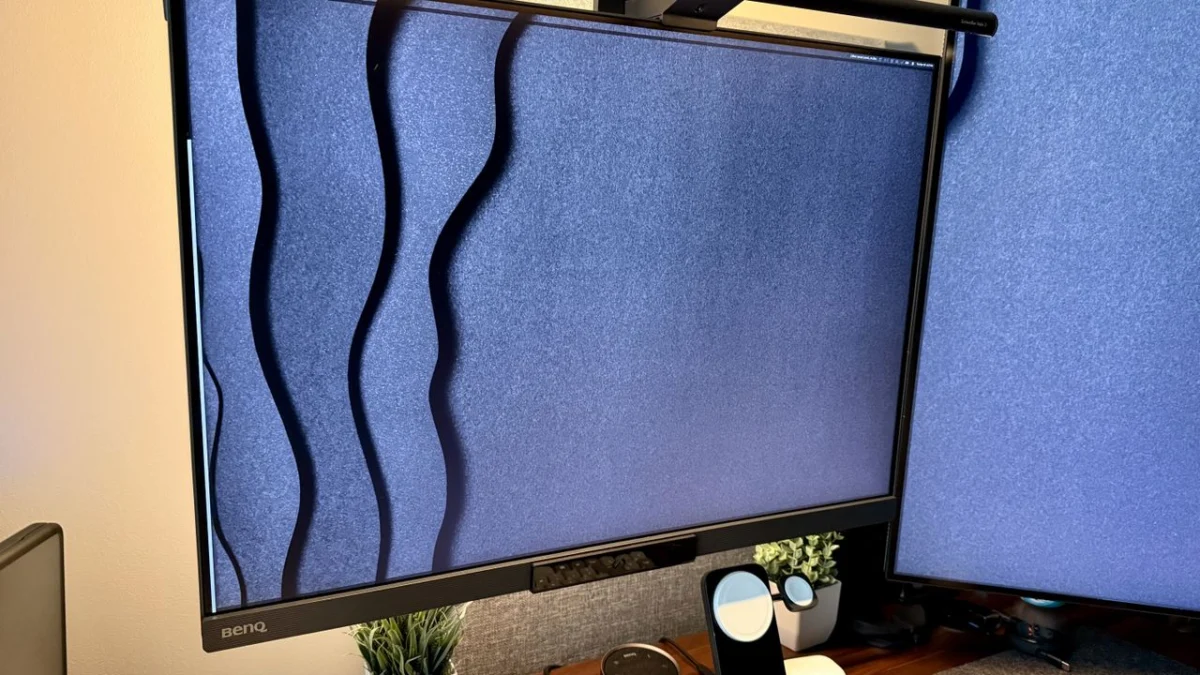
In an era where the ultra-wide monitor has long been hailed as the king of productivity, a new contender is challenging the status quo by looking upward rather than outward. The BenQ RD280UG, a flagship entry in BenQ’s "Rare Design" series, is not merely another display; it is a specialized tool engineered specifically for the rigors of software development and high-level administrative productivity. With a rare 3:2 aspect ratio, a stunning 4K+ resolution, and a suite of developer-centric features, the RD280UG aims to redefine the professional workstation.
Main Facts: Redefining the Developer’s Canvas
The BenQ RD280UG stands out in a crowded market primarily due to its unconventional dimensions. While the industry standard has hovered around 16:9 for decades, BenQ has opted for a 3:2 aspect ratio, providing significantly more vertical real estate. This design choice is paired with a "Nano Matte" panel finish, designed to virtually eliminate glare—a common nemesis for those working in brightly lit office environments.
Key Specifications at a Glance:
- Resolution: 3840 x 2560 (4K+)
- Aspect Ratio: 3:2
- Refresh Rate: 120Hz
- Panel Type: IPS with a 2000:1 contrast ratio
- Color Gamut: 95% P3 coverage
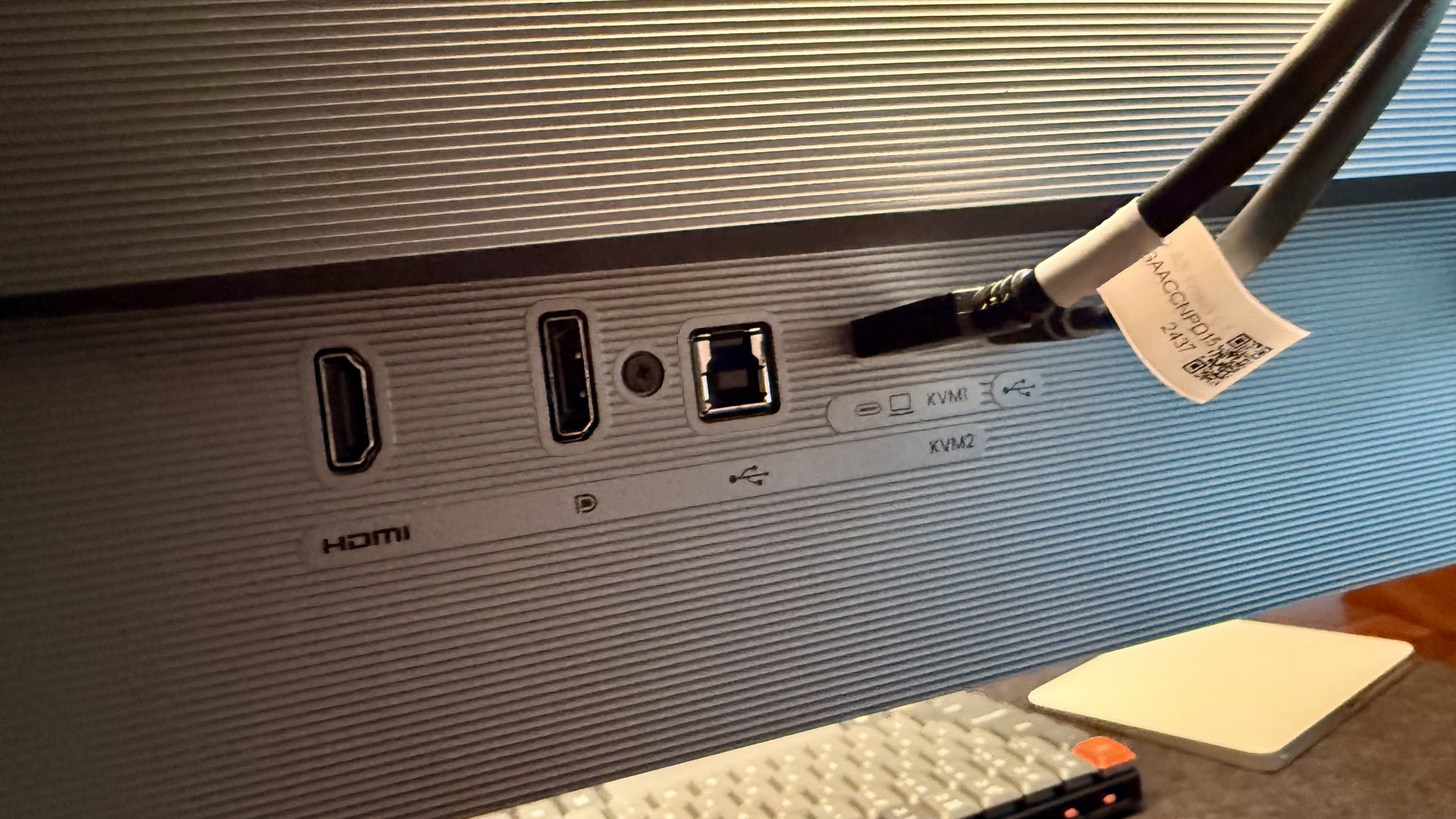
- Connectivity: USB-C (90W Power Delivery), HDMI 2.1, DisplayPort 1.4, built-in KVM switch
- Special Features: MoonHalo integrated bias lighting, Coding Mode, and an ergonomic "chin" for sensor-driven eye care.
The RD280UG is marketed not as a "lifestyle" or "gaming" peripheral, but as a "utility truck"—a reliable, high-performance vehicle for the professional workload. Its 120Hz refresh rate ensures that even the simplest tasks, such as scrolling through thousands of lines of code or navigating complex databases, are executed with a fluidity that reduces ocular fatigue.
Chronology: 128 Days on the Front Lines
To truly understand the value of a specialized monitor, one must move beyond the spec sheet and into the daily grind. This review follows a rigorous 128-day testing period, during which the RD280UG served as the primary display for a high-intensity professional workflow.
Phase 1: The Initial Transition (Days 1–14)
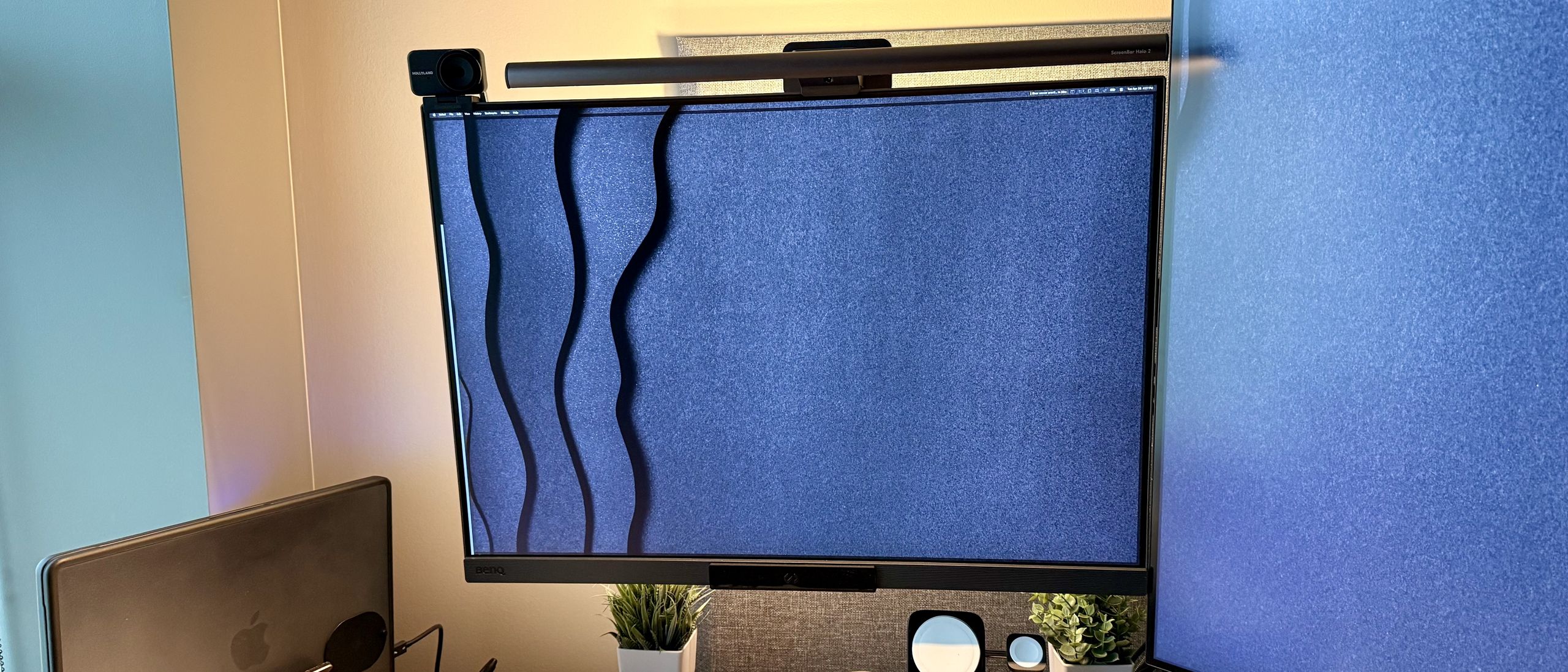
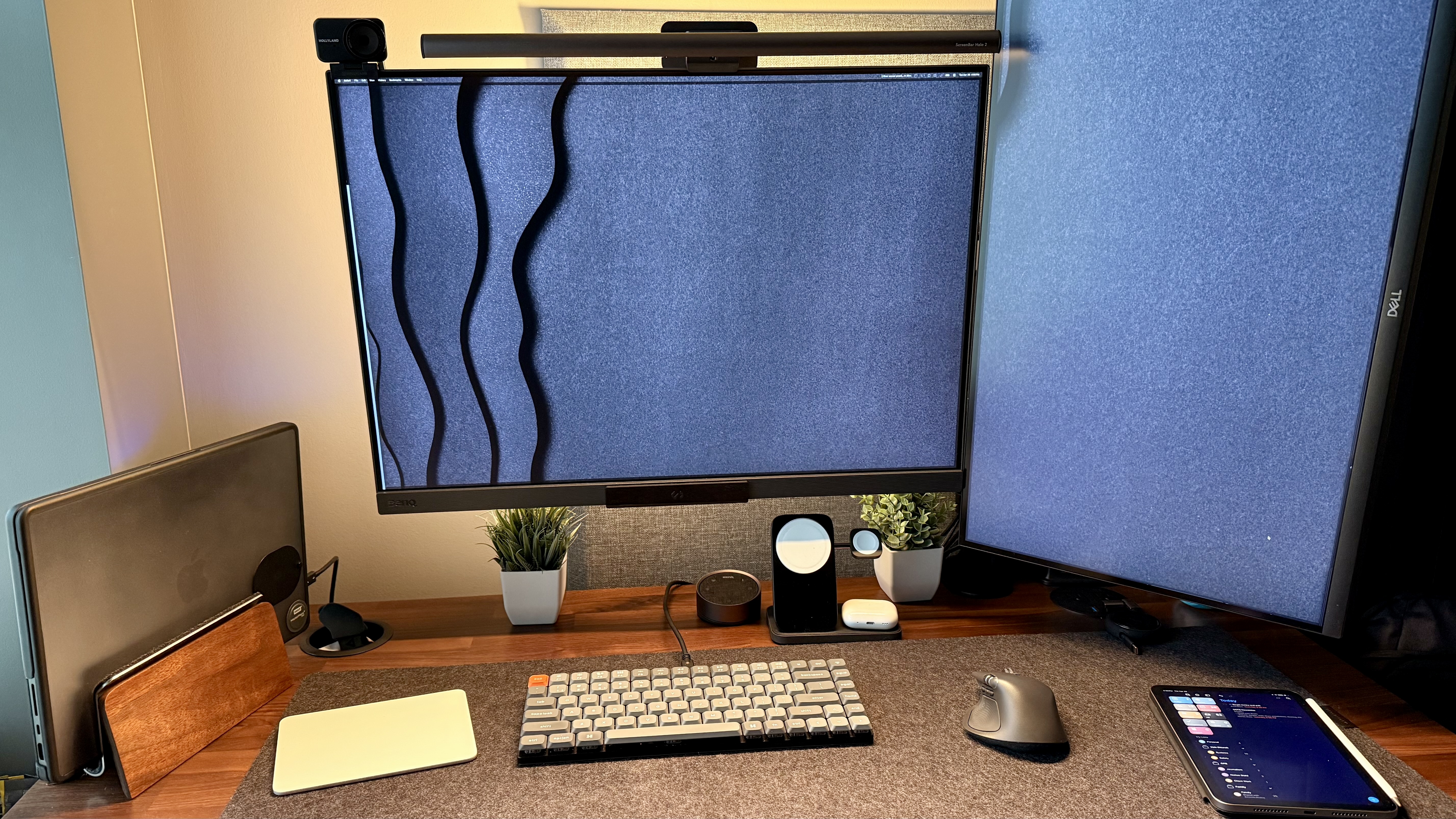
The unboxing experience of the RD280UG follows BenQ’s established professional standard: eco-conscious packaging with a streamlined assembly process. However, the immediate "wow factor" comes from the screen’s height. Upon mounting the display on a standard monitor arm, the user is greeted by a canvas that feels significantly larger than a standard 27-inch 16:9 display, despite a similar horizontal footprint.
During the first two weeks, the primary adjustment involved recalibrating window management. On macOS and Windows alike, the extra vertical space allows for "stacked" toolbars and expanded terminal windows that previously required constant toggling.
Phase 2: The Deep Work Integration (Days 15–90)
Over three months of use—averaging 45+ hours per week—the RD280UG was subjected to a diverse array of tasks, including:
- Web Development: Managing split-screen views of source code and live browser previews.
- Project Management: Handling expansive Gantt charts and multi-column spreadsheets.
- Content Creation: Light photo and video editing, utilizing the P3 color space.
- System Administration: Monitoring church-wide technical systems involving multiple concurrent data streams.
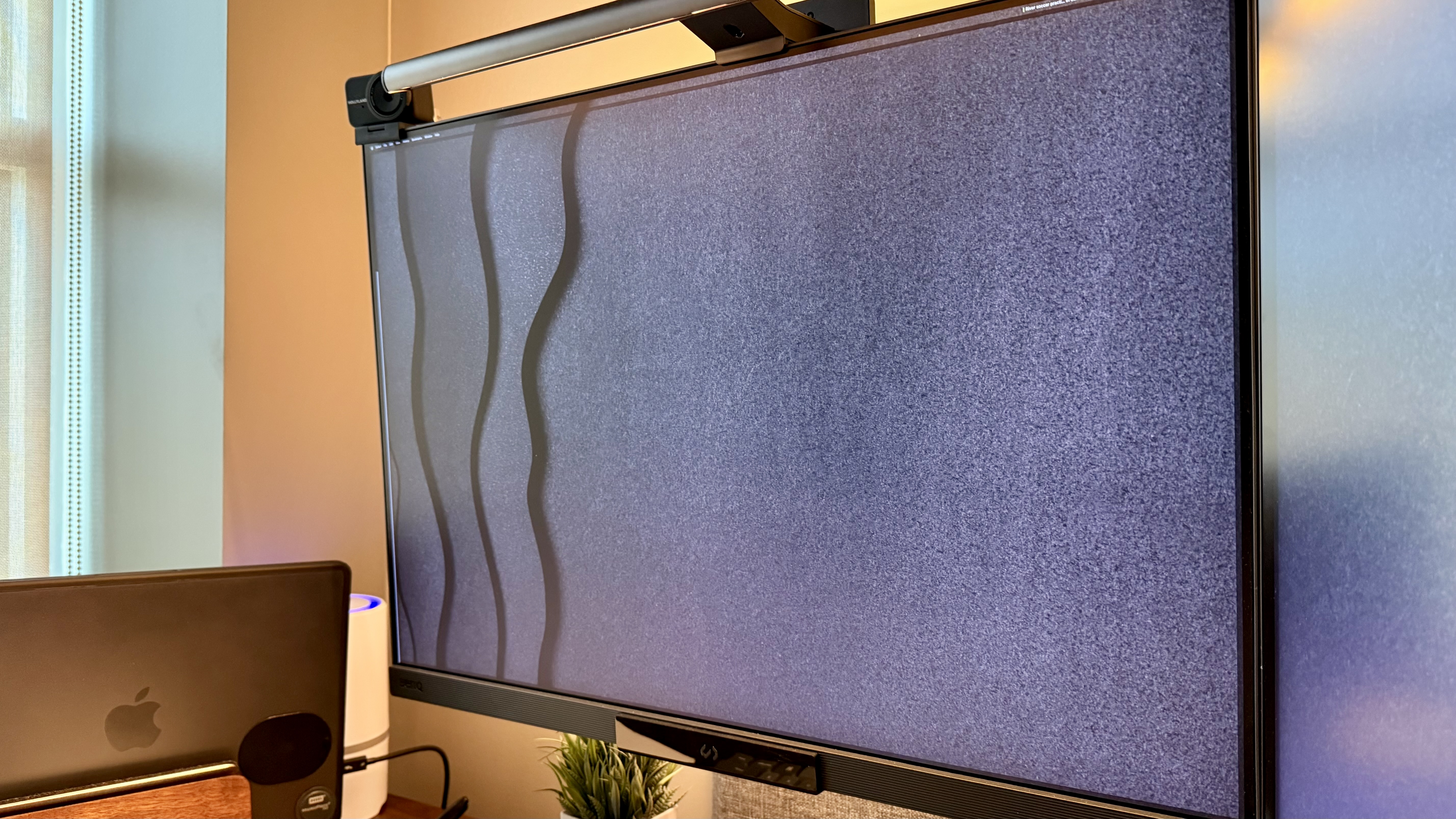
The "Nano Matte" panel proved its worth during this phase. Positioned adjacent to a large window, the display maintained clarity without the distracting reflections that typically plague glossy or semi-matte screens.
Phase 3: Long-Term Reliability (Days 91–128)
As the testing period crossed the 100-day mark, the RD280UG became an invisible part of the workflow—the hallmark of a successful professional tool. The built-in KVM switch allowed for seamless transitions between a primary workstation and a secondary laptop, while the 90W Power Delivery via USB-C ensured that a single cable was all that was needed to maintain a clean, efficient desk setup.
Supporting Data: Technical Excellence and Ergonomics
The RD280UG’s performance is backed by data that positions it at the top of its class for non-gaming monitors.
The 3:2 Advantage
The 3840 x 2560 resolution offers 18.5% more vertical pixels than a standard 4K (3840 x 2160) monitor. For a programmer, this translates to approximately 10–15 additional lines of code visible on the screen at any given time. In the context of long-term projects, this reduction in scrolling translates to a measurable decrease in cognitive load and physical finger fatigue.
Visual Fidelity and Eye Care
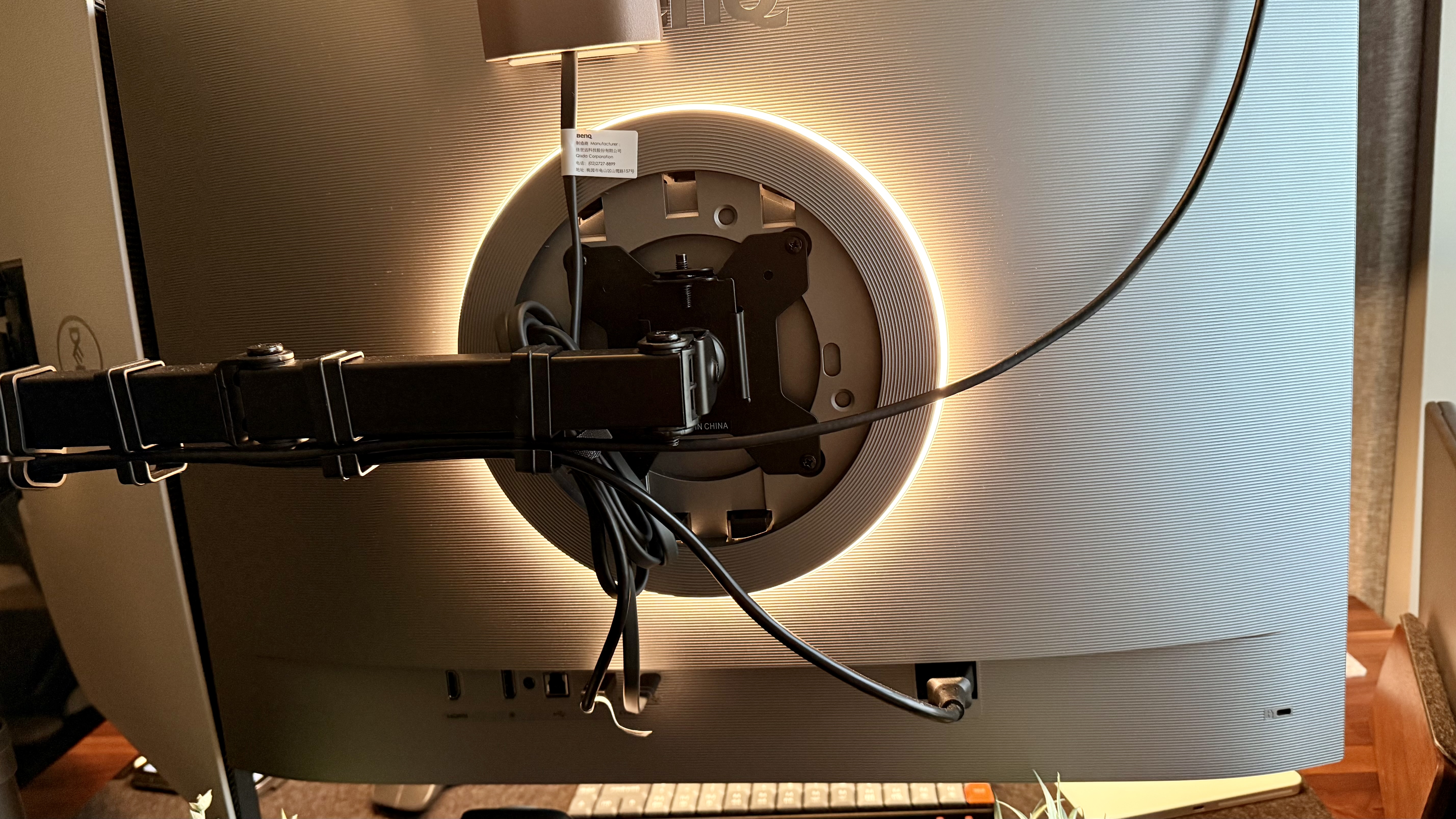
BenQ has integrated a 2000:1 contrast ratio, which is double that of standard IPS panels. This results in deeper blacks and sharper text—critical for developers who spend hours staring at dark-mode IDEs. Furthermore, the MoonHalo bias lighting system on the rear of the monitor provides a diffused glow against the wall. This isn’t merely aesthetic; bias lighting is clinically proven to reduce eye strain by narrowing the contrast gap between the bright screen and the dark room behind it.
Connectivity and Efficiency
The inclusion of an HDMI 2.1 port and a high-bandwidth USB-C port makes the RD280UG future-proof. The 90W power delivery is sufficient to charge even high-performance laptops like the 16-inch MacBook Pro under full load, eliminating the need for a separate power brick.
Official Responses: BenQ’s Vision for the "RD" Series
While BenQ has long dominated the creative market with its "PD" (Design) and "SW" (Photography) lines, the "RD" series represents a strategic pivot toward the developer community. According to BenQ’s design philosophy, the RD280UG was born from the realization that "coding is a unique visual task."
The company’s engineers focused on "Refined Contrast" and "Text Clarity" as the two pillars of the RD series. By implementing a dedicated "Coding Mode," the monitor adjusts saturation and sharpness to make code strings pop, helping developers identify syntax errors more quickly.
Furthermore, BenQ’s commitment to "Eye-Tech" is evident in the RD280UG’s integrated sensors. These sensors detect ambient light levels and adjust the screen’s brightness and color temperature in real-time—a feature that BenQ officials state is designed to align with the user’s natural circadian rhythm during late-night "crunch" sessions.
Implications: The Future of Professional Display Standards
The success of the RD280UG suggests a shift in the market’s trajectory. For years, the "bigger is better" mantra led to the rise of ultra-wide 21:9 and 32:9 monitors. However, the RD280UG makes a compelling case for "taller is better."
The "Verticality" Trend
We are seeing a resurgence in productivity-focused aspect ratios. Following the lead of the Microsoft Surface line and high-end laptops like the Framework, the RD280UG brings the 3:2 ratio to the desktop. This has significant implications for software UI design; as more professionals adopt taller screens, developers may move away from horizontal-heavy layouts in favor of designs that utilize vertical space more efficiently.
Work-from-Home and Hybrid Realities
As hybrid work becomes the standard, the "utility truck" monitor becomes a vital investment. The RD280UG’s built-in KVM and single-cable solution address the need for a versatile home-office setup that can transition from a corporate laptop to a personal creative machine in seconds.
The Death of the "One-Size-Fits-All" Monitor
The RD280UG signals the end of the era where one monitor was expected to serve gamers, designers, and office workers equally. By leaning into niche features like the "MoonHalo" lighting and "Coding Mode," BenQ is proving that specialization is the key to premium market dominance.
Conclusion: A New Standard for the Professional Desk
The BenQ RD280UG is a rare example of a product that exceeds its marketing promises. It is a premium, elegant, and highly functional tool that respects the specific needs of the person behind the keyboard. While its price point and specialized aspect ratio may make it "overkill" for a casual user, for the programmer, the researcher, or the data analyst, it represents a significant upgrade in quality of life.
In the final analysis, the RD280UG does not just show you more of your work; it allows you to work better. By prioritizing vertical space, eye health, and seamless connectivity, BenQ has set a high bar for what a 21st-century productivity monitor should be. For those who live in their IDEs and spreadsheets, the 128-day verdict is clear: it is nearly impossible to go back to 16:9 after experiencing the vertical freedom of the RD280UG.



Leave a Comment