
The XR Landscape in Flux: Hardware Ambitions, Ethical Turmoil, and the Push for Universal Accessibility
The Extended Reality (XR) industry is currently navigating a pivotal transition period characterized by high-stakes hardware maneuvering, significant ethical controversies regarding AI data labeling, and a grassroots movement to democratize high-end spatial content. From the looming reveal of Google’s "Android XR" ecosystem to Valve’s strategic hardware reorganization and the fallout of whistleblower revelations in Kenya, the past week has underscored the volatile yet innovative nature of the spatial computing market.
Main Facts: The Week in Spatial Computing
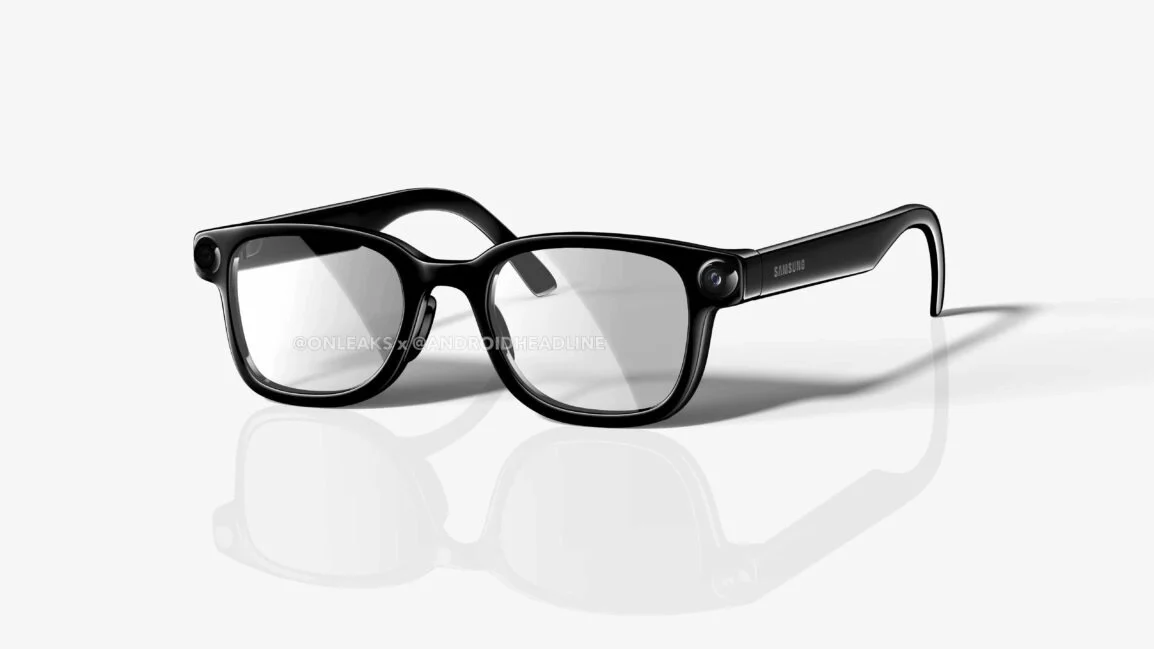
The primary focus of the industry has shifted toward the anticipated collaboration between Google, Samsung, and Qualcomm. Within the next ten days, Google is expected to provide the first substantial details regarding "Android XR," a dedicated operating system designed to compete directly with Apple’s visionOS and Meta’s Horizon OS. This software reveal is expected to coincide with hardware teases, potentially involving Samsung’s long-rumored smart glasses or a partnership with eyewear giant Warby Parker.
Simultaneously, Valve Corporation has signaled a major return to the hardware sector. Following the unexpected resurgence of the Steam Controller, the company has implemented a "first-come, first-served" reservation system to manage high demand. Reports of massive console imports suggest that Valve is stockpiling units for the imminent launch of the "Steam Machine" and "Steam Frame," aiming to solidify its presence in the handheld and living room gaming markets.
However, the industry’s progress is marred by ethical concerns. Meta has officially severed ties with Sama, a content moderation and AI-labeling firm in Kenya, following a whistleblower scandal. The move has resulted in mass layoffs for Kenyan workers who exposed how Meta’s AI glasses sessions were being manually reviewed by human contractors—often involving sensitive or private user imagery—without explicit user awareness.
In the software domain, community-driven projects like "Portal VR Motion" and "OpenXR OSX" are attempting to break down ecosystem barriers, allowing VR-exclusive titles to be played on flat screens and bringing PCVR capabilities to Apple’s Mac hardware, respectively.

Chronology of Events: A Rapidly Moving Timeline
The current momentum in the XR sector can be traced through a series of tactical moves over the last several months, culminating in this week’s developments:
- Early 2024: Rumors began circulating regarding the "Android XR" alliance between Google, Samsung, and Qualcomm, intended to provide an open-ecosystem alternative to Apple’s Vision Pro.
- April 2024: A Swedish investigative report revealed that Meta’s AI glasses were transmitting private user data to human reviewers in Kenya for "quality assurance," sparking an international privacy debate.
- May 4–7, 2024: Valve officially reopened preorders for the Steam Controller. Unlike previous launches plagued by scalpers, the company instituted a one-per-person limit and an email-based finalization process.
- May 8, 2024: Import records surfaced showing Valve bringing significant quantities of "game consoles" into the U.S., fueling speculation about the Steam Frame.
- May 10, 2024: Meta confirmed the termination of its contract with Sama, leading to the dismissal of the whistleblowers and their colleagues in Nairobi.
- Upcoming (Next 10 Days): Google has scheduled "The Android Show" and subsequent developer events where the Android XR SDK and runtime for smart glasses are expected to be unveiled.
Supporting Data: VRChat’s Growth and Hardware Logistics
The health of the XR market is often debated, but recent data suggests robust engagement in specific sectors. VRChat, the leading social VR platform, recently released statistics showing a peak of over 100,000 concurrent users. Most notably, the platform has seen a 30% year-over-year growth in Japan, a market previously considered difficult for Western VR hardware to penetrate. This surge suggests that social VR is becoming a primary driver for hardware adoption in the Asia-Pacific region.
In the hardware supply chain, Valve’s import records indicate a scale of operation not seen since the launch of the Steam Deck. Analysts suggest that the "Steam Machine" and "Steam Frame" (a rumored VR-capable stationary unit or high-end glasses-tethered device) are being produced in quantities meant to avoid the "out of stock" frustrations that characterized the original Steam Controller launch.
Conversely, Apple’s Vision Pro is reportedly facing a cooling period. While Apple has introduced an M5 chip refresh to maintain the product’s lifecycle, sales figures have allegedly fallen below initial internal projections. This has led to a wave of "doomsaying" in the general tech press, despite the device’s technical milestones.
Official Responses and Ethical Disputes
The most contentious story of the week involves the termination of the Meta-Sama partnership.

Meta’s Position: The social media giant stated that Sama failed to meet "operational standards." While Meta did not explicitly cite the whistleblower report as the reason for the contract termination, industry analysts view the move as a strategic warning. By ending the partnership, Meta effectively neutralized the source of the leaks, though it maintains that the manual review process was covered under the "Terms and Conditions" accepted by users.
Sama’s Response: The Kenyan-based firm expressed disagreement with Meta’s assessment, claiming their work quality remained high. Representatives for the fired workers argue that the move is retaliatory, designed to discourage future whistleblowing regarding the "invisible labor" required to train AI models and monitor spatial data.
The Developer Community: Greg Fodor, creator of Portal VR Motion, defended his project against critics who claim that playing VR games on a flat screen "ruins the experience." Fodor argued that accessibility should take precedence, stating that allowing those with motion sickness or physical disabilities to experience titles like Half-Life: Alyx is a net positive for the industry. Similarly, Yannick Comte, the developer behind OpenXR OSX, emphasized that bringing OpenXR to the Mac ecosystem is a necessary step in preventing Apple from creating a "walled garden" that excludes existing PCVR content.
Implications for the Future of Spatial Computing
The events of this week suggest several long-term shifts in the XR and AI landscapes:
1. The Pivot to "Smart Glasses" Over "Immersive VR"
The excitement surrounding Google’s Android XR events suggests that the industry is pivoting toward lightweight, AR-capable glasses rather than bulky VR headsets. By focusing on a software runtime that can power multiple brands (Samsung, Warby Parker, etc.), Google is attempting to recreate the "Android vs. iOS" dynamic in the spatial computing era. If successful, this will commoditize XR hardware, making it as ubiquitous as the smartphone.

2. The Crisis of Data Privacy in AI-Integrated XR
The Meta/Sama scandal highlights a burgeoning crisis: as XR devices become more integrated with AI, they require more real-world data to "learn." This often involves human-in-the-loop (HITL) processing. The fact that sensitive imagery (including financial information and private home life) was reviewed by low-wage workers in developing nations raises massive regulatory questions for the EU’s GDPR and US privacy laws. We can expect more stringent "explicit consent" requirements for AI-assisted spatial devices in the coming years.
3. Valve as a Stabilizing Force in Hardware
Valve’s cautious, logistics-first approach to the Steam Controller and the upcoming Steam Frame suggests they are learning from the mistakes of competitors. By focusing on "Vibe Coding" (as seen in the new Unity AI Beta) and high-quality hardware-software integration, Valve is positioning itself as the "Nintendo of PCVR"—a company that releases hardware only when the ecosystem is ready to support it fully.
4. The Democratization of Content
The rise of tools like Portal VR Motion and OpenXR OSX signals a "bottom-up" rebellion against platform exclusivity. Users are no longer content with being locked into specific hardware to play specific games. This movement will likely force major players like Meta and Sony to reconsider their "exclusive" strategies, as the community proves it can and will port content to unauthorized platforms.
5. The "Japan Factor"
VRChat’s massive growth in Japan indicates that the future of the Metaverse may not be driven by Western productivity apps (like Microsoft Mesh), but by Eastern social and "VTuber" culture. This cultural shift could dictate the design of future avatars and social interfaces, moving away from the legless, corporate avatars of Meta toward more expressive, anime-inspired digital identities.
In conclusion, while the XR industry faces significant headwinds—including ethical lapses and a skeptical general press—the underlying momentum driven by developer innovation and strategic hardware alliances remains strong. The next ten days of Google reveals will likely set the tone for the remainder of 2024, determining whether "Android XR" can provide the open-source foundation the industry desperately needs to challenge Apple’s dominance.




Leave a Comment