
Ungraded: Revolutionizing the Raw Card Market with Groundbreaking 3D Imaging
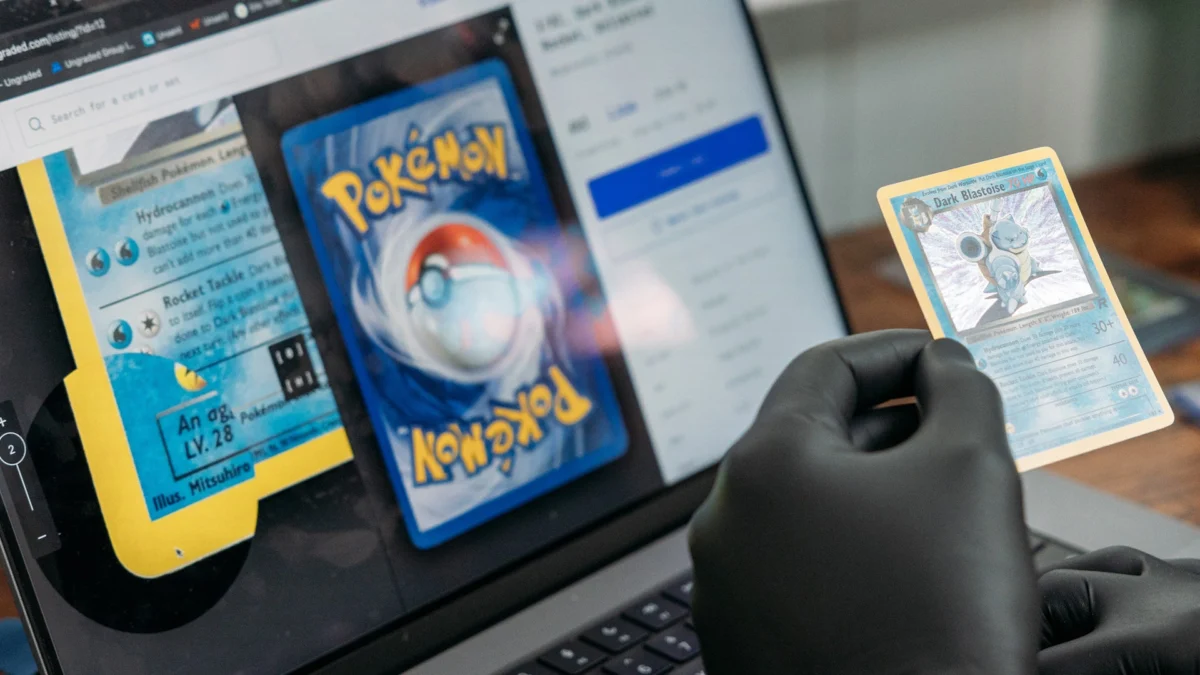
The burgeoning world of trading card games (TCGs) has seen an explosion in popularity and value, transforming childhood hobbies into serious investments. However, the online marketplace for these coveted collectibles, particularly for "raw" or ungraded cards, has long been a minefield for both buyers and sellers. Issues ranging from misrepresentation of condition to outright fraud plague transactions, leaving enthusiasts wary. A new startup, Ungraded, founded by two astute Cornish Pokémon card collectors, is stepping into this challenging arena with a bold promise: to eliminate the guesswork and frustration through a revolutionary 3D imaging technology, setting a new standard for transparency and trust in the uncertified card market.
The core of Ungraded’s proposition lies in its ability to capture hundreds of ultra high-definition photographs of a seller’s card, meticulously stitching them together to create an interactive 3D digital replica. This allows potential buyers to virtually inspect every facet of a card – rotating, zooming, and scrutinizing details down to CMYK print patterns, subtle scuffs, scratches, or crucial centering issues – all from the comfort of their screen. This unprecedented level of digital inspection aims to bridge the critical gap between a blurry eBay photo and the expensive, time-consuming process of professional grading, offering a vital solution for the vast majority of valuable cards that fall outside the "top-dollar" tier.
Navigating the Perilous Waters of Online Card Trading
For years, the online trading card market has been a landscape fraught with risks. While high-value cards, often fetching tens of thousands or even millions of pounds (like the infamous "One Ring" Magic: The Gathering card recently acquired by Post Malone), typically undergo rigorous authentication and encapsulation by established grading companies such as PSA, Beckett, or CGC, the vast majority of desirable cards do not. These "raw" cards, still worth significant sums, are often traded based on limited visual information – a few static, sometimes poorly lit, images provided by sellers on platforms like eBay, TCGPlayer, or social media groups.
The author, speaking from personal experience, highlights the inherent "nightmare" of this process. Buyers frequently encounter scenarios where cards arrive in a condition vastly different from what was advertised, suffer damage during transit, or, in the worst cases, turn out to be counterfeit. This lack of verifiable information and standardized presentation fosters an environment of distrust, leading to disputes, returns, and a general reluctance among collectors to invest in anything less than professionally graded items. This prevailing uncertainty stifles market liquidity and prevents many genuine collectors from realizing the true value of their ungraded treasures.
Ungraded seeks to address this fundamental flaw, focusing squarely on the segment of the market where official grading is either economically unviable or simply unnecessary for a buyer to make an informed decision. By offering a robust, transparent, and standardized method for showcasing raw cards, the platform intends to empower both buyers and sellers, restoring confidence to a crucial segment of the collectibles economy.
A Timeline of Innovation: From Concept to Digital Marketplace
The journey of Ungraded began, as many innovative solutions do, from a personal pain point. The founders, described as "a couple of Cornish Pokémon card collectors," experienced firsthand the frustrations inherent in buying and selling valuable ungraded cards online. Their intimate understanding of the collector’s mindset – the meticulous attention to detail, the desire for authenticity, and the aversion to risk – fueled the initial concept for a more reliable marketplace.
The idea germinated from the recognition that while professional grading offered a solution for the ultra-high-end, there was a vast, underserved market for mid-to-high value raw cards. These cards, often worth hundreds or even a few thousand pounds, were too valuable to risk on a few blurry photos but not always valuable enough to justify the cost, time, and potential risks associated with sending them off for official grading. The founders envisioned a system that could offer a quasi-grading experience without the official score, focusing purely on visual fidelity.
The development phase likely involved significant investment in imaging technology, software engineering, and platform design. Creating a system capable of capturing "hundreds of ultra high-definition photos" and seamlessly rendering them into an interactive 3D model is a complex undertaking, requiring specialized hardware and sophisticated algorithms. The emphasis on discerning minute details like "CMYK print patterns" suggests a deep dive into forensic-level imaging, far beyond standard photography.
Following what must have been an intensive period of research and development, Ungraded is now poised for its public launch. The company has announced a phased rollout, beginning with a series of "auction drops" scheduled from the end of May. These initial auctions will feature a curated selection of cards from popular TCGs, including Pokémon, Yu-Gi-Oh!, and Magic: The Gathering, serving as a live demonstration of their technology and marketplace functionality. The full Ungraded marketplace is then slated for an official launch in July, promising a comprehensive platform for collectors worldwide. This phased approach allows for testing, gathering feedback, and building early momentum and trust within the collector community before the full-scale unveiling.
Deep Dive into the Technology, Market Dynamics, and Fee Structure
The success of Ungraded hinges on three critical pillars: its innovative imaging technology, its ability to address a significant market need, and a transparent, competitive fee structure.
The Groundbreaking 3D Imaging Technology
Ungraded’s "groundbreaking" 3D technology is arguably its most compelling feature. Unlike traditional online listings that rely on static images, Ungraded’s system creates a dynamic, interactive digital twin of each submitted card. This is achieved by capturing a multitude of high-resolution images from various angles and under controlled lighting conditions. These images are then processed using advanced photogrammetry techniques to construct a precise 3D model.
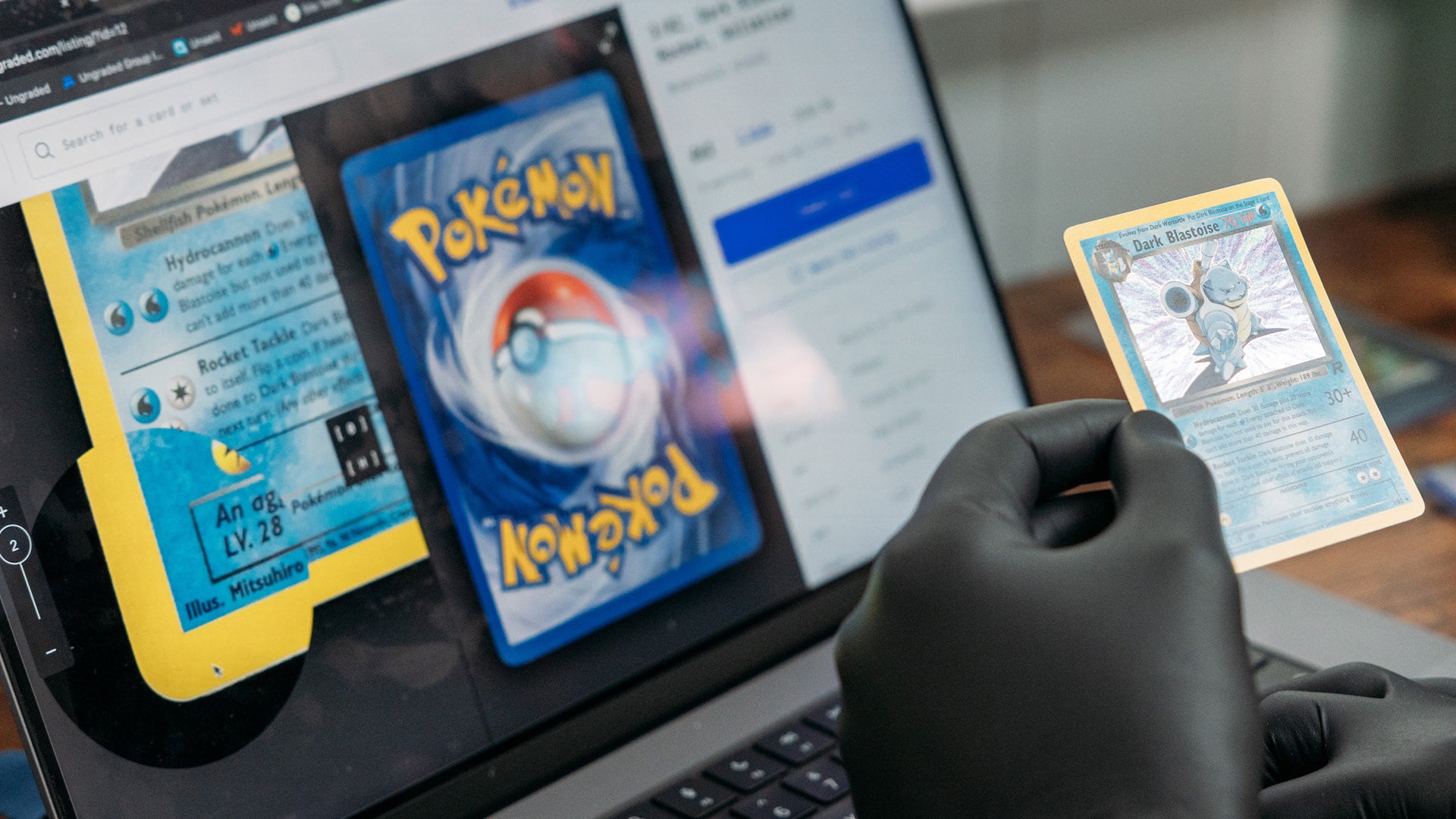
The benefits for buyers are immediate and profound. Instead of guessing a card’s condition from limited perspectives, they can:
- Rotate and zoom: Examine every edge, corner, surface, and holographic pattern.
- Inspect microscopic details: Identify print dots (CMYK patterns), factory defects, or subtle signs of wear that would be invisible in standard photos.
- Assess centering: Crucially important for card value, buyers can accurately gauge how well the artwork is centered on the card.
- Detect surface imperfections: Scratches, indentations, creases, or smudges become plainly visible, allowing for a fully informed assessment.
This level of detail effectively removes the ambiguity that has long plagued the raw card market. For sellers, it means their cards are presented in the best possible light, accurately reflecting their condition, thereby attracting serious buyers and potentially commanding fairer prices. The technology essentially offers a pre-purchase "virtual inspection," minimizing disputes and enhancing buyer confidence significantly. It’s a technological leap that promises to democratize detailed condition assessment, previously reserved for expensive professional grading services.
Addressing a Critical Market Need
The global trading card market is a multi-billion-dollar industry, with segments like Pokémon, Magic: The Gathering, and Yu-Gi-Oh! driving immense trading activity. While the spotlight often shines on the ultra-rare, high-value cards, the vast majority of transactions occur in the mid-tier market – cards worth anywhere from £50 to £5,000. These are the cards that often fall into the "ungraded dilemma": too valuable to sell with a few phone pictures, but not always warranting the £20-£100+ cost, insurance, and waiting time associated with professional grading.
The existing options for trading these cards are suboptimal:
- eBay/Generic Marketplaces: High volume, but plagued by inconsistent listings, unreliable photos, potential for fakes, and a lack of specialized buyer protection for card condition. Sellers often face disputes, while buyers frequently receive cards in worse condition than expected.
- Specialized Card Marketplaces (e.g., TCGPlayer): Better for specific games, but still rely heavily on seller-provided photos, leaving condition assessment largely subjective.
- Social Media Groups: Highly informal, rife with scams, and offering virtually no buyer protection.
Ungraded positions itself to fill this void by offering a specialized, secure, and visually transparent platform. By focusing on "raw" cards, it directly targets the segment most affected by information asymmetry and trust deficits. The ability to verify a card’s condition digitally before purchase transforms the buying experience, reducing buyer’s remorse and increasing the likelihood of successful transactions. For sellers, it removes the burden of taking perfect photos and provides a credible, third-party verified representation of their card’s state, making their listings more attractive and trustworthy.
A Detailed Look at the Fee Structure
Ungraded has outlined a tiered fee structure designed to cover its operational costs, including the advanced imaging process, postage, and insurance, while remaining competitive within the market.
-
Seller Fees:
- Free for cards over £25: This is a significant incentive for sellers, removing a major barrier to listing higher-value raw cards.
- Fixed Price Listings: For cards sold at a fixed price, sellers pay a 15% fee, and no extra buyer fee is attached. This provides an alternative for sellers who prefer a set price over an auction.
- Cards under £25: A minimum fee of £5 applies. The buyer still pays 20% of the card’s value, and the seller pays the difference to reach the £5 minimum. This acknowledges the fixed costs associated with processing even lower-value items.
-
Buyer Fees (for Auction Listings):
- 20% for cards sold up to £250.
- 17.5% for cards sold up to £1,000.
- 15% for cards sold over £1,000.
This tiered structure means buyers of more expensive cards benefit from a lower percentage fee, which could encourage higher bids.
-
Unsold Fee:
- A charge of 1% of the card’s average price is applied every 30 days after the initial 30-day listing period, for any cards that do not sell. This incentivizes sellers to list cards at competitive prices and manage their inventory, preventing the platform from becoming cluttered with stale listings.
-
Included Services:
- Crucially, Ungraded states it will cover costs such as postage and insurance once a card is sold. This is a major value proposition for sellers, simplifying the logistics and mitigating risks associated with shipping valuable items. Sellers merely need to send their cards to Ungraded for imaging and listing, and the platform handles the rest upon sale.
When compared to established platforms, Ungraded’s fees appear to be competitive, especially considering the added value of the 3D imaging and integrated shipping/insurance. For instance, eBay’s final value fees can range from 12-15% for collectibles, often without specific protections for condition disputes and requiring sellers to manage shipping and insurance themselves. Ungraded’s model consolidates these services, potentially offering a more streamlined and secure experience despite potentially higher percentage fees on lower-value items.

The Vision from the Founders: Trust, Transparency, and a Fair Market
While the original article does not provide direct quotes from Ungraded’s founders, it clearly articulates their implied vision and the "lofty promises" they are making to the TCG community. As "Cornish Pokémon card collectors" themselves, their understanding of the market’s pain points is deep and personal.
Their core message revolves around the creation of a marketplace where "trading cards for real money" is possible "without the fuss and frustration of rolling the dice online." This speaks to a desire to instill confidence and integrity back into raw card transactions. They envision a future where the condition of a card, a paramount factor in its value, is no longer a subjective interpretation but an objective, verifiable fact accessible to all parties.
The emphasis on their "groundbreaking 3D technology" being "accurate enough to let customers properly judge a card’s condition" underscores their commitment to transparency. This isn’t just about pretty pictures; it’s about providing forensic-level detail that enables "even being able to view things like CMYK print patterns, as well as any scuffs, scratches or centring." This dedication to microscopic detail is a direct response to the collector’s need for absolute certainty before making a purchase.
Ultimately, the founders’ vision is to build a trusted ecosystem where buyers can be "seemingly assured of its condition before placing a bid, even without seeing it in person." This assurance, backed by sophisticated technology and a streamlined process that covers logistics like postage and insurance, aims to elevate the entire raw card market, making it more accessible, equitable, and secure for a wider audience of collectors.
Implications: Reshaping the Collectibles Landscape
The launch of Ungraded carries significant implications for various stakeholders within the trading card community and the broader collectibles market.
For Buyers: Enhanced Confidence and Informed Decisions
The most immediate benefit for buyers is the drastic reduction in risk. The ability to inspect a card in 3D, down to minute details, means buyers can make purchasing decisions with unprecedented confidence. This could lead to:
- Increased Participation: More collectors, especially those who have been hesitant due to past negative experiences, might re-enter the raw card market.
- Fairer Pricing: With clearer condition assessments, prices are likely to better reflect the true state of a card, potentially reducing instances of overpaying for misrepresented items.
- Reduced Disputes: A transparent inspection process should significantly cut down on post-purchase disputes related to condition, saving time and frustration for both parties.
For Sellers: Streamlined Process and Broader Reach
Sellers stand to gain from a simplified, more effective listing process:
- Effortless Listing: The need to take perfect photos is eliminated; sellers simply send their cards to Ungraded.
- Increased Trust: Listings backed by Ungraded’s 3D imaging will inherently be more trustworthy and appealing to buyers.
- Higher Sale Probability: Better presentation and buyer confidence could lead to faster sales and potentially better prices for well-preserved raw cards.
- Logistical Support: The inclusion of postage and insurance costs covered by Ungraded removes a significant burden and risk for sellers.
For the TCG Market: A New Standard and Potential Growth
Ungraded’s model has the potential to introduce a new industry standard for presenting raw cards online.
- Legitimizing the Mid-Tier: It could formalize and legitimize the trading of mid-value raw cards, which currently operates in a somewhat unregulated grey area.
- Complementing Grading Services: Rather than directly competing, Ungraded could act as a complementary service. Many collectors might use Ungraded to sell cards that don’t quite warrant PSA 10 aspirations but are still valuable, or as a pre-screening step before deciding to send a card for official grading.
- Market Expansion: By fostering greater trust, Ungraded could help expand the overall market for trading cards, attracting new collectors who were previously deterred by the risks.
Challenges and Future Outlook
Despite its ambitious promises, Ungraded will face several challenges:
- Market Adoption: Building trust and convincing a conservative collector base to adopt a new platform will require sustained effort and consistent performance.
- Scalability: The process of imaging "hundreds of ultra high-definition photos" for every single card could be resource-intensive. Scaling this operation to handle a high volume of listings efficiently will be crucial.
- Competition: Established platforms like eBay and TCGPlayer have massive user bases and brand recognition. Ungraded will need to continually demonstrate its unique value proposition.
- Unsold Fees: The 1% unsold fee after 30 days might deter some sellers from listing less liquid or highly speculative cards.
- Pricing Perception: Buyer fees, especially the 20% on lower-value cards, might be perceived as high by some, even with the added value.
The success of Ungraded will ultimately hinge on its ability to consistently deliver on its technological promises, maintain competitive pricing, and effectively build a reputation for reliability and security. If it can overcome these hurdles, Ungraded could indeed revolutionize the way raw trading cards are bought and sold online, bringing much-needed transparency and trust to a vibrant and valuable market. As the summer approaches and Ungraded prepares for its full launch, the collecting world will be watching with keen interest to see if these "lofty promises" translate into a tangible, transformative reality.


Leave a Comment