
From "Accidental" Branding to Unified Vision: The Evolution of the DC Extended Universe
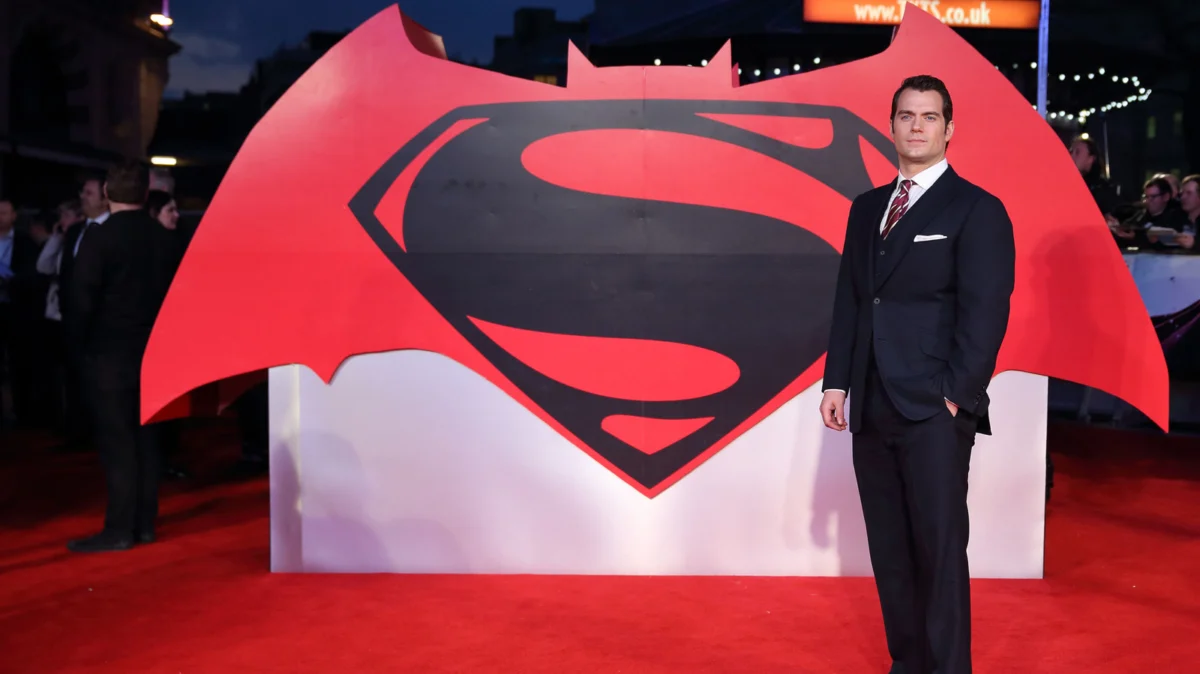
For over a decade, the term "DCEU"—short for the DC Extended Universe—has been the standard nomenclature for the sprawling, often turbulent cinematic world of Superman, Batman, and Wonder Woman. To the average moviegoer, it sounded like a meticulously crafted corporate branding strategy designed to rival the Marvel Cinematic Universe (MCU). However, the reality behind the name is far more haphazard.
As it turns out, the "DC Extended Universe" was never an official designation created by Warner Bros. or DC Entertainment. Instead, it was a journalist’s joke that accidentally became the defining label for a billion-dollar franchise. Today, as the studio transitions into a new era under the leadership of James Gunn and Peter Safran, the story of how the DCEU got its name—and why it is now being retired in favor of the "DCU"—offers a revealing look at the intersection of media influence, fan culture, and corporate branding.
Main Facts: The Accidental Birth of the DCEU
The origin of the "DC Extended Universe" name can be traced back to a specific moment in July 2015. While the franchise had technically begun two years earlier with Zack Snyder’s Man of Steel, it lacked a formal collective title. Unlike Marvel, which had been using "Marvel Cinematic Universe" since its early phases, DC and Warner Bros. were simply referring to their projects as "DC films."
The vacuum was filled by Keith Staskiewicz, a journalist for Entertainment Weekly. In a preview article for Batman v Superman: Dawn of Justice, Staskiewicz wrote:
"Unlike Marvel’s cinematic universe, which has been meticulously mapped out, DC’s approach is a bit more… extended. I’ll call it the DC Extended Universe™."
The inclusion of the trademark symbol (™) was intended as a sarcastic jab at the industry’s obsession with branding and "universe building." Staskiewicz later admitted he had made the name up on the spot, assuming that if the studio didn’t have a name yet, they would eventually land on something similar.
To his surprise—and the eventual confusion of the industry—the name stuck. Fans, bloggers, and even other trade publications adopted "DCEU" as the definitive title. For years, the public operated under the assumption that this was the official brand, while internal documents at Warner Bros. reportedly continued to use terms like "the Justice League universe" or simply "the DC Multiverse."
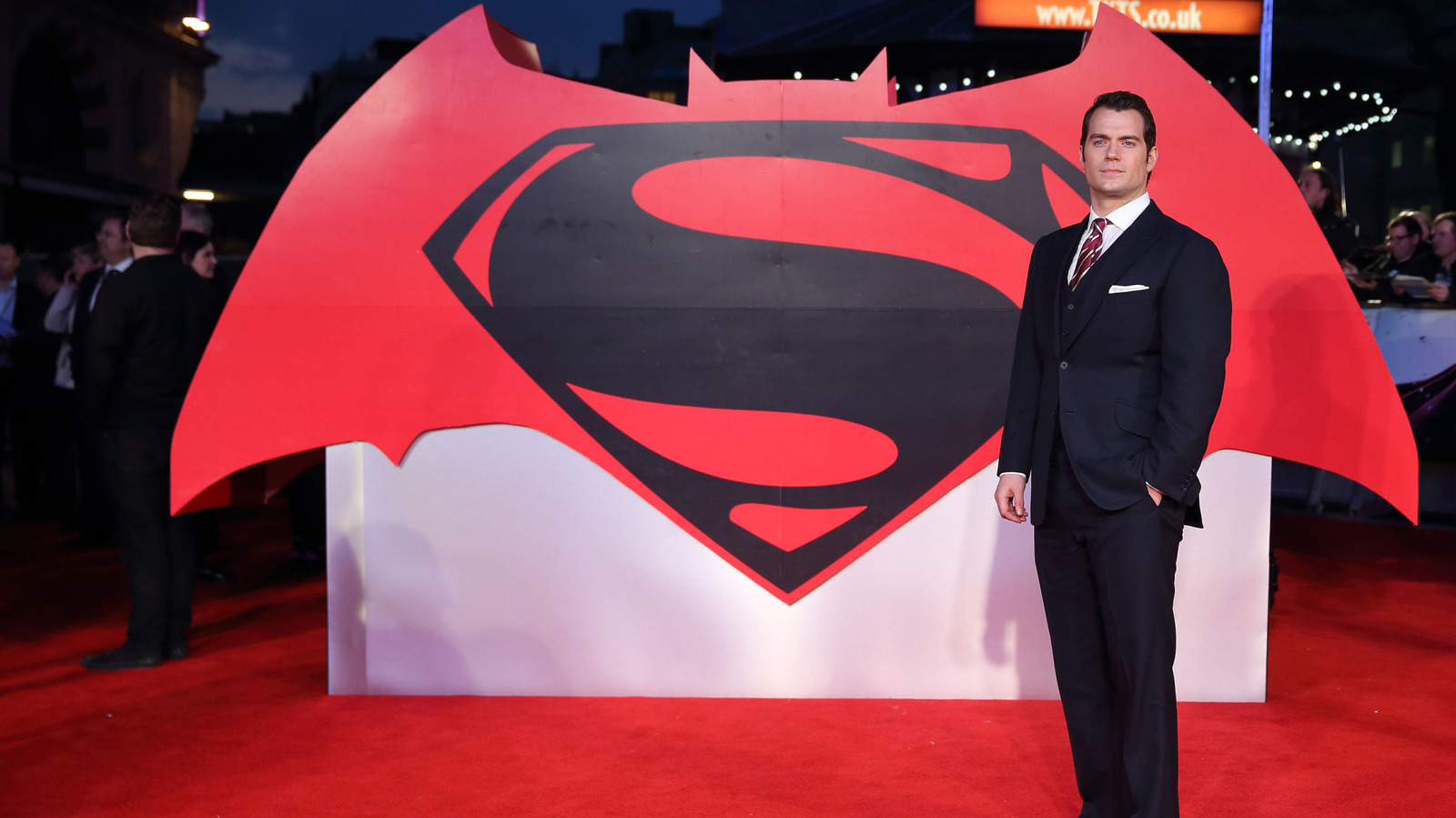
Chronology: A Decade of Identity Crisis (2013–2023)
The history of the DC film franchise is often categorized by its shifting creative directions, but its nomenclature history is equally fragmented.
2013–2015: The Unnamed Era
When Man of Steel debuted in 2013, it was viewed as a standalone reboot of the Superman mythos. It wasn’t until the announcement of a sequel featuring Batman that the idea of a shared universe became concrete. During this period, there was no "DCEU." The films were marketed on the strength of the individual characters rather than a shared brand identity.
2015–2020: The "DCEU" Takes Root
Following the Entertainment Weekly article, the term exploded in popularity. By the time Suicide Squad (2016) and Wonder Woman (2017) were released, "DCEU" was the standard term used by the global press. Despite its ubiquity, Warner Bros. executives remained noticeably silent, never officially confirming the name in press releases or marketing materials.
2020: The Jim Lee "Slip"
The first time a high-ranking DC official used the term publicly was in 2020. During a panel at the Chicago Comic & Entertainment Expo (C2E2), DC Comics Publisher and Chief Creative Officer Jim Lee remarked, "We’re very positive and hopeful for the future of the DC Extended Universe." This was widely seen by fans as a "canonization" of the fan-favorite name, though it remained an outlier in official corporate communications.
2022–2023: The Flash and the End of an Era
As the franchise struggled with inconsistent box office results and behind-the-scenes drama, the "Snyderverse"—a sub-section of the DCEU helmed by director Zack Snyder—became a point of contention among fans. The 2023 film The Flash served as a narrative "reset button," using multiverse mechanics to bridge the gap between the old guard and a new direction. With the release of Aquaman and the Lost Kingdom in late 2023, the era of the accidentally-named DCEU officially drew to a close.
Supporting Data: Why "DCEU" Remained Unofficial
The refusal of Warner Bros. to adopt the "DCEU" name for nearly a decade speaks to the internal complexities of the studio. While the MCU was a centralized project under Kevin Feige at Marvel Studios, DC’s film output was often siloed across different divisions.
- Creative Autonomy: Directors like Todd Phillips (Joker) and Matt Reeves (The Batman) were developing projects that existed outside the shared continuity. Adopting a name like "Extended Universe" for everything could have confused audiences regarding which movies "counted" toward the main storyline.
- Brand Value: In the world of intellectual property, trademarks are everything. Warner Bros. likely hesitated to adopt a name they didn’t create, especially one that started as a journalistic parody.
- Historical Context: DC has a long history of non-superhero adaptations that complicate a "superhero universe" brand. For example, the graphic novel adaptation A History of Violence (2005) was the last major film released on VHS—a DC property that has nothing to do with the Justice League. Keeping the branding vague allowed for a broader range of content.
Official Responses: The James Gunn Rebrand
The ambiguity regarding the franchise’s name finally ended in late 2022. Following the merger of Warner Bros. and Discovery, the newly formed DC Studios was placed under the leadership of James Gunn and Peter Safran.
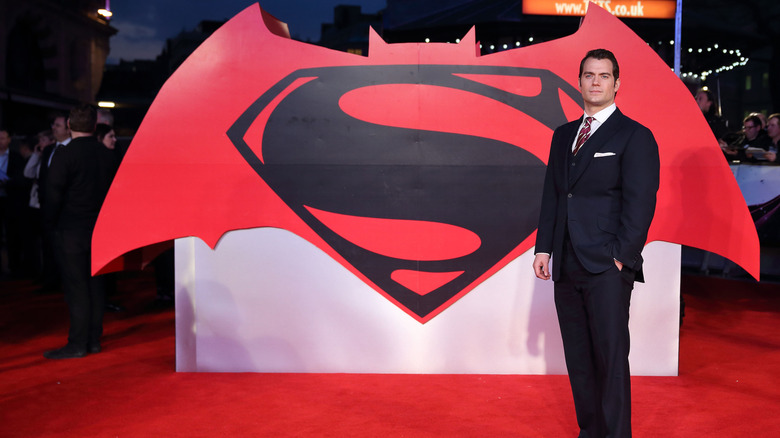
One of Gunn’s first orders of business was to clarify the branding. In a series of social media posts and official press conferences in early 2023, Gunn confirmed that the new, unified continuity would be called the DC Universe (DCU).
In a January 2023 press release, DC Studios stated:
"The DCU exists as a multifaceted ecosystem which will include movies, television series, animation, and gaming, all interconnected under a single creative vision."
Gunn noted that the "Extended" in DCEU felt redundant and suggested a lack of cohesion. By stripping the name down to "DCU," the studio signaled a move toward the same kind of streamlined, top-down management that has made the MCU a global powerhouse. This rebranding officially relegated the "DCEU" to the history books, marking it as a specific ten-year chapter (2013–2023) rather than the permanent name of the franchise.
Implications: What a Unified "DCU" Means for the Future
The transition from the "accidental" DCEU to the "intentional" DCU carries significant implications for investors, creators, and fans alike.
Creative Connectivity
Under the old DCEU, there was often a lack of oversight regarding character consistency. James Gunn has pointed out that, previously, "no one was in charge" of ensuring that a character’s development in a movie matched their appearance in a TV show. The DCU aims to fix this by having Gunn and Safran oversee every script and casting choice, ensuring a "single, unified story."
Casting and Reboots
The most immediate implication of the DCU rebrand is the replacement of established actors. Henry Cavill’s Superman, the cornerstone of the DCEU, has been replaced by David Corenswet for the upcoming 2025 film Superman. This "hard reboot" allows the studio to shed the baggage of the DCEU’s mixed critical reception and start fresh with a new tone.
The "Elseworlds" Strategy
To account for successful projects that don’t fit into the new DCU (like Joker: Folie à Deux or The Batman Part II), DC Studios has introduced the "Elseworlds" label. This allows the studio to maintain a core "DCU" while still producing standalone films that don’t need to adhere to a shared timeline. This is a strategic improvement over the DCEU era, where the lack of clear labeling often left audiences wondering if a film was "canon" or not.
Expanding the Roster
The DCU is already looking beyond the "Big Three" (Superman, Batman, Wonder Woman). Projects featuring lesser-known characters like The Authority, Booster Gold, and even villains like Clayface are currently in development. This suggests a confidence in the brand that was often missing during the reactionary years of the DCEU.
Conclusion
The story of the "DC Extended Universe" is a testament to the power of the media and the unpredictability of fandom. That a multi-billion dollar franchise could be named by a journalist’s throwaway joke—and carry that name for a decade—is a unique anomaly in Hollywood history.
As the sun sets on the DCEU and rises on the DCU, the shift represents more than just a name change. It is an attempt to move from a reactive, disjointed era of filmmaking into a proactive, visionary one. Whether David Corenswet’s Superman can capture the magic that the DCEU often chased but rarely caught remains to be seen, but for the first time in the history of DC films, the architects finally know exactly what to call the world they are building.



Leave a Comment