
The Evolving Landscape of Tabletop Gaming: Navigating Community Dilemmas and Personal Growth
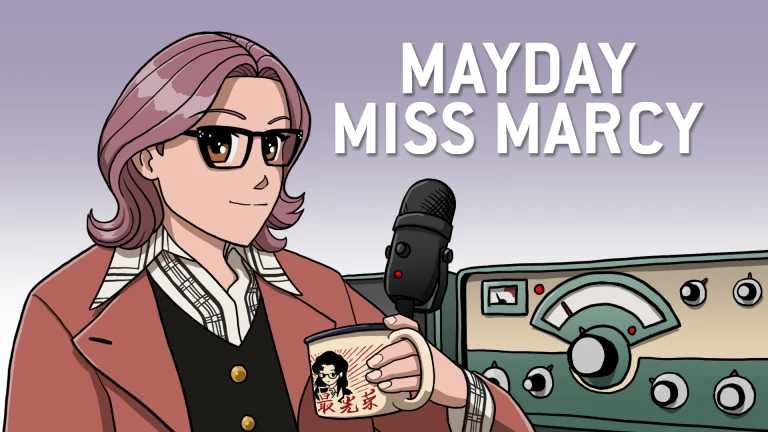
The vibrant world of tabletop gaming, encompassing everything from intricate miniature wargames like Warhammer 40,000 and Age of Sigmar to strategic board games, immersive TTRPGs, and competitive TCGs like Magic: The Gathering, is a rich tapestry of creativity, camaraderie, and occasional challenge. As the community expands and matures, so too do the questions and dilemmas faced by its members. A recurring column, "Mayday, Miss Marcy," serves as a crucial platform for addressing these community-submitted inquiries, offering insights into common hobbyist predicaments. This week, the column delves into three distinct yet interconnected facets of the hobby experience: the practicalities of managing spare components, the psychological resilience required in competitive play, and the subtle nuances of social etiquette in gaming environments. These discussions illuminate not only individual concerns but also broader trends within the tabletop community, highlighting the importance of thoughtful engagement, personal well-being, and inclusive practices.
Navigating the Secondary Market: The Case of Unused Sprues
The accumulation of spare parts, or "sprues," is a near-universal experience for miniature wargamers. Whether due to purchasing multi-kit boxes for specific components, acquiring incomplete sets, or simply having leftover pieces from custom builds, hobbyists often find themselves with a surplus of plastic that, while potentially valuable, may not fit their immediate needs. This presents a common dilemma: how to responsibly and effectively rehome these unused resources without inadvertently undermining local game stores (FLGS) or creating social awkwardness within the community.
The Dilemma of Surplus Components
One recent inquiry highlighted this very issue. A hobbyist, identified as "Doesn’t want to Sprue anything up," found themselves with two out of three sprues for a large Warhammer model, components they had no intention of using. Their goal was to find a new home for these parts, ideally through a trade for more useful "bits" or a direct giveaway to someone who could utilize them for kitbashing or custom projects. The core of their concern revolved around the most accessible venue for such an exchange: the Discord server run by their local FLGS. The individual expressed apprehension that offering "2/3 of a kit" might be perceived negatively by the store, particularly given that the original kit was not purchased from them and the FLGS itself stocks the complete product. This highlights a delicate balance between fostering community interaction and respecting the commercial interests of the businesses that serve as vital hubs for the hobby.
Community Solutions and FLGS Relations
Addressing this concern, community experts suggest a proactive and transparent approach. The primary recommendation is to directly engage with the FLGS Discord moderators or even the store owners themselves. By seeking permission to post an offer for free components, the hobbyist demonstrates respect for the store’s policies and business model. This approach can often lead to positive outcomes, as many FLGS are keen to facilitate community engagement. Indeed, a growing number of stores have recognized the value of dedicated channels for trading or giving away components, often establishing clear guidelines such as items being free of charge, non-shrinkwrapped, or incomplete kits. This avoids direct competition with new product sales while simultaneously enhancing the value proposition of the FLGS as a comprehensive community resource.
The distinction between offering incomplete, unwanted parts for free and attempting to conduct "under the table" sales of new or complete products is crucial. In the former scenario, the hobbyist is not undercutting the store’s sales but rather fostering a circular economy within the hobby that benefits other players. As one expert noted, "If they have no way of rehoming it themselves for Store Credit or something, I don’t see why they would be unhappy with their customers engaging in trading or otherwise." The origin of the kit is generally deemed irrelevant; what matters is the intent to facilitate community exchange rather than commercial disruption. Should an FLGS prove unsupportive of such free exchanges, it might signal a business model less focused on community building and more solely on retail transactions, prompting hobbyists to consider alternative avenues like local Facebook groups or direct messages within existing player groups.
Broader Implications for Hobby Sustainability
The efficient management of spare sprues carries broader implications for the tabletop hobby. Environmentally, rehoming unused plastic reduces waste, aligning with growing ecological awareness. Economically, a thriving secondary market for bits and components allows hobbyists to acquire specific parts without purchasing entire kits, fostering creativity and making the hobby more accessible. Furthermore, the willingness of FLGS to facilitate such exchanges reinforces their role as essential community hubs, places where players not only buy products but also connect, trade, and build the social fabric of the hobby. A store that actively supports its community’s informal exchanges often cultivates greater loyalty and a more vibrant customer base than one that views every non-retail transaction with suspicion. This symbiotic relationship between commerce and community is fundamental to the long-term health and growth of the tabletop gaming scene.
The Psychological Toll of Competition: Managing "Tilt" in Tabletop Leagues
Competitive play is a cornerstone of many tabletop games, offering thrilling challenges, strategic depth, and opportunities for skill development. However, the pursuit of victory can also bring intense emotional highs and lows, with consistent defeat sometimes leading to frustration, self-doubt, and the dreaded "tilt." Understanding and managing these psychological aspects is crucial for maintaining both personal enjoyment and positive sportsmanship.
A Gamer’s Journey Through Defeat
A poignant submission from "Dead Sea Rolls" illustrates the emotional rollercoaster of competitive gaming. This individual recounted their experience in a Kill Team league, where despite improving their understanding of the game and largely enjoying their matches, they consistently faced defeat. Losses ranged from narrow margins to overwhelming routs, often compounded by factors beyond their direct control: superior opponent strategies, unfavorable terrain layouts, or unfortunate dice rolls. Initially, the player maintained good humor and a learning mindset, focusing on improving their play.
However, the cumulative effect of continuous losses began to manifest in their final game. Faced with a strong opponent and an "official map layout that even [their] opponent remarked on how terrible it was for [them]," the frustration escalated. The player described feeling "salty" for the first time, visibly seething, going quiet, and making more misplays and bad rolls as their frustration mounted. This chronological progression from hopeful engagement to palpable emotional distress highlights how a series of negative outcomes can erode mental resilience, even in otherwise good-natured players. The player’s self-awareness of their emotional state and their fear of "seeming like I’m having a meltdown" (especially as an autistic individual) underscores the significant internal struggle involved in managing competitive pressure.
Understanding and Mitigating Competitive Frustration
This scenario offers a valuable case study in competitive psychology. Experts in sports and gaming psychology often refer to "tilt" as a state of mental or emotional confusion or frustration in which a player adopts a suboptimal strategy, typically resulting in a worse performance. The "Dead Sea Rolls" experience aligns perfectly with this, where external factors (unfavorable setup, strong opponent) combined with internal frustration led to a cascade of misplays and worsened outcomes. The realization that the league "was rigged from the start" in terms of continuous unfavorable outcomes served as a critical turning point, signaling to the player that their efforts might be futile.
Strategies for mitigating competitive frustration often draw from principles of cognitive behavioral therapy and sports psychology. These include:
- Compartmentalization: Focusing on specific, actionable improvements for the next turn or game rather than dwelling on past mistakes or overall league standing.
- Reframing Perspective: Shifting focus from "winning" to "learning" or "enjoying the process," especially when faced with overwhelming odds.
- Acknowledging External Factors: Recognizing when losses are due to factors beyond one’s control (e.g., dice luck, terrain generation) can prevent self-blame.
- Self-Care and Breaks: While the player feared taking a breather would appear rude, strategic breaks can be vital for resetting one’s mental state. Brief walks, hydration, or a moment of quiet reflection can prevent minor frustrations from spiraling.
- Post-Game Analysis: Reflecting on the game not just for what went wrong, but what could have gone differently, and what was learned, irrespective of the outcome.
The column emphasizes that a player worrying about being a "bad sport" is rarely one. True negative behavior stems from consistent misery regardless of outcomes, not from a single instance of frustration in an objectively challenging situation. The empathy shown by the opponent further validates that the "Dead Sea Rolls" handled a tough situation with commendable grace.
Fostering a Healthier Competitive Environment
The implications of this discussion extend to the broader competitive gaming community. League organizers have a role to play in fostering environments that minimize sources of frustration, such as ensuring varied and balanced terrain setups, and offering different league formats (e.g., casual vs. highly competitive). For players, cultivating a culture of empathy and understanding is key. Recognizing that opponents, like "Dead Sea Rolls," may be battling internal frustrations or external disadvantages can foster more supportive interactions. Ultimately, while competitive play will always have its challenges, a focus on personal resilience, strategic coping mechanisms, and community support can transform potentially negative experiences into opportunities for growth and continued engagement with the hobby.
Decoding Dress Codes: Casual Attire in Gaming Spaces
Beyond the tactical decisions and component management, the social dynamics of tabletop gaming communities also encompass subtle aspects like dress code. While most gaming spaces are inherently informal, questions occasionally arise about appropriate attire, particularly as hobbyists mature and social norms evolve. This highlights a desire for clarity on unwritten rules and expectations within these often-casual environments.
The Graphic Tee Conundrum
The inquiry from "Dressed to distress" perfectly encapsulates this common, albeit often unspoken, concern. A gamer in their early 30s, primarily wearing graphic t-shirts and jeans or shorts to game nights, questioned whether they "should be dressing better." This query was notably sparked by a previous column discussing a more egregious case involving a player with a Hawaiian shirt and "naked girl markers," immediately establishing a baseline of what is generally not acceptable. The crucial distinction in "Dressed to distress’" situation is their explicit declaration: "I am not looking to date, nor am I looking to win any sorts of fashion awards." Their primary concern, therefore, is personal comfort and whether their current attire is socially acceptable within the gaming context, without aspiring to a higher fashion standard.
Community Norms vs. Personal Style
The prevailing consensus within most tabletop gaming communities leans heavily towards comfort and practicality. The expert advice unequivocally supports the idea that for a casual gaming night, a graphic tee and jeans are perfectly acceptable, regardless of age. The core criteria for appropriate attire are surprisingly simple and universally applicable:
- Cleanliness: Clothes should be clean and free from foul odors. This is a fundamental aspect of basic hygiene and respect for shared spaces.
- Fit: Attire should fit comfortably, avoiding anything that is overly revealing or appears on the verge of tearing. This ensures personal comfort and avoids unintended exposure or awkwardness.
- Appropriateness of Imagery: While graphic tees are fine, their content matters. Offensive, explicit, or highly controversial imagery can make others uncomfortable and detract from the inclusive atmosphere of a gaming space. As the column notes, "A Uniqlo anime t-shirt or a Hot Topic graphic tee of Helluva Boss is fine, no one cares." The problem with the previous "Hawaiian shirt guy" wasn’t the shirt itself, but the "everything else" – implying that offensive markers were the issue, not the casual top.
The notion that a gamer in their 30s needs to "dress better" for game night is largely dismissed as an unnecessary societal pressure. Age, in this context, has little bearing on the appropriateness of casual attire. The emphasis is on personal comfort and respect for fellow hobbyists through basic hygiene and non-offensive clothing choices, rather than adhering to external fashion expectations. The "official response" from the community, though unwritten, largely dictates that if one is comfortable, clean, and not causing offense, their attire is suitable.
The Broader Social Implications of Inclusivity
The discussion around dress codes, however seemingly trivial, touches upon deeper social implications for inclusivity within the hobby. Overly strict or unspoken sartorial expectations can inadvertently create barriers to entry or make individuals feel unwelcome. A community that prioritizes personal comfort and basic respect over superficial appearances is inherently more welcoming and diverse. The focus should remain on the shared passion for games and the quality of interaction, rather than on external markers of "fashion." By affirming that a graphic tee and jeans are perfectly acceptable, the column reinforces a key tenet of many hobby spaces: come as you are, be respectful, and enjoy the game. This approach fosters an environment where players feel secure and free to express themselves, rather than being preoccupied with perceived social judgments. Ultimately, the emphasis on "don’t smell, don’t look gross, and you’re fine" distills the core social contract for casual public gatherings into its most essential and inclusive elements.
Cultivating a Vibrant and Supportive Hobby Community
The inquiries addressed this week by "Mayday, Miss Marcy" collectively paint a comprehensive picture of the modern tabletop gaming experience. From the practicalities of managing hobby resources and navigating local business relationships, to the profound psychological demands of competitive play and the subtle nuances of social etiquette, these questions underscore the multifaceted nature of community engagement. They highlight that while the core appeal of tabletop games lies in their immersive worlds and strategic challenges, the enduring strength of the hobby is equally rooted in the health, inclusivity, and supportive nature of its communities.
The solutions offered, whether advising transparent communication with FLGS about spare parts, advocating for psychological resilience in the face of competitive setbacks, or affirming personal comfort in dress, consistently emphasize principles of respect, self-awareness, and constructive interaction. As the tabletop gaming landscape continues to evolve, platforms for open dialogue and shared advice remain invaluable. By addressing these common dilemmas with empathy and practical guidance, the community not only resolves individual concerns but also strengthens the collective bonds that make tabletop gaming a truly enriching and enduring pastime.




Leave a Comment