
Unearthing the Unseen: A Journey Through Memory, Resilience, and the Art of Visual Storytelling
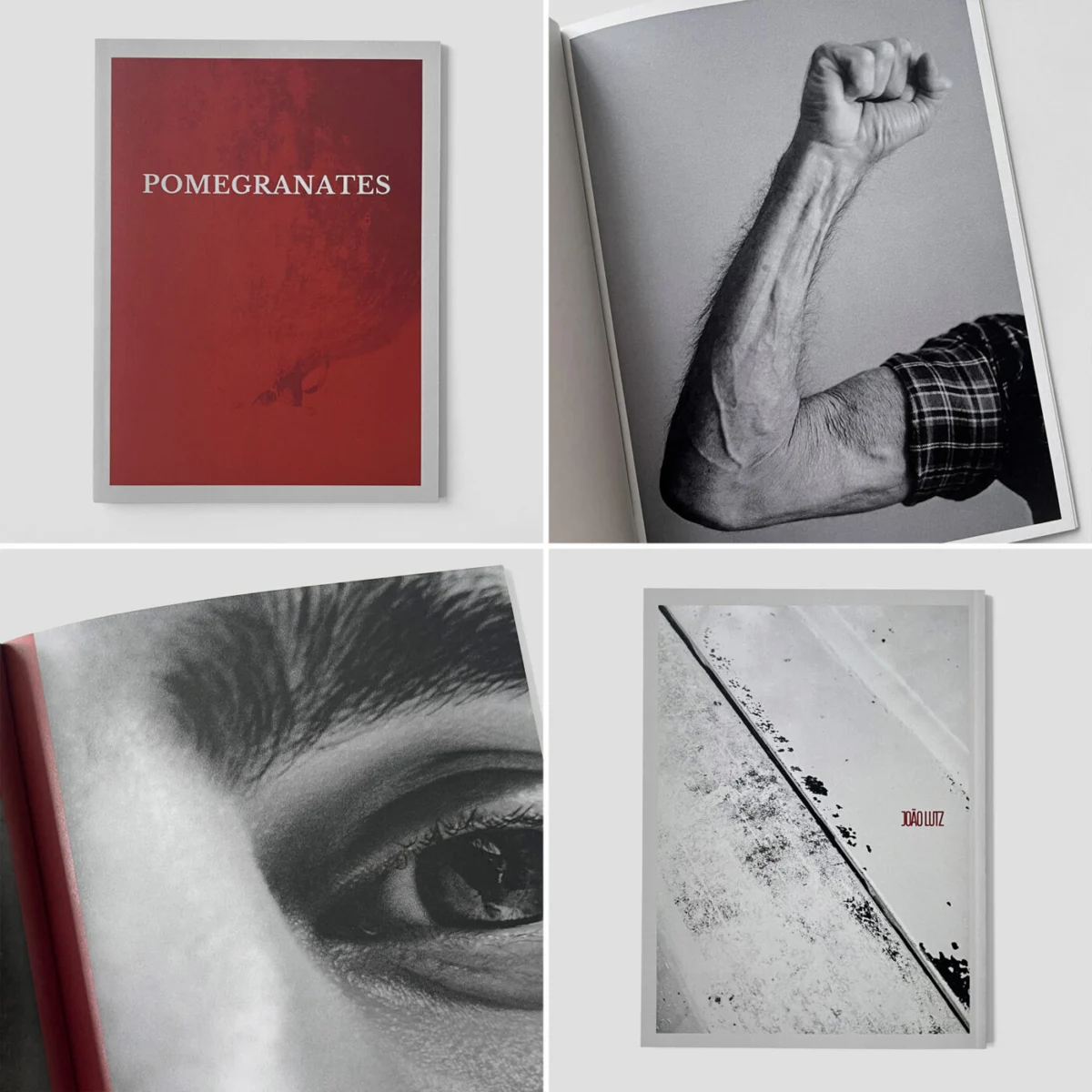
In a world saturated with fleeting images and curated narratives, the art of photography offers a unique lens through which to process the complexities of human experience. For one emerging artist, this exploration has become a deeply personal and transformative journey, culminating in a powerful visual project that grapples with the often-unseen landscapes of childhood memory. Through a series of candid reflections, this artist unveils the profound impact of pivotal life moments, the guiding forces of contemporary inspiration, and the inherent dichotomy between instinct and intention in the creative process. This article delves into the heart of their work, exploring the genesis of their artistic vision, the challenges they have overcome, and the enduring hope they hold for connection and understanding.
The Architectures of Self: Shaping Moments and Enduring Influences
The question of what molds an individual is as ancient as introspection itself. For our featured artist, pinpointing just three defining moments proves a delicate dance between brevity and comprehensiveness. "Three is a number that definitely sounds like too little when it comes to moments that made me who I am today, but also definitely sound like too many to be able to get a grasp on," they reflect, underscoring the intricate tapestry of experiences that contribute to identity.
The first formative influence traces back to the elongated journeys of their youth. Growing up on a farm situated far from urban centers, these extensive 10-12 hour car trips became crucibles of contemplation. "These trips were very contemplative," they recall. "My parents have always engaged in imaginative talks about everything. This definitely gave me passion for exploring my imagination." This early exposure to boundless conversation and creative exploration, nurtured within the confines of a moving vehicle, laid the groundwork for a mind attuned to the power of narrative and the boundless potential of the mind’s eye. The long stretches of time, unburdened by the immediate demands of a bustling environment, fostered a deep internal dialogue and an appreciation for the power of imaginative discourse, planting the seeds of a future visual storyteller.
The second pivotal moment, though only recently brought to the forefront of their consciousness, is described as "the life moment described in the book." This experience, shrouded in the complexities of the past, has profoundly shaped their present. "I now see how it shaped my urge for making visual memories, the way I relate to others, how I deal with intimacy, and where many of my fears come from," they explain, acknowledging the transformative, albeit challenging, nature of this revelation. The process of confronting and integrating these deeply personal memories has become an ongoing source of learning and self-discovery. This retrospective understanding illuminates how past experiences, even those buried or suppressed, continue to inform our present-day interactions, emotional landscapes, and the very fabric of our being. The artist’s willingness to confront these difficult truths, and to see the "good things" that have emerged from them, speaks volumes about their resilience and their commitment to personal growth.
The third significant influence stems from the profound impact of shared experiences. "Important talks that I had with people who have been through something similar to what I’ve been through," the artist states, highlighting the power of solidarity and mutual understanding. The realization that one is not alone in navigating life’s most challenging terrains can be an immense source of strength. Hearing from others who are also "learning how to navigate places with not much light shining on them, learning to trust themselves and the unknown," has been "so encouraging." This connection, forged through shared vulnerability and the collective pursuit of self-trust, has fundamentally altered their sense of isolation. The act of confiding in and learning from those who have traversed similar paths offers a powerful antidote to loneliness and a catalyst for deeper personal resolve.
Navigating the Present: Inspiration Amidst Disruption
The landscape of inspiration is rarely static, and for this artist, recent events have dramatically reshaped their perspective. A significant upheaval occurred with the loss of their U.S. visa status, necessitating their departure from the country within a stringent 20-day timeframe. Currently residing back in Brazil, this period has been marked by both challenge and refreshment. "Being here has been challenging but also refreshing," they admit. "So much has changed me in my past 3 years living in the U.S. and I’m very grateful for that. This has definitely allowed me to see home differently." This enforced return to familiar surroundings, viewed through the prism of their experiences abroad, has ignited a new appreciation for their origins and a re-evaluation of their place in the world.
This period of transition has also led to a deliberate shift in their creative focus. "Lately I have been focusing a lot on photographing with the intent of making memories only," they reveal. There is a palpable sense of nostalgia and an acute awareness of the ephemeral nature of everyday life. The artist finds themselves contemplating the future significance of seemingly ordinary images. "I have been feeling nostalgic about photo albums and how an ordinary photo of the apartment I live today will mean so much to me a few years from now." This conscious effort to capture the present with an eye towards its future archival value underscores a deep-seated desire to preserve the fleeting moments that constitute a life, imbuing the mundane with the potential for profound future resonance.
The Creative Impulse: Instinct Over Intentionality
When delving into the creative process, the artist identifies a strong leaning towards instinct. "100% instinctual," they declare when asked about their approach. "It usually comes to me in a hyper-focus burst. I get into my creative cave and deep dive with no real sense of direction of destination point usually." This description paints a vivid picture of an artist fully immersed in the intuitive flow of creation, driven by an internal impetus that bypasses conscious planning. The "creative cave" metaphor suggests a space of intense focus and absorption, where the external world fades and the internal creative impulse takes precedence.
However, this instinctual approach is not without its acknowledged limitations. "I do feel, however, like I should be more intentional about it and its really something I wanna work on more," they confide. This self-awareness reveals a desire to temper the raw energy of instinct with a more deliberate and structured approach. The aspiration to cultivate greater intentionality suggests a recognition of the potential benefits of strategic planning, conscious decision-making, and a more directed artistic vision. This ongoing negotiation between spontaneous creation and considered execution is a hallmark of many evolving artists, reflecting a commitment to both unfettered expression and refined craft.
Photography as a Vehicle for Healing: Confronting Difficult Memories
The artist’s current project delves into the challenging terrain of childhood memories, making photography the chosen medium for exploration and processing. The inherent difficulty in accessing and trusting these recollections is central to their artistic endeavor. "As I speak about in my project, one of the hardest parts of accepting the experience is not having many visual memories from it," they explain. This lack of visual documentation creates a significant hurdle, particularly for someone who identifies as "a visually oriented person." The absence of concrete images makes it challenging to validate and internalize their own experiences.
Photography, in this context, becomes more than just an art form; it becomes a therapeutic tool. "I think that photography naturally came as not only fitting, but necessary for me to go through this process and fill in the missing parts of my story," they articulate. The act of creating images, even of abstract feelings or fragmented recollections, serves to bridge the gaps in their memory. It is a means of externalizing internal states and reconstructing a narrative that has been fractured. "In a way, being able to bring photography to this has been my way of seeing what I can’t remember," they conclude, powerfully encapsulating the transformative potential of their chosen medium. Photography becomes a surrogate for memory, a visual language that allows them to articulate and come to terms with experiences that might otherwise remain inaccessible.
The Architecture of Narrative: Embracing Non-Linearity
The structure of the artist’s book mirrors the fragmented and often non-linear nature of memory itself. This deliberate choice emerged organically from their creative process. "I wrote the book as I wrote in my journal. It follows the exact order that my memories came to me," they reveal. This intimate connection between the written word and the flow of recollection highlights a deeply personal and authentic approach to storytelling. The book is not a constructed narrative in the traditional sense, but rather a direct transcription of the artist’s internal landscape as it unfolded.
The process of accepting and believing in this raw, unedited outpouring of memory was itself a significant challenge. "It took me a while to accept and believe in it. Even more to have the courage to believe that what I feel is real," they admit. This vulnerability underscores the profound personal investment in the project. Unlike previous endeavors where a more detached, third-person perspective was employed for organization and narrative coherence, this project demanded a different approach. "But I have that when it comes to sequencing and organizing the created material. This has definitely been the most instinctual project I’ve done so far." The artist found it difficult to step back and impose an external structure onto something that still felt so deeply embedded within them. "It still lives in me too strongly and I think will forever," they state, emphasizing the enduring and profound impact of these memories on their identity. This embrace of non-linearity, therefore, is not merely an artistic choice but a fundamental reflection of the nature of their subject matter and the deeply personal journey of its exploration.
The Resonance of Connection: Beyond Pity and Towards Understanding
When contemplating the desired impact of their book on its readers, the artist expresses a nuanced perspective, eschewing any aspiration for pity. "That’s a question I don’t have an answer to. I know that I struggle with imagining people feeling sorry or pity for me. That’s not really the point of it." The act of exposing such personal vulnerabilities is a deliberate challenge, and the artist recognizes that dwelling in the role of a victim can be counterproductive. "Exposing myself like this has been a real challenge because feeling like the victim has been more of an anchor than something that allows me to feel good or move on."
Instead, the artist hopes for a different kind of connection, one rooted in empathy and recognition. "I think I’d like to have people just see this as a personal challenge on trusting memories that are hard to be trusted by the mind but feel true to the heart." This sentiment speaks to a universal human experience: the tension between rational doubt and the visceral truth of our emotions. The book, in this light, becomes an invitation for readers to engage with their own internal landscapes, to acknowledge the validity of feelings that may defy logical explanation, and to find common ground in the complex nature of memory and self-perception. The ultimate aim is not to elicit sympathy, but to foster a deeper understanding of the human capacity to navigate difficult truths and to find strength in their personal journeys.
The Guiding Voice: Trusting the Inner Compass
The power of well-placed advice can be a profound catalyst for change, and for this artist, a single piece of counsel has proven particularly impactful. "One of the dearest people in my life, who’s been through something like this themselves, told me: ‘trust your feelings, if you feel them they are real and that is just enough’," they share. This simple yet profound statement served as the cornerstone for their creative endeavor. It provided the essential courage needed to embark on the challenging process of confronting and articulating their memories. "This is basically what gave me the courage to see what would come out of my pencil if I sat down to write about it. Otherwise I wouldn’t have done it." This testament to the transformative power of a supportive voice underscores the importance of human connection and validation in overcoming personal obstacles and unleashing creative potential. The advice acted as an internal permission slip, allowing the artist to trust their instincts and their emotional truth, paving the way for the creation of their deeply personal work.
Horizons of Aspiration: Building a Meaningful Existence
Looking ahead, the artist articulates a clear vision for their immediate future. "I wanna build a more fulfilling life with what makes sense to me—loved ones, time, purpose—instead of what’s told by others should be the life to have," they state with conviction. This desire signifies a conscious rejection of societal expectations and a commitment to self-defined success. The emphasis on "loved ones, time, and purpose" points towards a holistic approach to well-being, prioritizing authentic connection, meaningful engagement, and personal growth over external validation or material accumulation. This next year is dedicated to actively constructing a life that resonates with their deepest values, a life built on intention and a clear understanding of what truly brings fulfillment.
On a broader, lifelong scale, their aspirations are both humble and profound. "I wanna have memories and good stories to tell, no more than that," they declare. This ultimate ambition speaks to a desire for a life rich in experience and connection, rather than one defined by external achievements or accolades. The value placed on memories and stories suggests a deep appreciation for the human capacity to learn, to grow, and to share. It is a vision that prioritizes the richness of lived experience and the enduring power of human connection, a testament to a life well-lived and the wisdom gained through navigating its complexities. In its elegant simplicity, this lifelong aspiration encapsulates a profound understanding of what truly matters.

Leave a Comment