
The Red and the White: Rediscovering "Son of Tomahawk" and the Birth of Revisionist Comics
Main Facts: A Radical Pivot in American Graphic Storytelling
In the early 1970s, as the United States grappled with the seismic cultural shifts of the Civil Rights movement and the burgeoning American Indian Movement (AIM), an unlikely revolution was taking place within the pages of DC Comics. For decades, Tomahawk had been a standard-issue frontier adventure book, featuring a white Revolutionary War hero carving out "civilization" against a backdrop of nameless, villainous Native American antagonists. However, between 1970 and 1972, the title underwent a metamorphosis so profound it remains one of the most significant, yet frequently overlooked, milestones in the history of the medium.
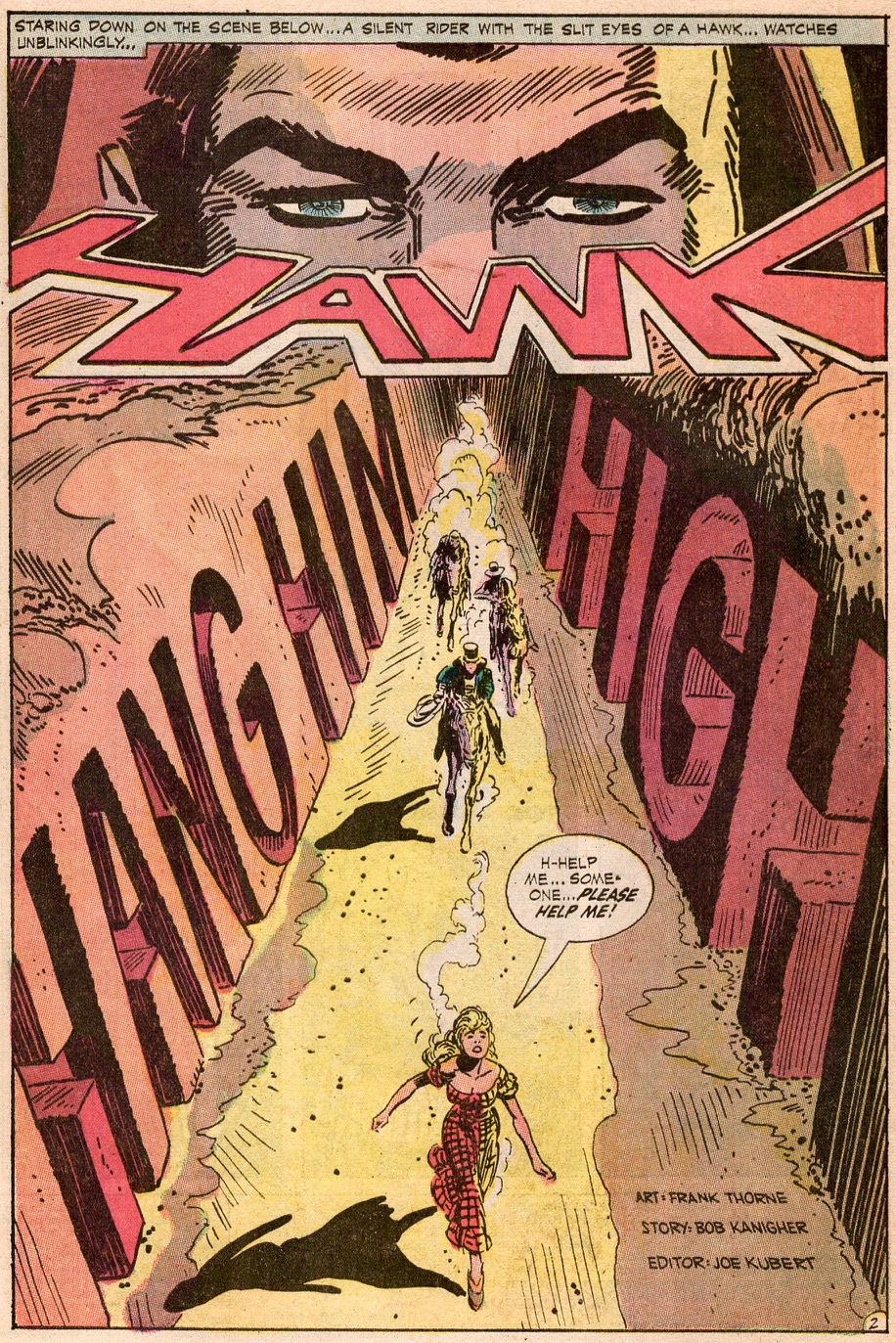
Rechristened Son of Tomahawk, the series pivoted to follow Hawk Haukins, the biracial son of the original hero and his Native American wife, Moon Fawn. Guided by the creative triumvirate of writer Bob Kanigher, artist Frank Thorne, and editor/artist Joe Kubert, the book abandoned the clichés of the traditional Western. In its place, it offered a searing, often brutal examination of American history defined by systemic racism, land theft, and the psychological toll of dual identity.
Long relegated to the "back-issue bins" of history, the series has recently been revitalized for a new generation. DC Comics has reprinted the run in its entirety within the anthology DC Finest Western: The Hangman Never Loses, sparking a renewed critical interest in how three white creators in a corporate environment managed to produce a work of such subversive social commentary and aesthetic brilliance.
Chronology: From Frontier Propaganda to Social Critique
1. The Catalyst: A Letter from the Wilderness (April 1970)
The transition began not with a corporate mandate, but with a reader’s grievance. In the letter column of Tomahawk #127, a young reader named Kenny Chambers asked a deceptively simple question: "Why are the Indians always the villains? Why don’t you show how cruelly we treated them?"
At the time, editor Murray Boltinoff offered a defensive, traditionalist response, echoing the "Manifest Destiny" rhetoric that had dominated American textbooks for a century. However, the internal gears at DC were already shifting. Boltinoff soon departed, and the title was handed to Joe Kubert, a veteran artist-editor with a deep, personal interest in Native American history.
2. The Kubert Era and the Rebranding (December 1970)
With Tomahawk #131, the book was officially retitled Hawk: Son of Tomahawk. Kubert brought with him the sensibilities he had honed in his Firehair series—a focus on cultural exchange and the tragedy of displacement. He retained writer Bob Kanigher and artist Frank Thorne, but pushed them toward a more grounded, naturalistic, and politically charged style.
3. The Golden Age of "Hawk" (1971)
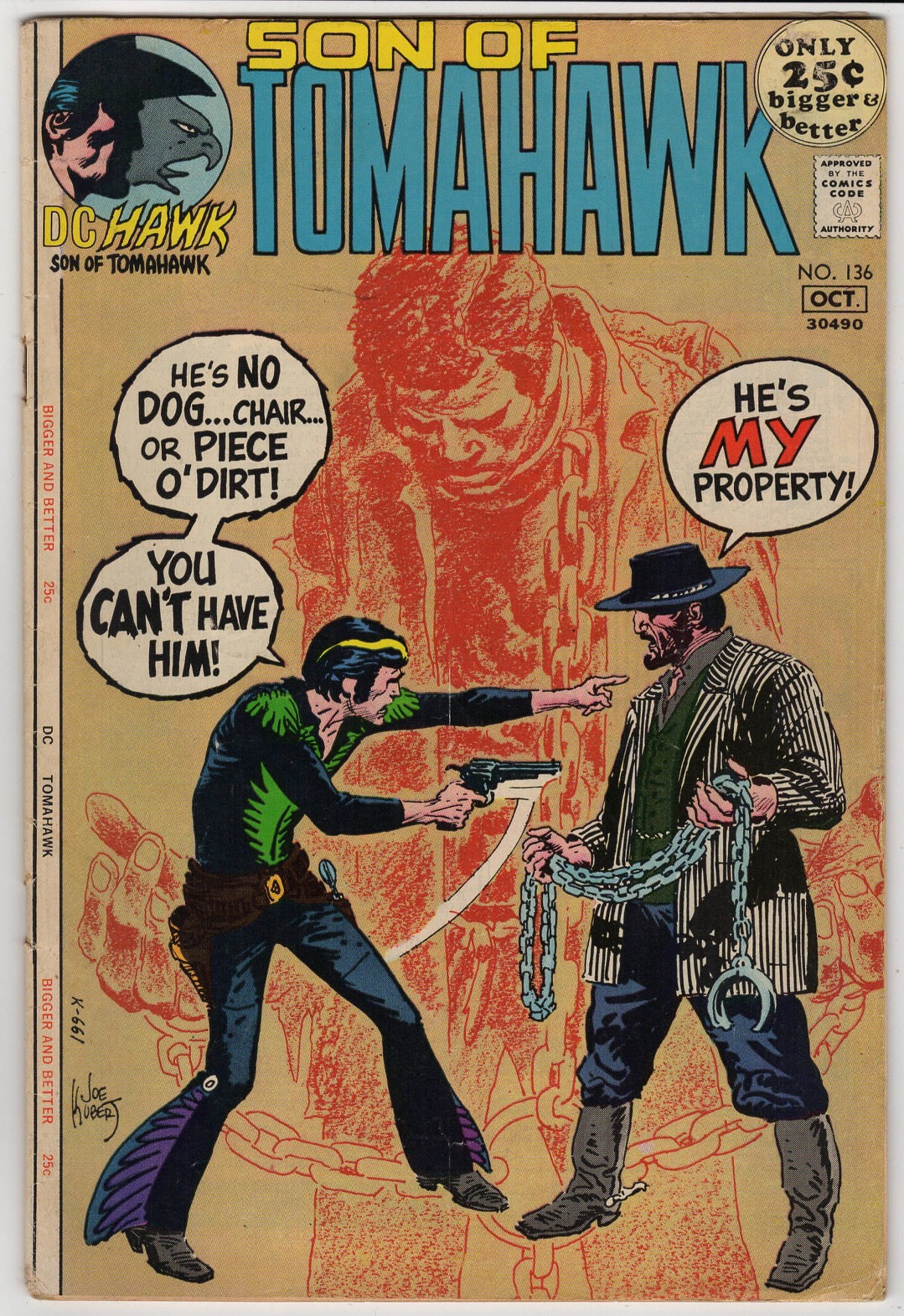
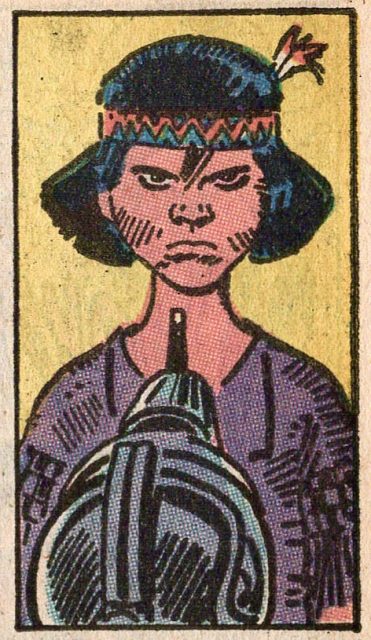
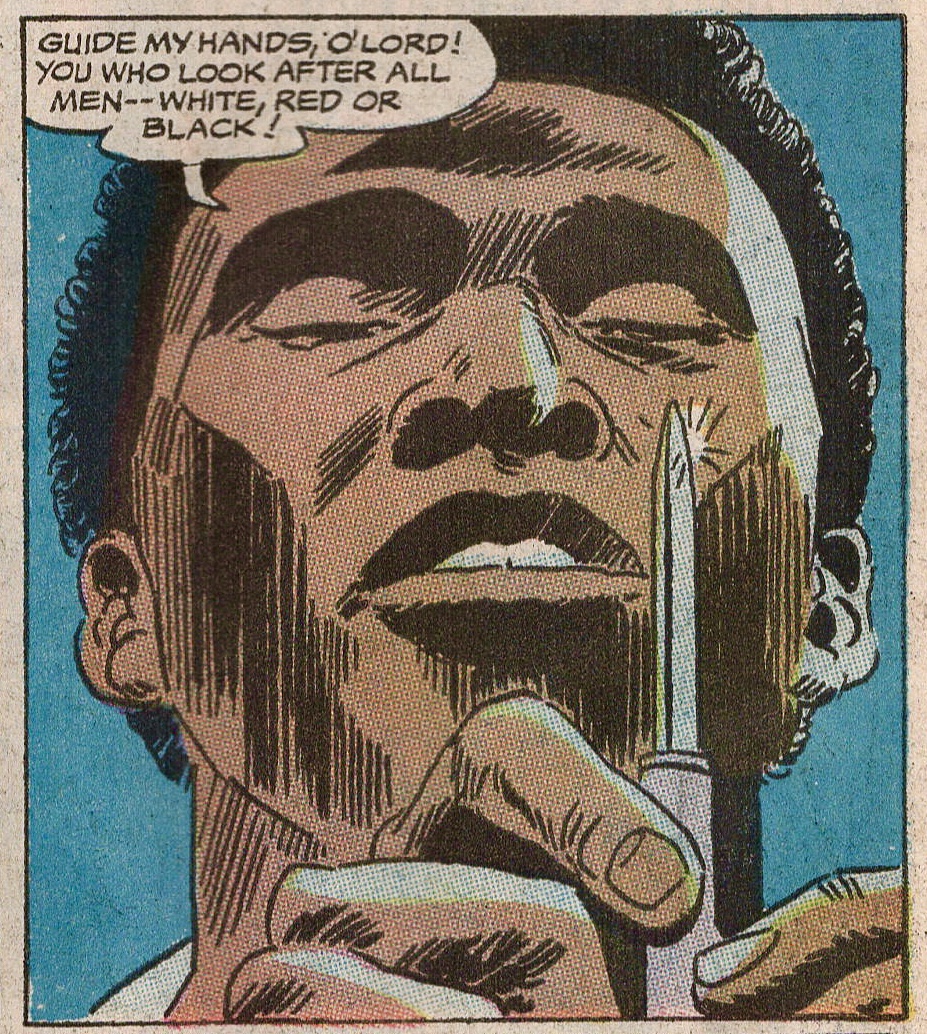
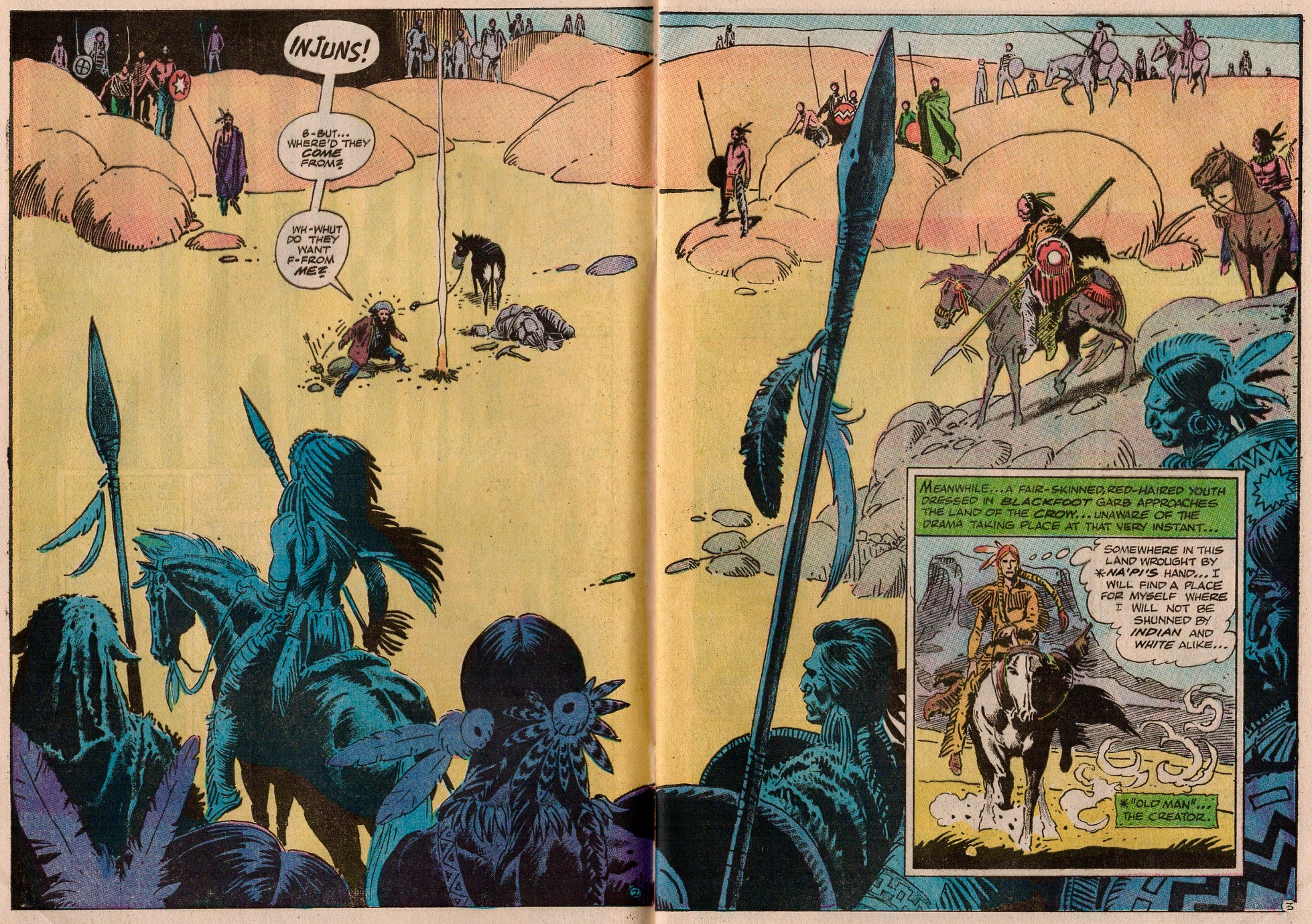
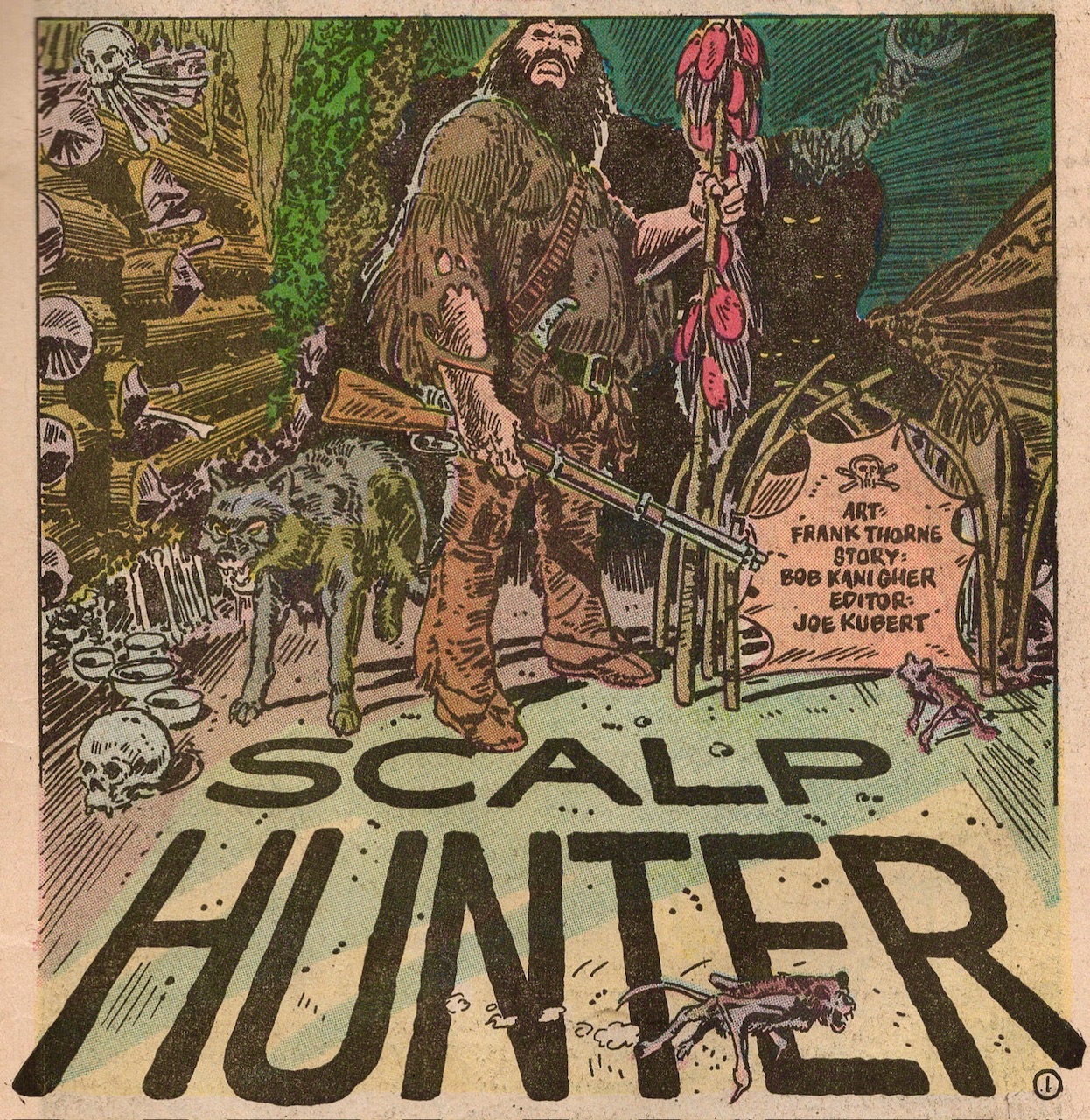
Throughout 1971, the creative team produced a string of masterpieces, most notably issues #133 ("Scalp Hunter") and #136 ("A Piece of Sky"). These stories moved away from the "adventure of the month" format toward a domestic saga. They explored the Haukins family’s attempts to maintain a biracial homestead in a "free territory" that was increasingly encroached upon by racist militias, slave hunters, and greedy land speculators.
4. The 25-Cent Crisis and Cancellation (1972)
Despite its critical and aesthetic peaks, the book fell victim to an industry-wide economic war. In late 1971, DC raised its prices from 15 to 25 cents, expanding the page count with reprints. Marvel Comics countered with a predatory pricing strategy, briefly matching the hike before dropping to 20 cents. This "price war" devastated DC’s lower-selling titles. Son of Tomahawk was canceled with issue #140 in 1972, ending a two-decade legacy just as it had reached its creative zenith.
Supporting Data: The Aesthetic and Industrial Architecture
The brilliance of Son of Tomahawk was supported by specific technical and narrative innovations that set it apart from its contemporaries.
The "Tone Yellow" Revolution
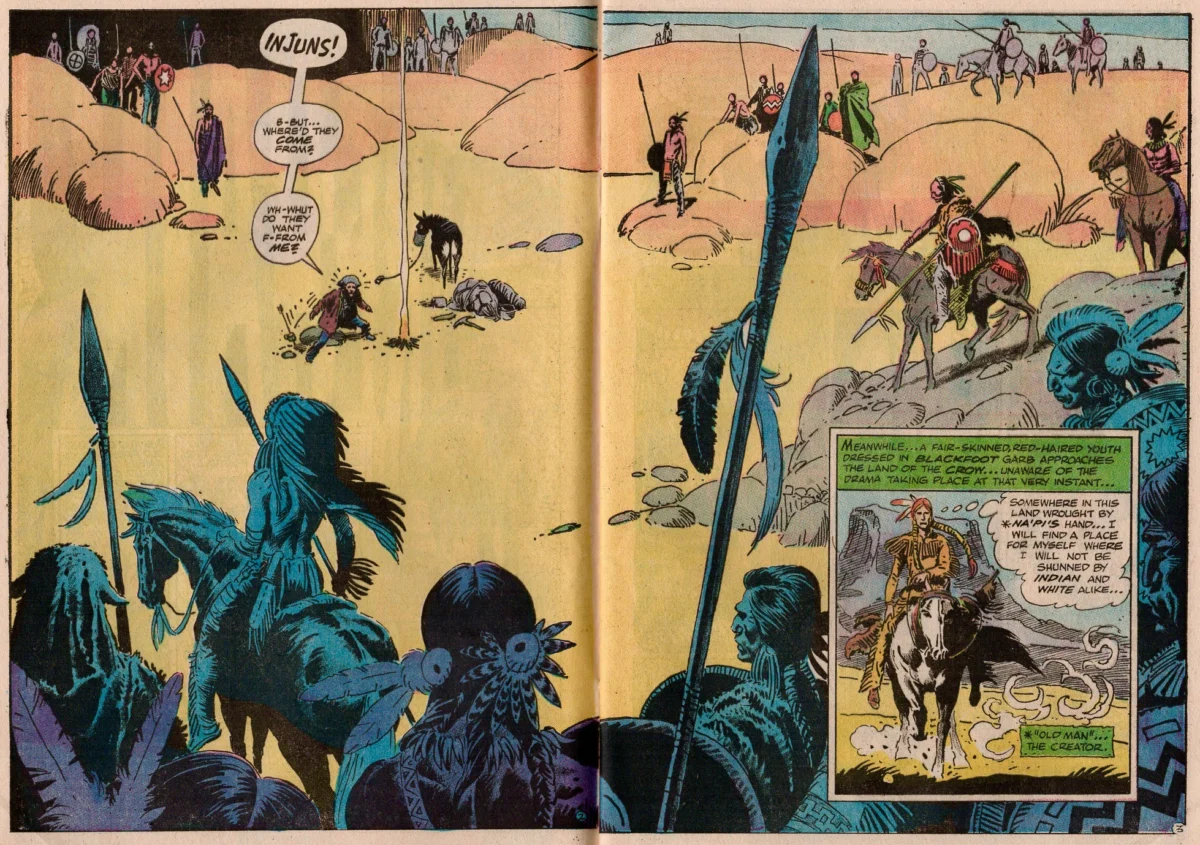
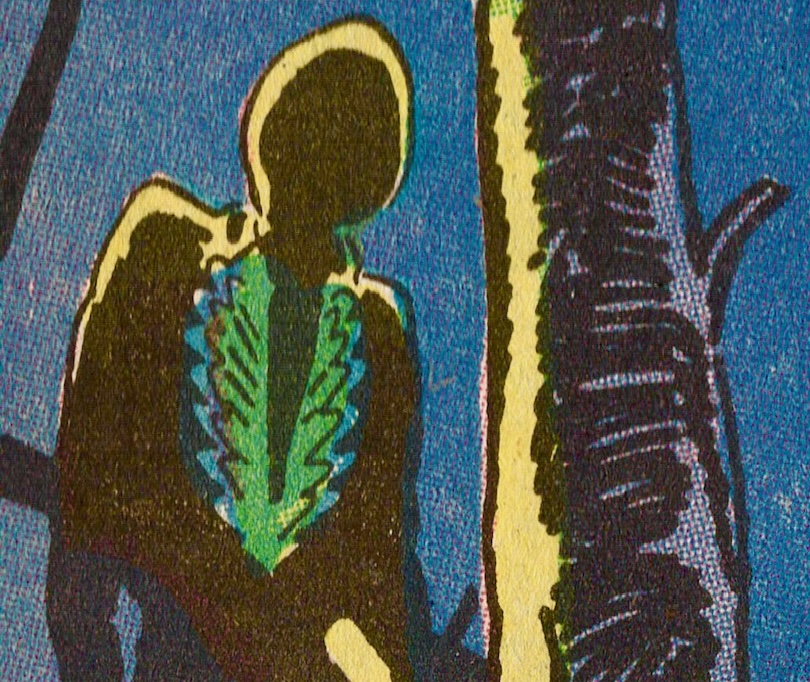
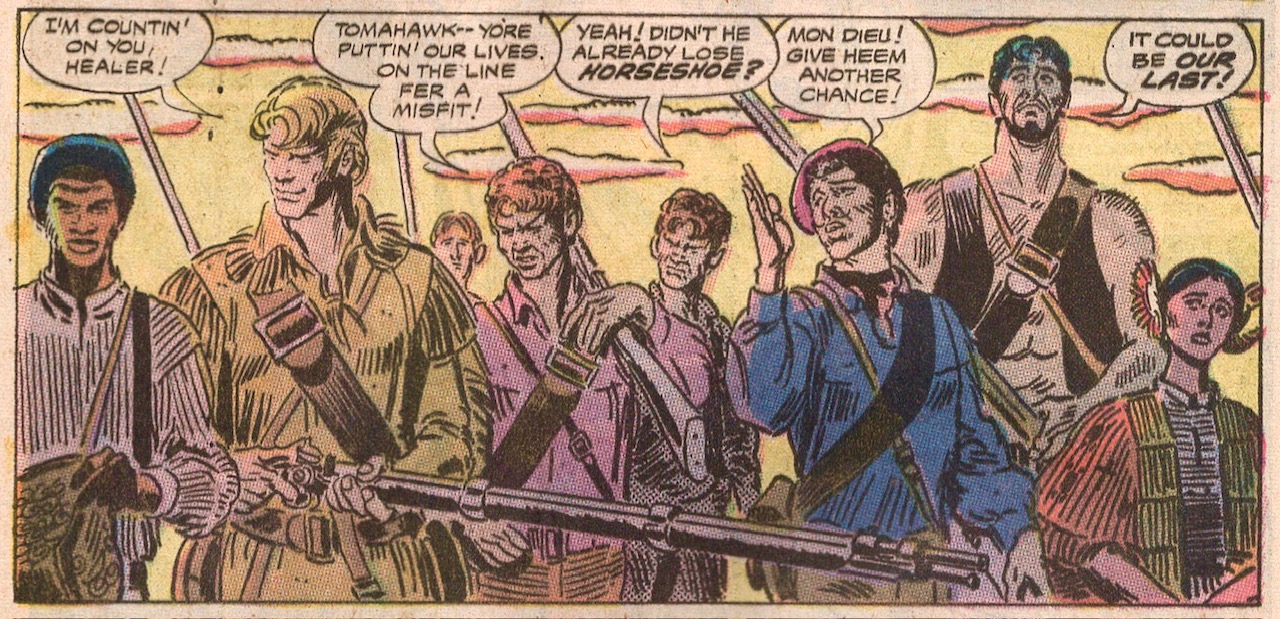
In the early 70s, comic book coloring was largely a primary-color affair. However, legendary artist Neal Adams and production head Jack Adler pushed for the inclusion of "Tone Yellow"—a pale mixing agent that allowed for a wider spectrum of earth tones, dusty pinks, and deep oranges. Frank Thorne utilized this expanded palette to create a Western landscape that felt lived-in and atmospheric. His sunrises weren’t just yellow; they were layered, purple-and-gold evocations of the American wilderness that rivaled the cinematography of John Ford.
The Evolution of Frank Thorne
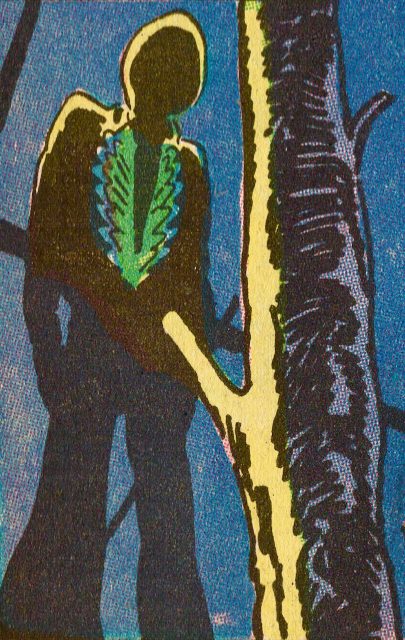
Before he became famous (or notorious) for his work on Red Sonja and his later erotic "cosplay" dramas, Thorne was a documentary-style realist. On Son of Tomahawk, he synthesized the minimalism of Alex Toth with the gritty expressionism of Joe Kubert. His character design for Hawk—with his "Bride of Frankenstein" blonde streak and bell-bottom buckskins—married the 1850s setting with the 1970s "mod" aesthetic, making the character feel like a counterculture icon.
Bob Kanigher’s Revisionist Scripts
Kanigher, often described as a mercurial and difficult editor, found a late-career redemption in Hawk. He moved beyond his "Sgt. Rock" war tropes to write dialogue that felt like a precursor to the "Revisionist Westerns" of the late 70s and 80s. He was willing to depict the original Tomahawk—a foundational hero of the DC Universe—as a flawed, aging man grappling with the fact that the nation he fought to build was founded on the subjugation of his wife’s people.
Official Responses: From Denial to Recommendation
The "official" stance on the book has evolved significantly over the last 50 years, reflecting broader changes in American social awareness.
The Editorial Defense (1970)
The initial corporate response to reader complaints about racism was one of dismissive "colorblindness." Murray Boltinoff’s 1970 editorial asserted that "good Indians" existed in their stories, but that the "fight back" of white settlers was an inevitable historical necessity. This reflected the standard corporate line of the era, which sought to avoid "political" controversy.
The Kubert Advocacy (1971-1972)
Under Joe Kubert’s editorship, the tone of the "Smoke Talk" letter column changed dramatically. Kubert famously printed a letter from a reader who listed the sites of various white massacres of Native populations. Rather than defending the status quo, Kubert recommended the bestseller Bury My Heart at Wounded Knee to his young readers, stating his hope that the comic would help "rectify past-done ills."
The Modern Rediscovery (2020s)
In recent years, historians and critics like Matt Seneca have championed the book as a "forgotten masterpiece." DC Comics’ decision to reprint the series in 2024 marks an official recognition of the work’s historical and artistic value. It signals a shift in the industry’s willingness to engage with its own problematic past by highlighting the creators who tried to subvert it from within.
Implications: The Legacy of a "Failed" Revolution
The legacy of Son of Tomahawk is complex. While it failed as a commercial product, its implications for the medium were far-reaching.
The Prototype for the "Gritty" Reboot
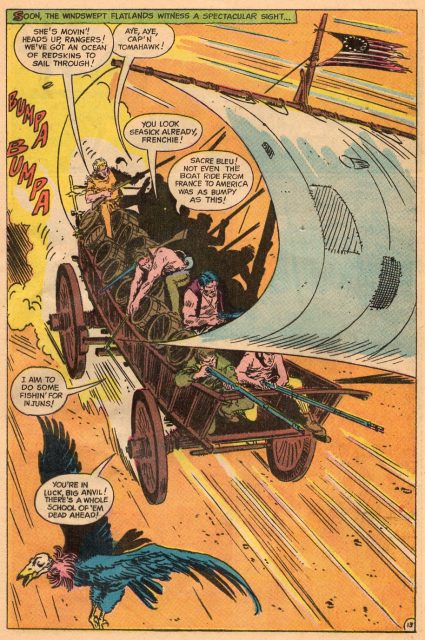
The series pioneered the technique of taking a clean-cut Golden Age hero and reintroducing them in a diminished, uncomfortably realistic form. The depiction of the original Rangers—Stovepipe as a snake-oil salesman and Big Anvil as a brain-damaged shell of a man—predated the "deconstructionist" wave of the 1980s (such as Watchmen and The Dark Knight Returns) by over a decade.
A Mirror to Contemporary Conflict
The book’s focus on biracial identity and systemic racial violence remains strikingly relevant. Hawk Haukins was a character who could not "pass" in white society and was viewed with suspicion by Native tribes. This exploration of the "middle space" between cultures provided a blueprint for how genre fiction could tackle complex social issues without resorting to the "noble savage" tropes common in mid-century media.
The Shift from Mass Medium to Niche Market
The cancellation of Son of Tomahawk also marked a turning point in the business of comics. As titles like this were squeezed off newsstands by the DC-Marvel price wars, the industry began to retreat from the "mass market" (which included casual readers like truckers, soldiers, and general-store kids) toward a dedicated "niche market" of superhero collectors. This retreat arguably led to the narrowing of genres that persisted for decades, making the experimental, high-concept Western a relic of a bygone era.
Ultimately, Son of Tomahawk stands as a testament to the power of the comic book as a tool for social inquiry. It was a brief, ten-issue flash of brilliance that dared to tell a "truthful" American story in a medium often dismissed as "silly." Today, as it emerges from the wilderness of forgotten archives, it serves as a reminder that the most profound revolutions often occur in the most unexpected places.

Leave a Comment