Tectonic Shifts in the Comic Industry: Marvel Moves West as SDCC Looms
July 17, 2026 — As the global comics community prepares for the annual pilgrimage to San Diego Comic-Con (SDCC), the industry finds itself at a crossroads marked by corporate restructuring, political controversy, and a shifting geographical center of gravity. From Marvel Comics’ historic departure from New York City to a burgeoning censorship debate at Dark Horse, the "spiritual halfway point" of the 2026 comics calendar is proving to be one of the most volatile in recent memory.
Main Facts: A Week of Relocations and Resignations
The most significant development this week is the confirmation that Marvel Comics will vacate its long-standing New York City offices. According to a report by The Hollywood Reporter, the publisher plans to consolidate its operations by moving to the Marvel central headquarters in Los Angeles. This transition, expected to be completed by July 2027, marks the end of an era for the "House of Ideas," which has been synonymous with the New York skyline since its inception.
Accompanying this move is a major leadership reshuffle. Stephen Wacker will ascend to the role of Editor-in-Chief, replacing C.B. Cebulski. In a move that signals Marvel’s deepening commitment to the global market, Cebulski will relocate to Tokyo to spearhead Marvel’s manga initiatives. This internal pivot follows a difficult spring for the company, which saw Disney-mandated "streamlining" result in the layoff of approximately 8% of its workforce in April.
Simultaneously, the industry is grappling with a heated dispute at Dark Horse Comics regarding the cancellation of Rafael Medoff’s Cartoonists Against the Holocaust. While claims of political censorship have surfaced, the publisher maintains that the decision was based on internal restructuring.
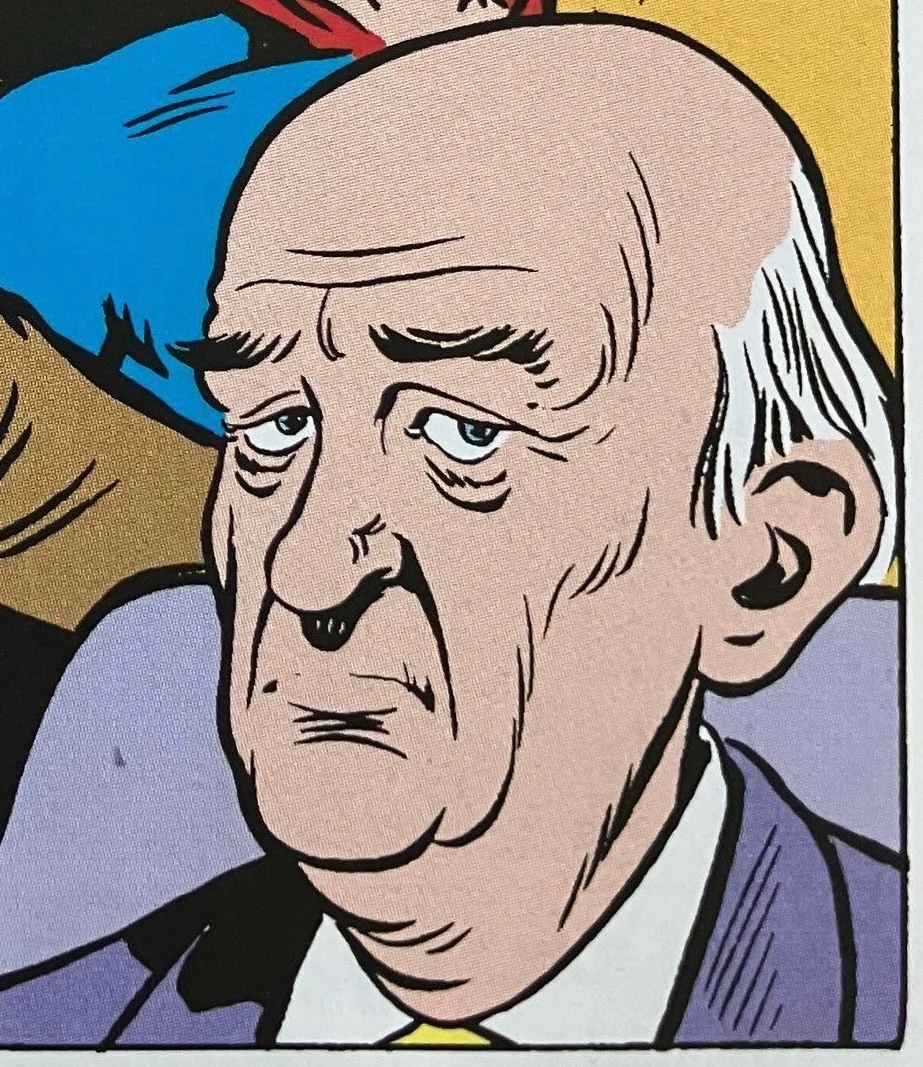
Finally, the world of political satire is in mourning following the death of Pat Oliphant. The Pulitzer Prize-winning cartoonist, a titan of the medium whose career spanned six decades, passed away at the age of 90 due to age-related health issues.
Chronology: From Peckham to the Pacific
The week began on a high note with the successful conclusion of the Peckham comics event in London. The success of this smaller, community-focused show stood in stark contrast to the looming anxieties surrounding the "ginormo-event" that is SDCC. By mid-week, however, the focus shifted from independent success to corporate upheaval.
- April 2026: Disney initiates "streamlining" across its subsidiaries, leading to an 8% staff reduction at Marvel Comics.
- June 2026: Artist Georgia Webber launches a Change.org petition highlighting alleged labor issues and a lack of accountability at the Sequential Artists Workshop (SAW).
- July 12, 2026: Reports begin to circulate via The Daily Cartoonist regarding the cancellation of Rafael Medoff’s book at Dark Horse.
- July 15, 2026: The Hollywood Reporter breaks the news of Marvel’s relocation to Los Angeles and the appointment of Stephen Wacker as Editor-in-Chief.
- July 17, 2026: Industry analysts and journalists begin to weigh the implications of these shifts as the first waves of attendees arrive in San Diego.
Supporting Data: The Financial and Cultural Cost of Change
The consolidation of Marvel’s offices into the Los Angeles ecosystem is viewed by many as a cost-cutting measure, but the data suggests a deeper cultural shift. The move places the comics division in the direct orbit of Marvel Studios, potentially prioritizing "synergy" over the independent editorial spirit that traditionally flourished in New York.
In the independent sector, the Sequential Artists Workshop (SAW) is facing a crisis of confidence. The petition started by Georgia Webber alleges that Executive Director Tom Hart cancelled her teaching contract after she requested a discussion regarding accountability in podcast production. The petition, which continues to gain signatures, highlights a growing demand for transparency and fair labor practices within non-profit comics education.
On the critical front, the week’s reviews reflect a medium in a state of high artistic output despite industrial instability:
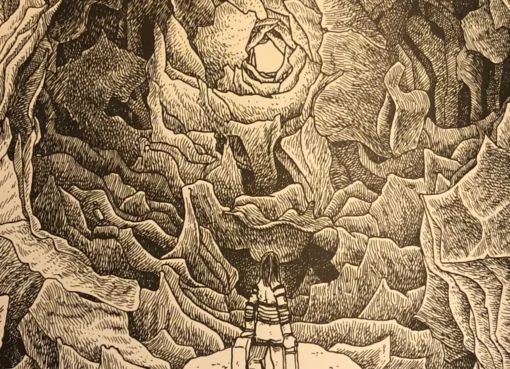
- Artistic Excellence: Leonard Pierce’s review of Metadoggoz in The Comics Journal (TCJ) praised the work’s "masterful use of negative space," suggesting that black-and-white indie comics are currently pushing visual boundaries more aggressively than color-saturated mainstream titles.
- Nostalgia and Re-evaluation: As The Crow approaches its 40th anniversary, Anya Davidson’s retrospective rebuttal in TCJ challenges long-held views of the work as a celebration of violence, instead framing it as an exploration of the inevitability of suffering.
- Academic Rigor: New open-access papers in the Journal of Graphic Novels and Comics and Lublin Studies in Modern Languages and Literature indicate that comics are increasingly being used to analyze complex topics such as the Anthropocene and postcolonial feminism.
Official Responses and Counter-claims
The controversy surrounding Dark Horse Comics and Rafael Medoff has produced conflicting narratives. Supporters of Medoff claim the publisher cancelled Cartoonists Against the Holocaust after the author refused to include contemporary commentary on Israeli state violence and the ongoing crisis in Gaza. They argue this represents a chilling trend of "pre-emptive censorship" in the industry.
Dark Horse’s Counterclaim:
In an official statement, Dark Horse denied any political motivation for the cancellation. The publisher attributed the decision to "scheduling issues" and "recent personnel and structuring changes" following a period of internal volatility. This defense has been met with skepticism by some industry watchdogs, who note the timing of the decision relative to the book’s subject matter.
The SAW Board Response:
Despite the growing visibility of Georgia Webber’s petition, the Board of Directors at the Sequential Artists Workshop has remained silent. This lack of response has only fueled the "failure to execute responsibilities" narrative currently circulating within the indie comics community.
Implications: The End of the "New York Era"?
The implications of this week’s news are profound and will likely dominate discussions at SDCC and beyond.
1. The Death of the New York Comics Scene
For nearly a century, New York City was the undisputed capital of the comics world. With Marvel joining DC Comics (which moved to Burbank in 2015) on the West Coast, the industry has officially decoupled from its historic roots. This may lead to a talent drain in NYC and a further homogenization of comics and film/TV production.
2. The Rise of Global Manga
C.B. Cebulski’s move to Tokyo is not a demotion, but a strategic deployment. By placing a former E-i-C in Japan, Marvel is signaling that it no longer views manga as a competitor, but as a primary format for its intellectual property. We can expect an influx of "Manga-first" Marvel titles designed for the Asian market and subsequently imported back to the US.
3. Political Sensitivity in Publishing
The Dark Horse/Medoff situation suggests that publishers are becoming increasingly wary of navigating geopolitical controversies. As the public discourse around Gaza and international human rights becomes more polarized, comic publishers—once the vanguard of free expression—may be retreating into "safe" corporate neutrality to protect their bottom lines.
4. Labor Reform in the Arts
The SAW petition and the recent Marvel layoffs indicate a growing restlessness among comics professionals. Whether at a major corporation like Disney or a small non-profit like SAW, creators are demanding better working conditions and more robust accountability. This could lead to a renewed push for unionization or the formation of more creator-owned collectives.
5. The Enduring Legacy of the Political Cartoon
The passing of Pat Oliphant serves as a stark reminder of the dwindling footprint of editorial cartooning in traditional newspapers. As the two-party system becomes more entrenched and newspapers continue to shutter their editorial desks, the "watchdog" role Oliphant played is being vacated, leaving a void that social media and webcomics have yet to fully or effectively fill.
Conclusion: A Tense Path Forward
As Clark Burscough noted in his weekly dispatch, the industry is currently moving through a "temporal midway marker." While the success of local events like Peckham offers hope for the grassroots future of the medium, the corporate and political realities at the top are increasingly grim. Between the skyrocketing costs of attending major conventions like SDCC and the geographical consolidation of power in Los Angeles, the "spirit of comics" is under more pressure than ever.
The coming weeks will reveal whether the industry can maintain its creative soul while navigating these massive structural changes. For now, the community looks toward San Diego—not just for announcements of new movies and toys, but for a sign that the heart of the medium is still beating.