
The E-Ink Revolution: Why Digital Paper is Capturing the Creative and Academic Worlds
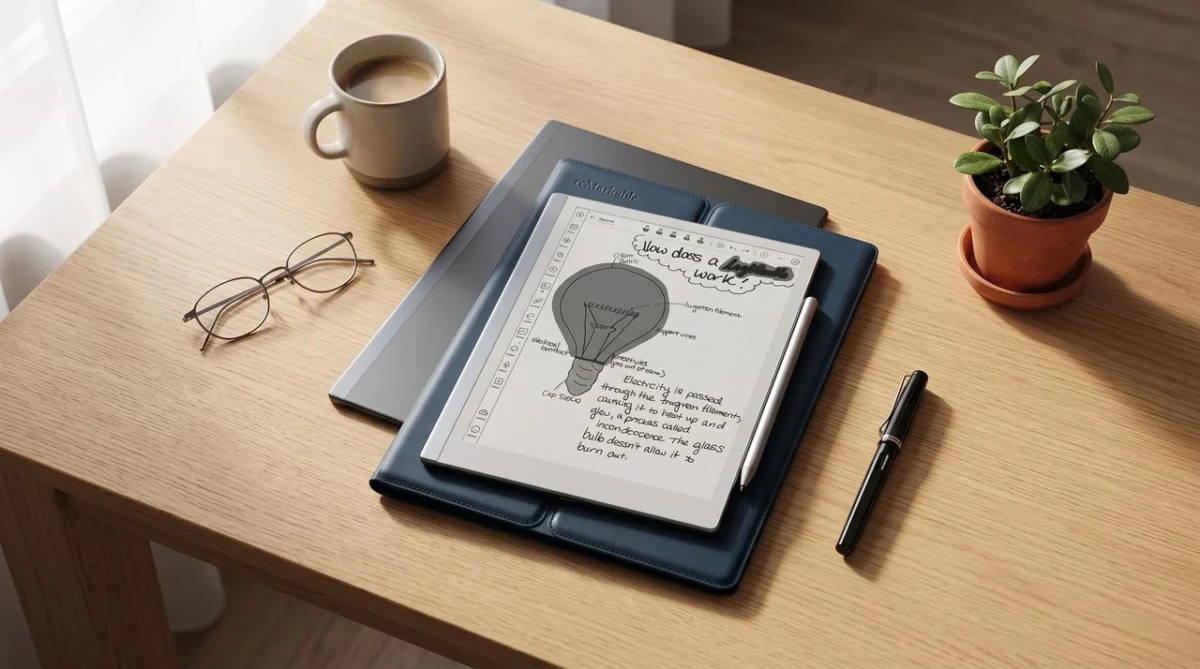
E-ink tablets, once a niche curiosity, are rapidly ascending to prominence, capturing the attention of professionals, students, and creatives alike. This digital paper technology, renowned for its eye-friendly, paper-like display, is no longer confined to basic e-reading. It’s evolving into sophisticated note-taking devices, digital sketchpads, and powerful PDF annotators, offering a compelling alternative to traditional paper and even conventional tablets. This article delves into the burgeoning appeal of e-ink tablets, exploring their diverse capabilities, highlighting key contenders in the market, and examining their transformative potential.
The Unexpected Appeal of Digital Paper
For years, the author, like many, viewed e-ink tablets primarily as enhanced e-readers. The addition of note-taking functionality seemed a secondary feature, perhaps unnecessary for those accustomed to traditional notebooks. However, personal experience has revealed a profound shift in perspective. The integration of digital note-taking capabilities has proven unexpectedly indispensable.
The ability to jot down thoughts, sketches, and annotations digitally offers a host of advantages. Many e-ink devices boast handwriting-to-text conversion, transforming scribbled notes into editable digital text with remarkable accuracy. This feature is a game-changer for those who prefer the tactile experience of writing by hand but require the efficiency of digital organization and searchability. Furthermore, the capacity to import and annotate PDFs, alongside other document formats, unlocks a new level of productivity for professionals who frequently work with these files. Writers, academics, researchers, and designers who engage heavily with text-based content and handwritten markups are finding immense value in these devices.
The core appeal lies in the mimicry of paper. Unlike the backlit screens of smartphones and conventional tablets, e-ink displays utilize reflected light, eliminating the harsh glare and eye strain associated with prolonged use. This characteristic makes them ideal for extended reading, writing, and drawing sessions, mirroring the comfortable experience of engaging with a physical book or notepad.
A Spectrum of Capabilities: From Simplicity to Sophistication
The e-ink tablet market is characterized by a diverse range of devices, each catering to specific needs and budgets. While some offer a minimalist, dedicated note-taking experience, others are packed with advanced features, blurring the lines between e-ink devices and more versatile tablets.
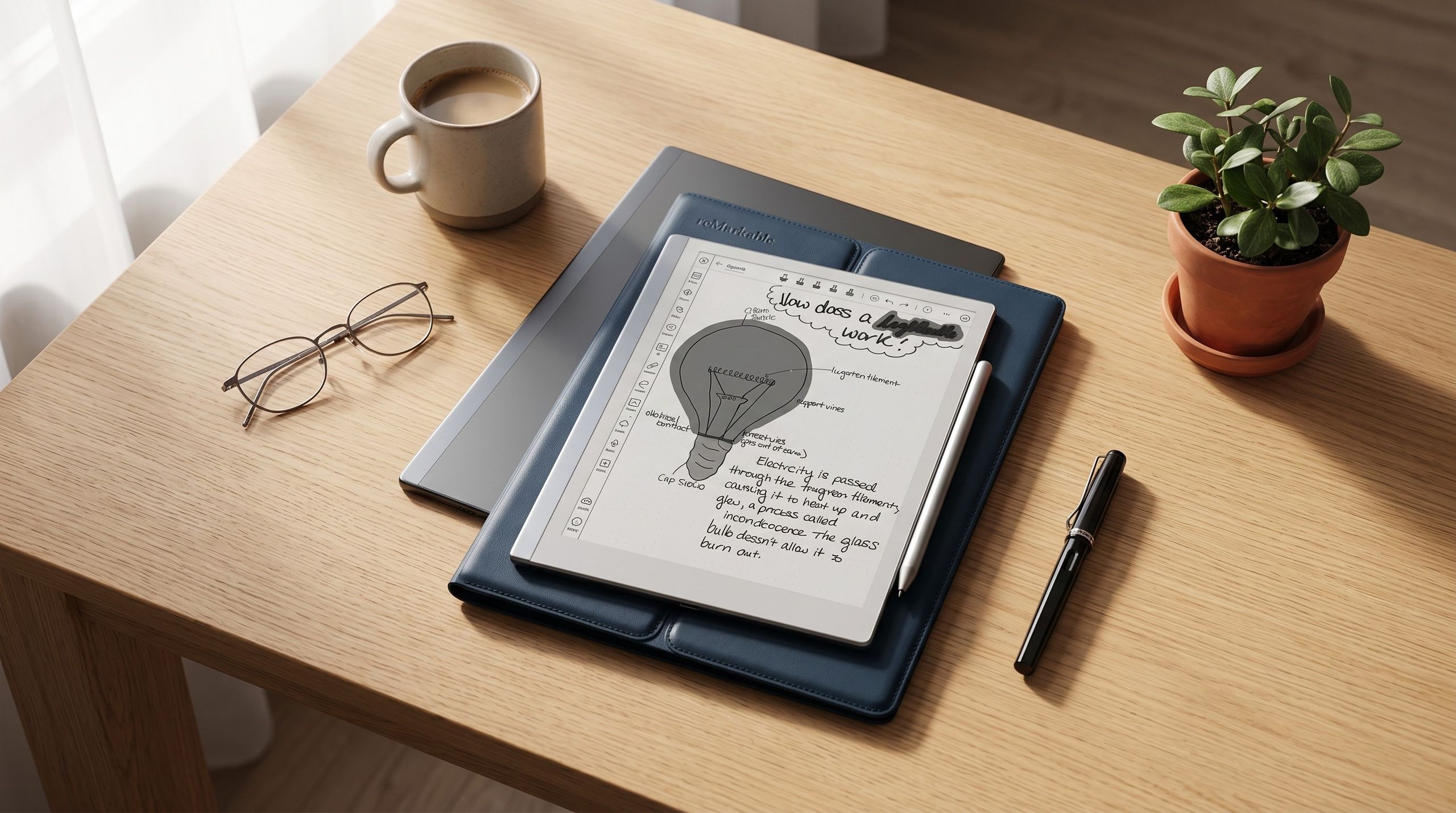
Key Features Differentiating E-Ink Tablets:
- Display Technology: The primary differentiator is the e-ink screen itself. While most are monochrome, offering a grayscale experience, newer models are beginning to incorporate color e-ink technology, expanding their visual capabilities. The resolution and refresh rate also vary, impacting the fluidity of writing and the clarity of images.
- Note-Taking and Writing Experience: This is a crucial aspect for many users. The quality of the stylus, the responsiveness of the screen, and the feel of writing (often described as "paper-like" or "textured") are paramount. Features like palm rejection, pressure sensitivity, and tilt support further enhance the writing and drawing experience.
- Handwriting-to-Text Conversion: The accuracy and speed of this feature are vital for users who want to digitize their handwritten notes. Different devices employ varying algorithms and offer support for multiple languages.
- File Compatibility and Management: The ability to import and export various file formats, such as PDFs, EPUBs, DOCs, and images, is essential for users who need to work with different types of documents. Cloud integration and local storage options also play a role in file management.
- App Ecosystem and Functionality: While not as robust as the app stores on iOS or Android, many e-ink tablets run on modified versions of Android, allowing access to a selection of optimized apps. This can include e-readers, note-taking apps, drawing apps, and even some productivity tools.
- Hardware Features: Beyond the screen, other hardware aspects include battery life (which is typically exceptional due to the low power consumption of e-ink), build quality, weight, and the presence of features like front lights for reading in low-light conditions.
A Closer Look at Leading E-Ink Tablets
The market is populated by several strong contenders, each with its unique selling propositions. While a comprehensive review of every model is beyond the scope of this article, we can highlight some of the most compelling options currently available, based on recent testing and market trends.
Boox Go 10.3 Lumi Gen II: A Versatile Workhorse
The Boox Go 10.3 Lumi Gen II represents a significant step forward in the e-ink tablet landscape. Having undergone recent testing, this device impresses with its comprehensive suite of features designed for both productivity and creative tasks.
Key Highlights of the Boox Go 10.3 Lumi Gen II:
- Infinite Notes and Handwriting-to-Text: The "Infinite Notes" feature suggests an expansive digital canvas for note-taking, while the integrated handwriting-to-text capability efficiently converts scribbles into editable text. This is a boon for anyone needing to digitize their thoughts rapidly.
- PDF Support: Seamless import and annotation of PDF documents make this device an invaluable tool for researchers, students, and professionals who frequently mark up reports, articles, or academic papers.
- Design and Portability: The Lumi Gen II boasts a light and thin design, making it highly portable and comfortable to hold for extended periods. Its ergonomic form factor contributes to its overall user-friendliness.
- Adjustable Lighting: The inclusion of a front light system is a significant advantage, allowing users to read and write comfortably in both bright sunlight and dimly lit environments. This versatility extends its usability across various conditions.
- Premium Stylus: The included stylus is often praised for its aesthetic appeal and, more importantly, its functionality. A responsive and comfortable stylus is crucial for an enjoyable digital writing experience, and the Go 10.3 Lumi Gen II appears to deliver on this front.
- Android OS: Running on a modified Android operating system, the device offers a degree of flexibility, allowing users to explore a curated selection of apps optimized for the e-ink display. While not a full-fledged app store experience, it provides access to a range of useful tools.
The Boox Go 10.3 Lumi Gen II is positioned as a powerful and adaptable device, catering to a broad spectrum of users who demand both functionality and a superior digital writing and reading experience.
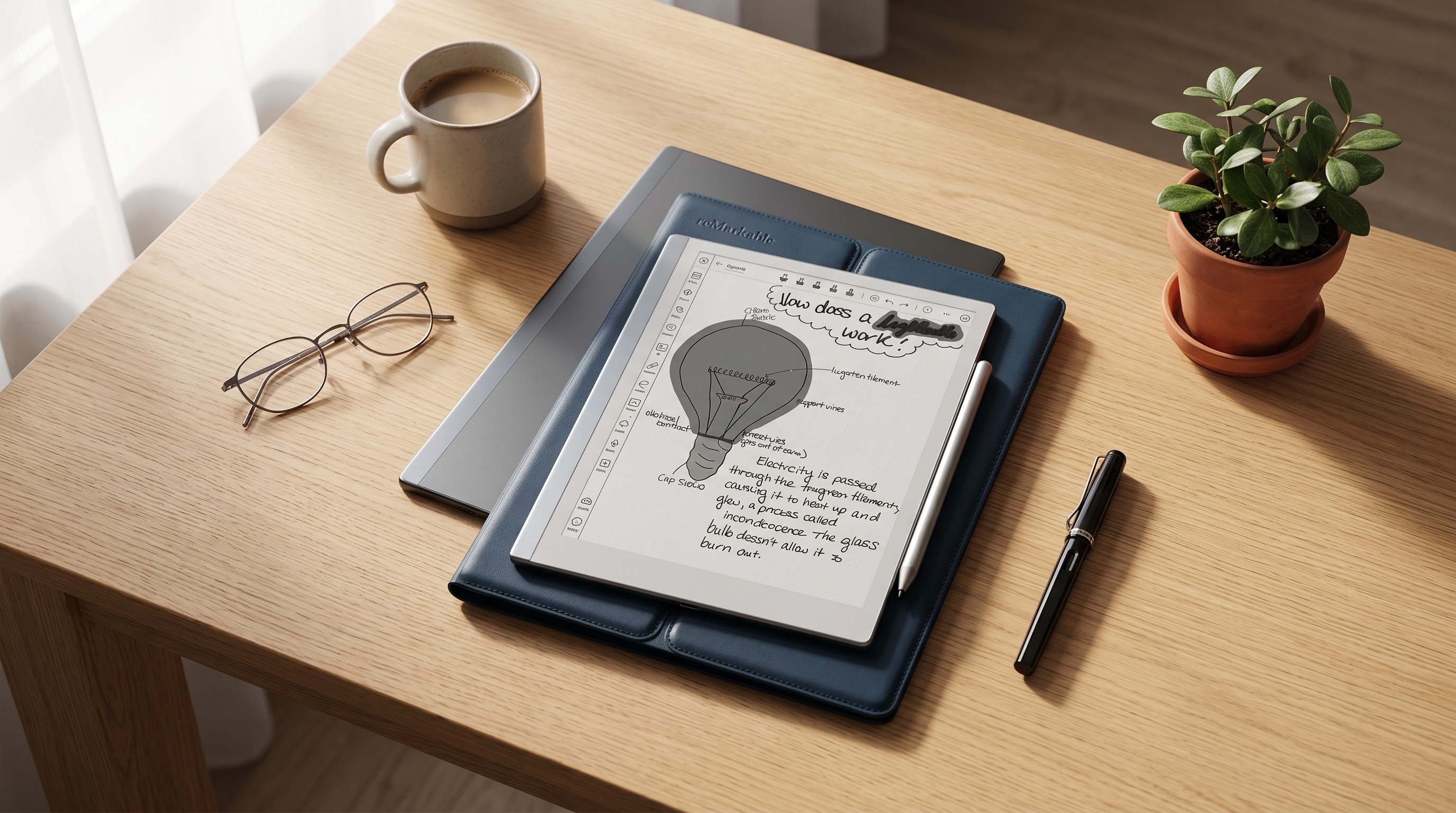
Remarkable Paper Pure: The Purist’s Choice
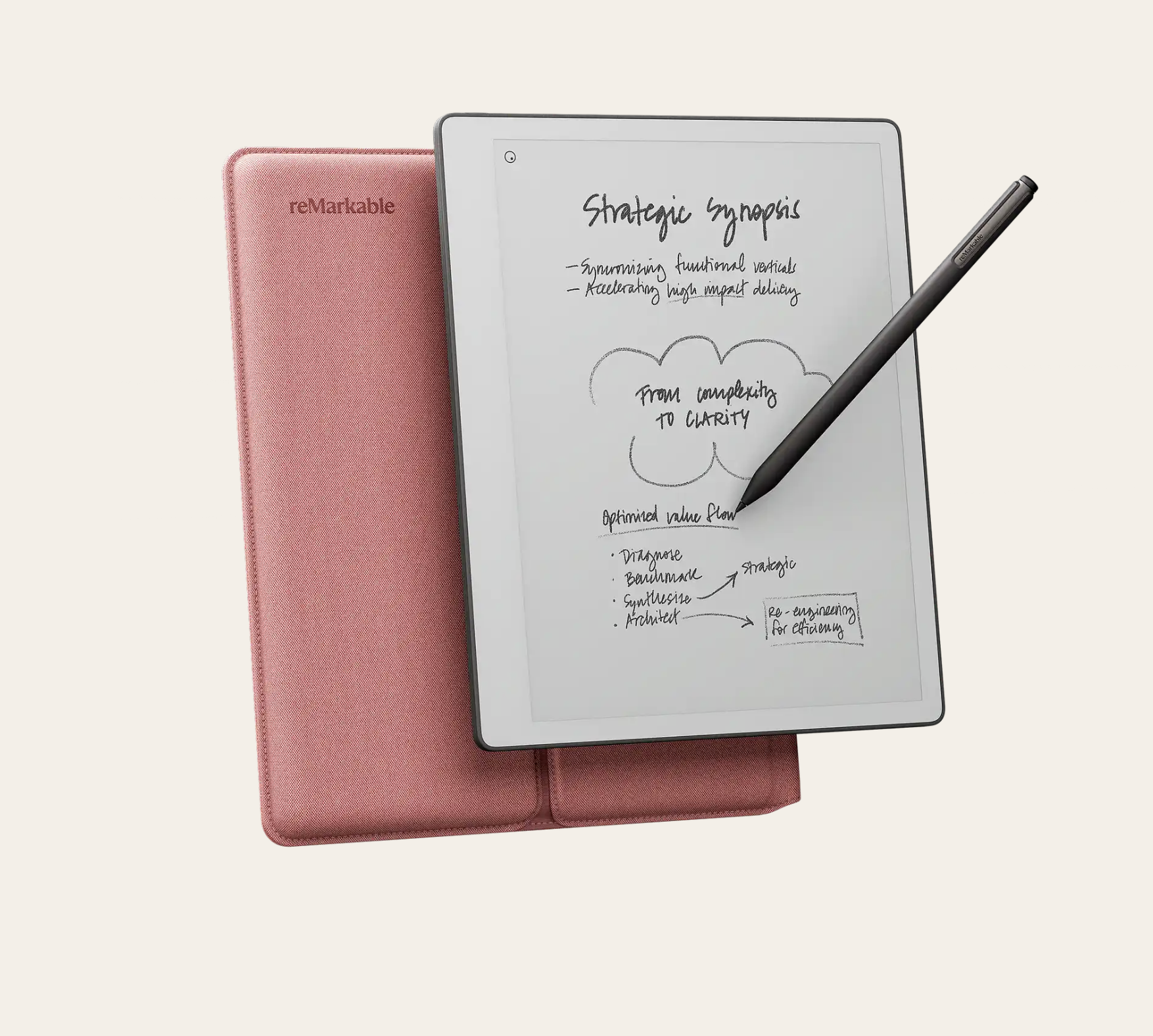
For those who prioritize a pure, unadulterated paper-like writing experience, the Remarkable Paper Pure stands out. Recent evaluations have lauded its minimalist approach and its uncanny ability to replicate the feel of writing on physical paper.
Key Highlights of the Remarkable Paper Pure:
- Unparalleled Paper-Like Feel: The defining characteristic of the Paper Pure is its textured surface, which eschews the slickness of glass found on many digital devices. This tactile feedback is designed to mimic the friction and resistance of pen on paper, making writing feel natural and intuitive.
- Dedicated Note-Taking Focus: Unlike more feature-rich devices, the Paper Pure is primarily a digital notepad. This focused design eliminates distractions, allowing users to concentrate on their thoughts and ideas without the temptation of other digital applications.
- Effortless Scribbling and Erasing: Users have reported a fluid and unhindered experience when scribbling notes or sketching. The ability to quickly erase large sections of content further enhances the efficiency of the note-taking process.
- Improved Handwriting Appearance: Anecdotal evidence suggests that writing on the Paper Pure can lead to a noticeable improvement in the appearance of one’s handwriting. This is attributed to the natural feel and reduced pressure required compared to writing on a smooth screen.
- Simplicity and Elegance: The device’s design emphasizes simplicity and elegance, appealing to users who value understated aesthetics and a straightforward user interface.
The Remarkable Paper Pure is an ideal choice for individuals who seek a dedicated digital notebook that prioritizes the tactile sensation of writing above all else. Its stripped-down functionality ensures a focused and immersive experience.
Boox Onyx: The Color E-Ink Pioneer
Breaking the monochrome barrier, the Boox Onyx introduces the exciting world of color to the e-ink tablet experience. This innovation opens up new possibilities for annotation, sketching, and content consumption.
Key Highlights of the Boox Onyx:
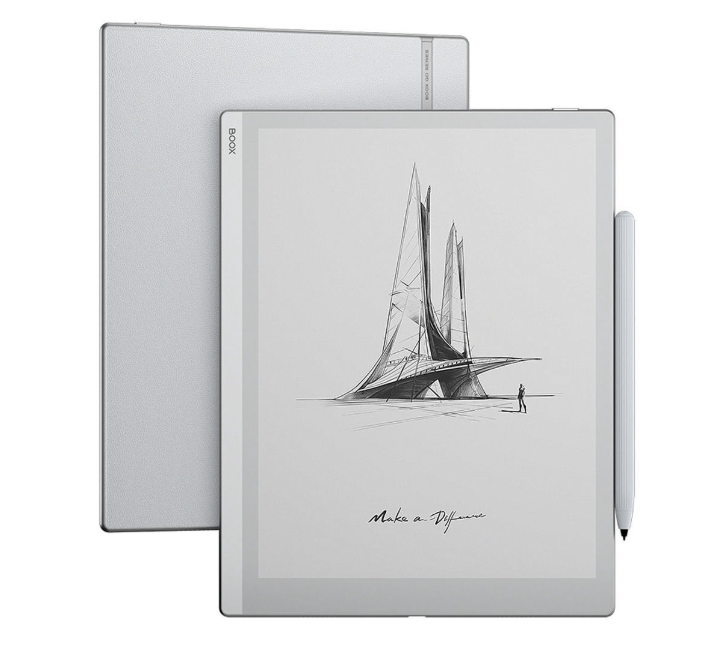
- Color E-Ink Display: The standout feature is its color e-ink screen, which allows for the display of images, charts, and colored annotations in a way that was previously impossible on e-ink devices. This adds a new dimension to digital note-taking and document review.
- Brilliant Writing Experience: Despite the addition of color, the Onyx maintains an exceptional writing experience, lauded for its responsiveness and the natural feel of the stylus on the screen.
- PDF Annotation with Color: The ability to annotate PDFs with colored pens and highlights significantly enhances the utility of the device for academic and professional use, allowing for more nuanced markups and organizational strategies.
- Rich Note-Taking Features: The notes app offers advanced functionality, including the insertion of links, text, and images directly into handwritten notes. This creates dynamic and interactive digital documents.
- User-Friendly Interface: The device is noted for its ease of use, ensuring that users can quickly adapt to its features and integrate it seamlessly into their workflow.
The Boox Onyx represents a significant technological advancement, offering a compelling blend of color, a superior writing experience, and robust note-taking capabilities. It is an attractive option for those who desire a more visually rich and interactive e-ink device.
Chronology of E-Ink Technology and Market Evolution
The journey of e-ink technology from its inception to its current sophisticated applications is a testament to continuous innovation.
- Early 2000s: Birth of E-Ink: The foundational technology of electrophoretic displays, commonly known as e-ink, began to emerge in the early 2000s. Companies like E Ink Corporation (founded in 1997) were instrumental in developing and commercializing this display technology.
- Mid-2000s: The Kindle Era: Amazon’s Kindle, launched in 2007, popularized e-ink for e-reading. Its success demonstrated the viability and appeal of the technology for mass consumer adoption, primarily for books.
- Late 2000s – Early 2010s: Expansion to Other Devices: As the technology matured, e-readers from various manufacturers flooded the market. Early attempts to integrate note-taking capabilities emerged, though often with limited functionality and a less refined user experience.
- Mid-2010s: Rise of Dedicated Note-Taking Devices: Companies like reMarkable began to focus specifically on creating e-ink devices optimized for handwriting and note-taking. These devices emphasized the paper-like feel and minimalist design, appealing to a niche but growing audience.
- Late 2010s – Present: Feature-Rich E-Ink Tablets: The market has seen an explosion of feature-rich e-ink tablets from brands like Boox (Onyx). These devices have embraced Android, offering a more versatile computing experience, including app support, advanced PDF annotation, and enhanced writing tools. The introduction of color e-ink technology, as seen in devices like the Boox Onyx, marks another significant evolutionary leap.
- Ongoing Development: The current trajectory suggests continued advancements in refresh rates, color saturation, stylus technology, and software integration, further solidifying e-ink tablets as a significant category within the digital device market.
Supporting Data and Market Trends
The growing popularity of e-ink tablets is not merely anecdotal. Several market indicators and trends underscore their rising significance:
- Increased Sales and Market Share: While specific global sales figures for e-ink tablets as a distinct category can be difficult to isolate, the broader e-reader and digital paper market has seen consistent growth. Manufacturers are reporting strong demand, and new product launches are becoming more frequent.
- Investment in R&D: Significant investment is being poured into e-ink display technology and the associated hardware and software. This indicates a strong belief in the future potential of the market by major tech companies and component manufacturers.
- Shifting User Preferences: A growing segment of users is actively seeking alternatives to traditional tablets and smartphones for certain tasks. Concerns about digital eye strain, the desire for distraction-free environments, and the pursuit of more focused workflows are driving this shift.
- Targeted Marketing: Manufacturers are increasingly tailoring their marketing efforts to specific demographics, such as students, academics, writers, artists, and professionals who require robust note-taking and document annotation capabilities.
- Academic and Professional Adoption: Universities and corporations are beginning to explore the deployment of e-ink devices for their students and employees, recognizing their potential to enhance learning and productivity while reducing eye strain.
Official Responses and Industry Perspectives
The increasing demand for e-ink tablets has elicited various responses from industry players and observers:
- Manufacturers’ Commitment: Companies like E Ink Corporation, the primary supplier of e-ink displays, continue to invest heavily in research and development, aiming to improve display quality, color capabilities, and refresh rates. Their partnerships with device manufacturers are crucial for bringing new innovations to market.
- Tech Reviewers’ Endorsement: Technology publications and independent reviewers have largely embraced the resurgence of e-ink tablets. Their reviews often highlight the unique benefits of the technology, providing valuable insights for consumers and influencing purchasing decisions.
- Academic and Educational Institutions: While formal widespread adoption is still emerging, discussions within educational circles suggest a growing interest in e-ink tablets as tools for note-taking, research, and reading. Pilot programs and the availability of educational discounts are likely to increase.
- Productivity Experts’ Advocacy: Productivity coaches and digital wellness advocates often recommend e-ink devices for their ability to foster focus and reduce digital distractions. They emphasize the benefits of a dedicated device for specific tasks, promoting a more mindful approach to technology use.
- Potential for Niche Dominance: The consensus among industry analysts is that e-ink tablets are carving out a significant and sustainable niche. While they may not replace the all-encompassing functionality of conventional tablets, they are becoming the preferred choice for specific use cases.
Implications and Future Outlook
The ascendance of e-ink tablets carries several important implications for consumers, educators, and the broader technology landscape:
- Reduced Digital Eye Strain: For individuals who spend extensive hours reading or working on digital screens, e-ink tablets offer a significant advantage in combating digital eye strain, headaches, and sleep disturbances often associated with backlit displays. This contributes to improved user well-being.
- Enhanced Focus and Productivity: The distraction-free nature of many e-ink devices, coupled with their specialized functionalities, can lead to improved concentration and productivity. By removing the temptations of social media, gaming, and other non-essential applications, users can dedicate more attention to their primary tasks.
- Democratization of Digital Note-Taking: As e-ink technology becomes more accessible and feature-rich, it democratizes advanced digital note-taking and document annotation for a wider audience. Students, researchers, and professionals on tighter budgets can now access powerful tools previously reserved for high-end devices.
- Sustainability Potential: The lower power consumption of e-ink displays, translating to longer battery life and less frequent charging, aligns with growing consumer interest in sustainable technology. While the manufacturing process still has an environmental footprint, the operational efficiency is a positive aspect.
- Evolution of Digital Content Consumption: The development of color e-ink and improved refresh rates suggests a future where e-ink devices can cater to a broader range of digital content, including magazines, comics, and interactive educational materials, all while retaining their eye-friendly advantages.
- Coexistence with Conventional Tablets: It is unlikely that e-ink tablets will entirely replace conventional tablets. Instead, they are poised to coexist as complementary devices. Users may opt for a conventional tablet for multimedia consumption and general computing, while relying on an e-ink device for focused reading, writing, and note-taking. This creates a more personalized and efficient digital ecosystem for each user.
The e-ink revolution is well underway, transforming how we interact with digital information. As the technology continues to mature and diversify, these paper-like devices are set to become indispensable tools for anyone seeking a more comfortable, focused, and productive digital experience. The future of digital paper is not just about reading; it’s about writing, creating, and thinking without compromise.




Leave a Comment