
History or Hagiography? Examining Marvel’s Self-Curated Narrative in ‘Super Visible’
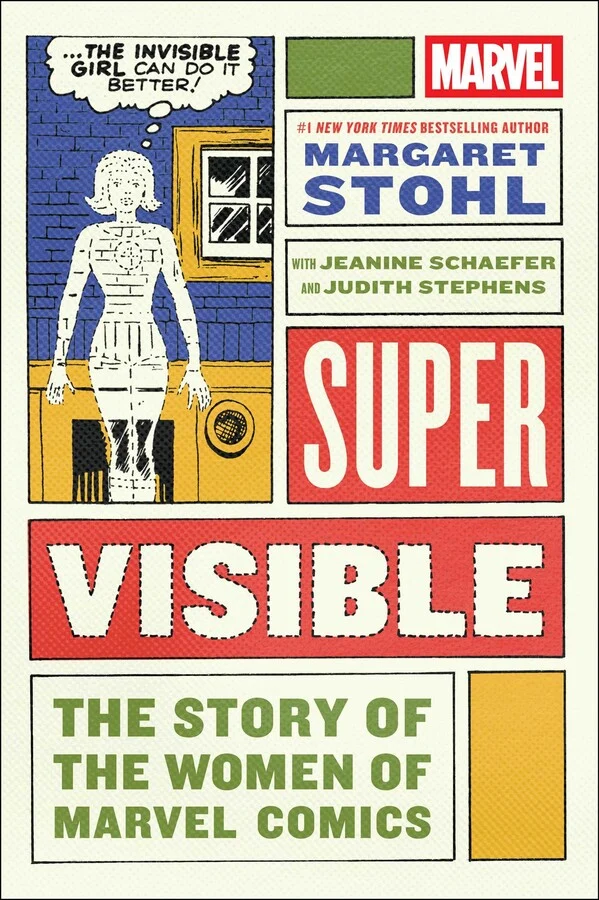
The history of comic books has long been a battlefield between the colorful myths projected by publishers and the often-gritty reality experienced by the creators behind the page. This tension is at the heart of Super Visible: The Story of the Women of Marvel, a high-profile release authored by Margaret Stohl, Jeanine Schafer, and Judith Stephens. Released with the full endorsement of Marvel Comics, the book attempts to chronicle the evolution of female contributions to the "House of Ideas." However, as the industry grapples with its own legacy, Super Visible raises a fundamental question: Can a corporation truly be the objective narrator of its own complicated history?
Main Facts: An Insider’s Perspective
Super Visible is not a traditional academic history; it is an "official" project. All three authors—Stohl, Schafer, and Stephens—have significant ties to Marvel, having served the company in various editorial, creative, and production capacities. This proximity grants the book unprecedented access to internal archives and a roster of over 100 interview subjects, ranging from Golden Age pioneers to modern-day showrunners.
The book is characterized by its high production value. Unlike university-press surveys of the medium, which often prioritize text over imagery, Super Visible is a visual feast. It utilizes a varied, dynamic layout filled with archival art, rare photographs, and eye-catching graphic design. However, this aesthetic polish serves as a double-edged sword. While it makes the history of Marvel’s women accessible to a broad audience, it also signals the book’s intent: this is a celebratory retrospective, a "sympathetic insider’s history" that often prioritizes brand management over critical analysis.
Critics have noted that the book lacks the standard tools of historical scholarship—there are no footnotes, endnotes, or even an index. This omission makes it difficult for researchers to trace the specific origins of the numerous quotes and anecdotes provided, effectively positioning the book as a piece of corporate literature rather than a definitive historical record.
Chronology: From the Bullpen to the Big Screen
The narrative of Super Visible follows a roughly chronological path, beginning with the foundational years of the 1960s. This era is defined by figures like "Fabulous" Flo Steinberg, Stan Lee’s legendary secretary and the backbone of the early Marvel Bullpen, and "Mirthful" Marie Severin, an artist and colorist whose versatility helped define the Marvel aesthetic. The book captures the spirited, if chaotic, atmosphere of the early days, painting a picture of a small team punching above its weight.
The 1970s: The Rise of the Female Lead
As the narrative moves into the 1970s, the focus shifts to Marvel’s attempts to capture the zeitgeist of second-wave feminism. This period saw the launch of titles like Shanna the She-Devil, Night Nurse, and Claws of the Cat. The book frames these releases as a direct response to the era’s shifting social tides, though it often glosses over the more mercenary motivations of the era.
The 1980s and 90s: Creative Shifts and Animation
The 1980s section highlights the work of Annie Nocenti, whose run on Daredevil remains a high-water mark for socially conscious storytelling in superhero comics. It also transitions into the 1990s by exploring the influence of Margaret Loesch, the president of Fox Kids, who was instrumental in bringing X-Men: The Animated Series to television. This segment provides valuable insight into how female executives behind the scenes were responsible for the brand’s massive expansion into mainstream pop culture.
The Modern Era: The MCU and Diversity
The final third of the book focuses heavily on the last decade, emphasizing the "Carol Danvers" era of Captain Marvel, the rise of Kamala Khan (Ms. Marvel), and the diverse roster of women currently shaping the Marvel Cinematic Universe (MCU). It is in this section where the book’s tone becomes most promotional, reading at times like a corporate prospectus for Marvel’s current "inclusive" brand identity.
Supporting Data: The Value of Interviews vs. Factual Errors
The strongest asset of Super Visible is its breadth of testimony. By interviewing over 100 women who have worked in every corner of the company, the authors have created a rich tapestry of personal anecdotes. These stories provide a human face to the corporate giant, detailing how women mentored one another in a male-dominated industry.
However, the book’s reliability is undermined by several high-profile factual errors. For example:
- The X-Men Relaunch: The book attributes the 1975 Giant-Size X-Men #1 relaunch primarily to Chris Claremont, omitting the foundational role of writer Len Wein.
- Captain Marvel’s History: The book refers to the character as a "spin-off" of a 1940s character, a statement that conflates Marvel’s Carol Danvers with the original Fawcett Comics Captain Marvel (now known as DC’s Shazam) in a way that ignores the complex legal history of the trademark.
- Character Identity Confusions: In a discussion regarding the cult-favorite series NextWave, the authors credit Carol Danvers with a starring role, when the character in that series was actually Monica Rambeau.
These errors suggest a lack of rigorous fact-checking, which is surprising for a book sanctioned by the publisher’s own archives. They highlight the danger of "fan-service" history, where the emotional narrative of a brand is prioritized over the accuracy of its timeline.
Official Responses and Corporate Spin
Super Visible is a masterclass in what critics call "corporate spin." The authors consistently frame Marvel’s business decisions as noble moral crusades rather than market-driven strategies.
A key example is the treatment of the 1975 X-Men international relaunch. Super Visible describes the move as a noble attempt to "plant a global flag" against American xenophobia. However, historical records—including interviews with then-Editor-in-Chief Roy Thomas—suggest a more "mercenary" intent: the team was designed with international characters specifically to increase sales in foreign markets.
Similarly, the book avoids the more uncomfortable aspects of Marvel’s history. There is no mention of the sexist treatment of original art, such as Wally Wood’s infamous nude sketches for Claws of the Cat that Marie Severin was forced to "fix." The book also remains largely silent on the "villains" of the story: the systemic harassment, both internal and external, that women in the industry have faced. While the book mentions the skepticism of old-guard creators like Will Eisner, it largely ignores modern-day hate campaigns like "ComicsGate," which targeted many of the very women the book purports to celebrate.
Implications: The Future of Brand-Owned History
The release of Super Visible fits into a larger trend of multinational corporations attempting to own and curate their own legacies. Much like Disney’s recent documentary on Stan Lee, Super Visible seeks to create a "definitive" history that aligns with the company’s current marketing goals.
For the general fan, the book serves as a beautiful, inspiring introduction to the women who built Marvel. It highlights names that have long been overshadowed by the "Lee-Kirby-Ditko" triumvirate and provides a platform for modern creators to share their successes.
However, for historians and serious scholars of the medium, the book serves as a cautionary tale. It demonstrates that while corporate-backed histories have the best access and the highest budgets, they are often the least equipped to tell the whole truth. The "smiling" narrative of Super Visible lacks the necessary conflict and critical distance required to truly understand the struggle of women in comics.
Ultimately, Super Visible is a book for the "Merry Marvel Marching Society"—a celebratory piece of memorabilia. While it succeeds in making the women of Marvel visible, it leaves the more difficult, complicated, and perhaps more important parts of their story in the shadows. As Marvel continues to dominate global entertainment, the need for independent, rigorous scholarship—unbeholden to corporate approval—has never been more vital.


Leave a Comment