
The Southern Gothic Resurgence: Why William Friedkin’s ‘Killer Joe’ is Essential Netflix Viewing
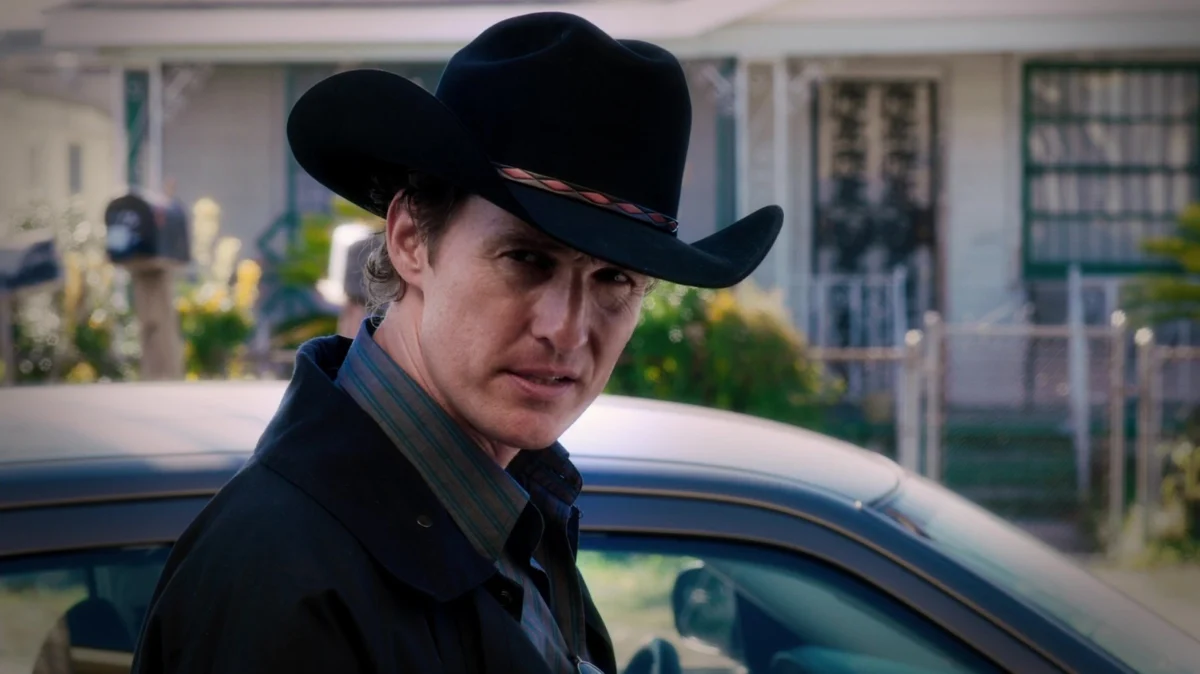
The landscape of modern streaming often feels saturated with polished, high-budget blockbusters and formulaic procedurals. However, every so often, a relic from the recent past resurfaces, reminding audiences of the raw, unvarnished power of auteur-driven cinema. Currently climbing the ranks on Netflix is Killer Joe, the 2011 crime thriller directed by the late, legendary William Friedkin.
Starring Matthew McConaughey in a role that effectively dismantled his "rom-com" persona, Killer Joe is more than just a gritty detective story. It is a descent into a specific kind of American nightmare—a "white trash" Gothic tale fueled by desperation, stupidity, and a level of violence that borders on the operatic. As the film finds a new audience on digital platforms, it serves as a testament to the uncompromising vision of its director and the transformative power of its lead actor.
Main Facts: A Collaboration of Giants
Killer Joe represents a rare alignment of top-tier talent working within the confines of an "exploitation" framework. Based on the 1993 stage play by Pulitzer Prize-winning playwright Tracy Letts, the film was directed by William Friedkin, the visionary behind The Exorcist and The French Connection.
The film centers on a desperate young man, Chris Smith (Emile Hirsch), who finds himself in lethal debt to a local drug dealer. In a misguided attempt to secure a windfall, Chris convinces his father, Ansel (Thomas Haden Church), to hire a contract killer to murder his estranged mother for her $50,000 life insurance policy. Enter "Killer" Joe Cooper (Matthew McConaughey), a Dallas police detective who moonlights as a cold-blooded assassin.
What follows is not a slick heist movie, but a claustrophobic, darkly comedic tragedy. When the family cannot afford Joe’s upfront fee, he demands Chris’s sister, Dottie (Juno Temple), as "retainer." The film’s inclusion on Netflix offers a stark contrast to the platform’s more sanitized offerings, presenting a world where morality is not just flexible—it is non-existent.
Chronology: From the Stage to the "McConaissance"
To understand the impact of Killer Joe, one must look at the timeline of its creation and the career trajectories of its key players.
1993–2006: The Theatrical Roots
Tracy Letts wrote Killer Joe in the early 90s, and it quickly gained a reputation for being one of the most polarizing plays in contemporary theater. It was celebrated for its "in-your-face" realism and its unflinching look at the underbelly of Texas society. Friedkin, who had previously adapted Letts’ play Bug into a 2006 film, saw in Killer Joe an opportunity to return to the visceral, high-stakes filmmaking that defined his early career.
2011: The Birth of the "McConaissance"
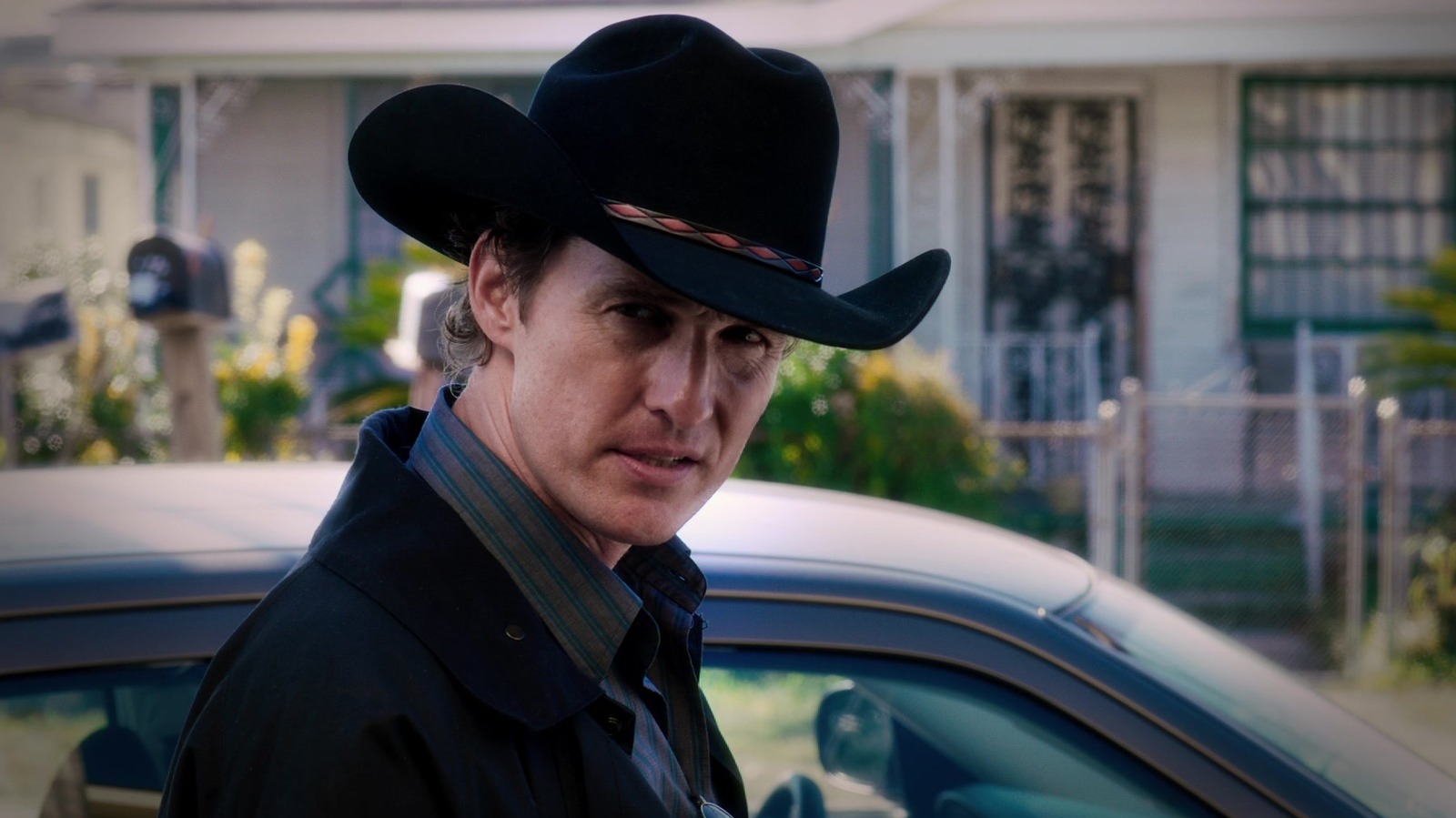
When Killer Joe premiered at the 68th Venice International Film Festival in 2011, Matthew McConaughey was at a crossroads. Known largely for breezy romantic comedies like How to Lose a Guy in 10 Days, McConaughey was beginning a deliberate pivot toward serious, transformative roles. Killer Joe was a cornerstone of this era, alongside The Lincoln Lawyer and Mud. By the time the film saw a wider release in 2012, critics were already noting that McConaughey had evolved into one of the most formidable actors of his generation.
2023–Present: Legacy and Streaming
Following William Friedkin’s death in August 2023, there has been a renewed interest in his later works. While The Exorcist remains his most famous contribution to cinema, Killer Joe is increasingly cited as his final masterpiece—a film that captured the director’s career-long obsession with the thin line between law and lawlessness.
Supporting Data: Technical Mastery and the "NC-17" Controversy
The effectiveness of Killer Joe lies in its technical execution. Friedkin avoided the glossy aesthetic of typical crime thrillers, opting instead for a stifling, humid atmosphere.
The Deschanel Influence
The film was shot by the acclaimed cinematographer Caleb Deschanel (The Passion of the Christ, The Right Stuff). Deschanel’s lighting transforms a dilapidated trailer park into a purgatorial space. The use of deep shadows and saturated, sickly colors emphasizes the "trailer park Hell" that Friedkin sought to create. There is no relief in the scenery; even the outdoor shots feel heavy with the threat of an impending storm.
The Rating Battle
Upon its initial release, Killer Joe was slapped with an NC-17 rating by the MPAA. This was largely due to its graphic violence and a particularly infamous scene involving a piece of fried chicken—a sequence that remains one of the most discussed and debated moments in modern cinema. Rather than cutting the film to achieve an R-rating, the producers chose to release it "Unrated," a move that preserved Friedkin’s vision but limited its commercial reach in 2012. Its current availability on Netflix allows viewers to see the film in its intended, uncompromised form.
Official Responses: Critical Polarization
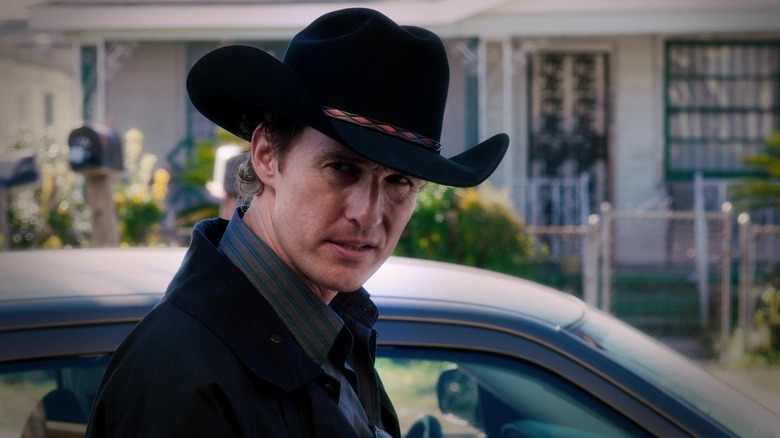
Killer Joe has never been a film designed for universal appeal. Its critical reception reflects its status as a "love it or loathe it" piece of art.
The Skeptics
Some critics, like Anthony Lane of The New Yorker, found the film’s nihilism difficult to stomach. Lane argued that Friedkin was perhaps too focused on the "mechanics of the plan" and the "abusive farce" rather than a deeper exploration of the characters’ moral emptiness. For these critics, the film felt like an exercise in cruelty without a clear redemptive arc.
The Believers
Conversely, the late Roger Ebert gave the film three out of four stars, describing it as a "hell of a movie" that left him speechless. Ebert’s review captured the essence of the film’s power: "I can’t say I loved it. I can’t say I hated it… It depicts a world that is holding onto habitability by its fingernails."
Adam Nayman, writing for The Globe and Mail, was even more effusive, granting the film a perfect four-star rating. He praised the "bracingly nasty dialogue" and Friedkin’s ability to keep the audience "giggling and nervous" before delivering sequences so "baroquely over the top" that they defy easy categorization.
On Rotten Tomatoes, the film maintains a robust 80% approval rating, with the consensus noting that while the film is "violently kinky and profoundly disturbing," it features a "mesmerizing performance" from McConaughey.
Implications: The Enduring Power of the Southern Gothic
The resurgence of Killer Joe on streaming platforms like Netflix suggests a continued appetite for "Southern Gothic" narratives—stories that explore the rot beneath the surface of rural American life.
A Masterclass in Character Acting
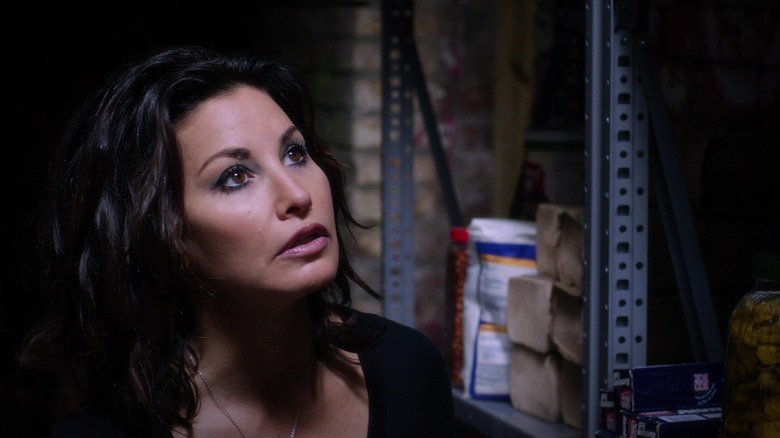
The film serves as a reminder of the importance of the ensemble cast. While McConaughey is the gravitational center, the performances of Gina Gershon, Thomas Haden Church, and Juno Temple are equally vital. Gershon, in particular, delivers a "snakelike" performance that balances vulnerability with a sharp, survivalist edge. The film’s success on streaming may encourage studios to take more risks on character-driven, mid-budget thrillers that prioritize atmosphere over spectacle.
The Netflix Effect
Netflix’s curation of older, controversial titles like Killer Joe plays a crucial role in film preservation. For many younger viewers, this will be their first introduction to the work of William Friedkin. By placing a film of this intensity alongside mainstream hits, the platform challenges its audience to engage with cinema that is uncomfortable, provocative, and aesthetically daring.
Final Assessment
Killer Joe is not "easy" viewing. It is a film that demands a strong stomach and a tolerance for the darker side of the human psyche. However, for those willing to endure its "greasy" intensity, it offers a reward: the sight of a master director at the height of his powers, working with a cast that is fully committed to the madness.
As the credits roll to the tune of Clarence Carter’s "Strokin’"—a song as unapologetically crass as the characters on screen—viewers are left with a lingering sense of unease. In an era of predictable cinema, that unease is perhaps the greatest compliment one can pay to William Friedkin’s final, ferocious gift to the crime genre. Killer Joe remains essential viewing, not because it is pleasant, but because it is unforgettable.


Leave a Comment