
The Spectrum of Being: From Invisible Tick to the Human Spirit’s Enduring Mystery
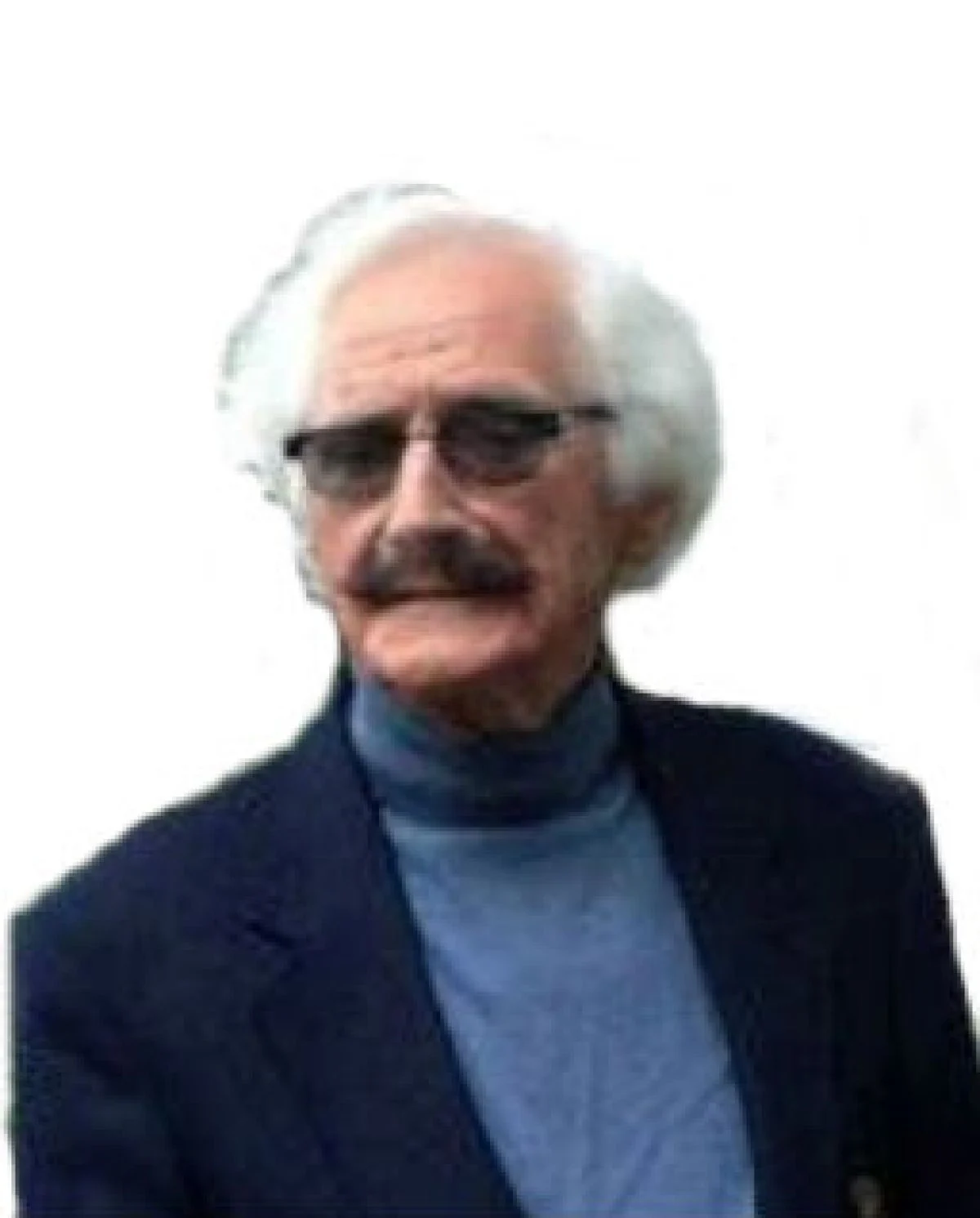
Connecticut, USA – The arrival of summer in Connecticut brings not only sunshine and the promise of outdoor adventures, but also the subtle yet persistent threat of ticks. These tiny arachnids, often barely visible to the naked eye, serve as a stark reminder of the fundamental question of existence, prompting a deeper exploration into the diverse forms and complexities of "being." While the immediate concern is the health risks posed by these blood-feeding parasites, their pervasive presence on the landscape invites contemplation on the vast spectrum of life, from the most rudimentary organisms to the profound depths of human consciousness.
The Immediate Threat: Ticks and the Peril of Existence
The presence of ticks in Connecticut, particularly during the warmer months, is a recurring concern for residents and visitors alike. The author, spending the summer with family, highlights a personal and relatable struggle: the meticulous post-walk inspections of their beloved Collie/Shepherd companion, Gabriel. The dog’s thick coat, described as being "as thick as a couple of heavy duty blankets," presents a formidable challenge in detecting and removing these small, elusive creatures.
Ticks, varying in size from barely perceptible to clearly visible, are not merely an annoyance; they are vectors for serious diseases. A new and concerning virulence of tick-borne illness has emerged in the Northeastern United States, capable of causing severe sickness and, in tragic cases, even death. This heightened health risk underscores the tangible and immediate impact of these small beings on human and animal lives. The author’s detailed account of searching for ticks emphasizes their remarkable ability to evade detection, a feat made even more perplexing by their apparent lack of sophisticated sensory organs. "They also try to evade capture, moving immediately away from pursuing fingers," the author notes. "Yet how they manage to perceive the danger, being so small and seemingly incapable of seeing, hearing or smelling, goodness only knows." This observation, while rooted in a practical concern, touches upon a fundamental aspect of existence: the inherent drive to survive and the mysterious mechanisms that facilitate it, even in the simplest of organisms.
A Spectrum of Awareness: From Tick to Elephant
The author contrasts the seemingly rudimentary existence of the tick with that of the elephant, an animal renowned for its immense size and sophisticated intelligence. The elephant, operating "intelligently through life by means of the range of both its sensory perceptions and mental powers," represents a far more complex and evolved state of being. This juxtaposition serves to illustrate the vast "range of awareness" that permeates the animal kingdom, from the almost imperceptible to the profoundly aware.
This exploration of different levels of "being" leads to a crucial distinction: the human capacity to transcend mere sensory perception. While animals, including the highly intelligent elephant, primarily navigate the world through their senses, humans possess the unique ability to engage in imagination, contemplation, and reflection. This "mental state of reflection, creative insight and free-wheeling ideas" allows us to question the fundamental "how and the why of everything in nature, and of ourselves in particular." These insights, often described as "inspirational feats of thought and feeling," are the bedrock of scientific discovery, philosophical inquiry, and artistic creation. They not only inform us about the physical and temporal world but also delve into the essence of our individuality and the potential meaning of our existence.
The Emergence of the Human Spirit: Beyond Biological Being
The author posits that this capacity for higher-order thought and creativity is what distinguishes "human beings" from other animals. This unique attribute, it is suggested, may have led to the awareness of a "mental force," a "sixth sense," that has been attributed to a non-biological power: the "spirit" or, more broadly, the "human spirit," which emanates from the "spiritual powerhouse generally known as the soul."
This concept of a spiritual dimension to human existence is not a recent development. Archaeological evidence suggests that human beings have harbored such sensibilities for millennia. The use of flowers in burial sites dating back 45,000 to 60,000 years ago, long before written records, hints at a belief in a continuance of spirit and soul beyond the physical death of the body. While the precise symbolic meaning remains a subject of conjecture, these ancient practices point to an enduring human quest for meaning and a sense of something greater than the tangible world.
The Enduring Mystery of "To Be"
The author returns to the fundamental question of existence, famously articulated by William Shakespeare in Hamlet’s soliloquy: "To be, or not to be." This iconic phrase encapsulates the existential dilemma, the choice between continuing to exist and confronting the unknown of non-existence. The author playfully suggests Hamlet would be "muttering" this contemplation, underscoring its profound and personal nature.
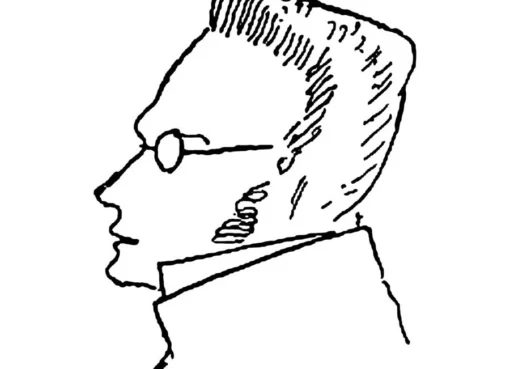
However, the article concludes with a powerful perspective from André Malraux, the renowned French Resistance leader, writer, and historian. Malraux’s words offer a profound meditation on the human condition: "The greatest mystery is not that we have been flung at random between the profusion of matter and of the stars, but that within this prison we can draw from within our selves images powerful enough to deny our own nothingness."
Malraux’s statement shifts the focus from the external circumstances of our existence – our seemingly random placement in the universe – to our internal capacity for creation and meaning-making. The ability to generate "images powerful enough to deny our own nothingness" is, in itself, a testament to the unique and mysterious nature of human consciousness. It is this inherent ability to transcend our physical limitations and create meaning that forms the core of the human spirit.
The Significance of Mystery in a Contemporary World
The author emphasizes that "Mystery is the most important word here, the mystery of both animal and human Being." This enduring enigma, the fundamental question of why and how we exist, seems to hold less sway in contemporary global culture, where pragmatic concerns often overshadow philosophical contemplation. Yet, it is within this very mystery that the profound insights into our existence lie.
From the immediate, tangible threat of a tick to the abstract, yet deeply felt, human experience of consciousness and spirit, the concept of "being" encompasses an astonishing range. The author’s journey, triggered by a common summer nuisance, expands into a contemplation of life’s deepest questions, reminding us that even in the smallest and most seemingly insignificant forms of life, and certainly within our own complex existence, there are profound mysteries waiting to be explored. The enduring power of human imagination and the search for meaning, as highlighted by Malraux, offer a compelling response to the inherent uncertainties of our existence, suggesting that perhaps the greatest act of "being" is our capacity to perceive and even defy our own perceived insignificance.

Leave a Comment