The Titanium Pivot: How Samsung’s New Flex Titanium Technology Aims to Eradicate the Foldable Crease
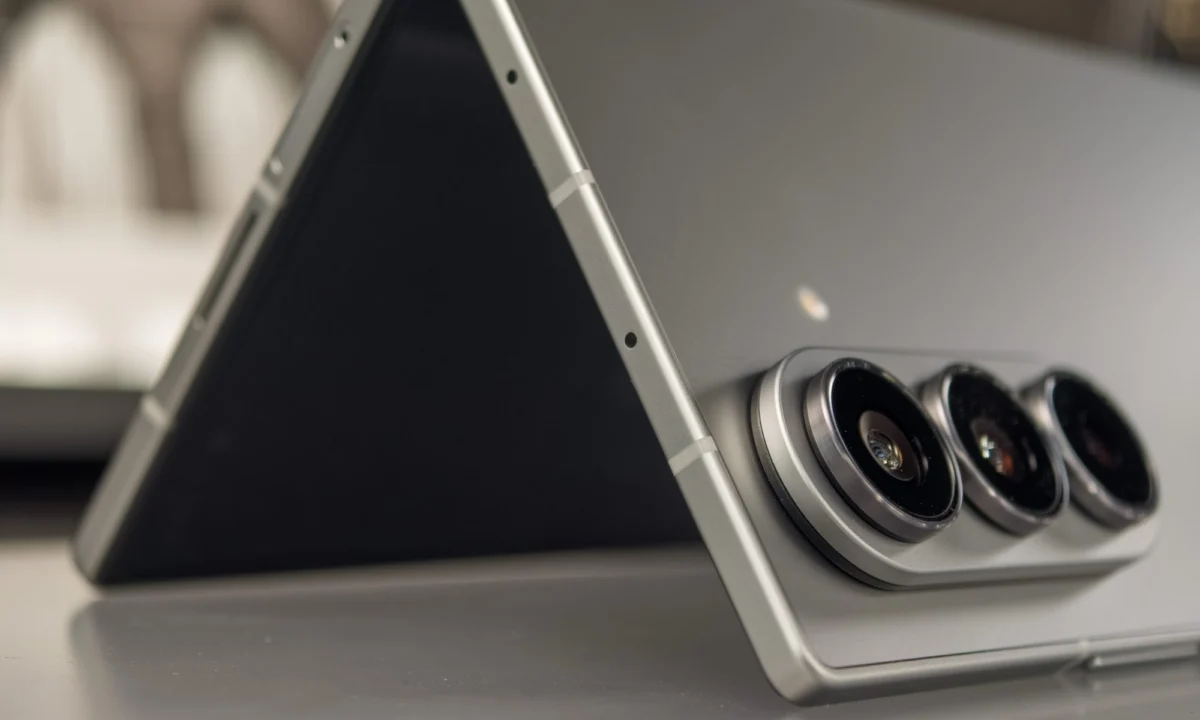
The smartphone industry has reached a pivotal juncture where incremental upgrades in camera megapixels and processor speeds no longer ignite the consumer fervor they once did. In this climate, the foldable segment remains the primary frontier for genuine hardware innovation. Yet, for all their futuristic appeal, foldable devices have been haunted by a persistent "white whale": the visible, tactile crease.
Samsung, the undisputed pioneer of the category, has officially unveiled its most ambitious solution to date. Dubbed Flex Titanium, this new display technology represents a fundamental shift in how flexible panels are engineered. By moving away from purely polymer-based supports and integrating aerospace-grade materials, Samsung is signaling that the era of "compromised" foldable displays may finally be coming to an end.
Main Facts: The Anatomy of Flex Titanium
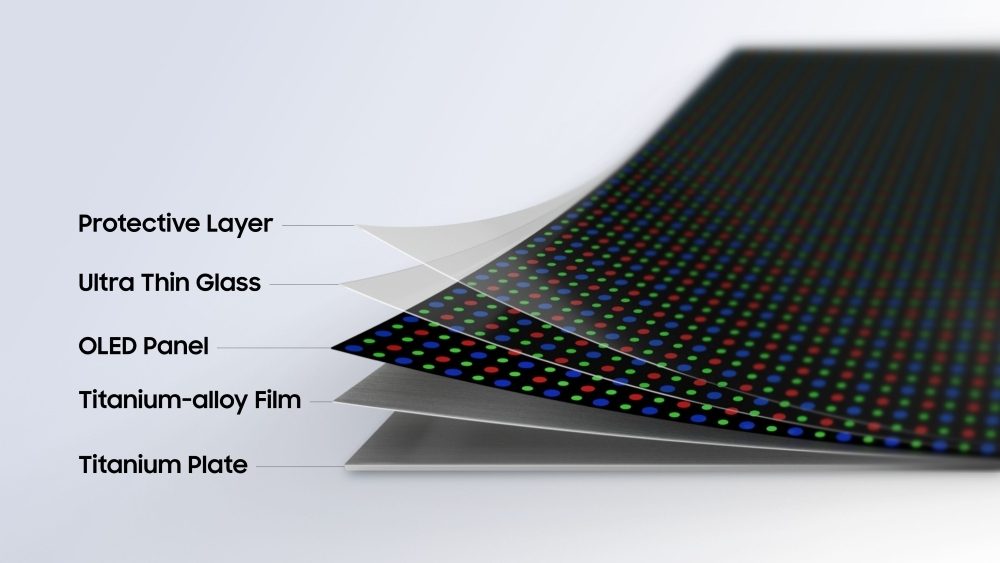
At its core, Flex Titanium is not a single component but a sophisticated multi-layered architecture designed to provide structural rigidity while maintaining the elasticity required for a folding motion. The technology is defined by two primary titanium-based elements:

- The Titanium Alloy Film: Positioned directly beneath the OLED panel, this film serves as the first line of defense against deformation. According to Samsung, this alloy film offers 20 times more stiffness than the traditional polymer films utilized in previous Galaxy Z Fold generations. This stiffness is critical because it prevents the display from "dipping" into the hinge gap over time—the primary cause of a permanent crease.
- The Titanium Plate: Located at the base of the display module, the titanium plate acts as the structural foundation. While previous models used stainless steel or heavy-duty plastics, the switch to titanium allows for a higher strength-to-weight ratio.
- Advanced Hole Processing: To ensure the display remains perfectly flat when unfolded, Samsung has introduced a proprietary "hole processing" technique. This manufacturing step removes microscopic air gaps between the titanium plate and the display module. By creating a vacuum-like bond, the screen receives uniform support across its entire surface area, eliminating the "wavy" texture often seen on large foldable internal screens.
The physical dimensions of these components are a marvel of modern engineering. To ensure the phone does not become prohibitively thick, Samsung employs a precision rolling process that thins the titanium to approximately one-third the width of a human hair.
Chronology: The Evolution of the Foldable Screen
To understand the significance of Flex Titanium, one must look at the arduous journey Samsung has undertaken since 2019. The path to a crease-free future has been defined by several distinct technological epochs:
- 2019 – The Plastic Era: The original Galaxy Fold utilized a polyimide (plastic) top layer. While flexible, it was highly susceptible to scratches and developed a deep, distracting crease almost immediately.
- 2020 – The UTG Breakthrough: With the Galaxy Z Flip, Samsung introduced Ultra Thin Glass (UTG). This was a massive step forward in tactile feel, making the screen feel like "real" glass, though the underlying support structure still relied on polymers that couldn’t fully mask the hinge indentation.
- 2022-2024 – Hinge Refinement: During the Z Fold 4 through Z Fold 6 era, Samsung focused on the "Waterdrop Hinge" (introduced later in their cycle compared to Chinese competitors). This allowed the screen to tuck into the body in a teardrop shape, reducing stress on the panel, but the crease remained visible under direct light.
- 2025-2026 – The Material Revolution: With the announcement of Flex Titanium, Samsung is shifting focus from the geometry of the fold to the material science of the support layers. This represents the first time a metal as rigid as titanium has been successfully integrated into the actual "flexing" stack of the display.
Supporting Data: Why Titanium?
The choice of titanium is not merely a marketing gimmick designed to capitalize on the "titanium trend" started by the iPhone 15 Pro. The material was selected for its unique physical properties that solve specific engineering hurdles in foldable tech.
Strength vs. Weight
Titanium possesses the highest strength-to-density ratio of any metallic element. For a foldable phone, weight is a critical metric. Using stainless steel to achieve the same 20x stiffness of Flex Titanium would have made the Galaxy Z Fold 8 (the rumored debut device) significantly heavier than its predecessors. Titanium allows Samsung to increase durability while potentially reducing the overall weight of the device.
Thermal Resilience
Foldable displays are sensitive to heat, which can soften the adhesives and polymers used in the screen stack, making the crease more prominent over time. Titanium is highly resistant to thermal expansion and maintains its structural integrity across a wider range of temperatures than the polymers it replaces.
Power Efficiency and Clarity
Beyond the metal support, Samsung’s new display architecture incorporates refined organic materials. While the company has not released exact percentage gains, early data suggests that the new architecture improves power efficiency by 10-15%. This is achieved by reducing the internal light reflection within the display stack, allowing the OLED pixels to achieve higher perceived brightness with less power draw.

Official Responses and Market Positioning
Samsung’s official communications regarding Flex Titanium have been uncharacteristically bold. In a press release, the company stated that the technology was specifically engineered to address the "three biggest complaints" of foldable users: visibility of the crease, fragility of the panel, and device thickness.
Industry analysts suggest that Samsung is feeling the pressure from the "Memory Crisis" and rising component costs. With competitors like Google (with the Pixel 11 series) and various Chinese manufacturers pushing the boundaries of thinness, Samsung needs a hardware "moat."
"Flex Titanium isn’t just about making the phone look better; it’s about making it last longer," says one senior supply chain analyst. "By using a material associated with Mars rovers and satellite antennas, Samsung is attempting to re-brand the foldable from a ‘fragile luxury’ to a ‘durable powerhouse.’"

The company has confirmed that this technology will debut in the "next generation of Galaxy foldables," with a full reveal expected at the Galaxy Unpacked event on July 22, 2026.
Implications: The End of the "Foldable Compromise"
The introduction of Flex Titanium carries profound implications for the future of mobile computing. For years, the "foldable compromise" meant that in exchange for a larger screen, users had to accept a thicker device, a less durable screen, and a visible line down the center of their content.
1. The Mainstream Pivot
If Flex Titanium successfully renders the crease invisible to the naked eye, the last major psychological barrier to foldable adoption will fall. Consumers who were previously deterred by the "plastic" look of foldable screens may finally view these devices as equal in quality to traditional "slab" flagships like the S24 Ultra or iPhone 16.

2. The Thinness Race
By utilizing a material that is 20 times stiffer, Samsung can theoretically make the display module thinner without sacrificing strength. This could lead to a foldable that, when closed, is no thicker than a standard smartphone. This "holy grail" of design would likely force Apple and Google to accelerate their own foldable timelines.
3. Sustainability and Longevity
One of the hidden costs of foldables has been the "hinge fatigue" that develops after 100,000+ folds. The stiffness of the titanium alloy film suggests that the screen will maintain its "out-of-the-box" flatness for much longer, potentially extending the usable lifespan of these devices from two or three years to five or six. This aligns with the industry-wide move toward seven-year software support cycles.
Conclusion: A High-Stakes Gamble
Samsung is betting heavily on material science to maintain its dominance in a market it created. The transition to Flex Titanium is a high-stakes gamble; titanium is notoriously difficult and expensive to machine, especially at the "one-third of a hair" thickness required for this application.

However, if the real-world performance matches the technical specifications, the Galaxy Z Fold 8 and its successors could represent the most significant leap in smartphone hardware in a decade. As we look toward the July 2026 Unpacked event, the question is no longer whether phones can fold, but whether they can finally do so without leaving a trace. For the first time, the answer appears to be a resounding "yes."