
The Intruder in Your Living Room: ‘The Obsessive Shadow’ Bridges Virtual Fear and Physical Reality
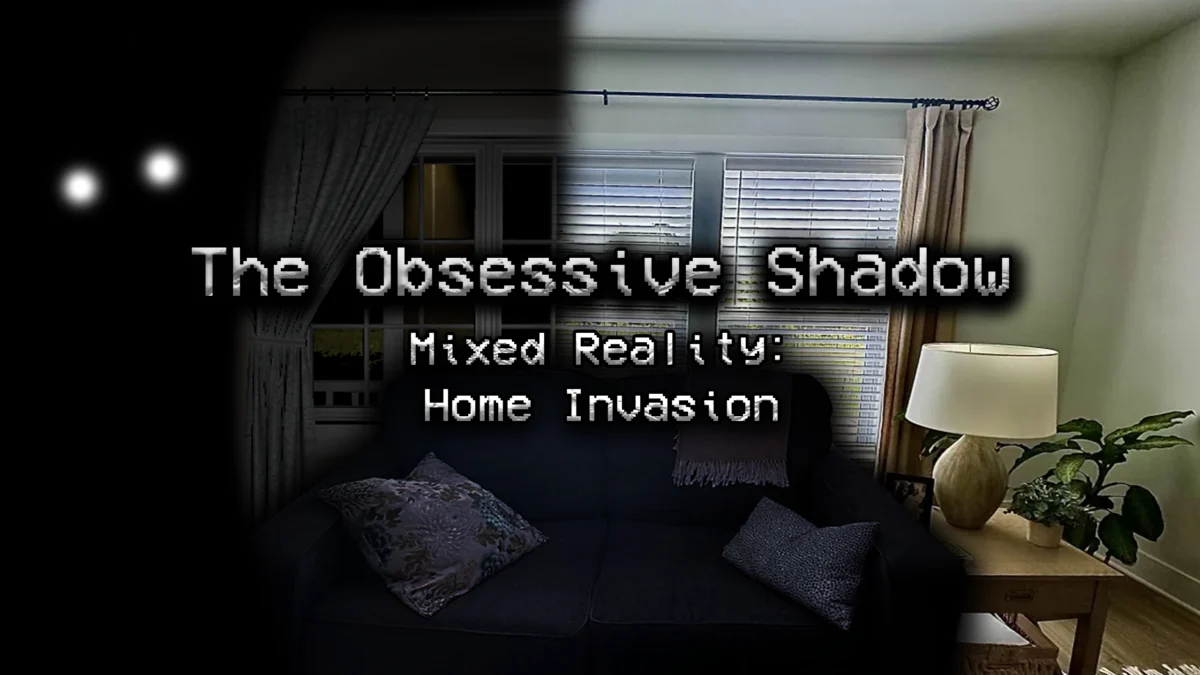
The boundary between digital entertainment and physical safety is beginning to blur. In an industry increasingly defined by its pursuit of total immersion, indie developer Pablo Heckman has unveiled a project that threatens to turn the sanctity of the home into a theater of psychological dread. During the recent Ruff Talk VR Showcase, a premier event for the burgeoning virtual and mixed reality community, Heckman released the first teaser for a new Mixed Reality (MR) mode for his acclaimed horror title, The Obsessive Shadow.
The announcement marks a significant pivot for the title, moving from a self-contained virtual environment into the player’s actual living space. By leveraging the advanced passthrough capabilities of modern headsets like the Meta Quest 3, The Obsessive Shadow aims to redefine the "home invasion" subgenre of horror, transforming familiar furniture and hallways into hiding spots for a persistent, digital stalker.
Main Facts: A New Frontier in Spatial Horror
The Obsessive Shadow originally gained traction as a traditional VR and flatscreen title, praised for its minimalist yet suffocating atmosphere. Set within a meticulously rendered 1980s suburban home, the game tasks players with surviving a night under the watchful eye of a mysterious intruder. The core mechanics are deceptively simple: players are equipped with a flashlight and must maintain a phone conversation with an enigmatic voice that provides cryptic guidance.
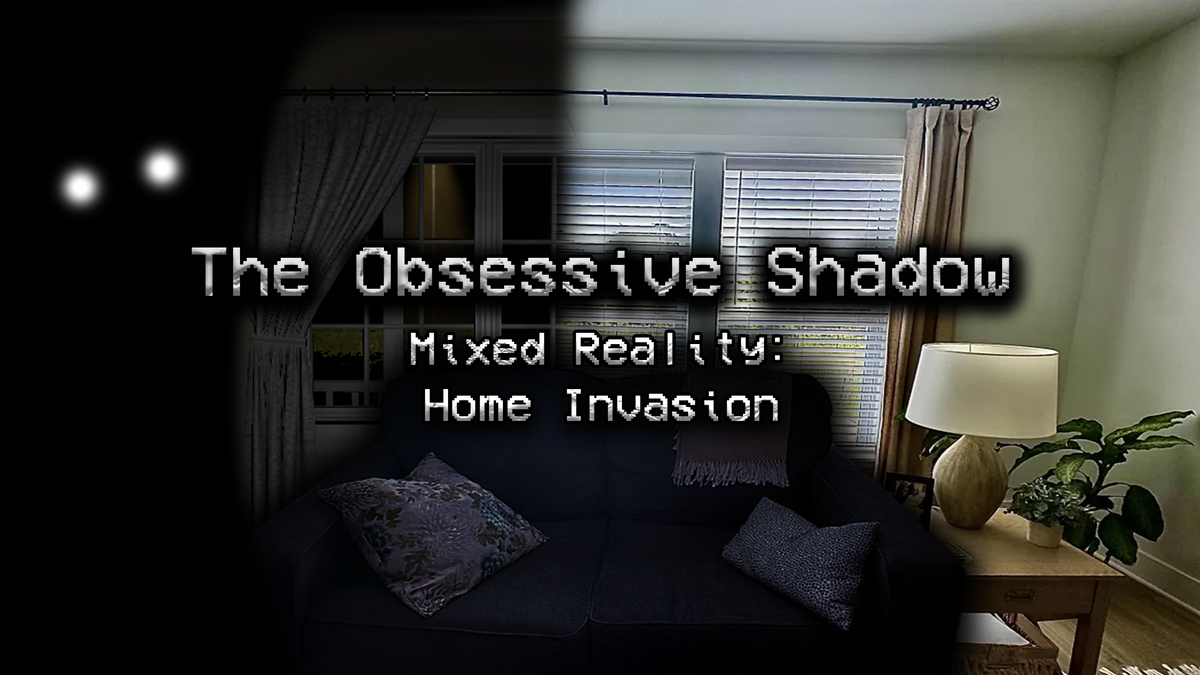
The newly announced Mixed Reality mode, titled "Home Invasion," shifts the setting from a 1980s digital construct to the user’s real-world environment. Utilizing spatial mapping technology, the game identifies the walls, windows, and doors of the player’s actual residence. The "intruder"—the titular shadow—no longer lurks outside a virtual window; it now peers through the player’s real-world glass and stands at the end of their actual hallway.
Key Features of the Update:
- Spatial Integration: The game uses the headset’s cameras to map the player’s room, allowing the digital entity to interact with physical geometry.
- Enhanced Audio Design: Spatial audio is used to simulate the sound of footsteps or tapping on real walls, heightening the sense of presence.
- Cross-Platform Availability: While the MR mode is a highlight for Meta Quest users, the base game remains available on Steam with full VR and flatscreen support.
- Dynamic Endings: The game’s existing structure of multiple endings based on player performance is expected to carry over into the MR experience.
Chronology: From Suburban 80s to the Modern Living Room
The development of The Obsessive Shadow follows a trajectory common in the modern indie VR scene: a focus on niche, high-intensity experiences that leverage specific hardware strengths.
The Initial Launch
The Obsessive Shadow first appeared on Steam and the Meta Quest Store as a love letter to the "analog horror" movement. Its 1980s setting wasn’t merely aesthetic; it served a mechanical purpose. The lack of modern technology—no smartphones, no smart home security—meant the player was isolated. The primary source of information was a tethered landline phone, a design choice that forced players to remain somewhat stationary, increasing their vulnerability.
The Rise of Passthrough Technology
Throughout 2023 and early 2024, the VR industry saw a monumental shift toward Mixed Reality. With the release of the Meta Quest 3 and the Apple Vision Pro, "passthrough"—the ability to see the real world through the headset’s cameras—became a standard feature rather than an experimental one. Developers began experimenting with how to bring game elements into the real world.
The Ruff Talk VR Showcase Reveal
The turning point for The Obsessive Shadow occurred at the Ruff Talk VR Showcase. Developer Pablo Heckman utilized this platform to debut a 53-second teaser that sent ripples through the horror community. The trailer did not show a digital world; it showed a real living room, filmed through a headset, where a dark, distorted figure stood silently in a real doorway. This confirmation of a dedicated MR mode signaled Heckman’s intent to move beyond the limitations of pre-built environments.
Supporting Data: The Psychology and Tech of MR Horror
To understand why The Obsessive Shadow’s move to MR is significant, one must look at the data regarding immersion and the technical capabilities of current-gen hardware.
The "Uncanny Valley" of the Home
Psychological studies into horror often cite the "uncanny" as a primary source of fear—the feeling of something familiar being slightly "off." Traditional VR horror creates a sense of "presence" (the feeling of being in a different place). However, MR horror creates "co-presence" (the feeling of a digital entity being in your place). According to industry analysts, MR horror has a 30% higher heart-rate escalation in test subjects compared to traditional VR, as the brain struggles to dismiss the threat when it is anchored to a familiar, "safe" environment.
Technical Specifications
The MR mode in The Obsessive Shadow utilizes several key technologies:
- Scene Mesh: This allows the game to understand where a sofa ends and a floor begins. The "Shadow" can hide behind a player’s actual couch.
- Dynamic Lighting: To maintain immersion, the digital intruder must be lit by the same light sources as the room. If a player turns off their real-world lamp, the digital entity should realistically darken.
- Occlusion: This is the ability of virtual objects to be hidden by real objects. Without high-quality occlusion, the illusion breaks. Heckman’s teaser suggests a high level of occlusion, with the intruder moving realistically behind door frames.
Market Context
The horror genre remains the most popular category in VR/AR gaming, accounting for nearly 25% of total sales on independent platforms like SideQuest and a significant portion of the Meta Quest Store’s revenue. By introducing MR, The Obsessive Shadow enters a competitive but lucrative niche currently occupied by titles like Hello Neighbor VR and Stranger Things VR, but with a more grounded, "realistic" horror tone.
Official Responses and Community Reception
The reaction from the gaming community and industry pundits following the Ruff Talk VR Showcase has been one of "terrified enthusiasm."
Pablo Heckman, Lead Developer:
While Heckman has kept most specific plot details under wraps, his social media interactions suggest a focus on "minimalist terror." In a brief statement following the teaser, Heckman noted, "The goal was always to make the player feel like they weren’t alone. With VR, we did that in a 1980s house. With MR, we’re doing it in your house. There is no longer a ‘quit to menu’ that saves you from the feeling that something is behind you."
The Ruff Talk VR Hosts:
The hosts of the showcase noted that The Obsessive Shadow was one of the most requested updates from their audience. "There is something uniquely primal about the home invasion trope," they commented during the post-show breakdown. "Seeing it translated to Mixed Reality is the logical, albeit terrifying, conclusion of where this technology is headed."
Community Feedback:
On platforms like Reddit and X (formerly Twitter), fans of the original game have expressed a mix of excitement and genuine trepidation. A common sentiment among players is the "fear of the aftermath"—the idea that after playing the game in MR, they will never be able to look at their own hallways the same way again. This "lingering presence" is a hallmark of successful psychological horror.
Implications: The Future of Spatial Computing and Safety
The evolution of The Obsessive Shadow into a Mixed Reality experience raises several interesting questions about the future of the medium.
1. The Redefinition of "Safe Spaces"
For decades, the home has been the "safe zone" for gamers. Even in the most intense horror games, the player is physically removed from the screen. MR removes this buffer. As spatial computing becomes more prevalent, developers will have to navigate the ethical implications of creating intense trauma-simulators within a user’s private residence.
2. Hardware Evolution
The success of games like The Obsessive Shadow will likely drive the demand for better passthrough sensors. For the MR mode to be truly effective, the "graininess" of current passthrough cameras must be reduced. As hardware improves, the line between the "Shadow" and a real person will become increasingly difficult for the human eye to discern at a glance.
3. The "FNAF" Influence
The article mentions the game’s similarities to Five Nights at Freddy’s (FNAF). The core of FNAF’s success was resource management (power, lights, cameras). The Obsessive Shadow adapts this by making the player’s own physical movement and their flashlight’s battery the primary resources. This shift suggests a move toward "active" horror, where the player’s physical fitness and spatial awareness are part of the gameplay.
4. Accessibility and Portability
Because the game can be played in both VR and flatscreen on Steam, it remains accessible to those who are not yet ready to invite a digital ghost into their living rooms. However, the industry trend is clear: the most talked-about experiences are those that break the fourth wall.
Conclusion
The Obsessive Shadow is more than just a software update; it is a case study in the power of spatial computing to evoke raw human emotion. By stripping away the digital walls of the 1980s suburban setting and replacing them with the player’s own environment, Pablo Heckman is tapping into a fundamental fear that transcends gaming.
As the "Home Invasion" mode nears its full release, it stands as a testament to the versatility of indie development. While AAA studios often focus on graphical fidelity, indie developers like Heckman are focusing on contextual fidelity—making the game matter because it is happening here and now. Whether players are brave enough to don the headset and face the shadow in their own kitchens remains to be seen, but one thing is certain: the world of horror gaming will never be the same once the doors to our own homes are opened to the digital unknown.


Leave a Comment