
Nuart Aberdeen Unveils Groundbreaking Festival: A Poetic Revolution in Street Art
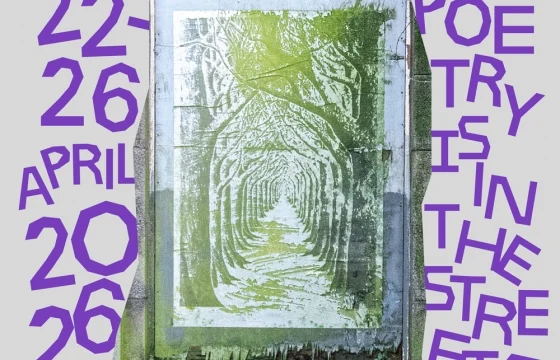
Aberdeen, Scotland – April 22-26, 2026 – The vibrant streets of Aberdeen are set to transform into an open-air gallery and a crucible of linguistic artistry as Nuart Aberdeen launches its most ambitious iteration to date. From April 22nd to April 26th, 2026, the city will host a street art festival with a unique and unprecedented focus: poetry and text-based works. This pioneering initiative aims to shift the dominant paradigm of large-scale, figurative murals, championing a more accessible and democratically engaged form of public art that resonates with the power of words.
Nuart Aberdeen, a globally recognized platform for cutting-edge urban art, has consistently pushed the boundaries of what constitutes street art. While acknowledging and celebrating the monumental murals that have become a hallmark of the genre, the festival’s curatorial team, led by Nuart Founder and Curator Martyn Reed, recognizes a pressing need to evolve. This year’s focus on poetry and text is a deliberate response to the perceived limitations of large-scale, resource-intensive murals in fostering wider public participation and artistic development.
"For better or worse, the large-scale colourful figurative mural has come to dominate the culture we work with," states Reed in his introductory notes for the festival. "Although it’s an aspect of the culture we support, due to the resources required to produce murals, they’re perhaps also the least democratic form of art on the streets. As curators, researchers and producers working in ‘festival’ culture, we have a responsibility to not only showcase and celebrate the most interesting and technically competent works of our time, but to also ensure the culture’s development and survival."
A Shift in Artistic Dialogue: From Canvas to Conversation
The genesis of this poetic turn can be traced to a fundamental observation about the nature of artistic inspiration and accessibility. Reed highlights the profound impact of smaller, more intimate street art interventions – stencils, paste-ups, and subtle alterations to the urban landscape. These forms, he argues, possess a remarkable capacity to ignite creative sparks in the general public. The ease of replication, exemplified by the iconic Banksy stencil which requires minimal tools and a singular idea, has historically served as a bedrock for street art culture’s expansion. This philosophy is deeply embedded in Nuart’s ethos, which has always strived to be more than just a producer of art, but a catalyst for the next generation of artists.
"What we do have evidence for, is that the smaller, more human scale works – the stencils and paste ups and interventions – do have this effect," Reed explains. "You could say that the ease of copying a Banksy stencil, which requires no more than a craft knife, a piece of cardboard and an idea, is the very foundation of this culture. We’ve seen this happen time and time again. Indeed, several of the producers and artists joining us this year, started their artistic journey as assistants and volunteers at Nuart."
This year’s festival is not merely an exhibition; it is an exploration of how words can transform public spaces, foster dialogue, and democratize artistic creation. By shifting the primary focus from visual spectacle to the evocative power of text, Nuart Aberdeen is poised to engage a broader audience, inviting them to consider the narratives, messages, and emotions embedded within the urban environment.
Chronology of a Poetic Vision
The conceptualization of a text-centric street art festival was a journey of reflection and inspiration for Martyn Reed. The idea began to crystallize as he contemplated the balance between the commercial demands of sponsors and partners, the need to captivate the public, and the imperative to create works that inspire critical thought and future artistic endeavors.
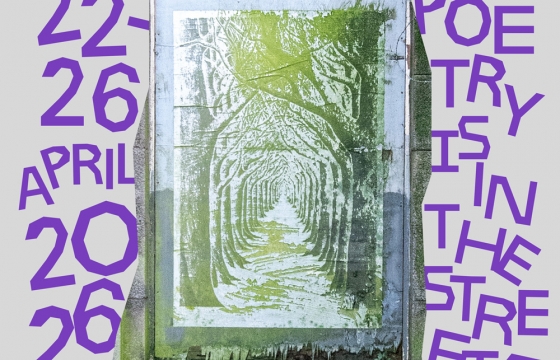
Reed vividly recalls imagining a city devoid of public art, where all creative expression is confined within institutional walls, guarded and inaccessible. This stark vision was juxtaposed with the potent imagery of the 1968 student uprisings in Paris, a period of immense creative effervescence. It was during this time that the powerful slogan, "La poésie est dans la rue" – "Poetry is in the Streets" – emerged, encapsulating the spirit of art breaking free and infiltrating the public consciousness. This historical echo planted a seed: could Nuart harness this same energy to revitalize and energize the street art culture?
Further inspiration arrived in the form of a quote from pioneering UK graffiti writer Mode2. Discussing the proliferation of graffiti culture in the UK during the 1980s, Mode2 attributed its success to its inherent accessibility. He observed that in a traditional educational setting, individuals lacking conventional artistic skills were often marginalized. Graffiti, however, offered a different pathway. "All you had to know to create and engage with it, was your ABC’s," he quipped, highlighting the fundamental literacy required to engage with the nascent graffiti scene.
These two seemingly disparate moments – the revolutionary spirit of Paris and the simple accessibility of the alphabet – coalesced into the core concept for Nuart Aberdeen 2026. "And that was it," Reed reflects. "It was these two quite innocuous events that formed the genesis of this year’s poetry and text based Nuart. These are forms of creative expression that we all have access to and I hope the festival sparks the public’s imagination in the same way that those early bubble letters and Banksy stencils did."
Supporting Data: The Enduring Power of Words in Public Space
The decision to champion poetry and text in street art is not without precedent, though it is a rarity on a festival scale. Throughout history, words have served as potent tools for social commentary, political activism, and artistic expression in public spaces. From ancient inscriptions to modern graffiti, text has consistently proven its ability to communicate directly and powerfully.
The rise of artists like Banksy, whose stencil work often relies on witty, politically charged text, has demonstrated the immense public resonance of this approach. Beyond Banksy, numerous artists globally utilize typography, slogans, and narratives within their street art to provoke thought, challenge norms, and create moments of introspection.
Furthermore, academic research consistently underscores the impact of textual elements in public art. Studies on urban signage, public installations, and even the linguistic landscape of cities reveal how words shape our perception of place, our understanding of social dynamics, and our emotional responses to our surroundings. The integration of poetry into the urban fabric offers a unique opportunity to elevate these conversations, transforming the everyday into the extraordinary through the deliberate and artistic use of language.
The chosen artists for Nuart Aberdeen 2026 represent a diverse spectrum of talent, each bringing a unique perspective to the fusion of text and urban art. Their inclusion underscores the festival’s commitment to showcasing a broad range of approaches, from subtle interventions to bold declarations. The lineup includes:
- Alisa Oleva (UK)
- Ciarán Glöbel (SCT)
- dr.d AKA Subvertiser (UK)
- HICKS (UK)
- James Klinge (SCT)
- KMG (SCT)
- Molly Hankinson (UK)
- Remi Rough (UK)
- Robert Montgomery (SCT)
- The Rebel Bear (SCT)
- The Writing Is On The Wall (UK)
- Trackie McLeod (SCT)
- V2k | (LT – SCT)
This curated selection promises a rich tapestry of linguistic artistry, ensuring that the streets of Aberdeen will become a dynamic forum for poetic expression.
Official Responses: Embracing the Poetic Transformation
Nuart Aberdeen has consistently benefited from the support of progressive partners who understand the festival’s mission to innovate and engage. This year’s focus on poetry and text is no exception. The festival’s ability to secure such a dedicated base of support from thoughtful and forward-thinking entities is a testament to its visionary approach.
While specific quotes from city council members or official bodies are not provided in the initial announcement, the continued partnership with the city council, as acknowledged by Martyn Reed, signifies a crucial endorsement. Such collaborations are vital for navigating the logistical complexities of a large-scale public art festival and for ensuring its integration into the urban fabric.
The statement from Martyn Reed expresses gratitude: "Thank you as ever to all of our sponsors, partners and to the city council, for allowing us once again to make a contribution to what we believe is a magical and inspiring city." This sentiment suggests a collaborative spirit and a shared vision for Aberdeen’s cultural landscape. The success of such initiatives often hinges on the willingness of civic authorities to embrace artistic interventions that might initially challenge conventional perceptions of urban aesthetics. The longevity and growth of Nuart Aberdeen indicate a positive and receptive environment for creative expression within the city.
Implications: A New Chapter for Street Art and Public Engagement
The implications of Nuart Aberdeen’s poetic turn are far-reaching, potentially reshaping the discourse surrounding street art and its role in society.
Democratization of Art: By prioritizing text-based art, the festival directly addresses the issue of accessibility. The foundational requirement of literacy, as highlighted by Mode2, opens the door for a wider range of individuals to engage with and potentially participate in the creation of public art. This can foster a more inclusive and representative artistic landscape, breaking down barriers that may have previously excluded those without formal artistic training or access to expensive materials.
Deepening Public Engagement: Poetry and text have an inherent capacity to communicate complex emotions, ideas, and narratives in a concise and impactful manner. This can lead to a more profound and personal connection between the artwork and the public. Instead of merely observing a visually stunning mural, audiences will be invited to read, reflect, and engage with the meaning embedded in the words, fostering deeper contemplation and dialogue.
Challenging Artistic Norms: This festival consciously pushes against the prevailing trends in street art, which have often favored large-scale, visually dominant murals. By foregrounding text, Nuart Aberdeen challenges artists and audiences alike to reconsider the very definition and potential of public art. This bold move can inspire other festivals and urban art initiatives to explore diverse artistic approaches and embrace more experimental forms.
Inspiring Future Generations: The core goal of Nuart has always been to inspire and cultivate the next generation of artists. By showcasing accessible forms of expression like poetry and text-based art, the festival provides tangible examples of how creativity can manifest in everyday life. This can empower aspiring artists, particularly those from less privileged backgrounds, to see themselves as potential creators and to find their own voices within the public sphere.
Enhancing Urban Identity: The integration of poetic narratives into the urban landscape can imbue Aberdeen with a unique cultural identity. The city can become a living canvas where stories unfold, ideas are debated, and a collective sense of place is fostered through the resonant power of words. This can contribute to a richer, more engaging, and more meaningful urban experience for residents and visitors alike.
In conclusion, Nuart Aberdeen 2026 marks a pivotal moment in the evolution of street art. By embracing poetry and text as its primary medium, the festival is not just presenting art; it is initiating a conversation, democratizing creativity, and reminding us all that "Poetry is in the Streets," waiting to be discovered, interpreted, and celebrated. This groundbreaking initiative promises to leave an indelible mark on Aberdeen and to inspire a new wave of artistic exploration worldwide.


Leave a Comment