
Talisman Returns: A Deep Dive into the Highly Anticipated 5th Edition
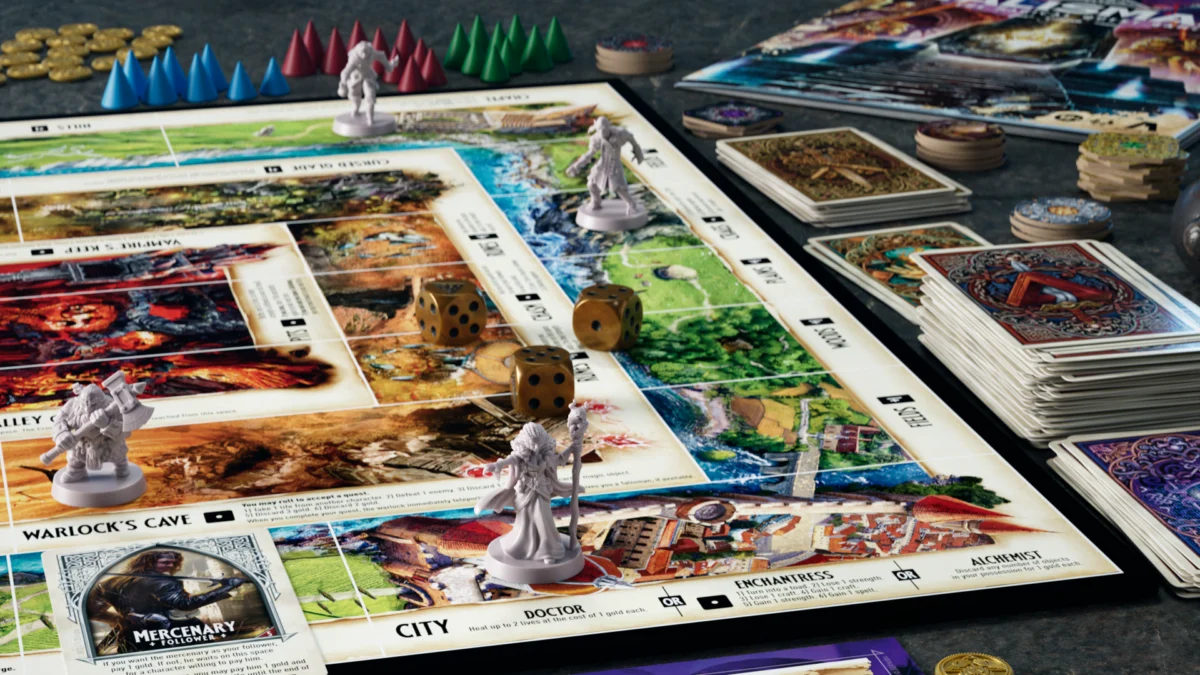
The venerable fantasy adventure board game, Talisman, is set to embark on a new quest with the imminent release of its 5th edition. Titled Talisman: The Magical Quest Board Game – 5th Edition, this highly anticipated iteration promises a streamlined experience, updated artwork, and fresh components, all while aiming to capture the hearts of both seasoned adventurers and newcomers alike. Published by Avalon Hill, a studio renowned for its immersive thematic games like Betrayal at House on the Hill, the revival signals a significant moment for one of tabletop gaming’s most enduring classics.
Main Facts
The Grand Return of a Fantasy Classic
On August 1st, tabletop gaming enthusiasts worldwide will mark their calendars for the launch of Talisman: The Magical Quest Board Game – 5th Edition. This latest incarnation of the iconic adventure board game, priced at $60 (approximately £47), is being spearheaded by Avalon Hill, a subsidiary of Wizards of the Coast. The publisher’s track record with critically acclaimed titles, particularly the horror-themed Betrayal at House on the Hill series, sets a high expectation for the quality and thematic immersion of this new release.
At its core, Talisman retains its classic premise: two to six players embark on an epic journey across a mystical land, each vying to be the first to reach the coveted Crown of Command located at the very heart of the board. Players select from a diverse roster of character archetypes, drawing inspiration from the rich tapestry of fantasy role-playing games, and then navigate a perilous landscape filled with challenges, treasures, and rival adventurers.
The 5th Edition is poised to introduce a host of significant enhancements designed to refresh the gameplay while honoring its storied legacy. Key among these updates are a promise of "streamlined" gameplay, intended to make the game more accessible without sacrificing its strategic depth. Visually, the entire game has undergone a complete overhaul, boasting brand new artwork and updated components that aim to immerse players further into the magical realm of Talisman. The game will feature 100 distinct adventure cards, ensuring varied encounters in every playthrough, and offers a selection of 12 unique playable characters, including fan favorites like the Thief, Monk, Warrior, Ghoul, and Sorceress, each offering distinct abilities and strategic pathways to victory. These changes collectively signify a concerted effort to modernize Talisman for a contemporary audience while preserving the adventurous spirit that has captivated players for decades.
Chronology
A Journey Through Time: Talisman’s Legacy
The history of Talisman is as rich and winding as the quests undertaken within its fantastical world. Spanning over four decades, its evolution reflects the broader trends and innovations within the tabletop gaming industry.
1983: The Genesis with Games Workshop
Talisman first saw the light of day in 1983, a product of the burgeoning creativity at Games Workshop. Conceived by designer Robert Harris, the original edition quickly carved out a niche for itself as a quintessential fantasy adventure board game. At the time, Games Workshop was rapidly establishing itself as a powerhouse in the tabletop realm, particularly with the foundational work on what would become the globally recognized Warhammer and Warhammer 40,000 miniature wargames. Talisman stood as a testament to their early ambitions beyond miniatures, demonstrating a commitment to diverse gaming experiences. The game’s innovative use of a multi-ring board, character progression, and card-driven encounters laid a crucial groundwork for many subsequent fantasy adventure titles. It invited players into a world of magic, monsters, and heroism, fostering a sense of epic narrative through emergent gameplay.
The Early Editions and Expansions
Following its initial success, Talisman underwent several revisions and received a multitude of expansions throughout its early life. The 2nd and 3rd editions, while maintaining the core mechanics, introduced refinements, new characters, and expanded the game’s lore. These early expansions, such as The Dungeon, The City, The Highlands, and The Dragon, were instrumental in keeping the game fresh and engaging. They added new regions to explore, formidable enemies to overcome, powerful spells to master, and a wealth of new objects and followers to aid adventurers on their quest. This continuous infusion of new content allowed players to delve deeper into the Talisman universe, ensuring high replayability and cultivating a dedicated fanbase that appreciated the ever-expanding possibilities for adventure. Each expansion meticulously built upon the existing framework, enriching the strategic options and narrative threads available to players.
2008: Fantasy Flight Games Takes the Reins
A pivotal moment in Talisman’s history occurred in 2008 when publishing rights were acquired by Fantasy Flight Games (FFG). Known for their lavish productions, intricate mechanics, and deeply thematic experiences, FFG breathed new life into the franchise with the release of a revised Fourth Edition. This edition was celebrated for its significantly upgraded components, stunning artwork, and a comprehensive approach to integrating years of accumulated lore and mechanics. FFG’s stewardship saw a renewed surge in popularity for Talisman, supported by a robust release schedule of expansions that continued to flesh out the world and introduce new gameplay elements. Their commitment to high-quality production values elevated Talisman’s aesthetic and tactile appeal, setting a new standard for the game. FFG’s reputation, exemplified by their recent ventures like the popular Star Wars: Unlimited trading card game, ensured that Talisman remained at the forefront of modern tabletop gaming. Under FFG, Talisman solidified its position not just as a classic, but as a continuously evolving and relevant title in the fantasy adventure genre.
Digital Adaptations and Continued Popularity
Beyond its physical board game iterations, Talisman also successfully transitioned into the digital realm. Nomad Games, for instance, developed a highly acclaimed digital adaptation that brought the intricate gameplay and rich lore to PC, mobile, and console platforms. These digital versions played a crucial role in expanding Talisman’s reach, introducing the game to a new generation of players who might not have otherwise encountered the physical board game. They offered convenient ways to play, facilitated online multiplayer, and provided accessible tutorials, thereby contributing significantly to the game’s enduring popularity and ensuring its legacy continued to grow across different mediums. The digital presence helped maintain a vibrant community and kept the game relevant in an increasingly digital world.
The Road to the 5th Edition
Following FFG’s comprehensive Fourth Edition and its numerous expansions, a period of relative quietude for the physical game ensued, though its digital counterpart thrived. The announcement of a 5th edition, therefore, marks a significant return to the forefront for the venerable franchise. The decision to entrust Avalon Hill with this task speaks volumes about the publisher’s confidence in the studio’s ability to handle beloved intellectual properties. Avalon Hill, with its legacy stretching back to the 1950s and its modern reputation for blending strategic depth with compelling narratives, particularly evident in the Betrayal at House on the Hill series, appears to be an ideal candidate to shepherd Talisman into its next era. This new edition is not just a reprint; it represents a thoughtful re-evaluation and modernization of a game that has captured imaginations for over four decades, aiming to bridge the gap between nostalgic veterans and curious newcomers.
Supporting Data
Deeper Dive into Gameplay Mechanics
The enduring appeal of Talisman lies in its elegant yet challenging gameplay loop, a formula that the 5th Edition aims to refine and enhance. Understanding these core mechanics is key to appreciating the upcoming changes.
The Core Loop: Adventure and Advancement
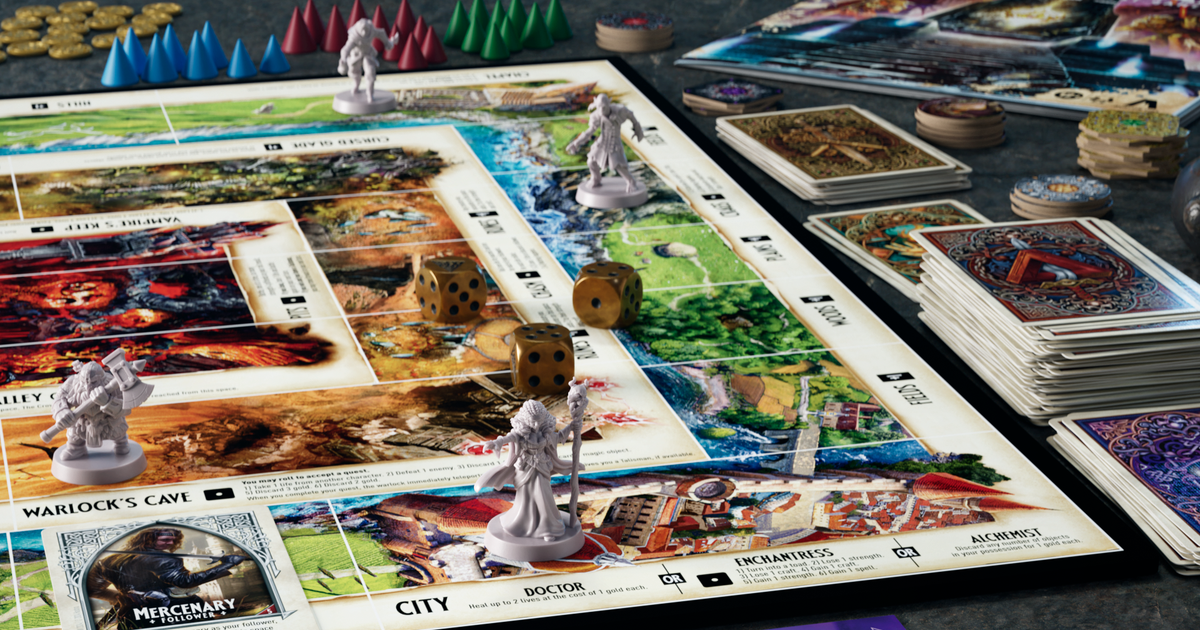
At its heart, Talisman is a race to the center, a journey through increasingly dangerous concentric rings of a magical land. Players begin in the relatively safe Outer Region, gradually progressing to the more perilous Middle Region, and finally attempting to breach the highly guarded Inner Region to claim the Crown of Command. Movement is typically determined by a die roll, dictating how many spaces a character can traverse, and each space often triggers an encounter, usually by drawing an Adventure Card.
These Adventure Cards are the lifeblood of the game, presenting a kaleidoscopic array of challenges and opportunities. Players might encounter fearsome monsters requiring combat, mysterious strangers offering aid or hindrance, enigmatic places that alter destiny, or discover powerful objects and magical spells. Success in these encounters often hinges on "skill checks," typically involving a character’s Strength (for physical prowess) or Craft (for magical ability) statistics, augmented by a die roll. Characters start with a base set of statistics, and as they overcome challenges, they acquire new equipment, gain followers, learn spells, and collect magical objects, all of which contribute to their growing power and strategic flexibility. This progression system ensures that no two games are exactly alike, as the path each character takes is shaped by the cards they draw and the choices they make. The strategic depth comes from deciding which encounters to pursue, when to challenge other players, and how best to optimize one’s character for the ultimate confrontation.
Character Archetypes and Asymmetry
One of Talisman’s most cherished features is its diverse cast of playable characters, each embodying a classic fantasy archetype. The 5th Edition will feature 12 distinct characters, including iconic figures such as the nimble Thief, the wise Monk, the stalwart Warrior, the enigmatic Ghoul, and the powerful Sorceress. What makes these characters compelling is their inherent asymmetry. Each character begins with a unique set of starting statistics (Strength, Craft, Lives, Gold), special abilities, and sometimes even unique starting equipment or spells.
For instance, a Warrior might excel in combat with high Strength, making them adept at defeating monsters, while a Sorceress’s high Craft allows her to cast potent spells and manipulate magical effects. A Ghoul might possess unique abilities related to the undead, offering alternative pathways to power. This diversity ensures high replayability, as each character offers a distinct strategic experience and encourages different approaches to conquering the board. Choosing a character isn’t just a cosmetic decision; it dictates a player’s initial strengths, weaknesses, and potential paths to victory, adding a significant layer of strategic depth from the very outset of the game.
The "Streamlined" Promise: What It Could Mean
The announcement that Talisman 5th Edition’s gameplay has been "streamlined" to make it more accessible is a key detail that has sparked considerable discussion within the community. While specific details remain under wraps, "streamlined" typically implies a reduction in complexity, an acceleration of play, or a clearer presentation of rules. For a game like Talisman, which has historically been known for its sometimes lengthy playtimes and occasional rules ambiguities, this could manifest in several ways:
- Simplified Rulebook: A more intuitive and clearly organized rulebook could significantly reduce the barrier to entry for new players.
- Faster Combat Resolution: The combat system, while iconic, could sometimes be protracted. Streamlining might involve clearer combat modifiers, fewer dice rolls, or simplified damage calculations.
- Reduced Downtime: Mechanisms to keep all players engaged even when it’s not their turn could be introduced, or turn structures could be designed to be quicker.
- Clearer Card Text: Adventure, Spell, and Purchase cards might feature more concise and unambiguous wording, reducing the need for constant rulebook consultation.
- Modernized Mechanics: Certain older mechanics that might feel clunky by today’s board game design standards could be updated or removed entirely in favor of more elegant solutions.
The challenge for Avalon Hill will be to strike a delicate balance: making the game more approachable for less experienced players without alienating the dedicated fanbase who cherish the depth and classic feel of previous editions. Successful streamlining often means removing unnecessary friction while preserving the strategic core and thematic richness that defines the game.
Visuals and Components: A Modern Reimagining
Beyond gameplay, the 5th Edition promises a complete aesthetic overhaul with "brand new artwork and updated components." In an era where visual presentation and component quality are paramount in the board game market, this commitment is crucial.
- Brand New Artwork: The promise of new illustrations for the entire game, including all 100 adventure cards, suggests a cohesive and modern art direction. This new aesthetic can significantly enhance player immersion, bringing the fantastical world to life with contemporary artistic sensibilities while still evoking the classic fantasy charm. High-quality, evocative art can make each card draw and character encounter feel more impactful and memorable.
- Updated Components: This could range from improved board quality (thicker cardstock, better finish), more detailed and potentially pre-colored miniatures for characters, higher-quality tokens, and perhaps even custom dice. Enhanced components not only improve the tactile experience of playing the game but also contribute to its overall perceived value and longevity.
- 100 Different Adventure Cards: A significant number of new adventure cards ensures immense replayability. Each card represents a unique encounter or discovery, meaning that every playthrough will present different challenges and opportunities, fostering emergent narratives and ensuring that players rarely experience the exact same journey twice. This variety is key to the long-term enjoyment of an adventure game.
Together, these visual and tactile enhancements are designed to create a premium gaming experience that feels fresh and relevant in today’s competitive board game landscape, drawing in new players with its polished presentation while offering a visually refreshed take for veterans.
Official Responses
Voices from Avalon Hill and Wizards of the Coast
While specific direct quotes from Avalon Hill or Wizards of the Coast representatives were not provided in the initial announcement, industry practices and the strategic nature of such a release allow for inference regarding their perspectives and goals.
Avalon Hill’s Vision for Talisman
Avalon Hill, known for its dedication to creating immersive and story-driven tabletop experiences, likely views the acquisition and revitalization of Talisman as a cornerstone project. Their portfolio, which prominently features the beloved Betrayal at House on the Hill series—a game celebrated for its emergent narrative, atmospheric horror, and strong thematic elements—suggests a clear understanding of how to craft compelling player journeys. For Talisman: The Magical Quest Board Game – 5th Edition, Avalon Hill’s vision undoubtedly revolves around honoring the game’s foundational mechanics and established lore, which have captivated players for decades, while simultaneously infusing it with modern design sensibilities.
It is highly probable that Avalon Hill’s development team has focused on enhancing the narrative flow and thematic resonance of the game. Their expertise lies in making complex systems feel intuitive and in creating moments of high drama and player agency. The promise of "streamlined" gameplay aligns perfectly with a strategy of broadening the game’s appeal, ensuring that new players can easily grasp the rules and immediately dive into the adventure, without feeling overwhelmed by convoluted mechanics. At the same time, maintaining the strategic depth and player-versus-player interaction that are hallmarks of Talisman would be paramount to satisfying its long-standing fanbase. Avalon Hill’s role is to act as a bridge, preserving the spirit of a classic while making it accessible and appealing to a contemporary audience, leveraging their proven ability to balance tradition with innovation.
Wizards of the Coast’s Role (Parent Company)
As the parent company of Avalon Hill, Wizards of the Coast (WotC) plays a crucial strategic role in the release of Talisman: The Magical Quest Board Game – 5th Edition. WotC is a dominant force in the tabletop gaming market, boasting titans like Dungeons & Dragons and Magic: The Gathering in its extensive portfolio. The decision to greenlight a new edition of Talisman fits perfectly within WotC’s broader strategy of cultivating and expanding its intellectual property (IP) library, as well as refreshing classic titles to ensure their continued relevance.
For WotC, Talisman represents an opportunity to tap into a well-established and beloved fantasy IP that complements their existing offerings. It provides a different entry point into fantasy adventure gaming than the more role-playing intensive Dungeons & Dragons or the collectible card game Magic: The Gathering. This diversification allows WotC to capture a wider audience segment within the tabletop hobby. Furthermore, revitalizing a classic like Talisman aligns with a trend of re-introducing popular older games with updated components and rulesets, appealing to both nostalgic veterans and new generations of gamers. The project likely benefits from WotC’s extensive resources, marketing reach, and design expertise, ensuring a high-quality product that can stand alongside their other flagship titles. The company’s overarching goal is to foster a vibrant ecosystem of interconnected and engaging fantasy worlds, and Talisman’s 5th Edition is a key piece in that expansive puzzle.
Implications
The Future Landscape of Fantasy Board Gaming
The launch of Talisman: The Magical Quest Board Game – 5th Edition carries significant implications, not just for the franchise itself, but for the broader tabletop gaming industry and its dedicated community. This revival speaks to evolving trends, publisher strategies, and the enduring power of classic intellectual properties.
Impact on the Board Game Market
The re-release of a prominent classic like Talisman can inject considerable dynamism into the board game market. It serves as a strong reminder that well-designed, thematic games can maintain their relevance across decades. For Avalon Hill and Wizards of the Coast, it represents a strategic move to solidify their presence in the fantasy adventure genre, potentially setting the stage for a new wave of expansions, spin-off titles, and even further digital adaptations building on the 5th Edition’s foundation. The renewed interest could also spark a resurgence in sales of previous editions or derivative fan-made content, enriching the ecosystem around the game. Furthermore, it places a classic alongside contemporary fantasy adventure games, encouraging comparisons and potentially influencing future design choices across the industry. This competition can be healthy, driving innovation and raising the bar for quality and thematic depth in the genre.
Appeal to Veterans and Newcomers
The "streamlined" gameplay is a critical aspect aimed at bridging the gap between Talisman’s long-time aficionados and a new generation of players. For veterans, the promise of updated artwork and components, coupled with a faithful rendition of the core experience, offers a compelling reason to revisit a beloved game. The nostalgic appeal is undeniable, providing a chance to relive cherished memories with a fresh coat of paint. However, the true test will be how successfully the streamlining enhances accessibility without sacrificing the strategic depth and sometimes brutal unpredictability that veterans have come to appreciate.
For newcomers, the 5th Edition presents an ideal entry point into a historically significant title. A less daunting rule set and clearer mechanics could lower the barrier to entry, making the epic quest more approachable. The challenge for Avalon Hill will be to satisfy both demographics: to maintain the essence that made Talisman a classic for its original fans, while simultaneously making it intuitive and engaging enough to captivate those experiencing its magic for the very first time. This balancing act is crucial for the long-term success and growth of the franchise.
Community Reception and Anticipation
The announcement has naturally stirred a vibrant discussion within the board gaming community. Forums, social media, and gaming news sites are abuzz with speculation, excitement, and, inevitably, some apprehension. Long-time fans are keen to see how the new edition handles the delicate balance between innovation and tradition, particularly concerning the "streamlined" mechanics. Questions abound regarding the specific changes, the fidelity of the new artwork to the original spirit, and the potential for future expansions.
The community’s reception will be vital. Positive early reviews and strong word-of-mouth will be crucial for the 5th Edition’s success. Publishers often engage with their communities for feedback, and the ongoing dialogue will likely shape the future trajectory of Talisman, including any subsequent content releases. The anticipation itself creates a buzz, drawing attention to the game and its enduring legacy, ensuring that the August 1st release will be closely watched by a passionate global audience.
Broader Trends in Board Game Revivals
The re-release of Talisman is not an isolated incident but rather fits into a broader trend within the board game industry: the revival of classic, beloved intellectual properties. Recent years have seen successful reboots of titles like HeroQuest, Descent: Legends of the Dark, and various Dungeons & Dragons board game adaptations. Publishers are increasingly recognizing the value of established IPs, which come with built-in fanbases and proven gameplay concepts.
This trend is driven by several factors: nostalgia for older players, the opportunity to introduce classics to a new generation with modern production values and refined rules, and the reduced risk associated with a known entity compared to an entirely new game. The challenge, as Talisman faces, is always to strike the right balance between preserving the core elements that made the original great and incorporating contemporary design principles that enhance the overall experience. The success of Talisman: The Magical Quest Board Game – 5th Edition will further underscore the viability of this strategy, potentially paving the way for more classic games to be revisited and re-imagined for the modern era.
In conclusion, Talisman: The Magical Quest Board Game – 5th Edition represents a significant new chapter for a game that has defined fantasy adventure for generations. With Avalon Hill at the helm, promising streamlined gameplay, breathtaking new artwork, and updated components, the stage is set for a grand revival. As adventurers prepare to once again seek the Crown of Command, the industry watches to see how this iconic quest will resonate in the modern tabletop landscape, cementing Talisman’s place as an enduring legend.

Leave a Comment