
Rog Phillips: Unearthing the Enduring Legacy of a Pulp Era Visionary
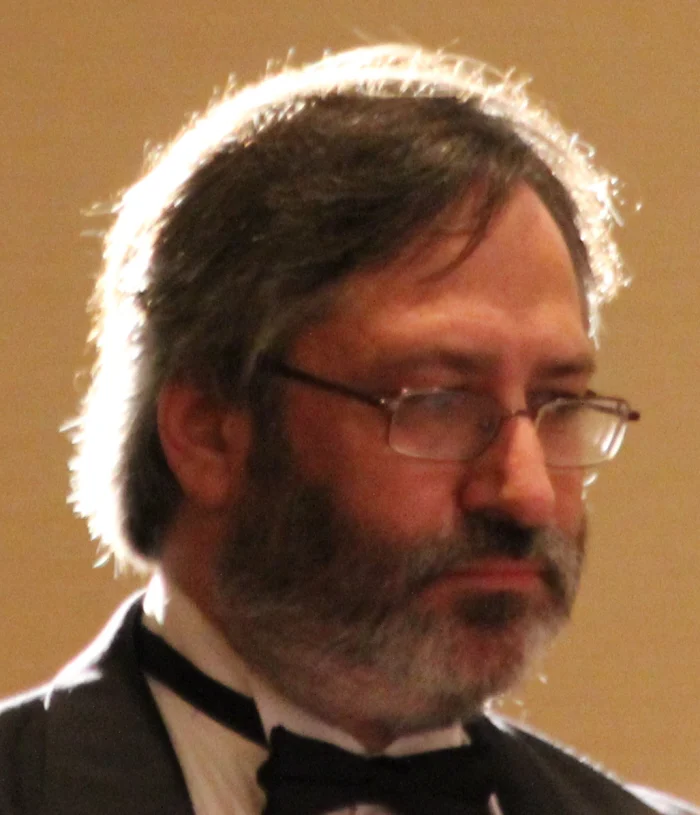
San Francisco, CA – Roger Phillip Graham, known to the science fiction world as Rog Phillips, remains a fascinating figure whose prolific output and pivotal role in bridging the gap between professional writers and the burgeoning fan community left an indelible mark on the genre. Born on February 20, 1909, in Spokane, Washington, Phillips’s life was a tapestry woven with diverse experiences, relentless creativity, and a deep engagement with the speculative fiction landscape. Though he passed away prematurely on March 2, 1966, in San Francisco, his contributions, particularly his influential "The Club House" column, continue to resonate, offering a unique window into the vibrant Golden Age of science fiction.
Phillips was not merely a writer; he was a connector, a chronicler, and a fervent participant in the very culture he helped define. From his early days as a varied laborer to his later years as a respected, if often under-recognized, voice in the science fiction and mystery fields, Phillips embodied the spirit of adaptability and boundless imagination characteristic of his era. His story is one of a writer who not only crafted tales but also helped build the community that cherished them, solidifying his place as an essential, if sometimes overlooked, architect of modern fandom.
A Life Defined by Words and Wanderlust
Rog Phillips’s journey into the literary world was anything but conventional. His early life was marked by frequent relocations and a series of blue-collar jobs that provided him with a rich, if unconventional, education in the human condition. These experiences undoubtedly fueled the imaginative depth and practical groundedness often found in his speculative fiction.
The Enigmatic Rog Phillips: A Brief Overview
Roger Phillip Graham adopted the more distinctive pen name Rog Phillips for the vast majority of his science fiction output, a choice that perhaps underscored his desire for a fresh identity within the burgeoning pulp scene. He was a writer who could churn out stories with astonishing speed, adapting to the demands of the magazines that formed the backbone of speculative fiction publishing in the mid-20th century. His work spanned various subgenres, from hard science fiction to more fantastical adventures, often characterized by a direct, engaging style that captivated readers of the era.
Beyond his prolificacy, Phillips is perhaps best remembered for his unique contribution to the growth of science fiction fandom through his column, "The Club House." This regular feature served as an invaluable conduit, introducing countless readers to the vibrant, often quirky, world of fanzines, fan gatherings, and the passionate individuals who formed the genre’s bedrock. It was a testament to his understanding that science fiction was more than just stories; it was a community, a shared passion that transcended the printed page.
Early Life and Diverse Beginnings
Born to John Alfred Graham and Abbie Susan (née McCalmont), Roger Phillip Graham’s formative years were nomadic. His family’s frequent moves, which included a significant period in Oklahoma, instilled in him a certain resilience and perhaps an observational keenness that would later serve his storytelling. Despite the itinerant nature of his childhood, Phillips pursued higher education, returning to his birth city to attend Gonzaga College. He graduated in 1931, a pivotal year that marked the deepening shadows of the Great Depression, an era that undoubtedly shaped his worldview and influenced his later writing. He continued his academic pursuits with graduate work at the University of Washington, further honing his intellectual capabilities.
The pre-war years saw Phillips engaging in a remarkable array of occupations. He worked as a farm worker, a plumber, a construction worker, and a carpenter – a testament to his versatility and the economic realities of the time. These hands-on experiences provided him with a practical understanding of mechanics, infrastructure, and the daily struggles of ordinary people, elements that often found their way into the fabric of his science fiction narratives. During World War II, his skills were adapted to the war effort, as he served as a power plant engineer and a shipyard welder. This period of national crisis and intense industrial output likely offered him further insights into technological marvels and the human capacity for innovation and perseverance, themes frequently explored in speculative fiction.
Charting a Literary Course: The Chronology of a Prolific Career
Phillips’s literary career began modestly, evolving into a torrent of creativity that defined much of the 1940s and 1950s science fiction landscape. His journey as a writer mirrored the dynamic evolution of the genre itself, from its pulp roots to its increasing sophistication and growing fan culture.
From Pulp Beginnings to Science Fiction Stardom
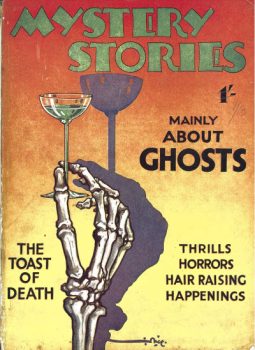
Phillips made his literary debut under his birth name, Roger Graham, publishing his first short stories in Mystery Stories in 1939. This initial foray into genre fiction hinted at the versatile writer he would become. However, it was after the war that his true calling in science fiction began to flourish. His story, “Let Freedom Ring,” appeared in the December 1945 issue of Amazing Stories, a landmark publication that would become his primary platform. Alongside its sister magazine, Fantastic Adventures, Amazing Stories provided Phillips with a consistent outlet for his imaginative tales, allowing him to establish himself as a regular and reliable contributor during a period of intense growth for science fiction.
The late 1940s and early 1950s saw Phillips at the height of his novel-writing period. His first novel, Time Trap, was published in 1949, quickly followed by others in 1950 and 1951. While many of his longer works initially appeared in magazines, sometimes serialized, their eventual standalone publications, even decades later, underscore their enduring appeal. A notable example is These Are My Children, which was first serialized in Other Worlds Science Stories in 1952 but did not see its first standalone publication until 2018. This belated recognition highlights a recurring theme in Phillips’s career: his significant contributions often found their full appreciation long after their initial appearance. The 21st century has seen a renewed interest in his work, with small presses actively publishing collections, such as Rog Phillips, Ace of Science Fiction Digests in 2023, ensuring that his unique voice continues to reach new generations of readers.
The Fannish Heart: "The Club House" and Community Building
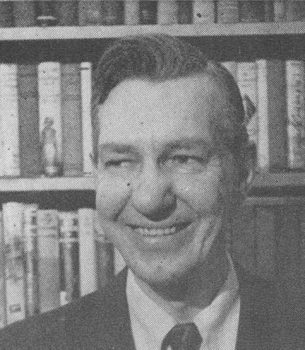
Beyond his fiction, Rog Phillips carved a unique niche for himself as a vital bridge between the professional and amateur worlds of science fiction through his groundbreaking column, "The Club House." Launched in Amazing Stories in 1948, the column ran until 1953, later moving to Universe Science Fiction (1954-1955) and finally Other Worlds Science Stories (1955-1956). This unprecedented feature was more than just a regular column; it was a lifeline for the burgeoning science fiction fan community.
"The Club House" offered readers an intimate glimpse into the world of fanzines, providing short reviews and commentary on amateur publications that were otherwise difficult to discover. It also covered science fiction fan gatherings, conventions, and the activities of various fan groups, effectively demystifying "fandom" for a broader audience. Phillips’s engaging prose and genuine enthusiasm for the fan movement made the column immensely popular and profoundly influential. It was through "The Club House" that many, including a young Robert Silverberg, were first introduced to the vibrant, idiosyncratic culture of science fiction fandom, shaping their future engagement with the genre. This column cemented Phillips’s legacy not just as a writer of stories, but as a crucial chronicler and facilitator of the science fiction community itself.
A Pen Name for Every Story: The Art of Pseudonyms
In the fast-paced, high-demand world of mid-20th century pulp magazines, it was common for prolific writers to employ multiple pseudonyms. This practice allowed authors to publish numerous stories in a single issue without saturating the market with a single name, and it also enabled them to write across different genres. Rog Phillips was a master of this craft, utilizing a variety of house names that have since become part of the lore of pulp fiction.
In addition to his primary pseudonym, Rog Phillips, he also wrote under names such as Craig Browning, Franklin Bahl, Peter Worth, and Melva Rogers. Each pseudonym might have been associated with a particular style, genre, or even a specific magazine, offering Phillips the flexibility to experiment while maintaining a distinct identity for each "voice." For his mystery and detective stories, he adopted the pseudonym John Wiley, further demonstrating his versatility beyond the realm of science fiction. The extensive use of these aliases underscores the incredible volume of work Phillips produced and highlights the commercial realities faced by professional writers in the pulp era.
Personal Life Amidst a Creative Whirlwind
Phillips’s personal life, much like his career, was marked by significant transitions. He married Eleanor Cora Smith on October 8, 1938, in Spokane. However, this marriage ended by 1950, a period coinciding with his burgeoning literary career. In 1950, he married Mari Wolf, a notable science fiction fan and author in her own right. Their union brought together two prominent figures in the genre, creating a dynamic partnership within the fan community. This marriage, however, also concluded in divorce in 1955. The following year, Phillips found lasting companionship with another devoted fan, Honey Wood. They remained married until his death in 1966, a testament to a deep and enduring connection. Both Wood and Phillips were active members of the Outlanders, a subset of the esteemed Los Angeles Science Fantasy Society (LASFS) fans who resided just outside the city, further cementing his immersion in the heart of science fiction fandom. These personal relationships undoubtedly enriched his understanding of the community he so passionately chronicled.
Weaving the Fabric of Fandom: Supporting Data and Cultural Impact
Phillips’s work provides invaluable insight into the ecosystem of science fiction during its formative years, illustrating the interplay between professional writing, amateur enthusiasm, and the unique cultural phenomena that emerged.
The Golden Age Context: Pulp Magazines and Innovation
Rog Phillips’s most productive period coincided with what is often referred to as the Golden Age of Science Fiction, roughly spanning the late 1930s to the late 1950s. This era was characterized by the dominance of pulp magazines, inexpensive periodicals printed on rough paper, which served as the primary vehicle for speculative fiction. These magazines, such as Amazing Stories and Fantastic Adventures, were voracious consumers of content, demanding a constant flow of imaginative stories. This environment fostered a generation of prolific writers like Phillips, who could rapidly conceive and execute narratives that explored scientific possibilities, technological advancements, and societal implications. The themes in Phillips’s work often reflected the anxieties and aspirations of post-WWII America – nuclear power, space exploration, alien encounters, and social change – making his stories not just entertainment but also a mirror to the collective consciousness of his time.
Introducing Fandom to the Masses: "The Club House" Legacy
The true genius of "The Club House" lay in its ability to democratize access to and understanding of science fiction fandom. Before Phillips’s column, the fan community, with its fanzines and gatherings, often operated in insular circles, largely unknown to the general readership of professional magazines. Phillips, through his approachable and informative writing, broke down these barriers. He didn’t just report on fandom; he celebrated it, giving legitimacy and visibility to the passionate, often eccentric, individuals who contributed to the genre’s grassroots growth.
His column explained fannish jargon, reviewed amateur publications (fanzines), and provided contact information, effectively creating a guidebook for new enthusiasts. The direct impact on individuals like Robert Silverberg, who would later become a celebrated science fiction author, underscores the column’s profound influence. It encouraged participation, fostered a sense of belonging, and played a crucial role in transforming a disparate group of readers into a cohesive and self-aware community. "The Club House" was, in essence, an early form of community management and content curation, long before such terms became commonplace.
Connections and Kinship: Phillips’s Place in the SF Community
Phillips was not an isolated writer; he was deeply embedded within the science fiction community. His social connections highlight the close-knit nature of early fandom and the professional scene. He served as best man at the wedding of acclaimed science fiction author Chad Oliver, demonstrating a close personal friendship with a peer. Even more significantly, Phillips became godfather to Earl Terry Kemp, the son of Earl Kemp, who would later chair the iconic 1962 Worldcon, Chicon III. This generational connection is particularly poignant, as the younger Earl Terry Kemp has taken up the mantle of preserving Phillips’s legacy. Earl Terry Kemp has not only revived "The Club House" in a modern context but has also diligently edited and published collections of Phillips’s work, ensuring that his godfather’s contributions are not forgotten. These connections illustrate Phillips’s central role in the human network that defined early science fiction.
Enduring Appeal: Modern Rediscovery and Publications
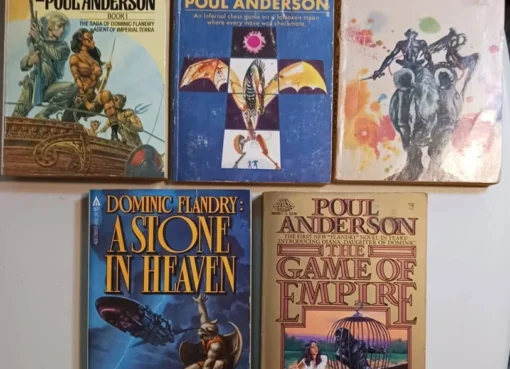
Despite his passing in 1966, Rog Phillips’s work continues to find new audiences. The publication of These Are My Children as a standalone novel in 2018, nearly seven decades after its initial serialization, speaks volumes about the enduring quality and relevance of his writing. Furthermore, the 2023 collection, Rog Phillips, Ace of Science Fiction Digests, along with other small press publications in the 21st century, signifies a concerted effort to reintroduce his stories to contemporary readers. This modern rediscovery is a testament to the fact that Phillips’s imaginative concepts, engaging narratives, and unique voice still hold power and appeal, transcending the specific era in which they were first penned. It indicates a critical reassessment and appreciation for authors who, though prolific in their time, might have been overshadowed by the more "canonical" figures of the genre.
Recognition and Resonance: Official Responses to a Unique Voice
While Phillips’s legacy might not be as widely celebrated as some of his contemporaries, he received significant recognition from within the science fiction community during his lifetime, particularly for his contributions to fandom.
The Hugo Nominations: Acknowledgment from Peers
The Hugo Awards, established in 1953, represent the most prestigious honor in science fiction and fantasy. Rog Phillips was recognized by his peers with two Hugo nominations, a clear indication of his impact and the respect he garnered within the genre. In 1956, he was a finalist in the "Best Feature Writer" category, a unique award given only that year. Though he ultimately lost to the renowned science writer Willy Ley, his nomination placed him among distinguished company, including L. Sprague de Camp, Robert A. Madle, and R.S. Richardson. This nomination specifically honored his non-fiction contributions, primarily "The Club House," underscoring its recognized importance to the community.
Three years later, in 1959, Phillips’s story "Rat in the Skull" was nominated for Best Novelette. This nomination demonstrated that his fiction, too, was held in high regard. While he lost to Clifford D. Simak’s classic "The Big Front Yard," the dual recognition across both non-fiction and fiction categories highlights the breadth of his talent and his significant standing within the science fiction landscape of the 1950s. These nominations, decided by fan votes, serve as official acknowledgments of his contribution and influence.
Influence on a New Generation: Robert Silverberg and Beyond
Perhaps one of the most significant "official responses" to Phillips’s work, though less formal than an award, is the documented influence he had on future generations of writers and fans. The anecdote of a young Robert Silverberg being introduced to fannish culture through "The Club House" column is a powerful testament to Phillips’s impact. Silverberg, who would go on to become a Grand Master of Science Fiction, represents countless others who found their entry point into the deeper world of science fiction through Phillips’s efforts. This influence speaks to Phillips’s role as a mentor and an enabler, a figure who not only entertained but also inspired participation and engagement.
Posthumous Tributes and Curatorial Efforts
The continued efforts to publish and promote Phillips’s work, particularly by Earl Terry Kemp, can be seen as an ongoing, living "official response" to his legacy. Kemp’s dedication, stemming from his personal connection as Phillips’s godson, goes beyond mere publishing; it is an act of curatorship and preservation. By reviving "The Club House" and editing collections, Kemp ensures that Phillips’s voice continues to be heard and that his historical significance is not lost. These efforts, alongside the interest from small presses, demonstrate that the science fiction community recognizes the value of revisiting and re-evaluating the contributions of foundational figures like Rog Phillips.
The Enduring Echo: Implications of Rog Phillips’s Legacy
Rog Phillips’s career offers profound implications for understanding the historical development of science fiction, the evolution of its fan culture, and the often-complex nature of literary legacy.
A Mirror to the Pulp Era’s Creativity
Phillips’s prolific output, his use of multiple pseudonyms, and his consistent presence in the leading pulp magazines of his time make his career a vivid microcosm of the Golden Age of Science Fiction. He navigated the commercial demands of the era with remarkable agility, producing a vast body of work that catered to a rapidly growing audience hungry for escapism and intellectual stimulation. His stories, though sometimes constrained by the conventions of pulp, often contained innovative ideas and explorations of human nature, reflecting the boundless creativity that flourished despite tight deadlines and modest pay rates. His work serves as a reminder of the foundational role played by these accessible, often disposable, publications in shaping the genre’s themes, tropes, and readership.
The Architect of Fannish Bridges
Perhaps Phillips’s most lasting and significant implication lies in his role as a bridge-builder between the professional and amateur facets of science fiction. "The Club House" column was revolutionary in its time, effectively formalizing and legitimizing fandom within the professional publications. It transformed an often-disparate collection of enthusiasts into a self-aware community, fostering connections that would endure for decades. Phillips understood that the vitality of science fiction lay not just in its stories but in the passionate engagement of its readers. His efforts helped lay the groundwork for the modern, highly organized, and influential science fiction fandom we know today, with its conventions, awards, and intricate networks of communication. Without figures like Phillips, the growth of fandom might have been slower and more fragmented.
Phillips’s Place in the Pantheon of Science Fiction
Rog Phillips may not be as widely recognized as some of his more critically acclaimed contemporaries, but his legacy is nonetheless vital. He represents the unsung heroes of the pulp era – writers who were incredibly productive, influential within their immediate circles, and instrumental in the genre’s popularization. His stories, now being rediscovered and re-evaluated, offer a rich vein of historical science fiction that speaks to the dreams and anxieties of mid-20th century America. More importantly, his pioneering work in fostering and documenting science fiction fandom places him in a unique and indispensable position in the genre’s history. He was a writer who not only created worlds but also helped to cultivate the community that would sustain and evolve those worlds, ensuring that his echo, like his words, continues to resonate through the annals of speculative fiction.



Leave a Comment