
A New Leash on Life: Dogs Trust and The Clearing Unveil Bold Brand Refresh to Navigate a Competitive Charity Landscape
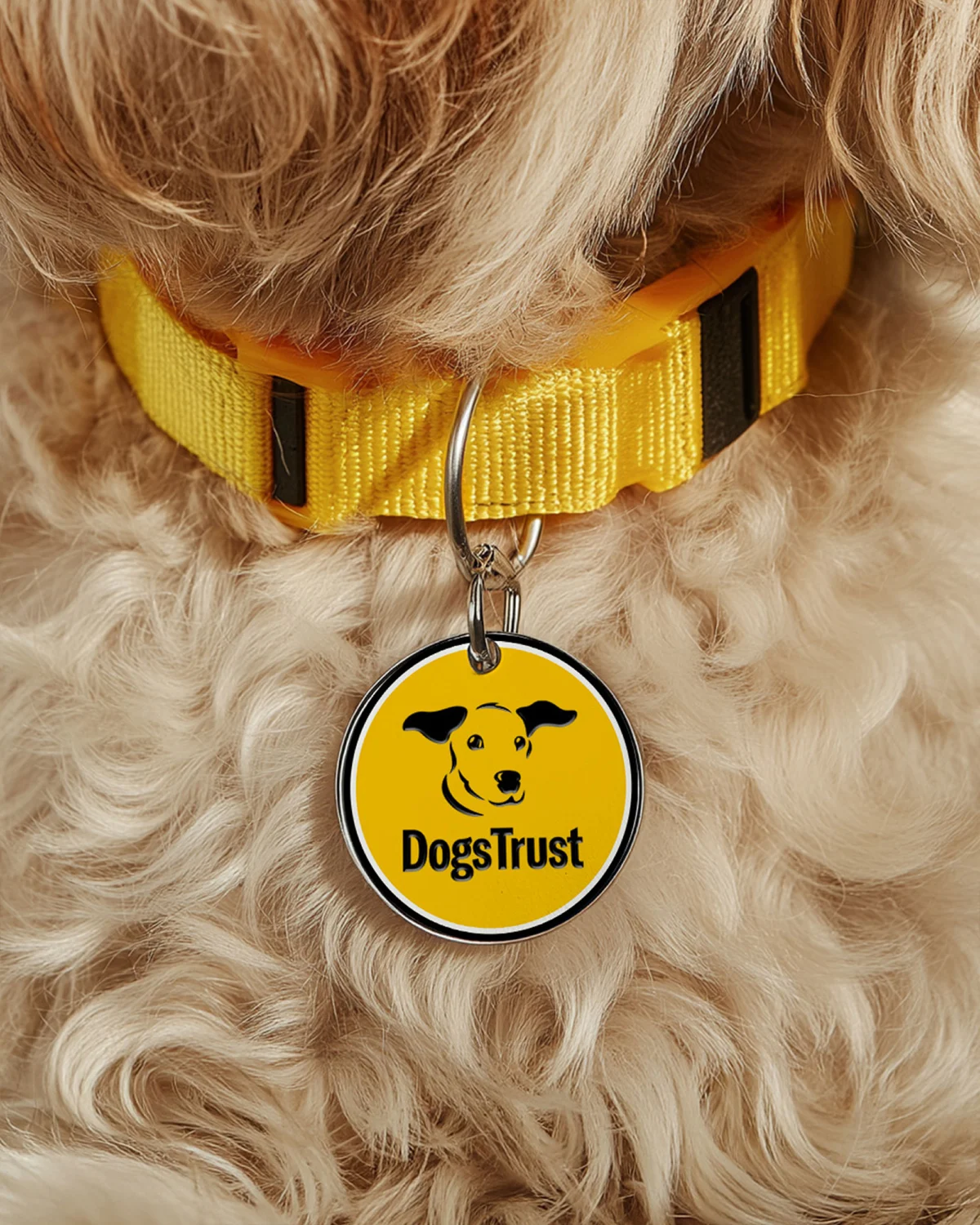
In an era where the non-profit sector faces unprecedented competition for donor attention and the "cost of living" crisis poses significant challenges to pet ownership, the UK’s leading canine welfare charity, Dogs Trust, has announced a comprehensive refresh of its visual identity. Developed in partnership with the long-standing London-based branding agency, The Clearing, this latest evolution marks a strategic shift toward a more emotive, dog-centric narrative designed to resonate with a modern audience.
The refresh is not merely a cosmetic update but a tactical response to an increasingly crowded fundraising environment. By injecting more color, movement, and personality into its brand DNA, Dogs Trust aims to expand its supporter base and amplify its messaging surrounding rehoming, rehabilitation, and the prevention of canine abandonment.
Main Facts: A Strategic Evolution of an Iconic Brand
The partnership between Dogs Trust and The Clearing is one of the most enduring collaborations in the UK design landscape. Having first worked together in 2003 to facilitate the charity’s historic transition from the National Canine Defence League (NCDL) to its current moniker, the agency has been instrumental in every major milestone of the brand’s visual journey.
The current refresh focuses on several key pillars:
- The Logo: An emboldened wordmark and a refined treatment of the charity’s mascot, "Homer."
- The Mascot: The transition of Homer from a static logo element to a dynamic, fully-formed mascot.
- Illustration: A dual-approach featuring character-driven work by Mr Griff and educational, human-centric scenes by Cathy Hogan.
- Color Palette: The retention of the iconic "Sunshine Yellow," now supported by a suite of dog-inspired secondary hues.
- Perspective: A shift in photography and art direction toward a "dog’s eye view" to foster deeper empathy.
By modernizing these elements, the charity seeks to balance its heritage with the need for high-impact digital visibility, ensuring that its mission—to improve the lives of dogs everywhere—remains front and center in the public consciousness.
Chronology: From the NCDL to a Modern Identity
To understand the significance of this latest refresh, one must look at the trajectory of the Dogs Trust brand over the last two decades.

2003: The Birth of Dogs Trust
For over a century, the organization operated as the National Canine Defence League. While the name was descriptive, it felt increasingly formal and detached from the warmth and joy associated with dog ownership. In 2003, The Clearing oversaw the radical rebranding to "Dogs Trust." This move was revolutionary at the time, prioritizing a name that felt more like a promise than a legal entity. It was during this period that the yellow brand color and the "Homer" dog-tag logo were first introduced, creating an instantly recognizable visual shorthand.
2020: The Major Brand Update
As digital platforms began to dominate the fundraising landscape, the charity underwent a significant update in 2020. This phase focused on streamlining the brand for mobile-first environments and ensuring that the visual language could handle the complexities of social media campaigning. The custom typeface, "Fido," was introduced, providing a unique voice that was both friendly and authoritative.
2024–2026: The "Bolder" Refresh
The latest iteration, rolling out into 2026, is a response to the "crowded fundraising landscape" cited by the charity. Unlike the 2003 overhaul, this is a "simpler but equally impactful" refresh. The goal was to take the existing, successful elements—the yellow, the tag, and the dog—and make them work harder. The brief was clear: inject more "personality" to ensure that the charity’s messaging could be heard "far and wide" amidst the noise of the digital age.
Supporting Data: The Mechanics of the New Visual Identity
The success of a brand refresh in the non-profit sector relies on the ability to evoke emotion while maintaining professional credibility. The Clearing achieved this through a meticulous breakdown of the brand’s core components.
The Logo and the Evolution of Homer
The centerpiece of the refresh is the refined logo. The designers emboldened the longstanding wordmark to ensure legibility across all scales, from massive billboards to tiny smartphone icons. More importantly, the iconic face of the brand—a dog named Homer—has been elevated.
The logo is now encircled by contrasting black and white lines. This design choice serves a dual purpose: it accentuates the central elements and makes the "dog tag" inspiration more obvious to the casual observer. By leaning into the dog tag motif, the brand reinforces the concept of ownership, safety, and identity. Furthermore, Homer is no longer confined to the logo; he now exists as a fully-formed mascot across various assets, providing a consistent "spokes-dog" for the charity’s initiatives.

A Dog-Inspired Color Palette
While "Sunshine Yellow" remains the primary brand signal, the refresh introduces a sophisticated secondary palette. In a move that ties the branding directly to the subjects of the charity’s work, the new hues are named after dog coat colors:
- Blonde
- Biscuit
- Red Setter
These warm, earthy tones provide a necessary contrast to the high-energy yellow, allowing for more nuanced storytelling in longer-form content and printed materials. This palette expansion allows the brand to transition between high-alert "emergency" fundraising and the "warm and fuzzy" stories of successful rehoming.
Multi-Layered Illustration
To cover the broad spectrum of the charity’s work, The Clearing utilized two distinct illustrative styles.
- Mr Griff: The UK-based artist was tasked with bringing the new Homer mascot to life. These illustrations are designed to be playful and full of movement, capturing the "joy and personality" of dogs.
- Cathy Hogan: The Irish illustrator and designer created a suite of elements focused on the human-dog bond. Her work features more people and training-led scenes, supporting the charity’s focus on its "rehoming and prevention work." This is a critical inclusion, as it visualizes the educational aspect of Dogs Trust—teaching owners how to better understand their pets to prevent future abandonment.
Typography and Photography
The custom font Fido, created by Luzi Type, remains the core brand typeface. It is now more frequently paired with Work Sans, a supportive font that provides clarity for dense information, such as training guides or legal disclosures.
Perhaps the most subtle but effective change is the shift in photography. The brand now prioritizes a "dog’s eye view." By positioning the camera at the eye level of the animals, the imagery creates an immediate psychological connection, forcing the viewer to see the world from the dog’s perspective. This empathetic approach is a key differentiator in a market often saturated with "sad-dog" imagery, choosing instead to focus on the "positive, playful, and empathetic" aspects of the canine-human bond.
Official Responses: A Mission-Driven Makeover
The leadership at Dogs Trust has expressed high confidence in the new identity’s ability to drive the charity’s mission forward. Jayne Whitton, Chief Marketing and Communications Officer at Dogs Trust, emphasized that the rebrand is a tool for storytelling.

"Whether through rehoming or prevention or our wider international work, our mission is to improve the lives of dogs everywhere," Whitton stated. "Working with The Clearing to refresh the brand gave us the tools to tell that story more clearly and more powerfully. Dogs Trust now has a warmer, more emotional identity that reflects the joy, playfulness and personality of the world of dogs."
The agency, for its part, views this as a natural progression of a 20-year relationship. For The Clearing, the challenge was not to reinvent the wheel but to "sharpen" it for a more demanding audience. By focusing on the "personality" of the dogs, they have moved the brand away from being a mere service provider to being a champion for the animals themselves.
Implications: Branding in the Age of "Pet-Humanization"
The Dogs Trust refresh reflects a broader trend in the global pet industry: the "humanization" of pets. As dogs are increasingly viewed as integral family members rather than mere animals, the branding of welfare organizations must reflect this shift.
1. Competitive Fundraising
The UK charity sector is one of the most competitive in the world. With thousands of organizations vying for a shrinking pool of disposable income, visual "cut-through" is essential. The use of high-contrast yellow and a recognizable mascot like Homer provides Dogs Trust with a "brand lighthouse"—a consistent visual signal that donors can recognize instantly.
2. The Shift from Rescue to Prevention
By including more people and training scenarios in their illustrations, Dogs Trust is signaling a shift in its operational strategy. While rehoming remains a core pillar, "prevention" is the future of animal welfare. By branding themselves as a source of warmth and educational support (rather than just a place for "unwanted" dogs), they lower the barrier for owners seeking help before they reach a breaking point.
3. Digital Versatility
The emboldened logo and the use of animations indicate a brand that is ready for the "TikTok era." Static charities often struggle to engage younger demographics; however, a brand that utilizes movement, mascot-led storytelling, and a "dog’s eye view" is perfectly positioned for short-form video content and interactive social media campaigns.

4. Emotional Resonancy vs. Charity Fatigue
"Charity fatigue" is a real phenomenon where donors become desensitized to images of suffering. The Dogs Trust refresh intentionally pivots toward "joy" and "playfulness." By highlighting the positive outcomes of their work and the unique personalities of the dogs in their care, the charity creates an uplifting brand environment that encourages long-term supporter loyalty rather than a one-off, guilt-based donation.
In conclusion, the collaboration between Dogs Trust and The Clearing serves as a masterclass in brand stewardship. By honoring the heritage of the 2003 rebrand while aggressively modernizing for the challenges of the 2020s, they have ensured that the charity remains not just a "defence league," but a vibrant, empathetic, and essential part of the UK’s cultural and social fabric. As Homer takes on his new, more prominent role, the message is clear: the dogs are the stars of the show, and their future looks brighter—and yellower—than ever.



Leave a Comment