
The Vanguard of Sequential Art: A Comprehensive Report on the 2026 Chicago Alternative Comics Expo (CAKE)
Main Facts: The Pulse of Independent Publishing
On May 2, 2026, the Chicago Alternative Comics Expo (CAKE) convened at the Irish American Heritage Center, marking a significant milestone in the post-pandemic recovery of the independent publishing circuit. As one of the premier North American festivals dedicated to underground and alternative sequential art, CAKE 2026 served as a critical nexus for artists, publishers, and enthusiasts seeking to explore the boundaries of the medium.
The 2026 iteration of the expo was characterized by a distinct shift toward tactile experimentation, sociopolitical allegory, and a nuanced exploration of domesticity. Held in the historic, heavily-tiled confines of a building that retains the architectural echoes of a mid-century middle school, the event provided a stark, utilitarian backdrop for the vibrant, often transgressive works on display. From the emergence of "residential horror" to the sophisticated application of Risograph printing, the expo highlighted the enduring resilience of physical media in an increasingly digitized landscape.
Chronology: From the Coastal Trek to the Exhibition Floor
The Arrival and Atmosphere
The proceedings began on the morning of May 2, with attendees and exhibitors converging on Chicago’s Northwest Side. For many, the journey—such as the three-hour trek along the Lake Michigan coast—was a deliberate act of cultural engagement, a "combat against anhedonia" through the tactile reality of the comics community.
Upon arrival at the Irish American Heritage Center, the logistical ease of the event—notably the availability of free parking—set a positive tone for the day. The interior of the venue offered a unique cultural juxtaposition: a gift shop selling traditional corded sweaters and banners of sports icons like Nolan Ryan stood in contrast to the avant-garde narratives being sold just rooms away.
Morning Sessions: Tactile Innovation and Low-Stakes Narratives
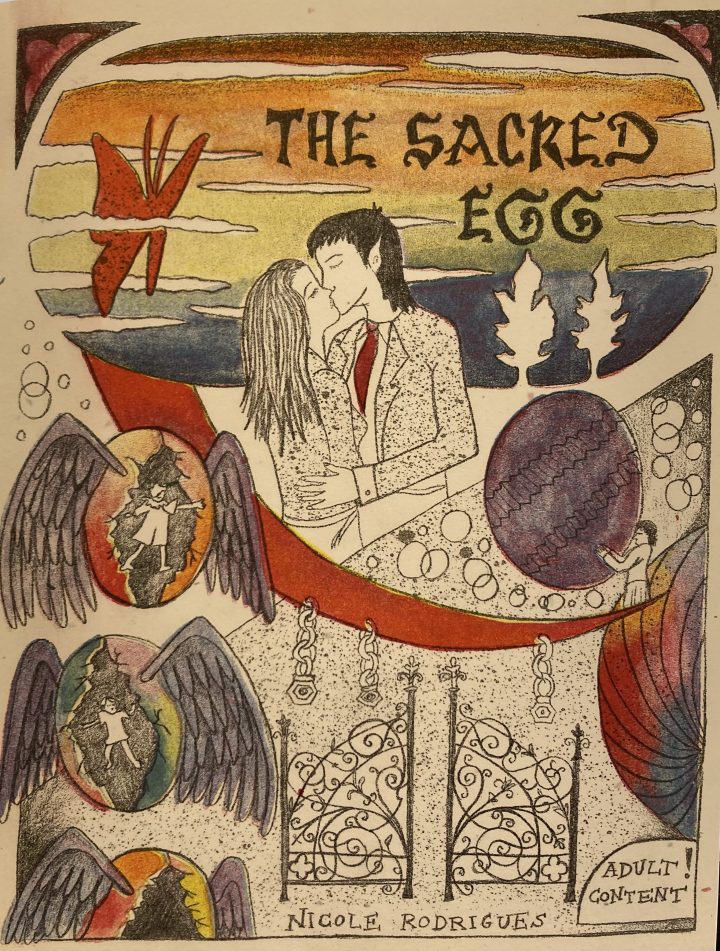
The early hours of the expo were dominated by veteran creators and established voices in the Chicago scene. Nicole Rodrigues, a perennial favorite in alternative circles, debuted The Sacred Egg. This twelve-page Risographed work pushed the boundaries of the physical reading experience by incorporating transparency paper, requiring the reader to manually overlay hallucinatory watercolors onto linework—a technique that mimics the function of a lightbox.
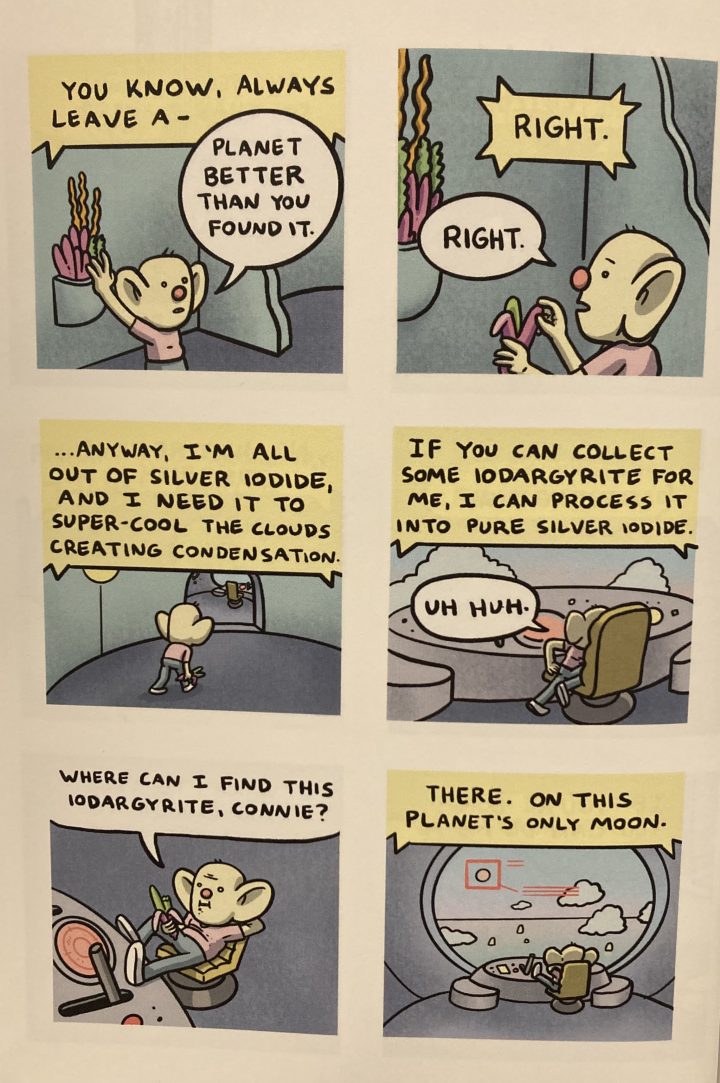
Simultaneously, Jeremy Tinder, a mainstay of the Chicago comics community, presented the second issue of his Lostronaut series. Tinder’s work represented a specific trend at the 2026 expo: the "comfort comic." By focusing on low-stakes sci-fi exploration and the quiet staving off of solitude, Tinder’s narrative provided a refined, minimalist counterpoint to the more high-concept offerings found elsewhere in the hall.
Mid-Day: The Intersection of Parenting and Humor
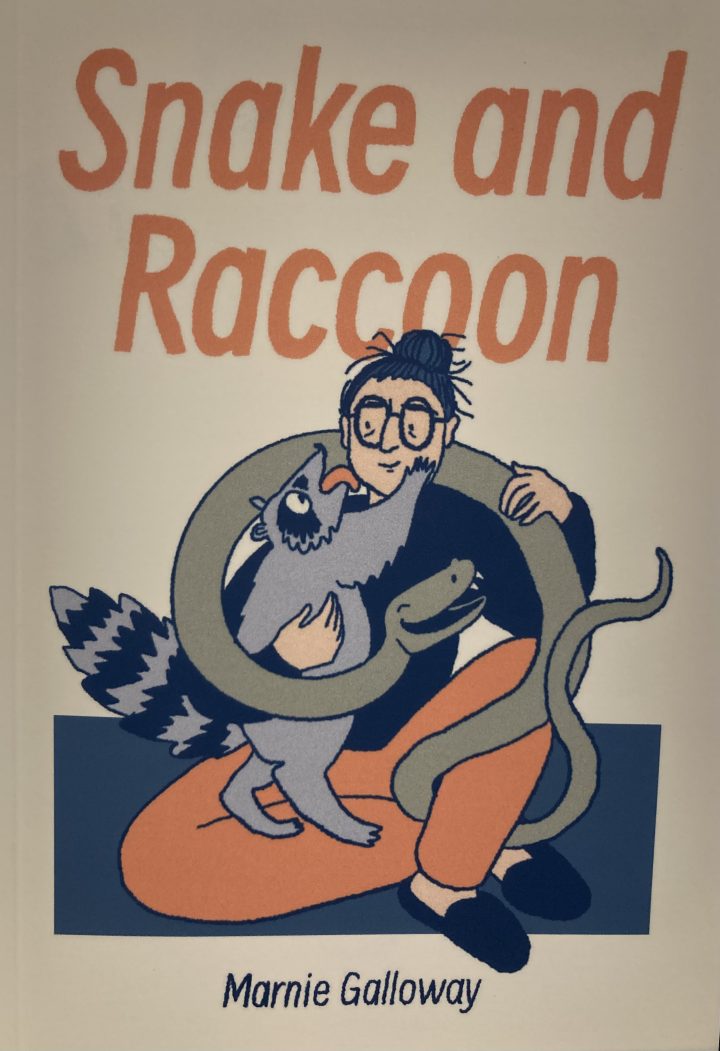
As the afternoon progressed, the focus shifted toward more grounded, autobiographical explorations. Marnie Galloway’s Snake and Raccoon stood out as a premier example of "parenting comics" executed with literary grace. Galloway, a veteran of the Toronto Comic Arts Festival (TCAF) circuit, utilized a digest-sized, perfect-bound format to investigate the complexities of child-rearing. Her work at CAKE 2026 was noted for its "ad-libbed" quality, which allowed for a more humorous and accessible style than her previous, more structured efforts.
Afternoon Panels: Technical Discourse and Emerging Stars
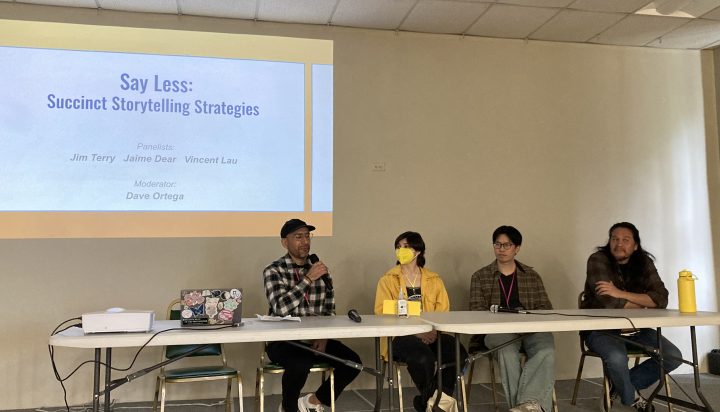
At the far end of the exhibition hall, beneath the shadow of a dormant kilometer-long wooden bar, the formal programming commenced. A key highlight was the panel entitled "Say Less: Succinct Storytelling Strategies," featuring artists Jim Terry and Dave Ortega. While the panel faced minor linguistic hurdles in its introduction, it served as a platform for critical discourse on the economy of the page. It was during this session that Vincent Lau emerged as a significant figure to watch, leading many attendees to seek out his work on the exhibition floor immediately following the discussion.
Supporting Data: Critical Reviews of Key Debuts
The success of CAKE 2026 can be measured through the diverse range of styles that found a foothold among the "younger" generation of critics and veteran observers alike. The following works were identified as the most impactful debuts of the expo:
Vincent Lau: Pace of Play
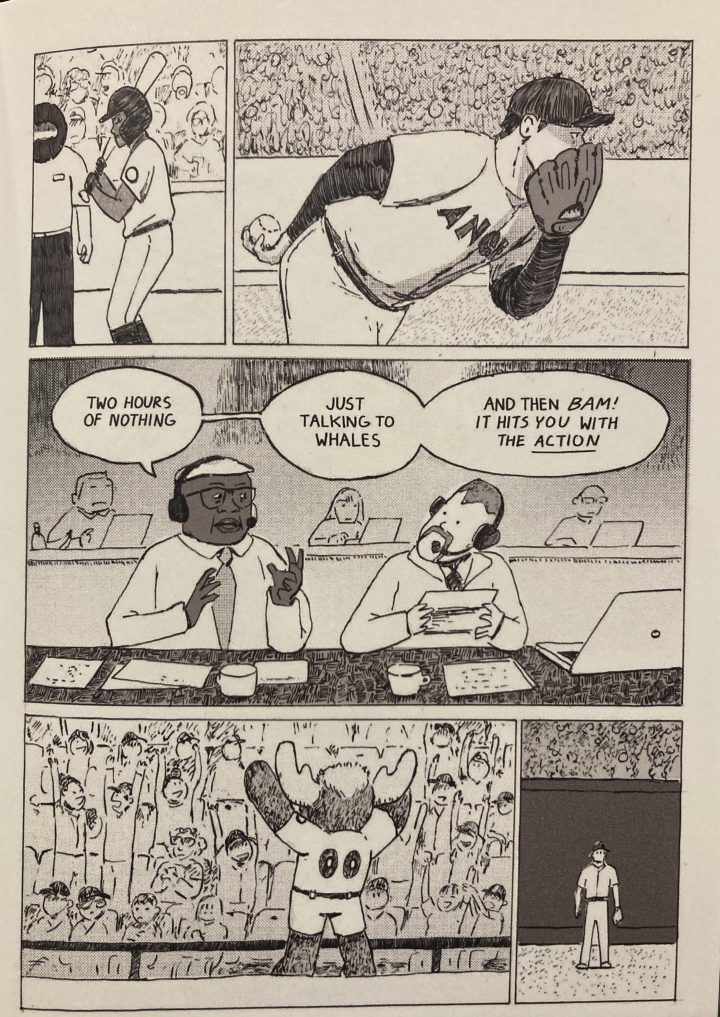
Lau’s minicomic, created in response to Major League Baseball’s implementation of the pitch clock, was hailed as a masterclass in temporal pacing. Across nine pages, Lau documents a single at-bat between the Angels and the Mariners. By expertly manipulating panel transitions to force the reader to both slow down and accelerate, Lau successfully captured the "Sisyphean task" of documenting time. Critics have already placed Pace of Play in the upper echelon of all-time sports-related sequential art.
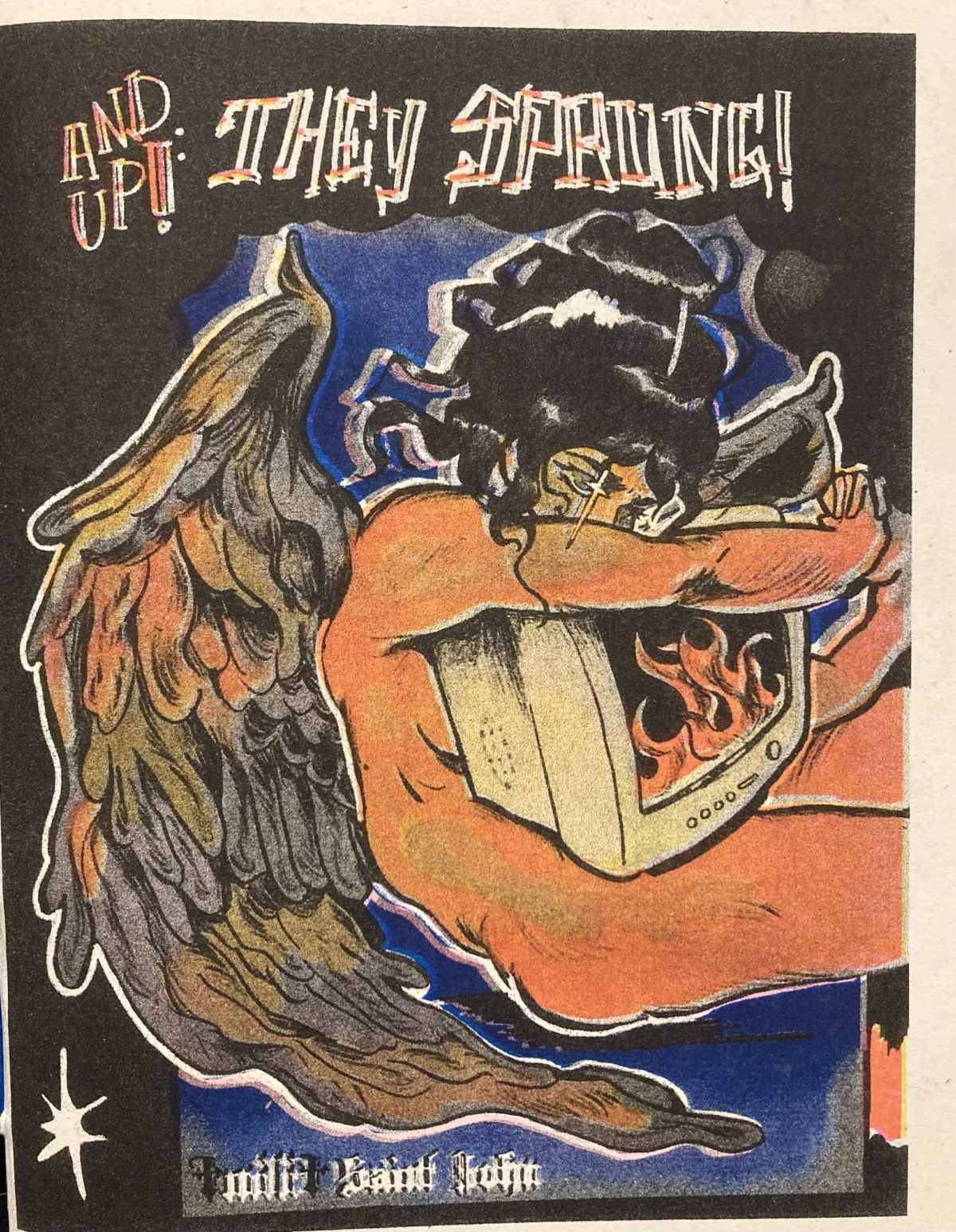
Mili St. John: And Up They Sprung
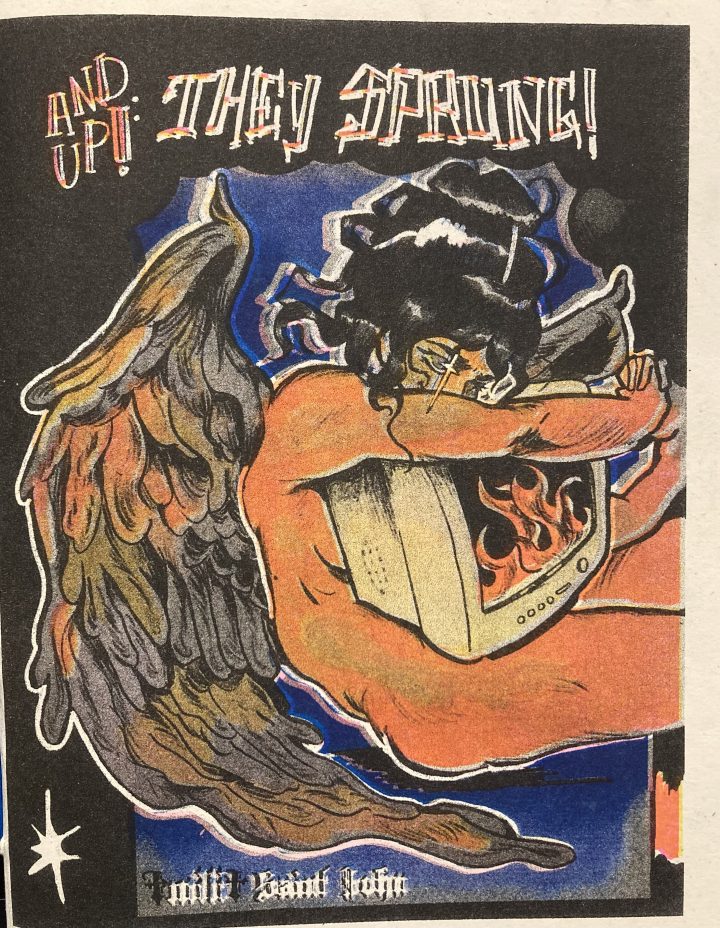
Perhaps the most ambitious work of the show, Mili St. John’s And Up They Sprung was the result of a strong word-of-mouth campaign. Referencing the epic scales of John Milton and the illustrative density of Gustave Doré, St. John crafted a modern parable. The narrative weaves together themes of:
- Big Tech Allegory: Oligarchs stoking the fires of hell with AI and labor exploitation.
- Structural Parallels: An investigation into the similarities between data centers and religious institutions.
- Visual Maximalism: A "balls to the wall" approach to page layout that embraces the "road of excess."
Richie Pope: Modern Housing
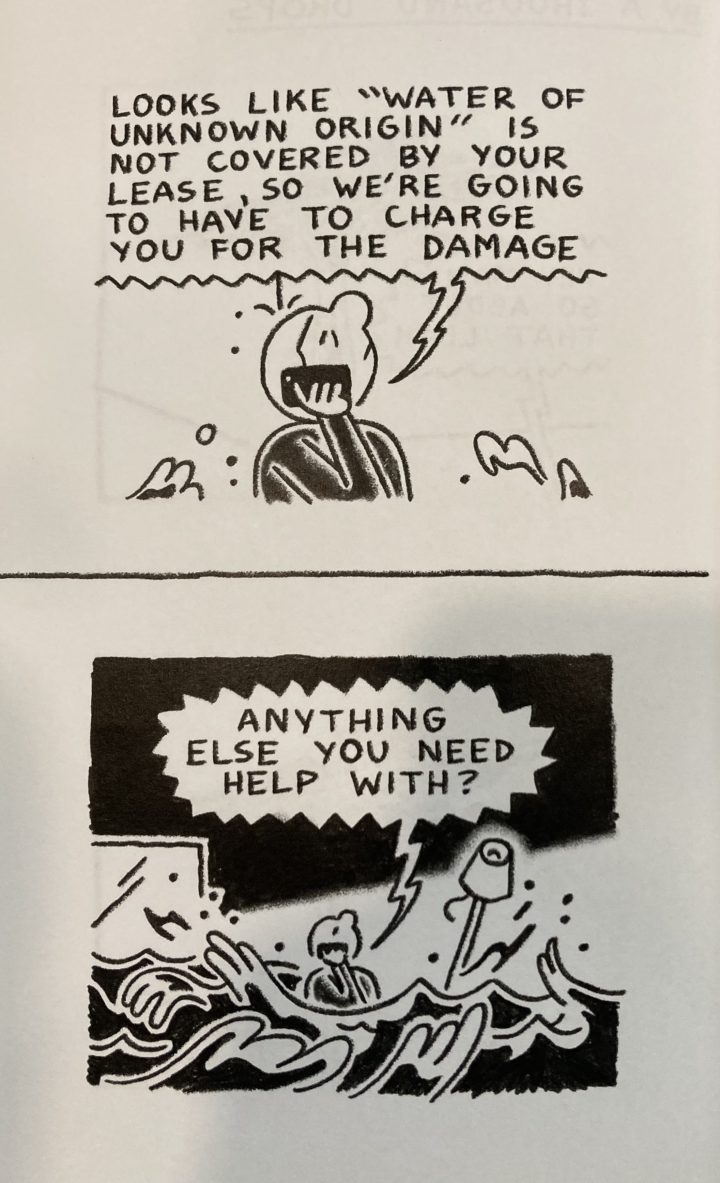
In a direct contrast to St. John’s maximalism, Richie Pope’s Modern Housing utilized deft minimalism to explore "residential horror." Pope, known for his 2016 work Fatherson, used negative space and textured linework to personify the landlord as a "domestic specter." The comic resonates with contemporary anxieties regarding housing instability, portraying the landlord as a ghost that haunts tenants until a crisis arises, at which point they become "ethereal nothingness."
Drew Lerman: Conversations with Don DeLillo
Cram Books released Lerman’s latest collection, which continues his niche "nerd-lit" exploration. The strip’s repetitive humor—featuring literary luminaries like DeLillo expressing their admiration for Lerman’s comics—has solidified it as a favorite among those who appreciate meta-textual irony in the medium.
Official Responses: The Community Perspective
While formal press releases from the CAKE organizing committee emphasized the "diverse array of voices and the high level of craftsmanship," the unofficial response from the floor was one of revitalized optimism.
The presence of artists like Ivy Rose, whose collection Handsy won acclaim for its "Most Gregarious Zinester" energy, highlighted the importance of the artist-to-reader connection. Rose’s work, which oscillates between traditional cartooning and abstract, restroom-sign-style iconography, was praised for maintaining a level of "confessional optimism" that avoided the tropes of the "misery memoir" often found in the autobiographical genre.
Furthermore, the "passing of the torch" was a visible theme. Veteran observers noted a shift in the hierarchy of "who to see," with older critics now seeking recommendations from the younger generation. This indicates a healthy, evolving ecosystem where new voices like Cam Collins (Redman) can thrive alongside established names. Collins’ work, described as "if Rory Hayes made Shonen," baffled and intrigued audiences in equal measure, signaling a demand for "unstuck in time" narratives that defy traditional superhero or manga structures.
Implications: The State of the Alternative Scene in 2026
The 2026 Chicago Alternative Comics Expo provided several key indicators for the future of the industry:
- The Return of Tactile Media: In an era of AI-generated art and digital fatigue, the success of Risographed works with physical transparency layers (Rodrigues) and digest-sized hand-held objects (Galloway) suggests that the "physicality" of a comic is now as important as its content.
- Sociopolitical Synthesis: Artists are moving beyond simple "good vs. evil" tropes. The most successful works at CAKE 2026 (St. John, Pope) synthesized complex issues—AI labor, the housing crisis, and Big Tech—into sophisticated allegories rather than blunt polemics.
- Genre Hybridization: The boundaries between sports reporting, literary fiction, and horror are blurring. Vincent Lau’s use of a baseball pitch clock to discuss the philosophy of time is a prime example of how alternative comics are colonizing new intellectual territories.
- Cultural Resilience: The high "vibes" and enthusiastic attendance, despite the three-hour drives and the "stuffy" atmosphere of a cordoned-off Irish Heritage Center bar, prove that the alternative comics community remains a vital, self-sustaining subculture.
As the expo concluded, the sentiment among attendees was clear: the alternative comics scene is not only "cruelty-free" and creatively "balls to the wall," but it is also increasingly the most reliable venue for genuine artistic innovation in the mid-2020s. The countdown to CAKE 2027 has already begun.

Leave a Comment