
The Ink-Stained Renaissance: Quentin Blake Centre for Illustration to Open as Global Hub for Visual Narrative
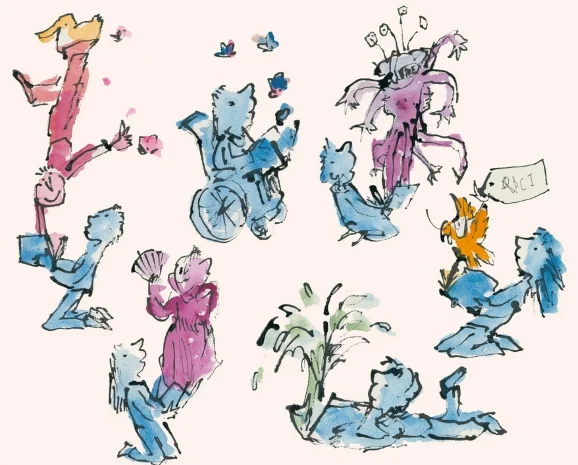
LONDON — On June 5, 2026, the global art world will turn its eyes toward Clerkenwell as the Quentin Blake Centre for Illustration officially opens its doors. Housed within a sprawling, meticulously restored 17th-century industrial complex, the institution is poised to become the largest of its kind in the world. This landmark opening marks the culmination of a decade-long vision to provide a permanent national home for an art form that has, for centuries, shaped the British imagination while often remaining relegated to the periphery of "fine art" discourse.
The center is more than a museum; it is being billed as a "creative laboratory" that will bridge the gap between historical archive and contemporary practice. By centering illustration—an art form encompassing everything from the scratchy dip-pen whimsy of children’s books to the sharp bite of political satire and the sleek aesthetics of digital fashion—the institution seeks to fundamentally redefine how visual storytelling is valued in the 21st century.
Main Facts: A Permanent Home for the "Energetic Line"
The Quentin Blake Centre for Illustration (QBCI) is situated at the New River Head in Clerkenwell, London. This site, historically significant as the heart of London’s 17th-century water supply system, has been transformed through a multi-million-pound restoration project. The center will serve as the permanent repository for the archive of Sir Quentin Blake, arguably the UK’s most beloved living illustrator, while simultaneously acting as a national gallery for the broader field of illustration.
Key features of the new center include:
- The Archive: A collection of over 40,000 original works by Sir Quentin Blake, spanning 75 years of his career.
- The Scope: Exhibits will cover a diverse array of mediums, including children’s literature, political cartoons, scientific illustration, fashion sketches, animation storyboards, and digital culture.
- The Facility: The site includes four heritage buildings, featuring expansive gallery spaces, state-of-the-art educational studios, and a public garden.
- The Mission: To provide a platform for underrepresented voices in illustration and to offer professional development for the next generation of visual storytellers.
Sir Quentin Blake, now 93, remains the driving force behind the project. Known for his "energetic, dip-pen pictures" that defined the works of Roald Dahl, Blake has long advocated for illustration to be recognized as a primary art form rather than a secondary "decoration" to text.
Chronology: From the "House of Illustration" to a Global Landmark
The journey to the June 2026 opening has been a long and complex one, rooted in the evolution of the "House of Illustration," which Blake founded in 2002.
- 2002–2014: The House of Illustration exists as a "museum without walls," organizing touring exhibitions and educational programs across the UK.
- 2014: The House of Illustration opens a temporary physical space in King’s Cross. While successful, the limited footprint makes it clear that a larger, permanent facility is required to house Blake’s massive archive and accommodate a growing public interest in the medium.
- 2020: The organization announces the acquisition of the New River Head site in Clerkenwell. The site, featuring a 17th-century engine house and atmospheric subterranean springs, is identified as the perfect "industrial-chic" backdrop for a modern art center.
- 2021–2024: A massive fundraising campaign is launched, supported by the National Lottery Heritage Fund, private donors, and the public. Renowned architects are brought in to ensure the historic integrity of the 17th-century brickwork is maintained while installing modern climate-controlled galleries.
- December 2023: The Guardian reports that the museum is "years in the making," highlighting the booming global interest in illustration as a driver for the project’s momentum.
- May 2026: Final preparations begin as the first of the 40,000 drawings are moved into the permanent vaults.
- June 5, 2026: The official grand opening.
Supporting Data: The Scale of an Archive and an Industry
The sheer volume of the Quentin Blake archive provides a sense of the scale of this undertaking. At 40,000 items, it represents one of the most comprehensive records of a single artist’s output in British history. However, the center’s data-driven mission extends beyond one man.
The illustration industry in the UK is a significant contributor to the "Creative Industries" sector, which accounts for approximately £115 billion of the UK’s GVA (Gross Value Added). Despite this economic weight, illustrators have historically faced a "visibility gap." A 2023 survey of visual artists suggested that while 80% of the public can identify a famous illustrator’s work (such as the Gruffalo by Axel Scheffler), fewer than 30% could name the artist behind the image. The QBCI aims to close this gap.
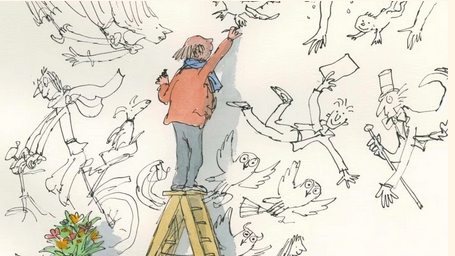
Furthermore, the center’s physical footprint in Clerkenwell allows for an estimated 150,000 visitors annually. This influx is expected to provide a significant boost to the local economy, establishing a "cultural corridor" between the City of London and the artistic hubs of North London.
The diversity of the collection is also a point of pride. While Blake’s work with Roald Dahl, Michael Rosen, and Sylvia Plath forms the core, the center has committed to acquiring works from a wide range of genres:
- Political Satire: From 18th-century Hogarthian prints to modern digital memes.
- Scientific Accuracy: The intricate botanical and anatomical drawings that fueled the Enlightenment.
- Commercial Impact: The role of illustration in branding, from the early days of Guinness advertisements to modern tech-firm UI designs.
Official Responses: "Serious About Being Silly"
The response from the artistic community has been overwhelmingly positive, characterized by a sense of "long-overdue" recognition.
In an interview with Stuart Heritage for The Guardian, Sir Quentin Blake reflected on the philosophy of his work and the new center. "I am very serious about being silly," Blake remarked, capturing the essence of an art form that often uses humor and accessible imagery to convey profound emotional truths. He emphasized that illustration is not merely an accompaniment to words but a "parallel narrative" that provides its own unique insights.
Axel Scheffler, the celebrated illustrator of The Gruffalo, echoed this sentiment, noting that for too long, illustrators have been viewed as "people who come in and do the decorating after the house has been built." Scheffler argues that in many cases, the illustrator is the architect of the world the reader inhabits.
The Director of the Quentin Blake Centre, in a recent press briefing, stated:
"Illustration is the first art form we encounter as children, and it remains the one that most consistently shapes our understanding of the world as adults. By creating this national home, we are finally according the medium the scholarly and public respect it deserves. We are dragging illustration out of the margins and placing it at the heart of British cultural life."
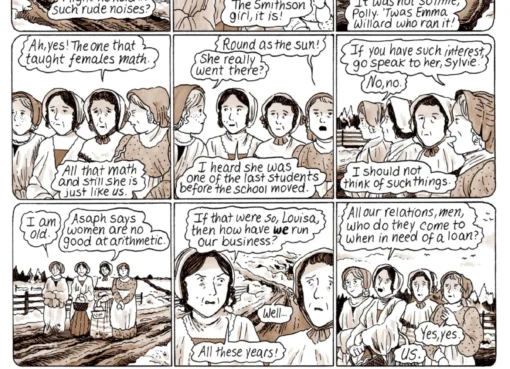
Cultural critics have also weighed in, noting that the opening of the QBCI reflects a broader "visual turn" in society, where the rise of Instagram, graphic novels, and high-end animation has made the general public more attuned to the nuances of line, color, and visual composition.
Implications: Redefining the Cultural Hierarchy
The opening of the Quentin Blake Centre for Illustration carries significant implications for the future of art education and cultural policy in the United Kingdom.
1. The Democratization of Art
Unlike "High Art" galleries, which can sometimes feel exclusionary or opaque to the general public, illustration is inherently democratic. It is an art form found in the pockets, on the bookshelves, and on the screens of every citizen. By elevating this "everyday" art to a museum setting, the QBCI challenges the traditional hierarchy that places oil painting and sculpture above the "applied arts." This shift is likely to encourage a more diverse demographic of visitors who may have previously felt alienated by traditional art institutions.
2. A Hub for the Digital Transition
As AI-generated imagery and digital tools transform the landscape of visual creation, the QBCI will serve as a vital "creative laboratory." It will provide a space to debate the ethics and techniques of modern illustration, ensuring that the human element—the "energetic line" that Blake is so famous for—remains central to the conversation. The center’s digital archive will make these 40,000 works accessible to researchers worldwide, fostering a global dialogue on visual literacy.
3. Urban Regeneration and the "Clerkenwell Effect"
The choice of Clerkenwell—a district already known for its design showrooms and architectural firms—is strategic. The QBCI will act as an anchor institution, drawing tourists and students into an area with a rich industrial history. The restoration of the New River Head also sets a precedent for how heritage sites can be repurposed for the creative economy without losing their historical soul.
4. Educational Impact
With dedicated studios and a focus on "storytelling through pictures," the center is poised to become a primary resource for schools. In an era where visual literacy is becoming as important as traditional literacy, the QBCI offers a curriculum-based approach to teaching children how to decode and create images.
Conclusion: A Legacy in Ink
As the doors of the 17th-century complex swing open this June, the Quentin Blake Centre for Illustration will stand as a testament to the power of the drawn line. It represents a lifetime of work for Sir Quentin Blake, but more importantly, it represents a permanent victory for an art form that has spent too long in the shadows of the "Fine Art" establishment.
By housing the works of the past while fostering the creators of the future, the center ensures that the art of storytelling—in all its silly, serious, and energetic glory—will have a home for centuries to come. The "decorators" have finally moved into the main house, and they have brought the entire world of imagination with them.

Leave a Comment