A New Vision for the Wizarding World: HBO’s Harry Potter Series Challenges Cinematic Legacy with a "Grounded" Aesthetic
The Wizarding World is preparing for its most significant transition since the conclusion of the original film franchise in 2011. As Warner Bros. Discovery moves forward with its ambitious decade-long commitment to adapt J.K. Rowling’s Harry Potter novels into a prestige television series for Max, the production has found itself at the center of a heated debate regarding visual style, creative necessity, and the evolution of digital cinematography.
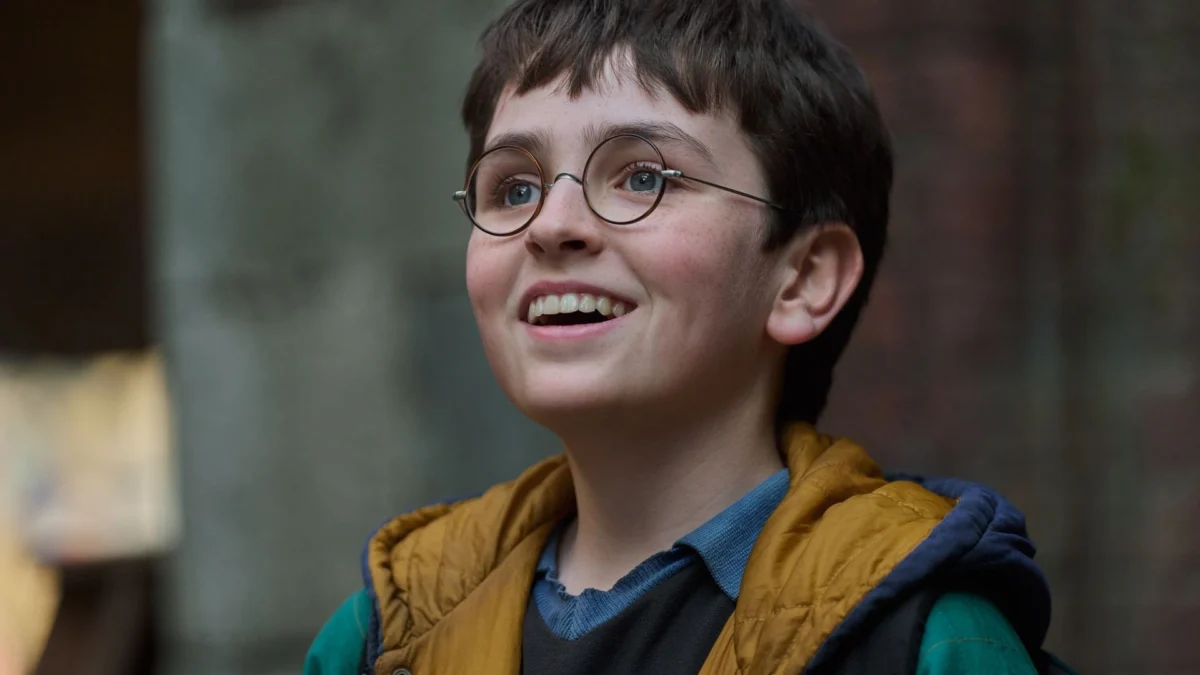
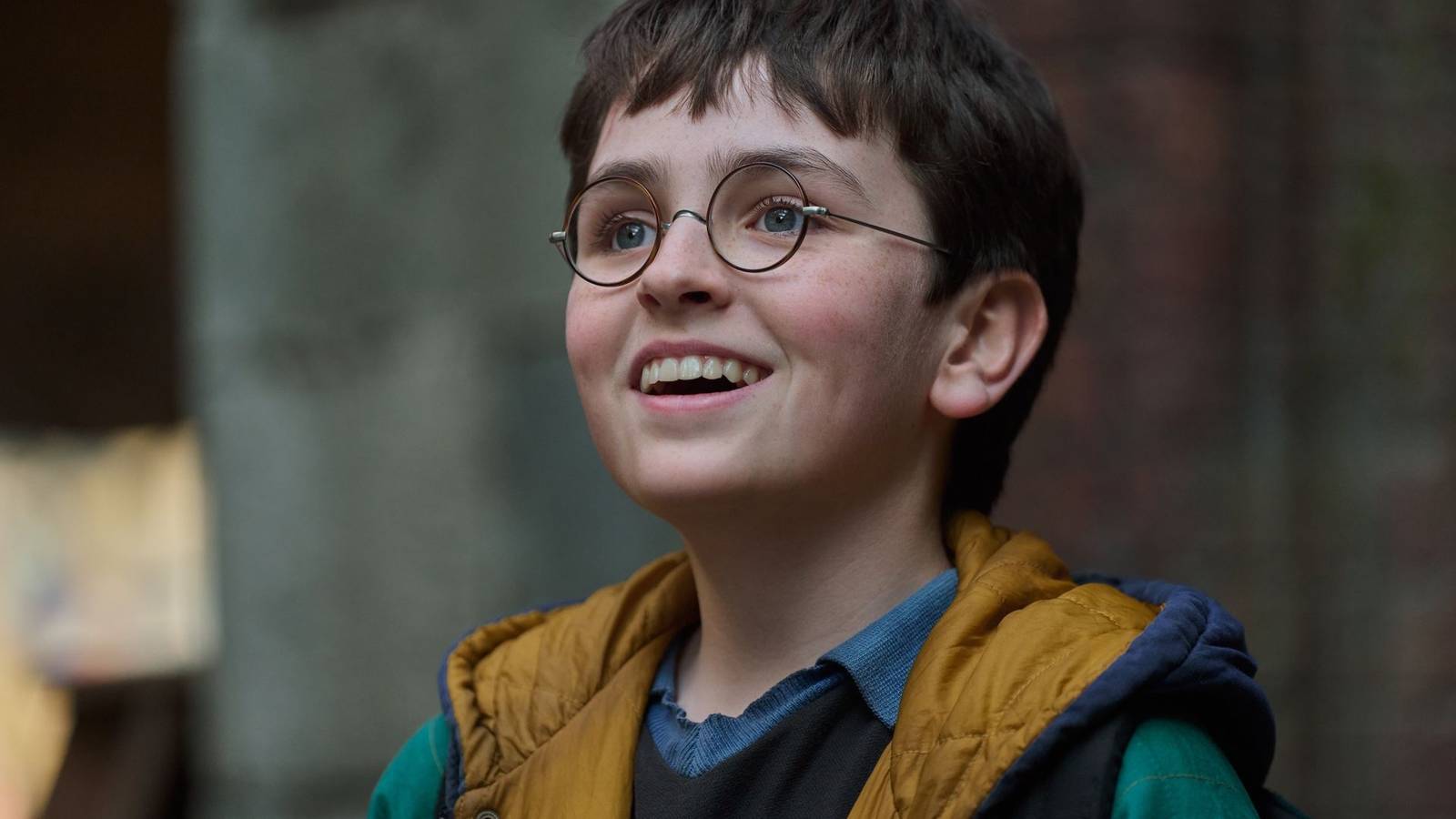
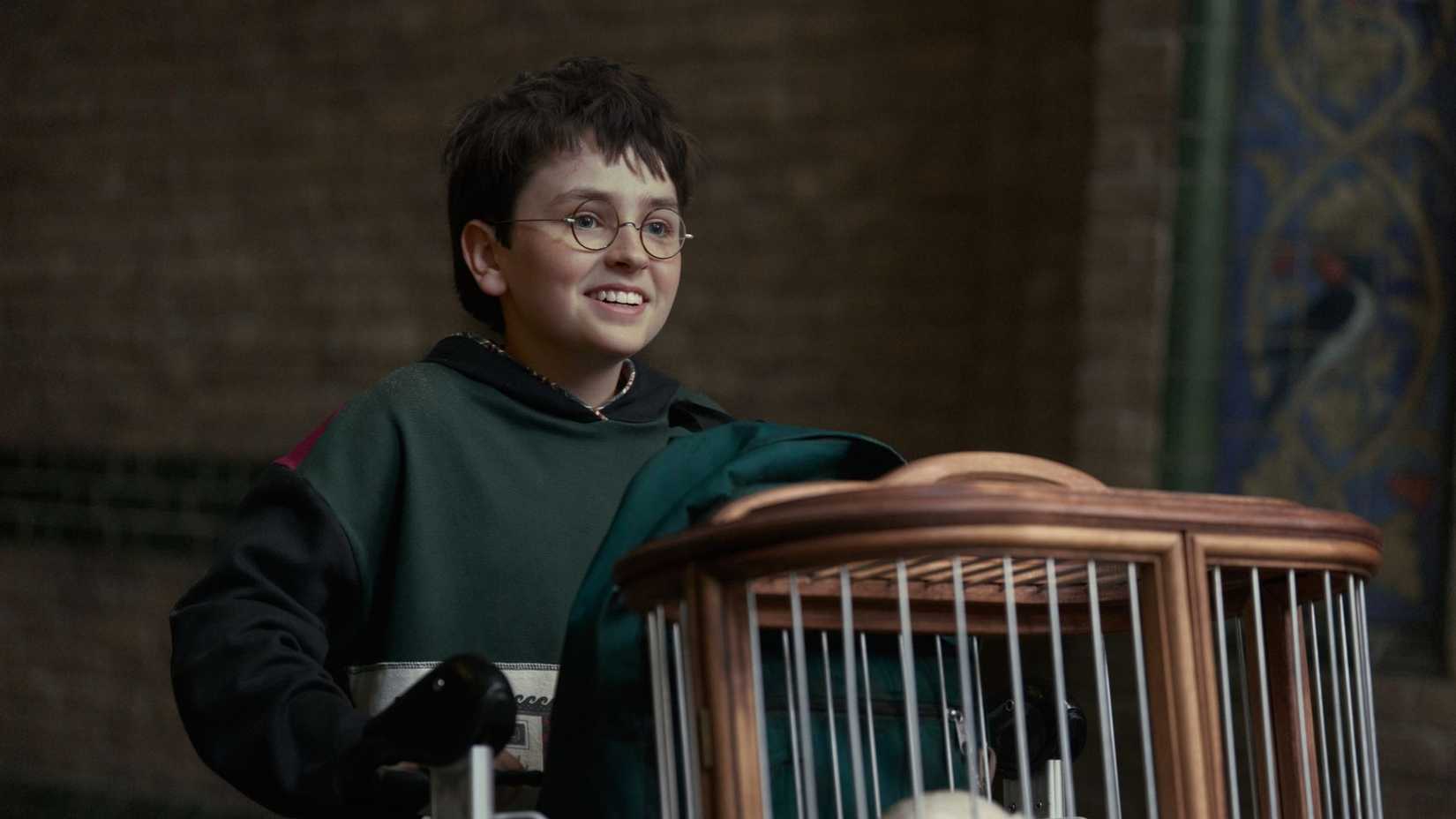
Following the release of early promotional materials, fans expressed concern over what appeared to be a muted, "washed-out" color palette—a stark departure from the vibrant, whimsical aesthetic established by Chris Columbus in 2001. Recently, Adriano Goldman, the Director of Photography for the series, broke his silence on these criticisms, offering a masterclass in the technical and narrative philosophy guiding the reboot. Goldman’s insights suggest that the upcoming series will not merely recreate the films, but will instead attempt to redefine the visual language of magic for a generation raised on high-fidelity gaming and prestige "Peak TV."
Main Facts: The Status of the "Philosopher’s Stone" Production
As of July 2026, the first season of the Harry Potter series—titled Harry Potter and the Philosopher’s Stone—is deep in the throes of post-production. Despite rumors that the season had been finalized following the conclusion of principal photography in May 2026, Goldman confirmed during an appearance on André Pilli’s podcast that the series is still far from completion.
"We haven’t even finished editing Episode 1, let alone the rest of the season," Goldman revealed, tempering expectations for an early look at the finished product. He emphasized that the footage seen in the initial teasers was not representative of the final color grade, a common occurrence in big-budget productions where marketing materials are often released while visual effects and color timing are still in flux.
The series is being steered by showrunner Francesca Gardiner and director Mark Mylod, both alumni of the critically acclaimed HBO drama Succession. Their involvement signals a pivot toward a more sophisticated, character-driven approach. The first season is scheduled to premiere on Max on December 25, 2026, positioning it as the streaming service’s flagship holiday event.

Chronology: From Announcement to Post-Production
The journey of the Harry Potter reboot has been marked by both corporate ambition and public skepticism. To understand the current state of the production, one must look at the timeline of its development:
- April 2023: Warner Bros. Discovery officially announces a "faithful" TV adaptation of the seven Harry Potter books. The project is described as a 10-year commitment with an entirely new cast.
- Late 2023 – Early 2024: The search for a creative lead begins. Rumors circulate about various directors, but the studio eventually lands on Francesca Gardiner as showrunner and Mark Mylod as a key executive producer and director.
- Late 2025: Principal photography begins in the United Kingdom, utilizing a mix of practical locations and advanced soundstages.
- May 2026: Filming for Season 1 officially wraps. The production moves into a lengthy post-production phase necessitated by the heavy use of CGI for magical creatures and environments.
- July 2026: Adriano Goldman addresses fan backlash regarding the teaser’s visual style, confirming that the "look" of the show is still being refined but will intentionally differ from the 2001 film.
- December 25, 2026: The scheduled global premiere of Season 1.
Supporting Data: Technical Evolution and the "Cartoony" Critique
A central point of contention among the "Potterhead" community is the perceived rejection of the visual style established by the original films. Adriano Goldman, an Emmy-winning cinematographer known for his work on The Crown, provided a candid assessment of why a change was necessary.
Goldman described the cinematography of the early 2000s films—specifically those directed by Chris Columbus—as "tired" by modern standards. He characterized the 2001 and 2002 entries as "cartoony," noting that they were "all very exaggerated in colors, performance, and the use of wide angles."
This shift is backed by several technical and cultural factors:
- Dynamic Range and Technology: The digital sensors and color grading suites available in 2026 offer a level of detail and "latitude" that was impossible in 2001. Modern audiences, particularly those watching on 4K HDR displays, expect a level of realism and texture that the "flat" lighting of early 2000s family films lacks.
- The "Gamer" Pacing: Goldman noted that the target demographic for the new series has grown up playing video games with sophisticated lighting engines (such as Unreal Engine 5). These viewers have different "pacing expectations and camera movements," requiring a more dynamic and immersive visual style.
- Narrative Intent: The new series plans to use color as a storytelling device. Goldman explained that the "pale" palette criticized in the teaser is specific to Harry’s life before he discovers magic. The show will remain visually "grounded" and less vibrant while Harry is with the Dursleys to highlight his isolation. The vibrancy will theoretically increase as the world expands, with Hogwarts being introduced at the very end of the first episode.
Official Responses: Defending the Creative Vision
The creative team behind the series has been careful to frame the reboot not as a replacement for the films, but as a deeper exploration of the source material. Showrunner Francesca Gardiner has previously stated that the television format allows for a "granular" level of detail that the two-hour films had to bypass.
In response to the "color grading" controversy, Goldman’s comments serve as the most detailed official defense to date. He praised the vision of Mark Mylod, suggesting that the "realistic, more grounded Potter" is a deliberate choice to make the stakes feel higher. By moving away from the "exaggerated" style of the past, the production aims to make the magic feel like a natural, albeit extraordinary, part of the world rather than a sequence of colorful special effects.

Furthermore, the studio has already signaled its confidence in this new direction. Despite the first season still being in post-production, Season 2 has already been officially renewed. Goldman teased that the visual language will continue to evolve, with plans to change cameras and lenses for the second season to reflect the maturing tone of the story as Harry enters his second year.
Implications: The High Stakes of a "Grounded" Reboot
The decision to pursue a "realistic" and "grounded" aesthetic for a story about magic carries significant risks and potential rewards.
The Risk of "Prestige Gloom":
There is a growing fatigue among television audiences regarding the "dark and gritty" trend in fantasy. Shows like Game of Thrones and House of the Dragon have been criticized for being literally too dark to see on standard television screens. If the Harry Potter series leans too heavily into a "grounded" palette, it risks losing the sense of wonder and "magic" that made the original films a multi-billion dollar phenomenon.

The Reward of Depth:
Conversely, a more realistic visual style could help the series escape the shadow of the films. By treating the Wizarding World with the same cinematic gravity as a historical drama or a high-stakes thriller, HBO can appeal to adult fans who grew up with the books while still capturing the imagination of new viewers. The "grounded" approach suggests that the emotional beats—Harry’s loneliness, the fear of Voldemort, the complexity of Dumbledore—will be handled with more maturity.
Economic Impact:
Warner Bros. Discovery is reportedly spending upwards of $200 million per season on this project, a budget that rivals or exceeds Amazon’s The Lord of the Rings: The Rings of Power. For this investment to pay off, the series must become a "four-quadrant" hit. The visual strategy described by Goldman is clearly designed to modernize the IP, ensuring it doesn’t feel like a "period piece" from the early 2000s, but rather a contemporary piece of high-end media.
As the December 25 premiere approaches, the pressure on Goldman, Mylod, and Gardiner will only intensify. They are not just making a TV show; they are re-engineering one of the most beloved cultural touchstones of the 21st century. Whether the "grounded" look of this new Harry Potter will enchant audiences or leave them longing for the "cartoony" warmth of the past remains to be seen, but one thing is certain: the boy who lived is about to look very different.