Ace Combat 8: Wings of Theve Soars with Familiar Fervor, But Does It Reach New Heights?
By Ian Dean, Editor, Digital Arts & 3D
Ace Combat 8: Wings of Theve, the latest installment in the venerable aerial combat franchise, lands with a powerful roar, promising more of the thrilling dogfights, dramatic storytelling, and over-the-top spectacle that fans have come to expect. Developed by Project Aces and published by Bandai Namco, this iteration aims to leverage the power of Unreal Engine 5 to deliver an even more immersive and visually stunning experience. While the game doesn’t fundamentally reinvent the series’ well-trodden flight path, it refines its core mechanics, enhances its presentation, and injects a renewed sense of personal stakes into its narrative, ultimately offering a compelling, albeit familiar, journey through the skies.
Main Facts: A Familiar Flight Plan with Enhanced Visuals
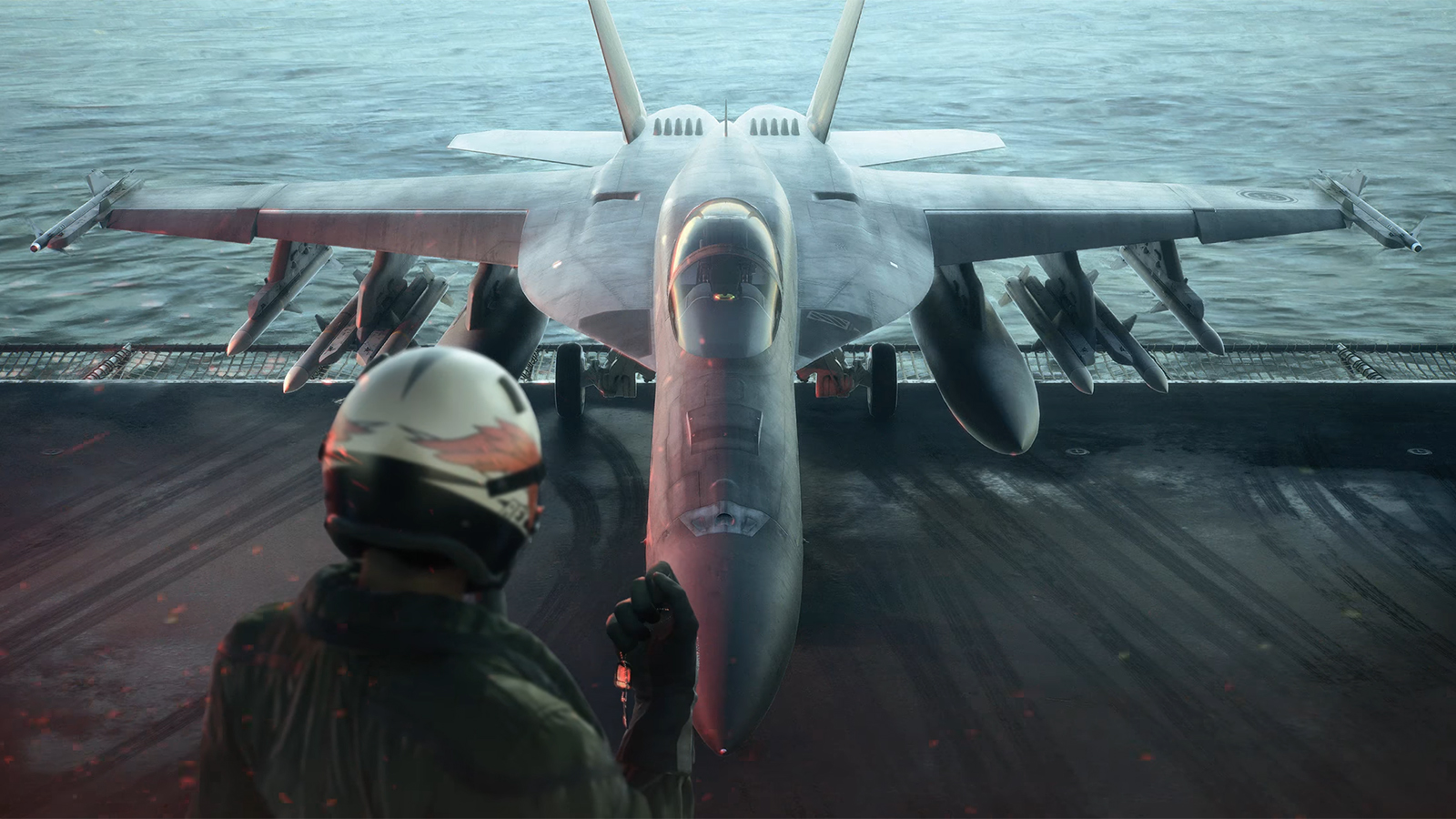
Ace Combat 8: Wings of Theve is set in the year 2029, a time of global turmoil where the Federation of Central Usea (FCU) finds itself in a precarious position, its navy decimated. Players step into the cockpit of an unnamed pilot aboard the aging aircraft carrier Endurance. Amidst this backdrop of defeat, a propaganda unit crafts the legend of "The Wings of Theve," a mythical ace pilot meant to inspire hope. Unbeknownst to many, this legend is fabricated, yet the player character unexpectedly inherits the mantle, leading a squadron known as Joker Flight as they fight to reclaim their homeland.
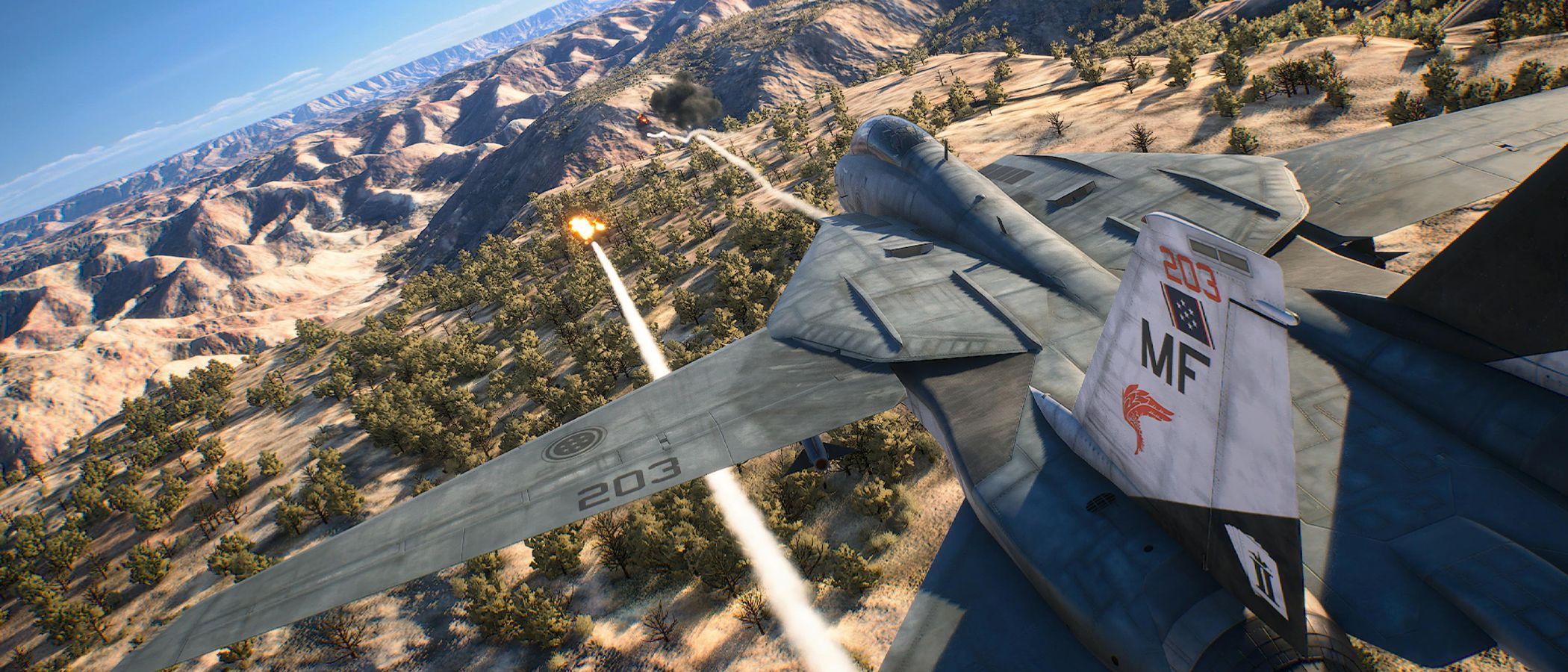
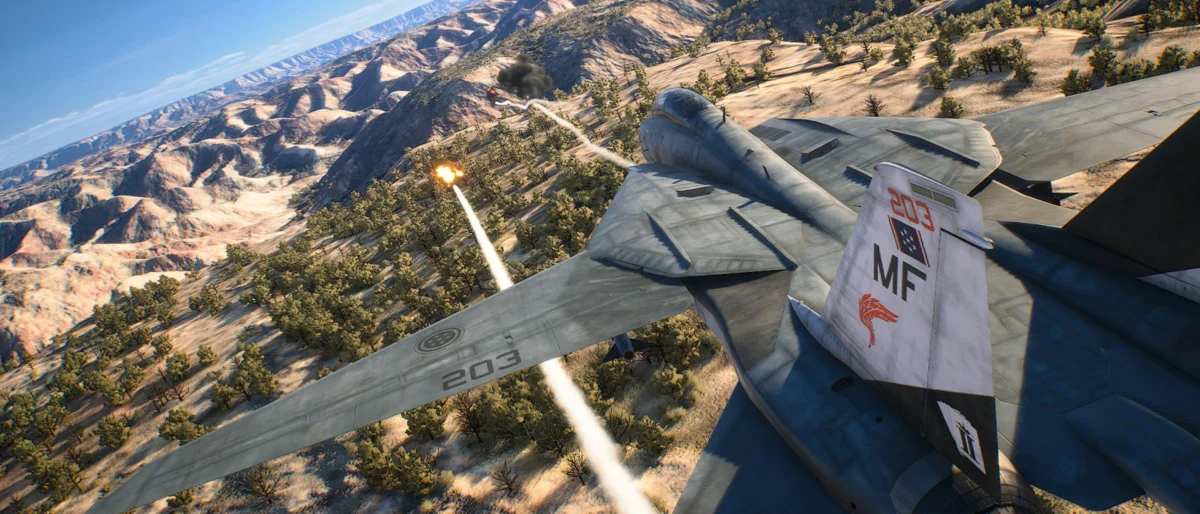
The game boasts a release date of October 2nd, with platforms including PlayStation 5 (the reviewed version), Xbox Series X|S, and PC. The visual fidelity is a significant leap forward, powered by Unreal Engine 5, which promises more detailed environments, dynamic weather effects, and an increased number of on-screen aircraft, creating a more chaotic and visually engaging battlefield. This visual upgrade is particularly evident in the atmospheric effects, with ray-traced clouds adding a new layer of realism and tactical depth.
Chronology: A Legacy of Aerial Supremacy
The Ace Combat series has a rich history dating back to its debut in 1999. For many, the true essence of the franchise solidified with Ace Combat 3: Electrosphere. Over the decades, Project Aces has consistently delivered games that blend arcade-style flight action with compelling, often melodramatic, narratives. Ace Combat 8: Wings of Theve consciously leans into this established formula, rather than attempting a radical departure. This commitment to its roots is evident in the core gameplay loop: lock on, cycle targets, select weapons, and fire. While this loop has remained consistent, Ace Combat 8 refines it with smoother controls and more responsive handling, allowing players to focus on the aerial ballet rather than struggling with complex flight mechanics.
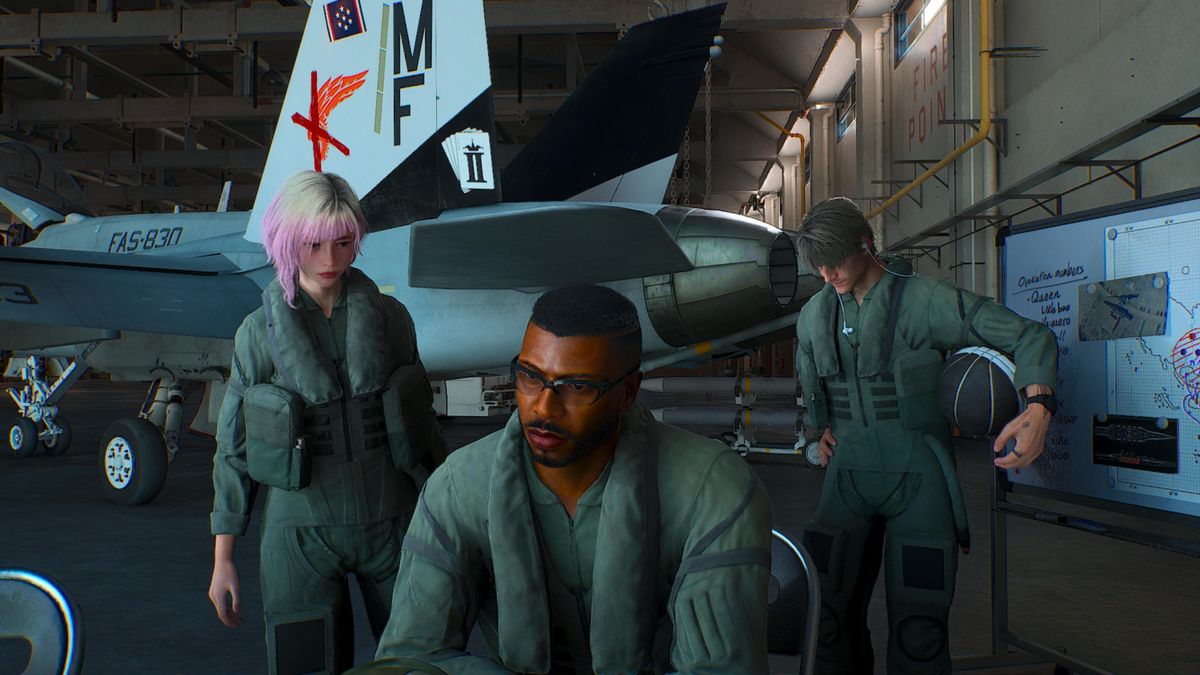
The game’s narrative, while adhering to the series’ penchant for underdog stories and borrowed identities, introduces a more personal touch through first-person interludes aboard the Endurance. These segments aim to deepen the player’s connection with the supporting cast, suggesting that player performance and certain choices can influence character survival and camaraderie, culminating in a potentially more impactful finale where allies rally to the player’s side.
Supporting Data: Unpacking the Gameplay Enhancements
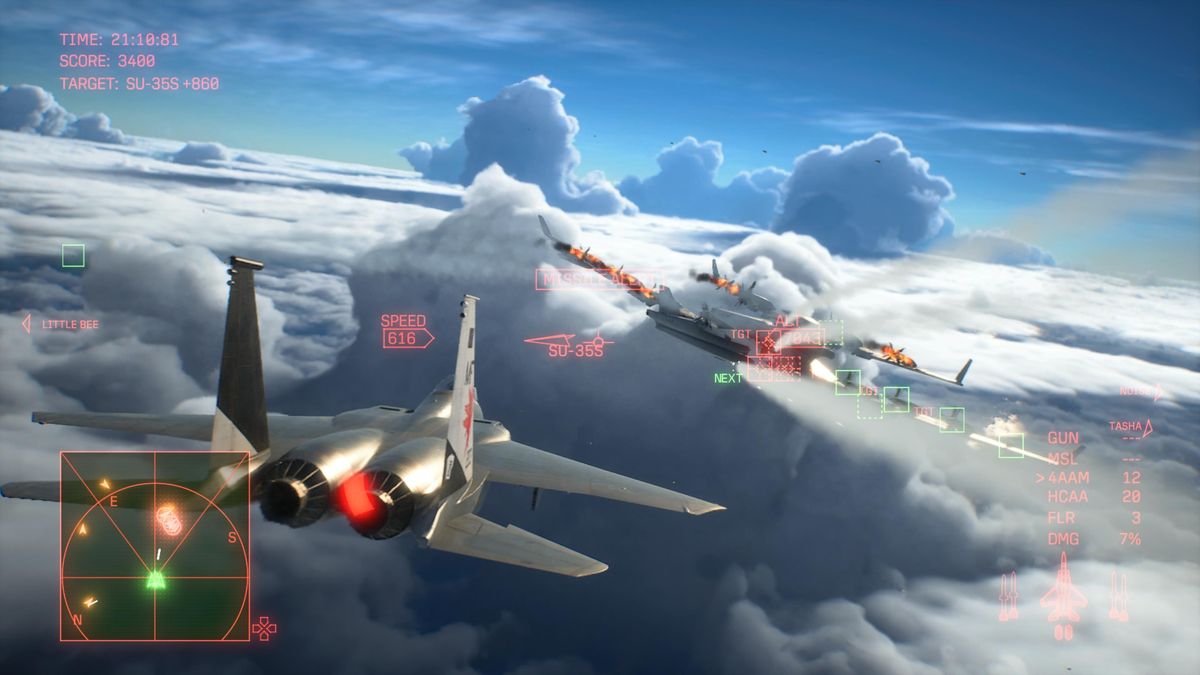
At its heart, Ace Combat 8 remains an arcade flight game, prioritizing thrilling action and engaging set pieces over strict simulation. The Unreal Engine 5 implementation allows for a significantly denser battlefield, with an increased number of aircraft, bombers, and ground targets populating the skies and terrain. This is most dramatically showcased in moments where the player faces overwhelming odds, such as the claim of "a thousand aircraft against your four" during a climactic mission. While the reviewer notes counting closer to 100 planes, the sheer scale and the ensuing chaos are undeniably a hallmark of the Ace Combat experience.
The game also reintroduces and refines systems from previous installments. Squadron commands, a staple since Ace Combat 5, are present, allowing players to issue basic directives to their wingmen. While these commands haven’t seen a dramatic evolution in complexity, the ability to upgrade wingmen using earned Military Result Points (MRP) adds a layer of tactical consideration to their support. This allows for more effective wingman assistance, particularly when calling them in for defensive maneuvers.
Furthermore, the weather system, particularly the ray-traced clouds, plays a more significant role than mere visual flair. These clouds serve as genuine tactical tools, breaking line of sight, disrupting missile tracking, and providing opportunities for evasive maneuvers. This integration of environmental elements into gameplay adds a welcome layer of strategic depth, transforming the backdrop from a static diorama into a dynamic and interactive part of the combat.
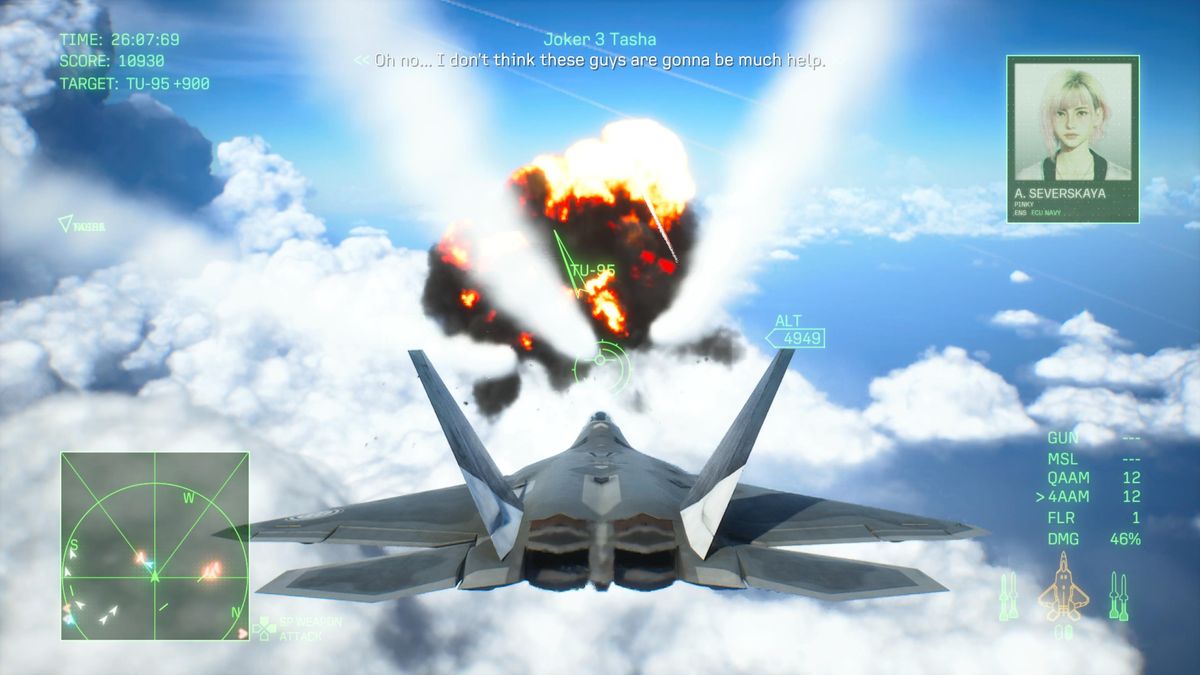
The game also features a robust progression system, allowing players to unlock new aircraft and special weapons, and customize their loadouts with various parts. The return of the space elevator, scaled up even further, and encounters with colossal "Land Battleships" – tank-tracked destroyers – highlight the game’s commitment to delivering memorable and visually spectacular boss encounters. These set pieces, while often bordering on the absurd, are executed with a sense of grandeur that makes them feel impactful within the game’s narrative context.
Official Responses: A Strategic Commitment to the Series’ Strengths
While direct "official responses" from Project Aces or Bandai Namco regarding specific gameplay mechanics are not provided in the source text, the game’s design itself serves as a testament to their strategic direction. The decision to double down on the core Ace Combat experience, rather than attempting a radical departure, indicates a clear understanding of the franchise’s appeal. Project Aces has consistently demonstrated a commitment to delivering high-octane aerial combat with compelling narratives, and Ace Combat 8 continues this tradition.
The emphasis on visual upgrades through Unreal Engine 5 suggests a focus on enhancing the player’s immersion and the spectacle of the battles. The refinement of existing systems, such as squadron commands and weather mechanics, points to a strategy of iterative improvement, building upon a solid foundation to offer a more polished and engaging experience for both long-time fans and newcomers. The introduction of more personal narrative elements suggests an effort to broaden the emotional resonance of the story, aiming to connect players more deeply with the characters and the stakes of the conflict.
Implications: The Enduring Appeal of the Ace Pilot Fantasy
Ace Combat 8: Wings of Theve ultimately reinforces the enduring appeal of the Ace Combat formula. In an era where many games strive for hyper-realism or radical innovation, Ace Combat thrives by embracing its own identity. The game successfully captures the simple, unadulterated joy of piloting a powerful fighter jet, layering it with dramatic storytelling and bombastic action.
The game’s success lies in its ability to balance arcade accessibility with moments of tactical depth. While the core lock-on-and-fire loop might seem repetitive to some, it’s precisely this familiarity that allows players to fully immerse themselves in the spectacle. The addition of more dynamic weather and the potential for more impactful narrative choices suggest a desire to keep the experience fresh for returning players, while the robust multiplayer suite, featuring large-scale battles and cooperative modes, offers significant replayability and a chance for players to truly test their mettle against human opponents.
However, the game is not without its minor shortcomings. The reviewer notes that some systems, like the weapon customization and squadron commands, promise more depth than they ultimately deliver, occasionally feeling like missed opportunities to further evolve the core gameplay. Stealth missions, which rely on radar avoidance, are also cited as a less enjoyable departure from the series’ signature high-octane combat.
Despite these minor criticisms, Ace Combat 8: Wings of Theve stands as a strong entry in the series. It demonstrates that a beloved formula, when executed with passion and technical prowess, can still offer a thrilling and deeply satisfying experience. The game’s ability to blend high-stakes aerial combat with a surprisingly emotional narrative, all wrapped in a visually stunning package, ensures that the fantasy of being an ace pilot continues to captivate players. When Ace Combat 8 is at full throttle, weaving through clouds and unleashing a barrage of missiles, it doesn’t need to reinvent the wheel; it simply needs to fly, and in that regard, it soars.